A Material Guide to Safely Wearing and Restoring Old Earrings
Discover the hidden material risks in old earrings. Learn how to identify vintage metals, prevent skin reactions, and safely restore heirlooms.

The Hidden Dangers in Your Jewelry Box: Why Material Matters
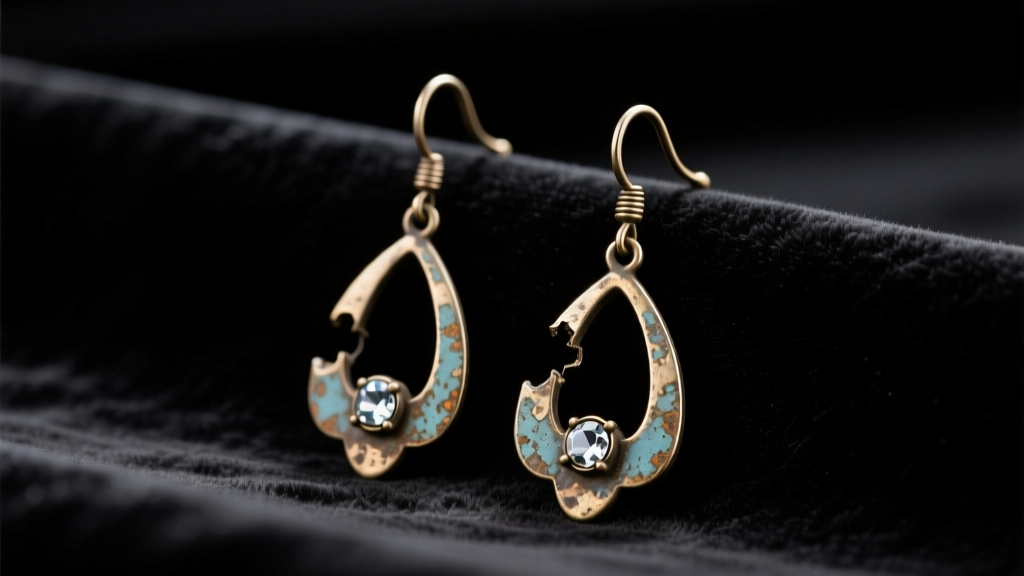
There is an undeniable romance to wearing old earrings. Whether they are inherited Art Deco heirlooms, mid-century clip-ons found at an estate sale, or Victorian-era drops passed down through generations, vintage jewelry carries a historical weight that modern mass-produced pieces simply cannot replicate. However, from a metallurgical and dermatological perspective, wearing old earrings presents a unique set of challenges. Material science has evolved dramatically over the last century, and alloys that were considered standard in the 1920s or 1950s are now recognized as structural liabilities or biohazards.
As a jewelry conservator and stylist, I frequently see clients develop sudden contact dermatitis or experience catastrophic structural failures when wearing vintage pieces. This guide breaks down the exact material properties of vintage earrings, identifies the most common failure modes, and provides actionable frameworks for safely restoring and wearing your heirlooms without compromising your skin health or the integrity of the piece.
Decoding Vintage Metals: Degradation and Skin Reactions
The most common issue with old earrings stems from the base metals used before modern hypoallergenic standards were established. Understanding the exact composition of these metals is the first step in determining whether a piece can be safely worn.
Pot Metal and the 'Zinc Pest' Phenomenon
Much of the costume jewelry from the 1920s through the 1940s was cast from 'pot metal'—a colloquial term for Zamak, an alloy primarily composed of zinc, aluminum, magnesium, and copper. While inexpensive and excellent for capturing intricate mold details, early Zamak alloys were often contaminated with trace amounts of lead, tin, or cadmium. Over decades, these impurities trigger intergranular corrosion, commonly known in the antique trade as 'zinc pest.' This causes the metal to swell, crack, and eventually crumble into a grayish powder. If your old earrings show a white, crusty oxidation or micro-fractures along the casting seams, the structural integrity is already compromised, and the oxidized zinc can cause severe skin irritation.
Early White Gold and the Nickel Problem
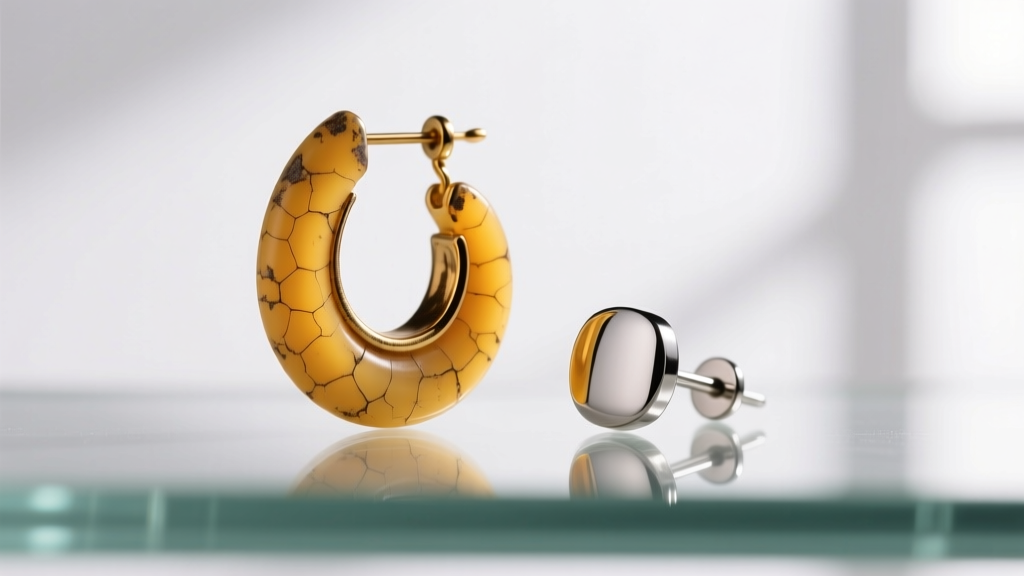
If you possess old earrings crafted in white gold, you must be highly cautious of the bleaching agents used in early 20th-century metallurgy. Modern white gold is typically alloyed with palladium or silver to achieve its color. However, vintage white gold almost exclusively relied on high concentrations of nickel. According to the National Center for Biotechnology Information, nickel allergy affects up to 20% of the population, and prolonged exposure to nickel-heavy white gold posts can trigger severe allergic contact dermatitis, leading to weeping, crusting, and eventual rejection of the piercing fistula.
Organic and Early Synthetic Materials
Beyond metals, the early plastics and organics used in vintage earrings possess unique chemical properties that dictate how they should be stored and worn.
Celluloid vs. Bakelite: Identification and Acidic Decay
Celluloid, the first commercially successful synthetic plastic, was widely used in the late 19th and early 20th centuries to mimic ivory, tortoiseshell, and coral. Chemically, it is nitrocellulose plasticized with camphor. As celluloid ages, it off-gasses camphor and releases nitric acid. This acidic decay not only causes the material to yellow, warp, and become highly brittle, but the off-gassed acids will actively corrode any metal findings or posts stored in the same jewelry box. According to conservation guidelines from the Victoria and Albert Museum, celluloid pieces must be isolated in well-ventilated, acid-free environments to prevent cross-contamination.
Bakelite (phenol formaldehyde resin), popular in the 1930s, is far more stable but exceptionally heavy. While it does not off-gas corrosive acids, the sheer weight of large Bakelite drop earrings can cause mechanical trauma to the earlobe, leading to stretched fistulas or tearing.
Expert Identification Tip: To safely differentiate Bakelite from later plastics like Lucite, apply a tiny dot of Simichrome metal polish to a hidden area of the earring with a cotton swab. If the swab turns a vibrant mustard yellow, you have genuine Bakelite. The chemical reaction occurs specifically with the phenol-formaldehyde resin.
Material Comparison Chart: Vintage vs. Modern Equivalents
When evaluating old earrings for daily wear, it is crucial to compare their inherent properties against modern, body-safe standards. The table below outlines the primary failure modes and modern alternatives.
| Vintage Material | Primary Failure Mode | Skin Reaction Risk | Modern Safe Equivalent |
|---|---|---|---|
| Zamak (Pot Metal) | Zinc pest, pitting, structural crumbling | High (Oxidation irritation) | 316L Surgical Steel or Zinc Alloy with PVD Coating |
| Early White Gold | Rhodium plating wear, nickel exposure | Very High (Contact dermatitis) | 14k/18k Palladium White Gold or Platinum |
| Celluloid | Camphor off-gassing, nitric acid release | Moderate (Chemical burns if degraded) | High-Density Resin or Acrylic |
| Brass Fishhook Wires | Copper oxidation, lead-bearing solder joints | High (Copper/Nickel allergy) | ASTM F136 Implant-Grade Titanium |
Actionable Restoration: Upgrading Posts and Wires
You do not need to relegate your old earrings to a display case. With the right restoration techniques, you can make them safe for modern wear. The most critical upgrade is replacing the earring posts and wires, which sit directly inside the piercing fistula.
- Assess the Gauge Size: Vintage earrings often feature thicker posts, typically 18-gauge (1.02mm) or even 16-gauge (1.29mm), especially in older screw-back designs. Modern standard lobe piercings are usually 20-gauge (0.81mm). Forcing a thick vintage post into a modern fistula can cause micro-tearing and scar tissue buildup. Always measure the post with a digital caliper before wearing.
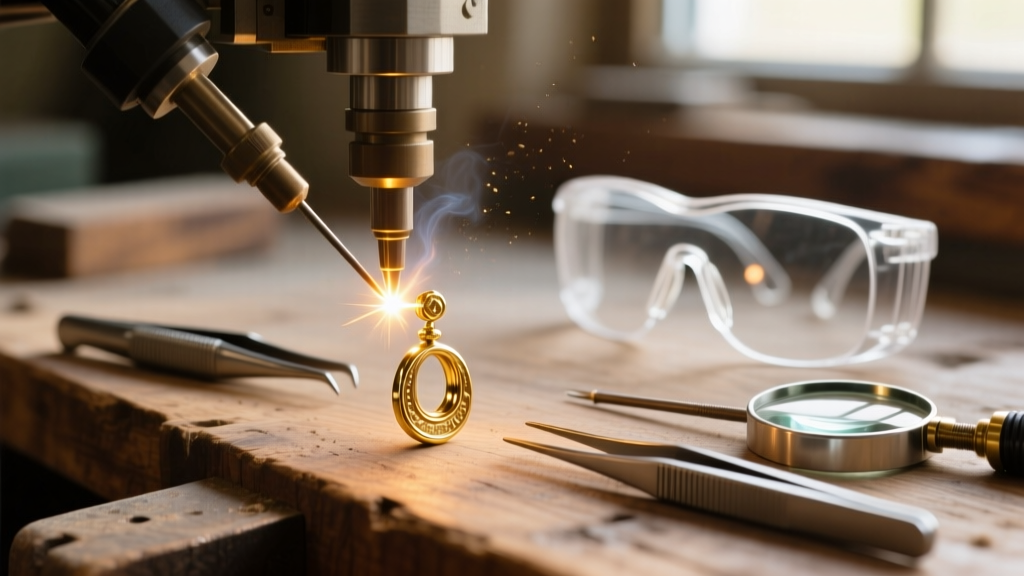
- Laser Welding vs. Soldering: Historically, earring posts were attached using 60/40 tin-lead solder, which poses a toxicity risk and creates a bulky, weak joint. Take your old earrings to a master jeweler who utilizes laser welding. A laser welder can fuse a modern, nickel-free 20-gauge titanium or 14k yellow gold post directly to the vintage backing without using lead solder and without generating enough heat to damage adjacent enamel or soft gemstones like pearls.
- Barrier Coatings: If you have vintage clip-ons or pot metal drops that you cannot alter, apply a skin-safe barrier coating. Avoid clear nail polish, which is a nitrocellulose lacquer that chips rapidly and traps moisture against the skin. Instead, use a specialized polyurethane jewelry coating like ProtectaClear, which cures to a flexible, invisible, and hypoallergenic shield.
Final Verdict on Wearing Heirlooms
The allure of old earrings lies in their craftsmanship and history, but blind trust in vintage materials is a recipe for dermatological and structural disaster. By understanding the specific degradation patterns of pot metal, the hidden nickel content in early white gold, and the acidic nature of celluloid, you can curate a vintage collection that is both beautiful and biocompatible. Always prioritize upgrading the components that interact directly with your skin—specifically the posts, wires, and clutch backs—to modern, implant-grade standards. For a deeper dive into identifying antique and estate jewelry materials, the Gemological Institute of America offers extensive resources on historical manufacturing techniques. Treat your vintage pieces with the material respect they demand, and they will safely endure for another century.


