Orange Coral Earrings: The Definitive Buying Guide
Discover how to buy authentic orange coral earrings. Learn about coral grades, sustainability, pricing, and how to spot dyed imitations in our expert guide.

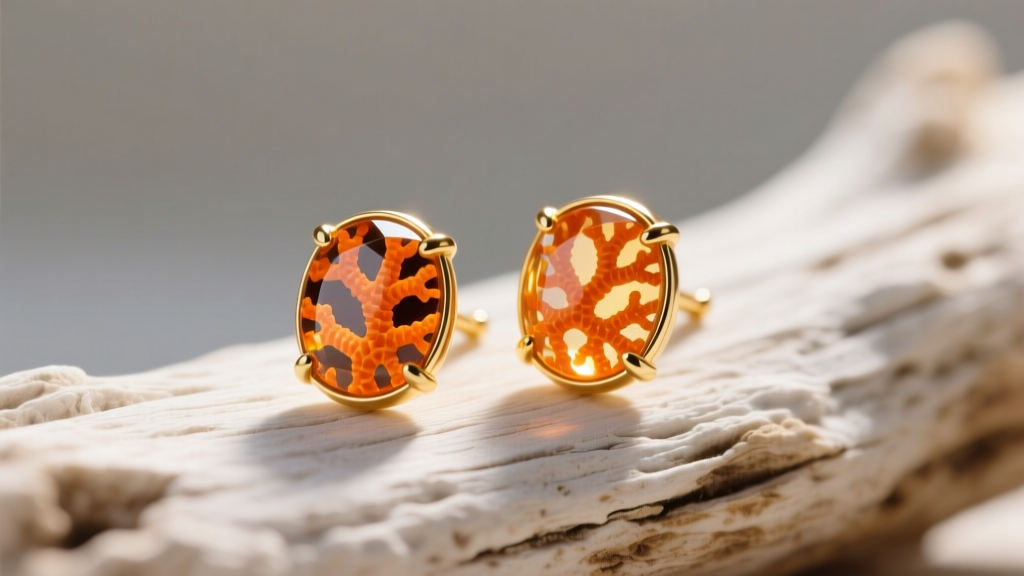
The Allure and Complexity of Orange Coral
Orange coral earrings offer a vibrant, sun-drenched aesthetic that bridges the gap between bohemian casual and high-end statement jewelry. However, navigating the coral market in 2026 requires a sharp eye and a deep understanding of gemology. Unlike faceted gemstones, coral is an organic gemstone formed by marine polyps, primarily composed of calcium carbonate and a protein called conchiolin. Because of its biological origins, the market is currently saturated with treated, dyed, and reconstituted alternatives masquerading as natural precious coral.
Whether you are hunting for vintage Mediterranean Corallium rubrum or sustainable, ethically dyed bamboo coral, this comprehensive buying guide will equip you with the technical knowledge to evaluate authenticity, understand pricing matrices, and select settings that protect these remarkably soft organic gems.
Understanding the Coral Spectrum: Natural vs. Treated
Not all orange coral is created equal. The color, density, and value of your earrings depend entirely on the species of coral and the post-harvest treatments it has undergone. As a buyer, you must understand the three primary categories you will encounter:
1. Precious Coral (Corallium Species)
True precious coral grows in deep, cold waters and possesses a naturally dense, porcelain-like polish. While famous for its deep ox-blood red and peach-pink hues, rare orange variations do exist. Untreated, natural orange precious coral is exceptionally rare and commands premium prices. It exhibits a specific gravity of 2.6 to 2.7 and a distinct fibrous structure under magnification.
2. Bamboo Coral (Keratoisis)
Bamboo coral is an abundant, deep-sea species characterized by alternating bands of hard calcium carbonate and soft, dark organic joints (resembling bamboo stalks). In its natural state, the hard segments are pale grey or white. To achieve the highly sought-after orange hue, bamboo coral is almost universally bleached and then dyed. While beautiful and more affordable, it must be legally disclosed as 'dyed' by the seller.
3. Sponge Coral and Reconstituted Coral
Sponge coral is highly porous and naturally fragile. To be used in earrings, it is typically stabilized by vacuum-impregnating the porous structure with clear epoxy resin. Reconstituted coral, on the other hand, is made from pulverized coral dust mixed with polymers and dyes, then molded into cabochons. Both lack the natural growth lines of solid coral and are considered low-tier alternatives.
The Authenticity Test: Spotting Fakes and Dyes
Because orange coral is highly prized, glass, plastic, and dyed howlite are frequently passed off as genuine. Before purchasing orange coral earrings, especially from secondary markets or vintage estate sales, employ these three non-destructive verification methods:
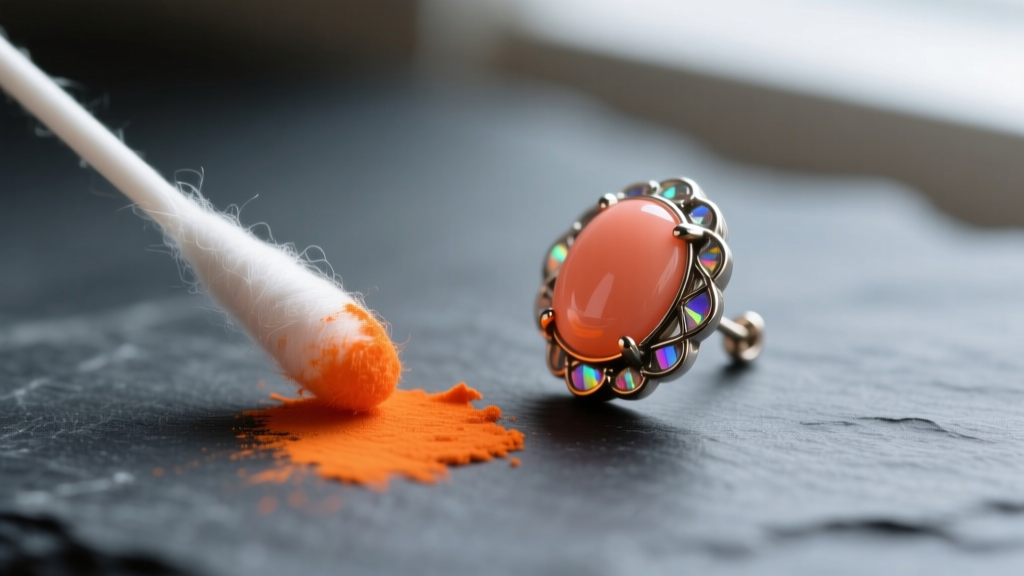
- The Acetone Swab Test: Dip a cotton swab in nail polish remover (acetone) and rub it gently on an inconspicuous area of the coral. If the swab turns bright orange, the stone is dyed (likely bamboo coral). Natural, untreated precious coral will not bleed color.
- The 10x Loupe Inspection: Examine the surface under a jeweler's loupe. Natural coral will reveal subtle wood-grain patterns, concentric growth rings, or tiny natural pits. Glass imitations will show spherical air bubbles and swirl marks, while plastic will show mold lines and a waxy luster.
- The Temperature Test: Coral is an organic insulator. When touched to the cheek or lips, natural coral feels relatively warm or neutral. Glass and quartzite imitations will feel distinctly cold to the touch.
According to the Federal Trade Commission (FTC) Jewelry Guides, it is illegal for sellers to market dyed or stabilized coral without clear, conspicuous disclosure of the treatment. Always demand a receipt that explicitly states the exact nature of the coral and any enhancements.
Sustainability and Ethical Sourcing
As marine ecosystems face unprecedented threats, the ethical sourcing of coral has become a paramount concern for modern jewelers and consumers. The Convention on International Trade in Endangered Species (CITES) strictly regulates the harvesting and international trade of many precious coral species, listing several under Appendix II and III to prevent over-exploitation.
In 2026, the most environmentally responsible choice for orange coral earrings is either verified vintage/antique precious coral (which requires no new harvesting) or sustainably sourced bamboo coral. Bamboo coral grows relatively quickly and is not currently subject to the same severe CITES restrictions as shallow-water reef corals or deep-sea Corallium. When buying new, look for jewelers who provide chain-of-custody documentation and utilize recycled precious metals for their settings.
Pricing Matrix: What Should You Pay?
The price of orange coral earrings varies wildly based on species, treatment, and the karat weight of the metal setting. Use the table below as a baseline for evaluating market prices for standard 8mm to 12mm cabochon stud earrings.
| Coral Type | Natural Color | Common Treatments | Est. Price Range (14k Gold Settings) | Durability (Mohs) |
|---|---|---|---|---|
| Precious (Corallium) | Orange/Peach | None (Polished) | $800 - $3,500+ | 3.5 - 4.0 |
| Bamboo (Keratoisis) | White/Grey | Bleached & Dyed | $150 - $450 | 3.0 - 3.5 |
| Sponge Coral | Pale Orange | Epoxy Stabilized | $80 - $200 | 2.5 - 3.0 |
| Reconstituted | N/A (Dust) | Resin Bound & Dyed | $30 - $90 | 2.0 - 2.5 |
Note: Prices assume standard 14k yellow gold bezel settings. Sterling silver settings will reduce the base price by approximately 40-50%.
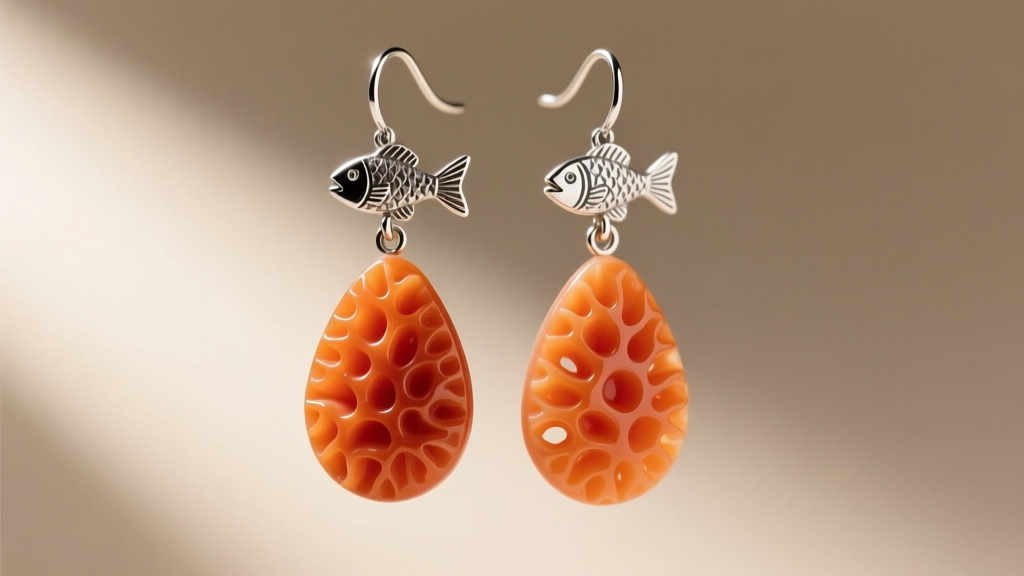
Ideal Settings for a 3.5 Mohs Stone
Coral is remarkably soft, ranking only 3.5 to 4.0 on the Mohs hardness scale. For context, a copper penny is a 3.5, and window glass is a 5.5. This means your orange coral earrings are highly susceptible to scratching, chipping, and abrasion if set improperly.
Avoid High Prong Settings: Traditional four-prong or six-prong settings leave the edges and the dome of the cabochon exposed to daily impacts. Furthermore, prongs require periodic tightening, and the pressure from a jeweler's pliers can easily crack porous coral.
Opt for Bezel or Half-Bezel Settings: A smooth metal bezel that wraps entirely around the perimeter of the coral provides a protective bumper against knocks. For drop earrings or dangles, ensure the coral is set in a protective metal basket or capped with a solid metal backing to prevent the stone from popping out if the earring is dropped.
Long-Term Care and Maintenance
Because coral is composed of calcium carbonate, it is highly reactive to acids and harsh chemicals. Improper care will strip the polish, fade the dye, and degrade the structural integrity of the stone. Follow these strict maintenance protocols:
- The 'Last On, First Off' Rule: Always put your coral earrings on after applying perfume, hairspray, and cosmetics. Remove them immediately upon returning home to prevent prolonged exposure to skin acids and sweat.
- Never Use Ultrasonic Cleaners: The high-frequency vibrations and chemical baths used in ultrasonic cleaners will shatter stabilized sponge coral and strip the dye from bamboo coral.
- Gentle Wiping: After wearing, gently wipe the coral with a soft, dry microfiber cloth. If they require deeper cleaning, use a barely damp cloth with distilled water, and dry them immediately. Never submerge coral in water.
- Proper Storage: Store orange coral earrings in a soft fabric pouch, separate from diamonds, sapphires, or metal jewelry that could easily scratch the soft organic surface.
By understanding the biological origins, treatment disclosures, and structural vulnerabilities of orange coral, you can confidently invest in a pair of earrings that are not only visually stunning but also ethically sourced and built to last. For further gemological reading, consult the Gemological Institute of America (GIA) gem encyclopedia to stay updated on the latest identification techniques for organic gemstones.


