Orbital Earrings Cost Guide: Budget & Value Breakdown
Discover the true cost of orbital earrings in our budget guide. Compare piercing fees, titanium vs gold jewelry prices, and long-term value.
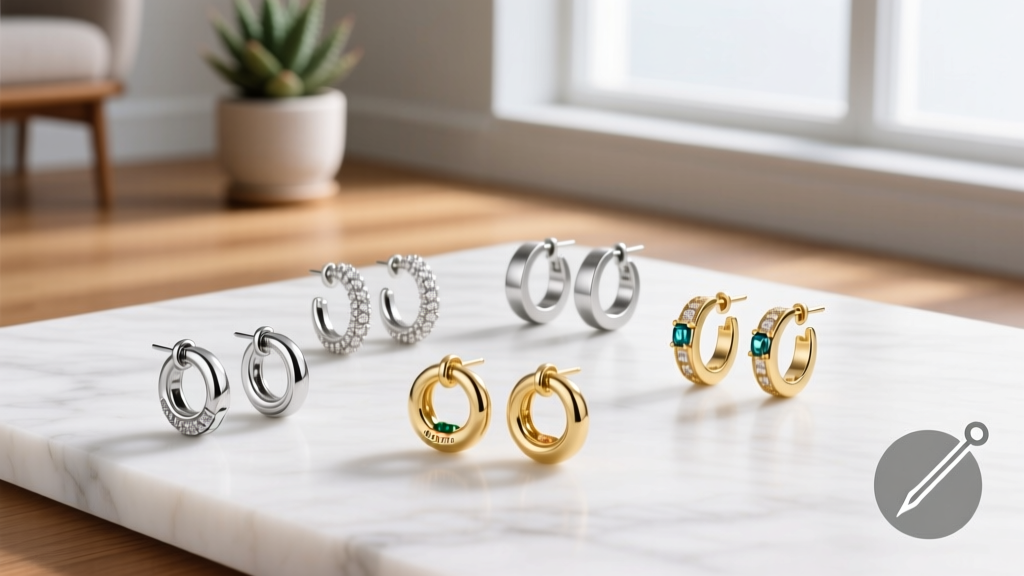
The Allure and Economics of Orbital Earrings
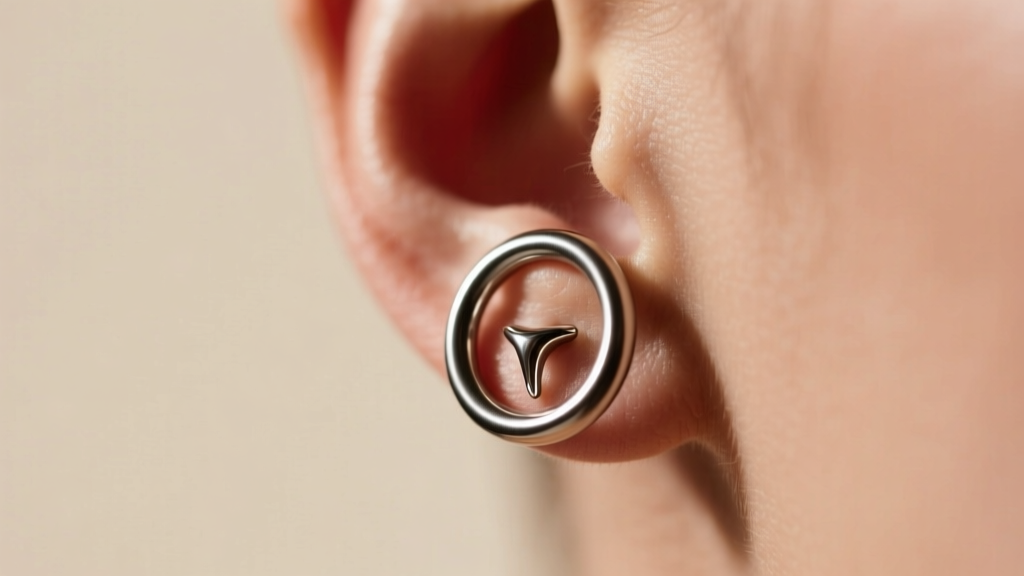
Orbital earrings represent one of the most striking and geometrically complex configurations in modern body modification. By definition, an orbital piercing connects two distinct holes with a single continuous piece of jewelry—most commonly a captive bead ring or a seamless hoop. While visually stunning, the financial and biological investment required for a successful orbital is frequently underestimated by first-time buyers. In 2026, with rising costs in professional body art studios and precious metals, understanding the true budget and long-term value of orbital earrings is essential before you sit in the piercer's chair.
This comprehensive value assessment breaks down the hidden costs of orbital piercings, from studio fees and material grades to the physics of ring sizing and long-term maintenance. Whether you are planning a double helix orbital or a lobe connection, this guide will help you allocate your budget wisely and avoid costly mistakes.
The True Cost of Orbital Earrings: Piercing vs. Jewelry
The most common misconception about orbital earrings is that you can simply walk into a studio and get both holes pierced simultaneously with the ring inserted on the spot. While this is sometimes possible for fleshy lobe orbitals, cartilage orbitals (like the helix or anti-helix) almost always require a staged approach.
The Staged Piercing Budget
Cartilage swells significantly after being punctured. If a piercer inserts a rigid metal hoop into two fresh cartilage holes, the inevitable swelling will create immense tension on the tissue, leading to embedding, severe irritation bumps, or migration. Therefore, professional studios mandate a staged process:
- Stage One ($50 - $80): Piercing the first hole and inserting a flat-back labret stud to allow for swelling and initial healing (3 to 6 months).
- Stage Two ($50 - $80): Piercing the second hole, aligned perfectly with the first, and inserting another flat-back stud (another 3 to 6 months of healing).
- Stage Three ($30 - $50 service fee): Once both holes are fully healed and the angles are verified, the piercer inserts the final orbital hoop.
When you factor in the jewelry costs for the initial studs and the final orbital ring, the total investment for a professional, safe cartilage orbital typically ranges from $200 to $450. Bargain-basement mall kiosks may offer cheaper upfront rates, but the risk of improper angle alignment—which ruins the orbital's viability—makes professional APP-certified studios the only logical choice for long-term value.
Material Grades and Price Tiers: Where to Spend and Save
The jewelry you choose dictates not only the aesthetic appeal of your orbital earrings but also your body's biological response. According to the Association of Professional Piercers (APP), material porosity and nickel content are the primary drivers of healing success.
| Material | Industry Standard | Avg Price Range (16g Hoop) | Value Verdict |
|---|---|---|---|
| 316L Surgical Steel | ASTM F138 | $15 - $30 | Poor for fresh piercings; contains trace nickel that can trigger contact dermatitis. |
| Implant-Grade Titanium | ASTM F-136 | $35 - $85 | Excellent value. Hypoallergenic, lightweight, and the gold standard for healing orbitals. |
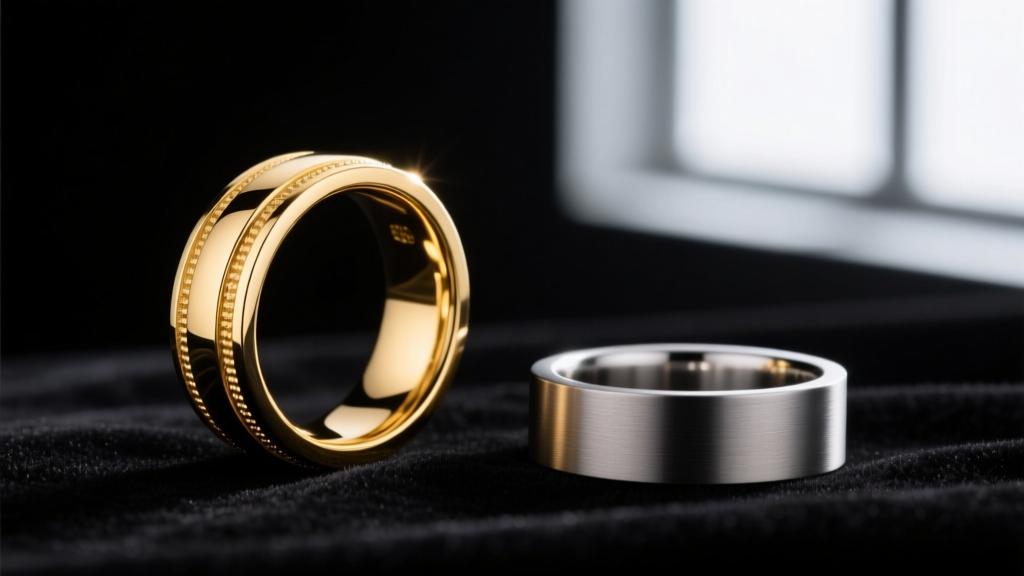
| Solid 14k/18k Gold | Nickel-Free Alloy | $150 - $350+ | Premium investment. Ideal for fully healed orbitals; retains intrinsic monetary value. |
| Niobium | Commercially Pure | $25 - $50 | Great budget alternative to titanium; can be anodized to various colors safely. |
If you are budget-conscious, Implant-Grade Titanium (ASTM F-136) offers the highest return on investment. It eliminates the risk of nickel allergies—a condition affecting nearly 18% of the population, as noted by the Mayo Clinic—and ensures your piercing fees aren't wasted on a failed healing process caused by cheap metals.
Sizing and Geometry: The Hidden Value Factor
The physical dimensions of orbital earrings are where many buyers inadvertently destroy their investment. An orbital ring must account for the exact distance between the two piercings, plus the curvature of the ear, plus a margin for natural tissue movement.
Gauge Thickness
The standard gauge for orbital earrings is 16-gauge (1.2mm). This thickness provides enough structural integrity to prevent the ring from bending out of shape if snagged on a towel or hairbrush. While 18-gauge (1.0mm) hoops are cheaper and widely available in fast-fashion retail, they are dangerously thin for orbitals and prone to warping.
The Cheese-Cutter Effect
The inner diameter of the hoop is critical. Most cartilage orbitals require a diameter between 5/16" (8mm) and 3/8" (10mm). If you purchase a hoop that is too small to save a few dollars, the ring will pull the two piercings toward each other. Over time, this constant mechanical tension causes a phenomenon known in the body modification industry as the cheese-cutter effect, where the jewelry slowly slices through the cartilage, leading to permanent tissue damage and rejection. Always have your piercer measure your ear with digital calipers before ordering custom-sized orbital jewelry.
"An orbital is only as stable as its geometry. A mismatched diameter introduces shear stress that the body will inevitably resolve by rejecting the jewelry." — Professional Piercing Best Practices
Long-Term Value: Healing Timelines and Maintenance Costs
When assessing the budget for orbital earrings, you must account for the time and aftercare required to reach the finish line. Cartilage is avascular, meaning it lacks direct blood flow, which drastically slows the healing process.
The Timeline Tax
A standard lobe piercing heals in 6 to 8 weeks. A cartilage orbital, however, requires 9 to 12 months of dedicated aftercare before it can handle the stress of a continuous hoop. During this year-long period, you will incur minor maintenance costs:
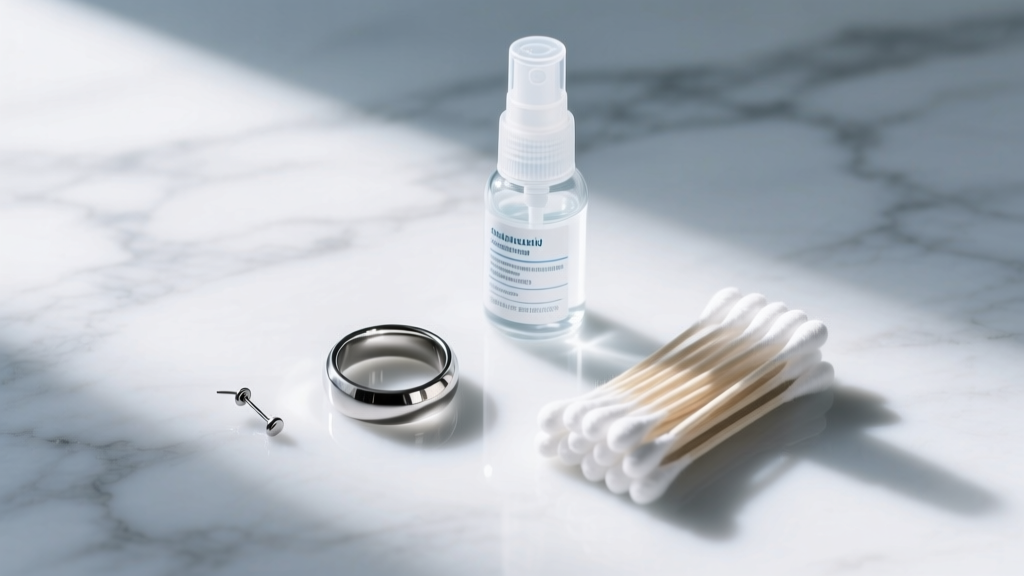
- Sterile Saline Wound Wash: $10 - $15 per can (lasts about a month). Budget $120 annually.
- Non-Woven Gauze: $5 - $10 for a pack. Avoid cotton balls, which shed fibers that can wrap around the jewelry post and cause infections.
- Downsizing Fees: If you started with longer posts to accommodate swelling, you may need to pay a $15 studio fee to swap to shorter posts before the orbital ring can be inserted.
Sleeping and Snagging: Protecting Your Investment
The greatest threat to the value of an orbital piercing is physical trauma. Because a hoop connects two points, snagging the bottom of the ring yanks both piercings simultaneously. Investing $25 in a specialized travel pillow with a hole in the center (often called a piercing pillow) is a non-negotiable budget item for side-sleepers. This single purchase prevents months of setbacks and saves you from having to restart the healing clock.
Final Verdict: Are Orbital Earrings Worth the Investment?
From a purely financial standpoint, orbital earrings are a premium body modification. The combination of multiple piercing sessions, high-grade titanium or solid gold jewelry, and a year-long aftercare regimen pushes the total cost well past that of standard earlobe setups.
However, from a stylistic and longevity perspective, the value is undeniable. A perfectly aligned, well-healed orbital hoop creates a seamless, architectural flow across the ear that standalone studs or standard hoops cannot replicate. By budgeting for a staged approach, insisting on ASTM F-136 titanium, and respecting the precise geometry of your ear's anatomy, your orbital earrings will serve as a permanent, high-value addition to your personal aesthetic.


