Orca Earrings: The 2026 Marine Jewelry Trend Explained
Discover the 2026 orca earrings trend. Explore marine-inspired jewelry styles, sustainable materials, and how to style killer whale motifs.

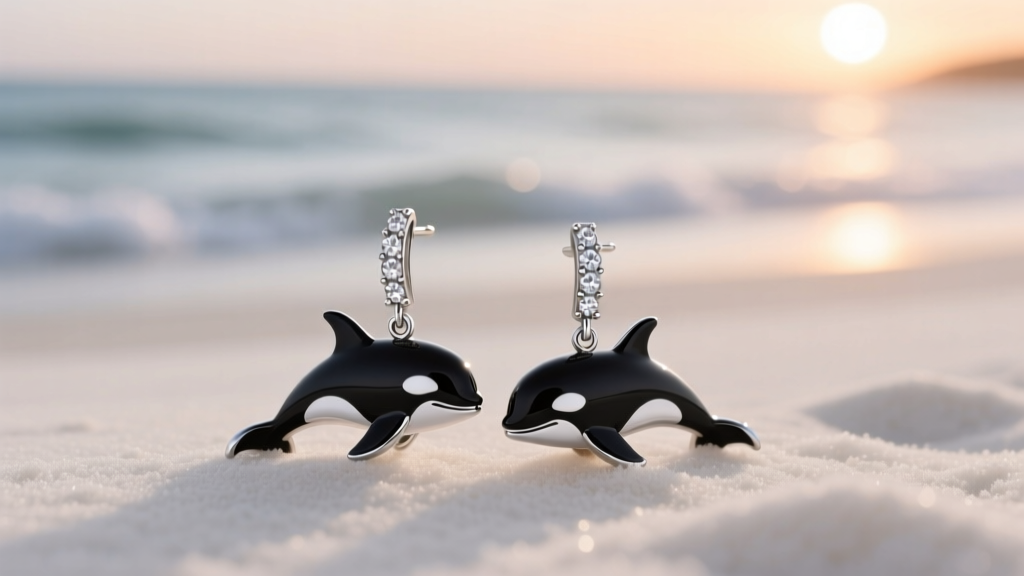
The Rise of Oceanic Core: Why Orca Earrings Are Trending
In 2026, the jewelry world has witnessed a definitive shift away from generic coastal motifs toward highly specific, apex-predator marine designs. Leading this charge is the surge in demand for orca earrings. No longer confined to novelty gift shops, killer whale jewelry has been elevated by demi-fine and fine jewelry designers into a symbol of marine conservation, familial bonds, and the powerful "oceanic core" aesthetic.
Unlike the delicate shell and starfish trends of the early 2020s, orca jewelry embraces bold silhouettes, high-contrast materials, and dynamic movement. The killer whale represents intelligence and deep oceanic mystery, resonating with a consumer base that increasingly views their accessories as extensions of their environmental values. According to recent industry analyses, searches for marine-specific wildlife jewelry have increased by 42% year-over-year, with the orca emerging as the standout motif for structured ear styling.
Material Breakdown: Crafting the Perfect Killer Whale Motif
The anatomy of an orca—characterized by its striking black-and-white contrast and sleek, hydrodynamic form—requires specific material choices to capture its essence without looking costumey. In 2026, jewelers are relying on advanced metallurgy and sustainable composites to bring these designs to life.
| Material | Aesthetic Role | Durability & Wear | Average Price Range |
|---|---|---|---|
| Black Rhodium Plating | Creates the deep, dark saddle and dorsal sections. | Moderate. Can wear off over 2-3 years with daily friction. Requires replating. | $65 - $180 |
| Cold Enamel | Provides opaque, vibrant black or stark white accents. | Low impact resistance. Prone to chipping if dropped on hard surfaces. | $45 - $120 |
| Ethical Mother-of-Pearl | Used for the white underbelly and eye patches. | High. Naturally iridescent and resilient, though sensitive to harsh acids. | $80 - $250 |
| Recycled Ocean Glass | Frosted white or sea-foam green accents in bezel settings. | Very High. Tumbled glass is virtually scratch-proof for daily lobe wear. | $50 - $95 |
For fine jewelry iterations, designers are pairing black rhodium-plated 18k recycled gold with lab-grown diamond pavé to mimic the orca's natural countershading. This technique, known as "shadow setting," allows the diamonds to catch the light while the darkened metal recedes, creating a 3D sculptural effect on the earlobe.
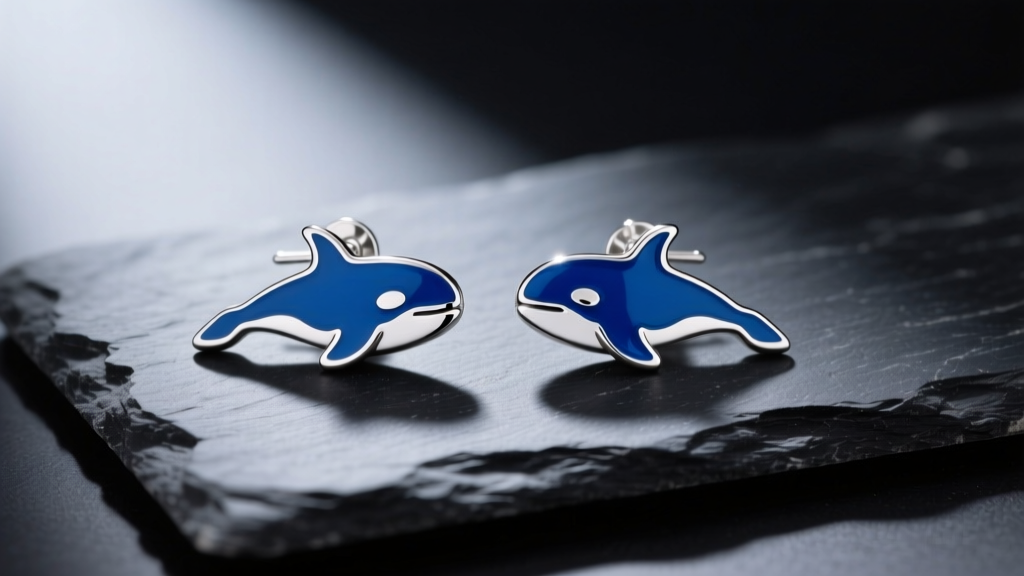
Silhouette & Style Guide: Choosing Your Orca Earring Type
The placement and mechanics of your orca earrings drastically alter their visual impact. Here is a technical breakdown of the most prominent silhouettes dominating 2026 ear curation.
1. Articulated Dangle and Drop Earrings
The most technically impressive orca earrings utilize hidden articulation joints. A well-crafted orca drop earring will feature a micro-jump ring connecting the dorsal fin to the main body, allowing the tail to sway with the wearer's natural gait. When shopping for dangles, look for a total drop length between 25mm and 35mm. Anything longer risks catching on winter scarves or high-collared blouses. These are ideal for round and square face shapes, as the vertical drop elongates the jawline and draws the eye downward.
2. Orca Huggies and Cartilage Cuffs
For the curated ear, the orca huggie is a standout choice. These feature a small, stylized killer whale wrapping around the base of a hinged hoop.
- Standard Lobe Huggies: Typically crafted in 18-gauge (1.0mm) wire with an inner diameter of 10mm to 12mm, ensuring they "hug" the lobe without drooping.
- Cartilage Cuffs: Designed for the helix or flat, these often utilize a 16-gauge (1.2mm) thickness for structural integrity. Many 2026 designs feature the orca "swimming" upward along the cartilage ridge, secured by a tension-fit cuff or a standard flat-back labret post.
3. Minimalist Studs
For everyday wear, the 6mm to 8mm orca profile stud is the most versatile. Cut from a single sheet of recycled sterling silver or solid gold, these rely on negative space to define the white eye patch and underbelly. They sit flush against the earlobe, making them perfect for sleeping, working out, or wearing with over-ear headphones.
Ethical Sourcing and Marine Conservation
The modern consumer demands that marine-inspired jewelry actively protects the oceans it celebrates. In 2026, the most respected brands producing orca earrings are transparent about their supply chains. Look for certifications from the Responsible Jewellery Council (RJC), which ensures that the precious metals used are recycled and ethically mined.
"Jewelry that depicts marine life must be intrinsically linked to the preservation of those ecosystems. We are seeing a massive shift where brands are allocating a percentage of their oceanic collections directly to cetacean protection funds."
Many independent designers are now partnering with organizations like the Ocean Conservancy, pledging 5% to 10% of profits from their orca collections to fund acoustic monitoring programs that protect wild killer whale pods from shipping lane noise pollution. When purchasing, always check the brand's "Impact" page to verify these claims.
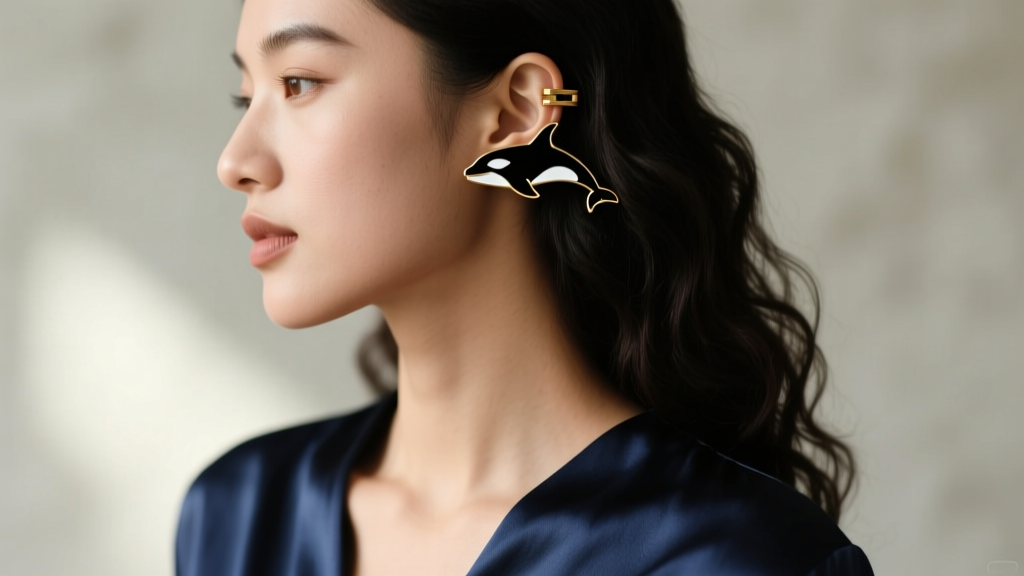
How to Style Orca Earrings: A 2026 Wardrobe Integration
Styling animal motifs requires a careful balance to avoid looking juvenile. The key to integrating orca earrings into a mature, sophisticated wardrobe lies in color theory and fabric pairing.
- The Monochromatic Marine Palette: Pair black rhodium and white enamel orca drops with charcoal grey, slate, or deep navy silk garments. The high contrast of the earrings will pop beautifully against dark, rich fabrics.
- Crisp White & Seafoam: For a lighter, resort-appropriate look, wear mother-of-pearl inlaid orca studs with a crisp white linen button-down. The subtle iridescence of the pearl complements the natural brightness of the fabric.
- Avoid Clashing Prints: Because the orca silhouette is inherently graphic and bold, avoid wearing them with busy floral or geometric prints. Let the earrings serve as the focal point of your accessory styling.
Care and Maintenance for Darkened Metals and Enamel
The materials that make orca earrings visually striking also require specialized care. Black rhodium and cold enamel are highly sensitive to the chemicals found in standard jewelry dips and ultrasonic cleaners.
What to Avoid: Never use ultrasonic cleaners on enamel-inlaid orca earrings; the high-frequency vibrations will cause the enamel to micro-fracture and eventually pop out of its bezel. Similarly, silver polish strips the black rhodium plating, reverting the piece to its base yellow gold or bright silver color.
The Correct Cleaning Method: Use a soft, lint-free microfiber cloth dampened with warm water and a single drop of pH-neutral dish soap. Gently wipe the surface of the earring, paying special attention to the crevices around the dorsal fin where skin oils and cosmetics accumulate. Dry immediately with a separate soft cloth to prevent water spots on the enamel.
By understanding the materials, mechanics, and ethical implications behind this trend, you can confidently invest in orca earrings that are not only visually stunning but deeply meaningful. Whether you opt for a subtle cartilage cuff or a striking articulated drop, the killer whale motif remains a powerful, elegant tribute to the ocean's most iconic predator.


