Beginner Guide to Paw Print Earrings: Metals & Sizing
Discover everything beginners need to know about paw print earrings, from hypoallergenic metal grades and gauge sizes to styling tips for sensitive ears.

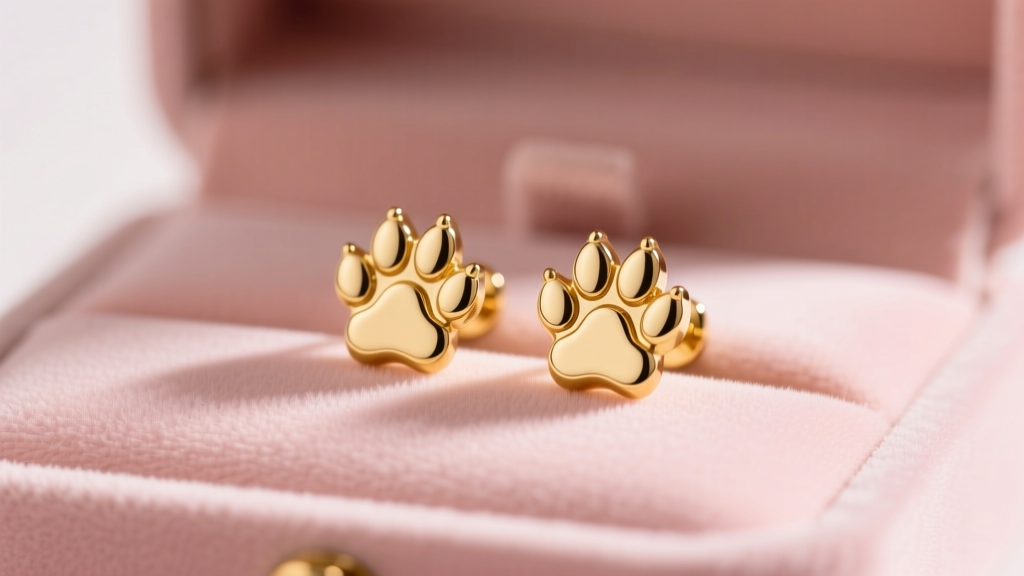
The Hidden Complexities of Pet-Themed Jewelry
For pet lovers, paw print earrings are more than just an accessory; they are a subtle, everyday tribute to furry companions. However, beginners shopping for animal-themed jewelry often fall into the trap of prioritizing cute designs over structural integrity and material safety. The novelty jewelry market is flooded with poorly crafted pieces that can lead to contact dermatitis, localized infections, and stretched piercing holes.
As a beginner, navigating the metallurgical and anatomical requirements of ear piercings can feel overwhelming. This comprehensive guide breaks down the exact material grades, gauge measurements, and structural components you need to look for when purchasing high-quality paw print earrings. Whether you are shopping for standard lobe studs or cartilage huggies, understanding these technical details will ensure your jewelry is as safe and comfortable as it is meaningful.
Decoding the Hypoallergenic Hierarchy
The most critical factor in choosing any earring is the metal composition. The term hypoallergenic is largely unregulated in the jewelry industry, meaning manufacturers can legally use it on items that still contain trace allergens. To protect your ears, you must look for specific metallurgical standards rather than marketing buzzwords.
Implant-Grade Titanium (ASTM F136)
If you have sensitive ears or a known nickel allergy, implant-grade titanium is the gold standard. Specifically, you want titanium that meets the ASTM F136 or F67 standards, which dictate the exact alloy composition used in medical implants. This material is entirely nickel-free, lightweight, and highly resistant to corrosion from bodily fluids. According to the Association of Professional Piercers (APP), implant-grade titanium is the safest choice for both initial piercings and long-term wear in sensitive individuals.
Solid Gold (14k and 18k)
Solid gold is an excellent, luxurious option, but the alloy mix matters. Yellow and rose gold are generally safe, but white gold is frequently alloyed with nickel to achieve its silvery color. Always verify that white gold paw print earrings are alloyed with palladium instead of nickel. Furthermore, avoid gold-plated or gold-filled options for daily wear; once the microscopic outer layer wears away, the base metal (often brass or copper) will react with your skin.
The "Surgical Steel" Trap
Many beginners mistakenly believe that "surgical steel" or "stainless steel" is inherently safe. In reality, 316L stainless steel contains up to 14% nickel. While the nickel is bound within the alloy, the polishing process and exposure to saline (sweat and tears) can cause nickel ions to leach into the skin, triggering allergic reactions. If you must buy steel, ensure it is explicitly labeled as nickel-free, though titanium remains the vastly superior choice.
| Metal Type | Industry Standard | Nickel-Free? | Average Price Range | Best Use Case |
|---|---|---|---|---|
| Implant-Grade Titanium | ASTM F136 / F67 | Yes (100%) | $25 - $60 | Sensitive ears, fresh piercings, daily wear |
| Solid Yellow Gold | 14k or 18k | Yes | $80 - $250+ | Luxury daily wear, heirloom gifts |
| Niobium | Unalloyed Element | Yes (100%) | $20 - $45 | Budget-friendly sensitive ear alternative |
| 316L Stainless Steel | ASTM F138 | No (Contains Nickel) | $10 - $25 | Non-sensitive ears, occasional wear only |
Anatomy of a Perfect Fit: Gauge and Post Length
Beyond the metal, the physical dimensions of the earring post dictate how comfortably it sits in your ear. A poorly sized post can cause pressure necrosis (tissue death from tight backings) or excessive movement that delays healing and irritates the fistula (the piercing tunnel).
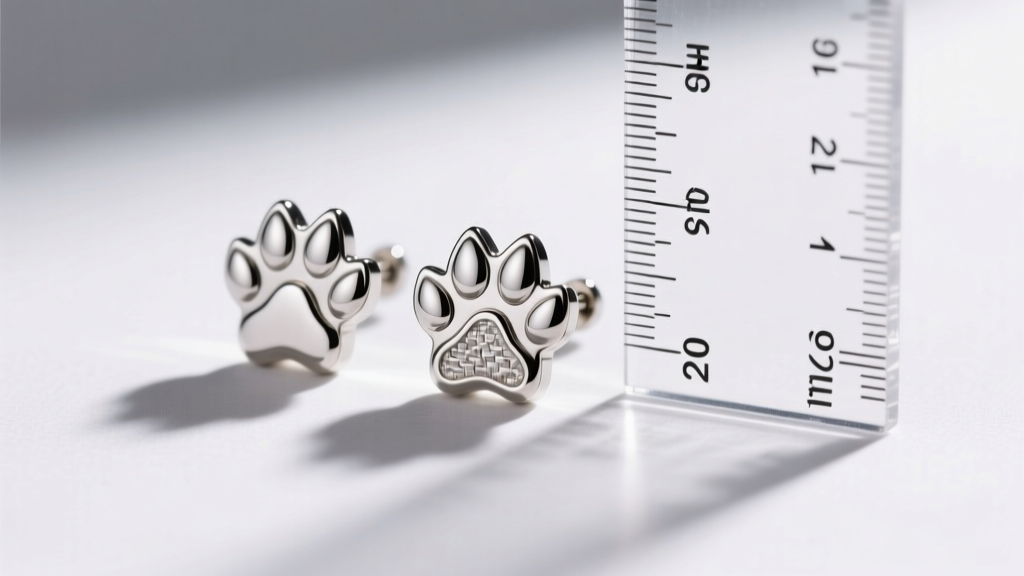
Understanding Gauge Thickness
Gauge refers to the thickness of the earring post. Counterintuitively, the higher the gauge number, the thinner the metal. Most mass-produced mall kiosk earrings use 22-gauge (0.64mm) or 20-gauge (0.81mm) posts. While 20G is standard for basic lobe piercings, it is often too thin for cartilage, leading to the "cheese-cutter effect" where thin metal slowly migrates through the tissue. For cartilage placements like the helix or tragus, opt for 18-gauge (1.02mm) or 16-gauge (1.29mm) paw print studs to ensure structural stability.
Dialing in Post Length
Post length is just as vital as thickness. A post that is too long will snag on hair and clothing, while a post that is too short will embed into the earlobe if swelling occurs.
- Standard Lobes: 6mm (1/4 inch) is the universal standard for healed earlobes.
- Thick Lobes or Helix Cartilage: 8mm (5/16 inch) provides necessary clearance for thicker tissue.
- Tragus or Conch: 6mm to 7mm is typically required, depending on individual anatomy.
Backing Mechanics: Securing Your Paw Prints
The backing mechanism is the unsung hero of earring comfort. The traditional "butterfly" friction back is notorious for trapping dead skin cells, sebum, and bacteria, leading to foul odors and localized infections. Furthermore, the sharp ends of standard posts often poke the side of the neck during sleep.
Expert Insight: Upgrade to flat-back labret studs for your paw print earrings. A flat titanium disc rests flush against the back of the ear, eliminating neck poking and making it incredibly easy to keep the piercing channel clean.
When shopping for flat-back labrets, you will encounter two primary attachment styles for the decorative paw print end:
- Internally Threaded: The screw mechanism is on the decorative end, and the post is smooth. This prevents tissue damage during insertion and is the hallmark of high-end body jewelry.
- Threadless (Press-Fit): The decorative end features a slightly bent pin that creates tension inside the hollow post. This offers a remarkably secure hold that will not vibrate loose over time, making it ideal for active pet owners who are frequently bending down or playing with their animals.
Design Durability: Enamel vs. Gemstone Inlays
Paw print earrings typically feature contrasting details to highlight the toe pads. The method used to create this contrast drastically affects the jewelry's lifespan.
Vitreous Enamel
High-quality pieces use vitreous enamel, which is essentially powdered glass fused to the metal at extremely high temperatures. This creates a durable, scratch-resistant, and waterproof seal. Enamel is ideal for intricate paw print designs because it allows for vibrant, opaque colors without the risk of stones falling out.
Prong-Set Gemstones
If you prefer sparkle, look for prong-set cubic zirconia or lab-grown sapphires. Avoid glued-in stones at all costs. The adhesives used in cheap jewelry degrade rapidly when exposed to sweat, shower steam, and natural skin oils, inevitably resulting in lost gemstones and a ruined earring. Ensure the prongs are thick and securely folded over the girdle of the stone.

Safe Cleaning and Maintenance Routines
Proper maintenance ensures your paw print earrings remain pristine and your piercings stay healthy. The Mayo Clinic emphasizes that keeping the skin barrier intact and free from harsh irritants is the best defense against contact dermatitis and secondary infections.
Never use rubbing alcohol, hydrogen peroxide, or harsh antibacterial soaps on your earrings or piercings. These chemicals destroy the delicate cellular matrix of the healing fistula and can strip the finish off certain metals or damage porous gemstones like opals or pearls if they are incorporated into the paw design.
The Ideal Cleaning Protocol:
- Use a sterile, preservative-free 0.9% sodium chloride saline wound wash.
- Spray the saline directly onto a clean, non-woven gauze pad.
- Gently wipe around the front and back of the earring post to remove sebum buildup.
- For the jewelry itself, remove the earrings once a month and soak them in a small cup of warm water with a drop of mild, fragrance-free castile soap. Use a soft-bristled baby toothbrush to gently clean the crevices of the paw print design, rinse thoroughly, and dry completely before reinserting.
By prioritizing implant-grade materials, precise anatomical sizing, and secure backing mechanisms, you can curate a collection of paw print earrings that are not only a beautiful homage to your pets but also a safe, comfortable, and lifelong addition to your jewelry wardrobe.


