What Is the Pearl Earring Theory? A Value & Budget Guide
Discover what the pearl earring theory is and how to leverage it for maximum perceived value. Compare grades, prices, and styling tips for 2026.

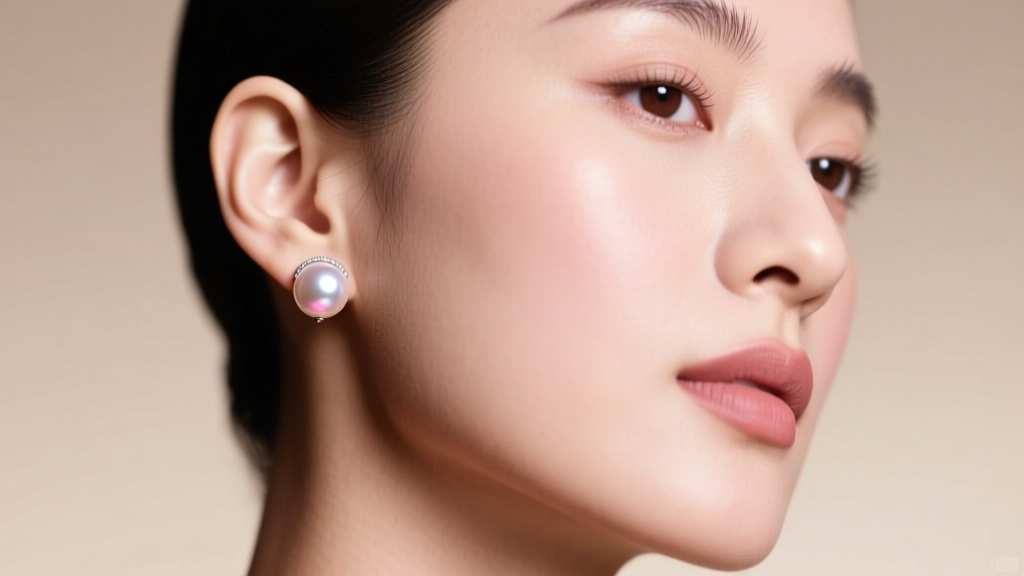
What Is the Pearl Earring Theory?
In the intersecting worlds of behavioral economics and fashion sociology, the Pearl Earring Theory has emerged as a fascinating framework for understanding consumer habits, social signaling, and perceived wealth. If you have been asking, 'what is the pearl earring theory?', you are tapping into a modern evolution of the famous 'lipstick index.' Coined during the early 2000s economic downturns, the lipstick index suggested that consumers would still purchase small, affordable luxury goods (like premium lipstick) even when forgoing larger expenses.
As we navigate the economic and stylistic landscape of 2026, the Pearl Earring Theory applies this exact logic to fine jewelry. The theory posits that a high-quality pair of pearl earrings offers a disproportionately high return on investment (ROI) regarding social signaling. To the untrained observer, a pristine pair of 8mm pearl studs projects the same level of conservatism, elegance, and affluence as a pair of 1-carat diamond studs—yet they cost a fraction of the price. It is the ultimate 'quiet luxury' hack, allowing wearers to maintain an aura of high-status fine jewelry without the crippling capital outlay of precious gemstones.
The Economics of Signaling: Pearls vs. Diamonds
To truly understand the budget and value assessment behind this theory, we must compare the financial reality of pearls against traditional prestige stones like diamonds. Diamonds carry a heavy retail markup and suffer immediate depreciation the moment you leave the store. Pearls, while delicate, operate on a completely different value curve.
| Metric | 1-Carat Diamond Studs (Total) | 8mm AAA Akoya Pearl Studs |
|---|---|---|
| Average Retail Price (2026) | $3,500 - $6,000 | $350 - $700 |
| Perceived Status in Professional Settings | High / Conspicuous | High / Understated Elegance |
| Resale Value Retention | 20% - 40% of retail | 30% - 50% (if certified/maintained) |
| Maintenance Cost | Low (requires occasional prong tightening) | Moderate (requires re-stringing if on wire, careful chemical avoidance) |
| Depreciation Curve | Steep initial drop | Gradual, stabilized by rarity of high-luster harvests |
The theory hinges on the fact that in boardrooms, galas, and high-end social circles, the luster and roundness of a pearl are recognized markers of taste, whereas diamond carat weight is often viewed as a marker of raw spending power. By leveraging the Pearl Earring Theory, budget-conscious buyers can reallocate the $4,000 saved into experiences, investments, or a more robust jewelry wardrobe.
Decoding Pearl Grades for Maximum ROI
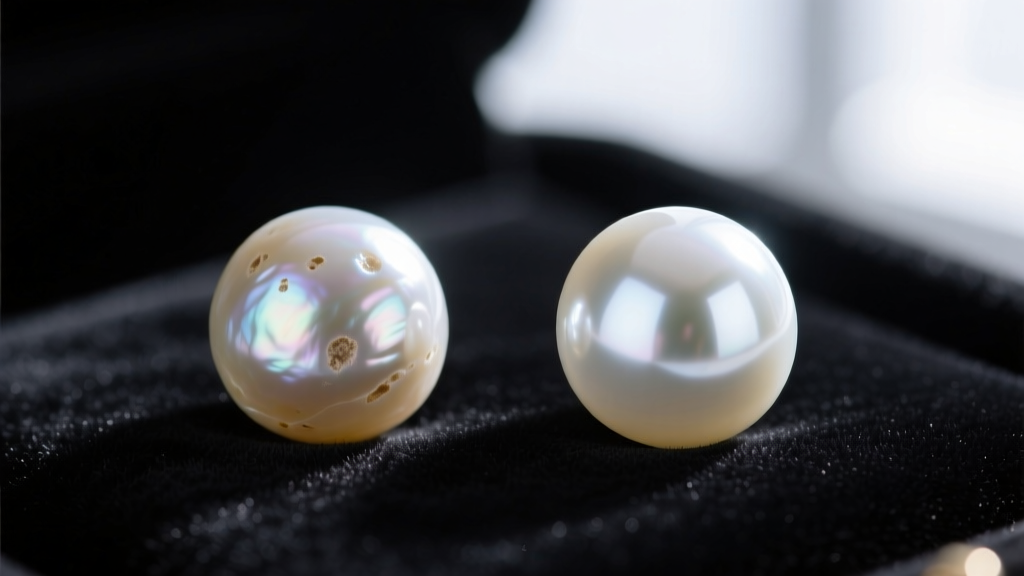
The Pearl Earring Theory completely collapses if you purchase low-grade, chalky pearls. The psychological effect relies entirely on the gem's luster—the sharp, mirror-like reflection of light off the nacre. To maximize your budget, you must understand how pearls are graded and where the hidden value lies.
Unlike diamonds, there is no single, universally mandated grading system for pearls. However, the industry generally relies on the AAA-A system for Akoya and Freshwater pearls, and the A-D system for Tahitian and South Sea pearls. According to the Gemological Institute of America (GIA), luster and surface cleanliness are the primary drivers of value.
The Nacre Thickness Trap
When budget-assessing saltwater pearls (like Akoya), you must inquire about nacre thickness. Akoya pearls are bead-nucleated, meaning a mother-of-pearl bead is inserted into the oyster, and the oyster secretes nacre over it. If harvested too early, the nacre layer might be a mere 0.1mm to 0.2mm thick. These pearls will eventually peel, crack, and lose all value. For a true 'quiet luxury' investment that aligns with the theory, demand a minimum nacre thickness of 0.4mm, or seek out pearls certified as Hanadama by the Pearl Science Laboratory of Japan, which guarantees superior nacre and luster.
The Freshwater Loophole
If your budget is strictly under $200, the theory can still be applied using modern Chinese freshwater pearls. Unlike saltwater pearls, most freshwater pearls are tissue-nucleated, meaning they are solid nacre all the way through. Recent advancements in 'Edison' pearl farming have produced round, metallic-luster freshwater pearls in 8mm to 10mm sizes that can easily fool the untrained eye into thinking they are looking at $2,000 South Sea pearls.
Budget Tiers: Where to Invest and Where to Save
Applying the Pearl Earring Theory requires strategic spending. Here is a practical decision framework for 2026, broken down by budget and pearl type:
- The Entry-Level Illusionist (Under $150): Opt for 8-9mm AAA Round Freshwater pearls set in 14k gold-filled or heavy gold vermeil settings. While the metal isn't solid, the visual weight and high luster of modern freshwater pearls will carry the social signaling required by the theory.
- The Sweet Spot ($300 - $600): This is where the theory shines brightest. Invest in 7.5mm to 8.5mm AA+ or AAA Japanese Akoya pearls with 18k solid gold posts. This tier guarantees mirror luster, a crisp rosé or silver overtone, and lifetime durability.
- The Executive Standard ($1,000 - $2,500): For C-suite professionals or black-tie regulars, 10mm to 12mm White South Sea pearls offer a satiny, deep luster that diamonds simply cannot replicate. The sheer size and rarity of these pearls signal immense, unspoken wealth.
Hardware Matters: Gauge Sizes and Backings
A critical, often overlooked aspect of jewelry value assessment is the hardware. The Pearl Earring Theory fails instantly if your earrings are drooping. A pearl that points toward the floor signals poor quality, bad posture, and cheap manufacturing.
Pearls are surprisingly dense. An 8mm Akoya pearl weighs approximately 0.75 to 1.0 grams, while a 12mm South Sea pearl can exceed 2.5 grams. Standard fashion earring posts are often 22-gauge (0.64mm) or 20-gauge (0.81mm), which is far too thin to support the weight of a pearl without bending.
Always inspect the post gauge when buying pearl studs. For pearls 8mm and larger, insist on an 18-gauge (1.0mm) or even 16-gauge (1.2mm) post. Pair this with a La Pousette (Parisian) locking back or a jumbo friction back with a wide base to distribute the weight evenly against the earlobe.
Furthermore, ensure the post is soldered with a 'cup' setting rather than glued. Over time, body heat and cosmetics will dissolve pearl glue, leading to lost gems. A properly soldered cup and post, combined with a tiny drop of jeweler's epoxy, ensures your investment survives decades of wear.

Troubleshooting: Avoiding the 'Fake' Penalty
The ultimate penalty in the Pearl Earring Theory is being caught wearing plastic or glass imitations. Faux pearls reflect light flatly and lack the deep, inner glow (orient) of genuine nacre. When shopping vintage or on a strict budget, use these real-world troubleshooting steps to verify authenticity:
- The Tooth Test: Gently rub the pearl against the biting edge of your front tooth. A genuine pearl will feel distinctly gritty or sandy due to the microscopic crystalline structure of the nacre. A glass or plastic fake will feel perfectly smooth.
- The Temperature Test: Real pearls are cool to the touch and take a few seconds to warm up against your skin. Plastic beads will immediately feel room temperature, while glass beads will warm up much faster than solid nacre.
- The Drill Hole Inspection: Use a jeweler's loupe to examine the drill hole. Genuine pearls have sharp, clean edges where the hole meets the surface. Faux pearls often show chipped paint, rounded edges, or a visible seam line from the molding process.
For absolute certainty, especially when purchasing high-value South Sea or Tahitian pearls, always request documentation from reputable gemological laboratories. The GIA Pearl Description Report remains the gold standard for verifying species, origin, and treatment status, ensuring your budget is protected against sophisticated synthetic fakes.
Final Verdict: Is the Theory Worth It?
Ultimately, the Pearl Earring Theory is not just an economic observation; it is a highly actionable style strategy. By understanding the nuances of nacre thickness, gauge sizing, and luster grading, you can bypass the exorbitant markups of traditional diamond jewelry. Whether you are leveraging high-end Edison freshwater pearls for under $100 or investing in Hanadama-certified Akoyas, pearls remain the most efficient vehicle for projecting elegance, authority, and quiet luxury in 2026 and beyond.


