Choosing Pearl Earrings Dangling: Expert Buying Guide
Discover how to choose the perfect pearl earrings dangling. Learn about nacre thickness, luster grades, pearl types, and secure backing mechanisms.
The Kinetic Elegance of Dangling Pearl Earrings
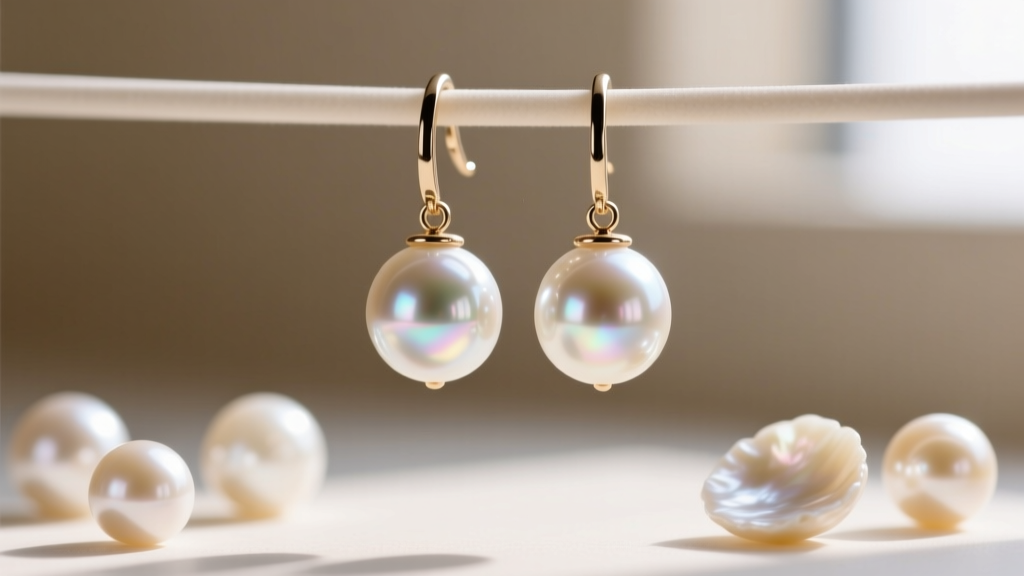
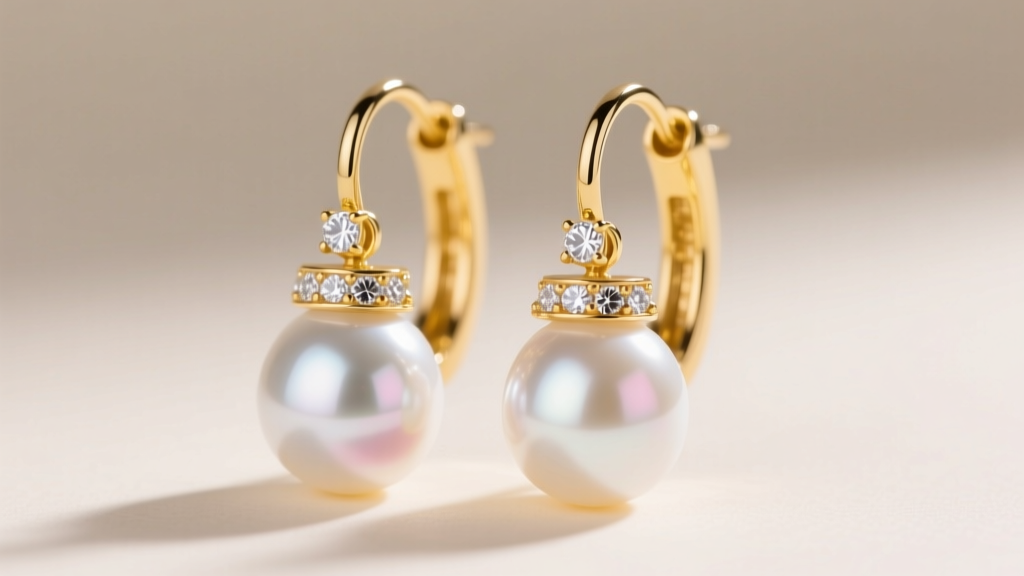
When investing in pearl earrings dangling, you are not just buying a gemstone; you are purchasing kinetic art. Unlike static studs, dangling designs rely on movement to catch the light, drawing attention to the jawline and neck. However, this constant motion introduces unique structural and material challenges that most standard jewelry guides overlook. The swinging momentum of a dangle can stress earring posts, weaken wire-wrapping, and increase the risk of nacre chipping upon impact.
This comprehensive buying guide deconstructs the anatomy of high-quality dangles. We will explore the specific pearl varieties best suited for suspended settings, the critical hardware mechanics required to support heavier gems, and the exact grading metrics you must demand from jewelers in 2026.
Decoding Pearl Types for Suspended Settings
Not all pearls possess the structural integrity or visual weight required for dangling silhouettes. The gemstone's origin dictates its nacre thickness, luster profile, and durability against the inevitable bumps that come with wearing long earrings.
Akoya vs. Freshwater vs. South Sea vs. Tahitian
Akoya pearls are celebrated for their sharp, mirror-like luster, making them exceptional for delicate, intricate chandelier dangles. However, because they are bead-nucleated with relatively thin nacre (typically 0.2mm to 0.5mm), they are more susceptible to chipping if the earring swings and strikes a hard surface. Conversely, high-quality freshwater pearls are solid nacre, offering superior impact resistance for longer, more dramatic drops, albeit with a softer, satiny luster.
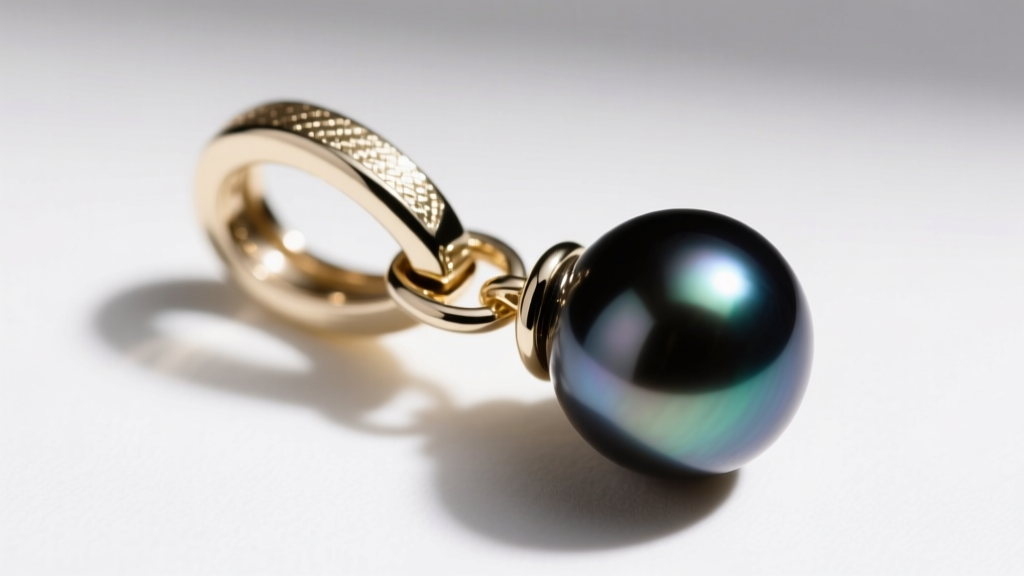
For statement pieces, South Sea and Tahitian pearls are the undisputed champions. Their massive size and thick nacre (often exceeding 2.0mm) provide a luxurious, heavy drape that moves with deliberate elegance.
| Pearl Variety | Average Size | Nacre Thickness | Luster Profile | Ideal Dangle Style |
|---|---|---|---|---|
| Akoya | 6.0mm - 8.5mm | 0.2mm - 0.5mm | Sharp, Mirror-like | Delicate chains, diamond-accented drops |
| Freshwater | 7.0mm - 12.0mm | Solid Nacre | Soft, Satiny, Baroque | Long linear drops, bohemian clusters |
| White South Sea | 10.0mm - 15.0mm | 2.0mm - 4.0mm | Deep, Satiny Glow | Heavy single-drop leverbacks |
| Tahitian | 9.0mm - 14.0mm | 1.5mm - 3.0mm | Metallic, Peacock Overtone | Geometric drops, modern architectural dangles |
Evaluating Luster, Nacre, and Surface Quality
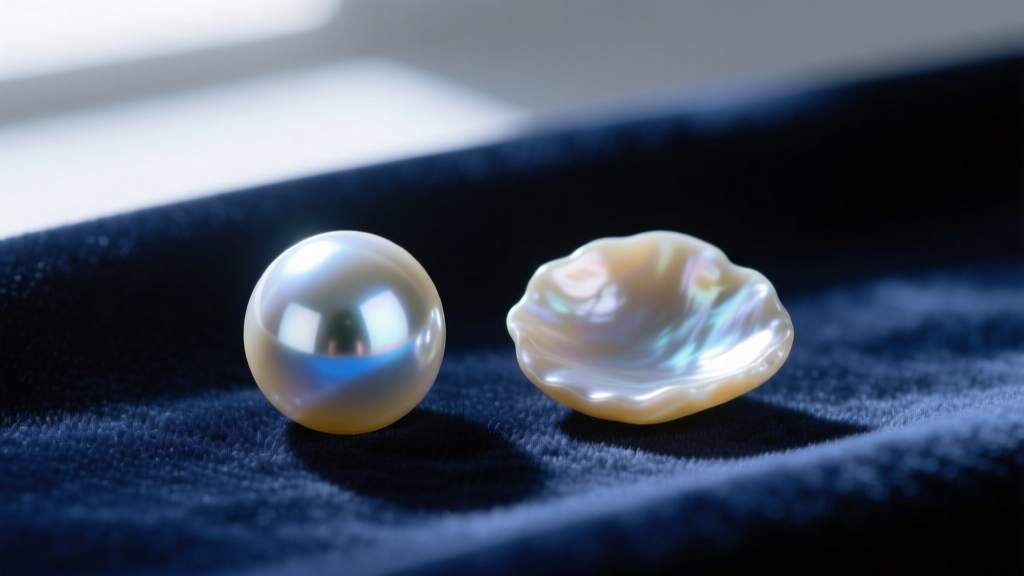
When evaluating pearl earrings dangling, the interplay of light and motion means that luster is your most critical value factor. According to the Gemological Institute of America (GIA), luster refers to the sharpness and intensity of light reflected from the pearl's surface and its underlying nacre layers.
- Excellent Luster: Reflections are sharp, distinct, and bright. The pearl appears almost metallic. This is mandatory for Akoya dangles.
- Very Good Luster: Reflections are bright but slightly softer at the edges. Acceptable for South Sea and Tahitian dangles where a satiny glow is preferred.
- Poor Luster: Reflections are dim, chalky, or diffused. Avoid these entirely, as the kinetic movement of a dangle will only highlight the lack of brilliance.
Surface quality is equally vital. Because dangling earrings swing outward, blemishes on the outward-facing hemisphere are highly visible. Look for stones graded 'Clean' or 'Very Slightly Blemished'. Avoid heavily spotted pearls, as the drill holes required for dangle settings can cause structurally compromised, blemished pearls to crack under the stress of wire-wrapping.
Hardware Mechanics: The Backbone of Dangles
The most common failure point in pearl earrings dangling is not the pearl itself, but the hardware. The physics of a suspended weight requires specialized engineering to prevent earlobe drooping and accidental loss.
Post Gauge and Center of Gravity
Standard lobe piercings accommodate 20-gauge (0.81mm) or 18-gauge (1.02mm) posts. However, if you are purchasing South Sea or Tahitian dangles weighing over 4 grams each, a 20-gauge post will bend, causing the earring to droop awkwardly and stretch your piercing over time. Always insist on 18-gauge or even 16-gauge (1.29mm) posts for heavyweight pearls. Furthermore, the jeweler must design the 'cap' or 'bell' of the dangle to sit flush against the earlobe, acting as a counterweight to the pearl below.
Securing the Dangle: Backing Systems
Never rely on standard friction push-backs (butterfly backs) for dangling earrings. The downward momentum of a swinging pearl will gradually work the backing loose. The American Gem Society (AGS) emphasizes secure clasps for fine jewelry. For dangles, you should exclusively seek:
- Hinged Leverbacks: The gold standard for dangles. The wire loops through the piercing and snaps securely into a tensioned latch. It supports heavier weights and prevents loss.
- French Wire with Silicone Stoppers: Traditional and elegant, but inherently insecure. If you choose French wire, ensure the jeweler includes high-quality silicone ear nuts to grip the wire tightly.
- Omega Backs: Best reserved for heavy clip-on dangles or hybrid stud-dangles, providing a wide surface area that distributes the pearl's weight across the lobe.
Styling Dangling Pearl Earrings for Face Shapes
The elongated silhouette of dangling pearls offers a unique opportunity to balance and enhance your natural facial structure. Here is a practical framework for selecting the right drop length and volume:
The Proportion Rule: The bottom of the dangling pearl should never align exactly with the widest part of your face, as this draws the eye outward and widens your appearance. Aim for drops that fall either above or below the jawline.
- Round Faces: Opt for long, linear dangles (1.5 inches or longer) featuring smaller pearls or diamond stations. The vertical lines elongate the face and create a slimming effect. Avoid short, chunky teardrops.
- Square Faces: Choose dangles with curved elements, such as round South Sea pearls suspended on delicate chains or pear-shaped baroque freshwater pearls. The soft curves counterbalance a strong, angular jawline.
- Heart-Shaped Faces: Look for bottom-heavy chandelier styles or teardrop dangles that add visual width and volume near the chin, balancing a narrower lower face.
- Oval Faces: The universal shape. You can confidently wear any style, from architectural geometric drops to classic single-pearl leverbacks.
Price Expectations and Investment Value
Understanding the pricing matrix for pearl earrings dangling protects you from synthetic imitations and overpriced mall-store jewelry. In 2026, expect to pay between $150 and $400 for high-quality 14k gold Akoya or Freshwater dangles. For South Sea and Tahitian varieties set in 18k gold or platinum, the entry point for fine luster and clean surfaces typically begins around $800, easily scaling past $3,500 for matched pairs exceeding 12mm with diamond-accented caps.
Always request a detailed receipt specifying the pearl variety, millimeter size, metal purity (e.g., 14k, 18k, PT950), and any treatments (such as bleaching or dyeing). Authenticity and transparency are the hallmarks of a reputable pearl vendor.
Maintenance and Care for Kinetic Jewelry
Because they swing freely, dangling pearls are exposed to more environmental hazards than studs. Hairspray, perfume, and natural skin oils can quickly degrade the porous nacre, dulling the luster. Always adopt the 'last on, first off' rule: put your pearl dangles on after applying cosmetics, and remove them immediately upon returning home. Wipe the pearls gently with a damp microfiber cloth after each wear to remove acidic oils, and store them flat in a soft pouch to prevent the silk or wire suspension from stretching out of shape.


