Pearl Earrings Theory Meaning: Troubleshooting Style Mismatches
Decode the pearl earrings theory meaning. Learn to troubleshoot styling mismatches, authenticate nacre, and fix hardware issues for perfect wear.

Decoding the Pearl Earrings Theory Meaning
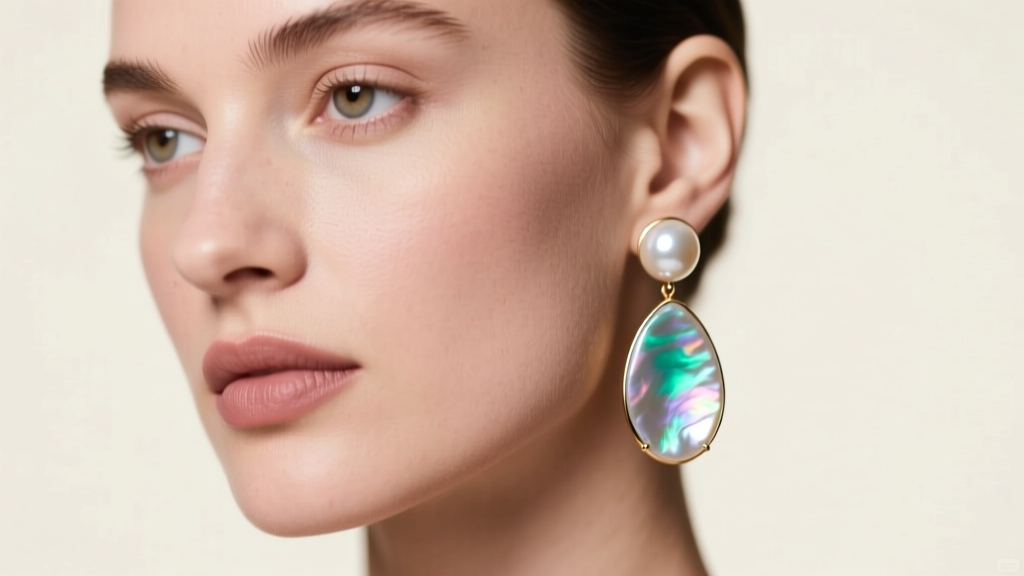
In fashion psychology and stylistic semiotics, the pearl earrings theory meaning refers to the idea that pearls are not merely passive accessories, but active communicators of archetype, maturity, and social signaling. Historically, pearls have projected wealth, purity, and conservatism. However, in contemporary 2026 styling, the theory has evolved. Today, the morphology of the pearl—whether it is a perfectly spherical Akoya, an asymmetrical Baroque, or a dark Tahitian—dictates a completely different psychological narrative.
The core problem? Many wearers blindly adopt pearl earrings without understanding this semiotic theory, leading to severe stylistic mismatches. A pearl that is meant to project 'effortless modern elegance' can easily misfire, projecting 'dated matronly conservatism' or 'costume inauthenticity' if the size, luster, or hardware is incorrect. This guide serves as your definitive troubleshooting manual for aligning the true meaning of your pearl earrings with your intended aesthetic, while solving common material and structural failures.
Troubleshooting the 'Matronly' Misfire: Size and Luster
The most common complaint we see at Jewel Style Radar is the 'aging effect'—when a pearl earring inadvertently adds a decade to the wearer's perceived age. According to the pearl earrings theory, this misfire is almost always a failure of luster-to-size ratio.
The Luster Deficit
Luster is the sharp reflection of light off the nacre layers. High-luster pearls (like premium Japanese Akoyas) project sharpness, youth, and vitality. Low-luster pearls (often found in lower-grade, chalky freshwater harvests) absorb light, projecting dullness and fatigue. If your pearls look 'flat' in natural daylight, the stylistic meaning shifts from 'classic' to 'tired.' Troubleshooting fix: Upgrade to high-grade Hanadama-certified Akoyas or metallic freshwater pearls, which possess mirror-like luster that reflects light dynamically against the jawline.
The Size-to-Archetype Matrix
Wearing a 12mm South Sea pearl stud when your personal style leans minimalist creates a visual disconnect. The pearl overpowers the face, shifting the meaning from 'refined' to 'ostentatious.' Use the matrix below to troubleshoot your size selection:
| Pearl Size | Primary Type | Theory Meaning / Archetype | Avg. Price Range (Studs) |
|---|---|---|---|
| 4.0 - 5.5mm | Akoya / Seed | Delicate, youthful, minimalist layering | $80 - $150 |
| 6.0 - 7.5mm | Akoya / Freshwater | Classic professional, understated elegance | $150 - $350 |
| 8.0 - 9.5mm | Akoya / Tahitian | Bold authority, evening glamour, modern edge | $400 - $900 |
| 10.0mm+ | South Sea | High status, luxury, mature confidence | $1,200 - $4,000+ |
Solving Face Shape and Asymmetry Clashes
The pearl earrings theory meaning also extends to facial geometry. Perfectly round, bright white studs reflect light directly outward, which can widen a round or square face shape.
Troubleshooting Width and Elongation
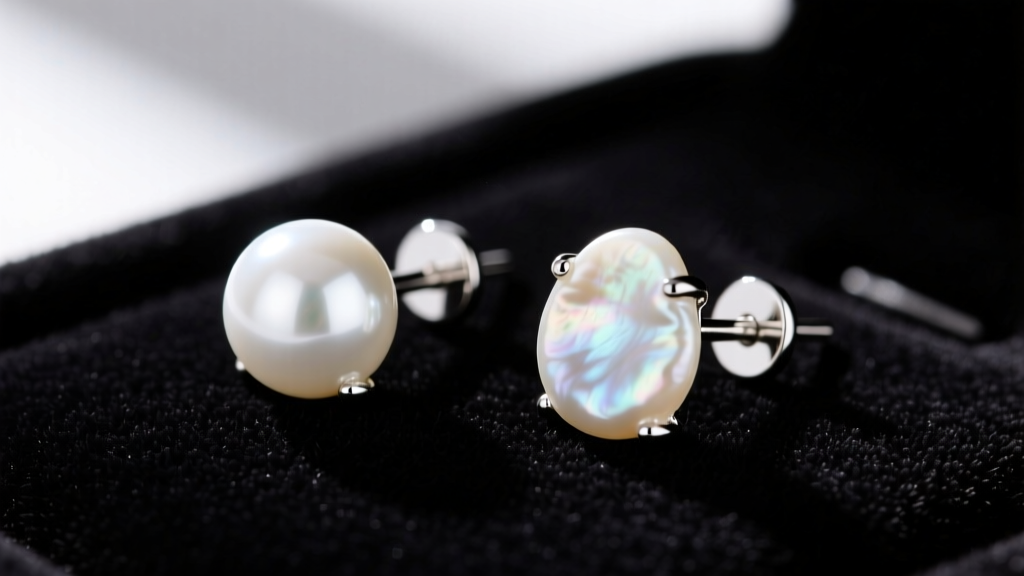
If your goal is to elongate the face, perfectly round studs are the wrong tool. The Fix: Opt for Baroque or Keshi pearl drops. Their irregular, asymmetrical shapes create vertical lines and diffuse light in multiple directions, softening sharp jawlines and elongating round faces. Furthermore, mixing a Baroque drop on one ear with a small, flush-set pearl stud on the other embraces the modern 'curated ear' theory, shifting the meaning from 'traditional' to 'avant-garde.'
Material Troubleshooting: Real Nacre vs. Faux Illusions
Nothing destroys the stylistic integrity of the pearl earrings theory faster than wearing faux pearls that fail the authenticity test. The human eye is remarkably adept at spotting the 'plasticky' sheen of coated glass beads, which immediately downgrades your perceived style authority.
The Tooth Test and Magnification
According to the GIA Pearl Identification Guide, genuine nacre is composed of microscopic aragonite platelets. When you gently rub a real pearl against the biting edge of your front teeth, it should feel distinctly gritty or sandy. Faux pearls (like Majorica, which are glass beads coated with guanine scales) will feel perfectly smooth.
Troubleshooting Coated Glass and Shell Beads
If you inherit or purchase pearls and suspect they are fakes, look for these failure modes:
- Peeling Coatings: Inspect the drill hole under a 10x jeweler's loupe. If you see a glossy layer flaking off a dull or glassy core, they are coated fakes.
- Specific Gravity Mismatches: Real pearls have a specific gravity of 2.60 to 2.85. Glass beads are significantly heavier, while plastic beads are unnaturally light. If your 8mm studs feel disproportionately heavy on your lobes, you are likely wearing glass.
- The 'Too Perfect' Syndrome: A strand of pearls where every single sphere is mathematically identical in size, shape, and overtone is almost certainly factory-made. Natural and cultured pearls always exhibit microscopic variations.
Hardware Failures: The Hidden Culprit of Discomfort
You can have the most meaningful, perfectly matched Tahitian pearls in the world, but if the hardware fails, the earrings will sit in your jewelry box. The intersection of pearl weight and post gauge is a massive troubleshooting blind spot for consumers.
Gauge Sizing and Metal Allergies
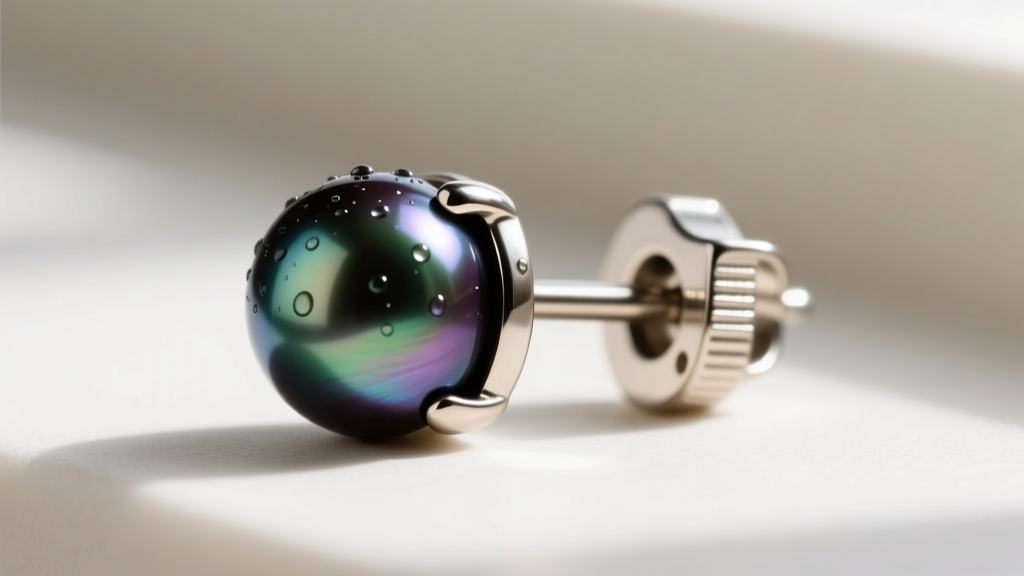
Many commercial pearl studs are manufactured with ultra-thin 22-gauge (0.64mm) or 20-gauge (0.81mm) posts to save on precious metal costs. When paired with a heavy 9mm South Sea or Tahitian pearl, these thin posts bend under the weight, causing the earring to droop forward and the friction back to dig painfully into the rear of the earlobe.
The Troubleshooting Protocol:
- For Pearls 8mm and Larger: Demand an 18-gauge (1.02mm) post. This thickness provides the structural rigidity needed to keep the pearl sitting flush and upright against the lobe.
- Contact Dermatitis: Cheap pearl settings often use nickel-plated brass. As the plating wears off, nickel exposure causes severe allergic reactions. Always verify that the post is crafted from 14k/18k solid gold, platinum, or ASTM F136 implant-grade titanium. The Gemological Institute of America (GIA) notes that high-end pearl settings prioritize hypoallergenic metals to protect the piercing tract.
- Friction Back vs. Screw Back: For heavy, high-value pearls, standard push-backs (butterfly clasps) are a liability; they can slip off, leading to catastrophic loss. Upgrade to screw-backs or secure silicone O-rings to lock heavy nacre safely in place.
Final Verdict: Aligning Meaning with Reality
'The true meaning of a pearl earring isn't just in its origin, but in how it interacts with the wearer's light, geometry, and lifestyle. Troubleshooting the hardware and luster is just as vital as selecting the style.'
— Senior Gemologist & Stylist, Jewel Style Radar
Mastering the pearl earrings theory meaning requires moving beyond the basic assumption that 'pearls equal elegance.' It demands a critical eye for luster depth, an understanding of facial geometry, and a strict adherence to structural hardware standards. By troubleshooting these common pitfalls—upgrading to 18-gauge titanium posts, rejecting chalky low-luster harvests, and verifying nacre authenticity—you ensure that your earrings project the exact archetype you intend, with zero compromise on comfort or quality.


