Pearl Hoop Earrings Gold: 2026 Budget & Value Guide
Assess the true cost of pearl hoop earrings gold styles in 2026. We compare gold purity, pearl grades, and hardware to help you maximize your budget.

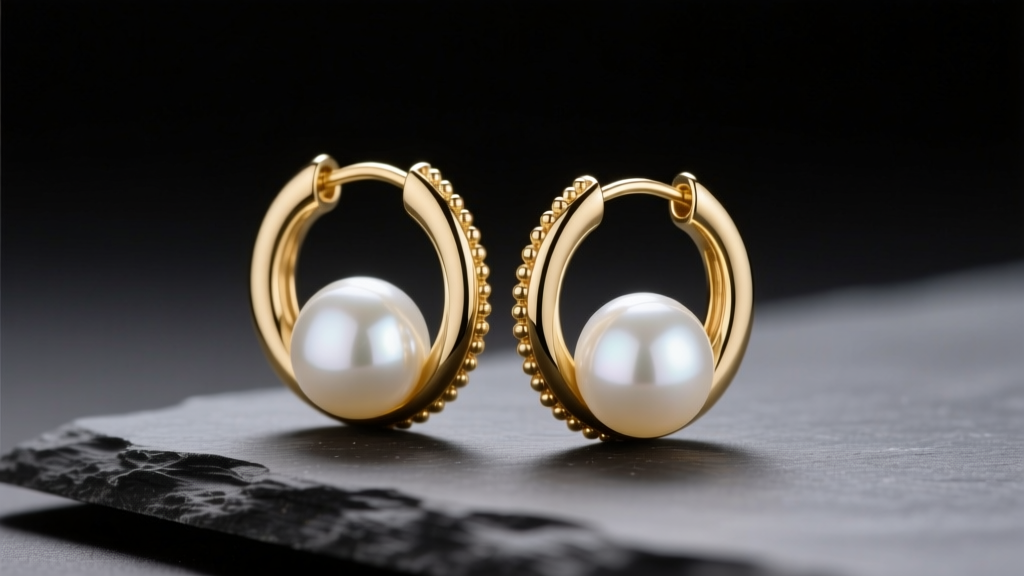
The search for the perfect pearl hoop earrings gold combination often leads buyers into a maze of misleading marketing and confusing price tags. In 2026, the market is saturated with options ranging from $20 fast-fashion finds to $800 fine jewelry pieces. But how do you accurately assess the value? As a jewelry analyst, I break down the exact metallurgy, pearl grading metrics, and hardware mechanics that dictate the true cost and longevity of your earrings.
The Anatomy of Value: Gold Purity vs. Plating
When evaluating gold pearl hoops, the base metal and gold application method account for roughly 60% of the price variance. Understanding these tiers is critical for budget assessment.
Solid 14k and 18k Gold
Solid gold hoops are an investment in longevity. 14k gold (58.5% pure gold) offers the ideal balance of rich color and structural integrity, resisting bending better than softer 18k (75% pure gold). Expect to pay between $250 and $600 for small-to-medium solid gold hoops with genuine pearls. The value here lies in the intrinsic metal weight and the fact that it will never tarnish or wear through to a base metal.
Gold Vermeil vs. Gold-Filled
For mid-tier budgets ($80–$180), you will encounter vermeil and gold-filled options. By FTC guidelines, gold vermeil must be a minimum of 2.5 microns of gold plated over a sterling silver base. Gold-filled jewelry, conversely, involves mechanically bonding a much thicker layer of gold (at least 1/20th of the total weight) to a brass core. Gold-filled hoops generally outlast vermeil in high-friction areas, but vermeil offers a more hypoallergenic experience due to the silver base.
PVD Coating and Flash Plating
Budget options under $50 typically use PVD (Physical Vapor Deposition) or flash plating over brass or stainless steel. While PVD is highly scratch-resistant, the underlying base metal can trigger contact dermatitis if the coating chips near the earlobe piercing site.
Alloy Composition: Yellow vs. Rose Gold
The color of your gold hoops also impacts value and wearability. 14k yellow gold is alloyed with silver and copper, providing a classic, warm tone that resists tarnishing. 14k rose gold, however, contains a significantly higher copper content (often up to 20-25% of the alloy mix). While visually striking, higher copper ratios can cause localized skin oxidation (greening) for individuals with highly acidic skin pH. If you have sensitive skin, yellow or white gold (alloyed with palladium or nickel-free zinc) offers superior biocompatibility and long-term value.
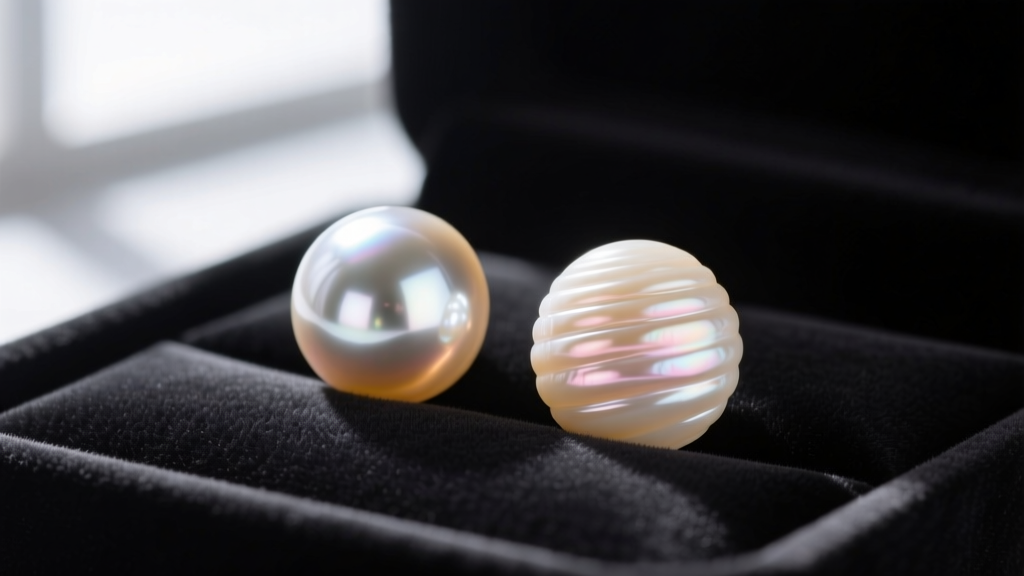
Pearl Grading on a Budget: Freshwater vs. Akoya vs. Imitation
The pearls themselves represent the second major value variable. The term 'pearl' is frequently abused in e-commerce, making it vital to know what you are actually purchasing.
- Freshwater Pearls ($30–$150 add-on value): Modern tissue-nucleated freshwater pearls are composed of solid nacre. According to the Gemological Institute of America (GIA), this solid nacre structure makes them incredibly durable and resistant to chipping. They offer exceptional value, providing a deep, satiny luster at a fraction of the cost of saltwater varieties.
- Akoya Saltwater Pearls ($200–$500+ add-on value): Bead-nucleated with a minimum nacre thickness of 0.4mm for commercial grade (and 0.6mm+ for premium), Akoya pearls deliver a sharp, mirror-like luster. If your budget allows, Akoya pearls on solid gold hoops represent the pinnacle of classic luxury.
- Shell Pearls and Imitations ($5–$20 add-on value): Often marketed as 'simulated' or 'pearlescent,' these are glass or plastic beads coated in crushed fish scale essence (guanine) or synthetic resins. They are perfectly round and blemish-free, but lack the deep optical depth of real nacre and will eventually peel.
2026 Price Tier Breakdown & What You Actually Get
To contextualize your budget, here is a data-driven breakdown of what specific price points yield in the current market for standard 20mm-30mm pearl gold hoops.
| Price Tier | Gold Material | Pearl Type | Expected Lifespan | Value Verdict |
|---|---|---|---|---|
| $20 - $60 | PVD / Flash Plated Brass | Imitation / Shell Pearl | 6 - 18 Months | Poor long-term value; high allergy risk. |
| $70 - $160 | Gold Vermeil / Gold-Filled | AAA Freshwater | 3 - 7 Years | Best budget-to-quality ratio for trend-wear. |
| $250 - $450 | Solid 14k Gold | Premium Freshwater | Lifetime | Excellent heirloom value; hypoallergenic. |
| $600 - $1,200+ | Solid 14k / 18k Gold | AAA Akoya Saltwater | Lifetime | Top-tier luxury; unmatched luster and prestige. |
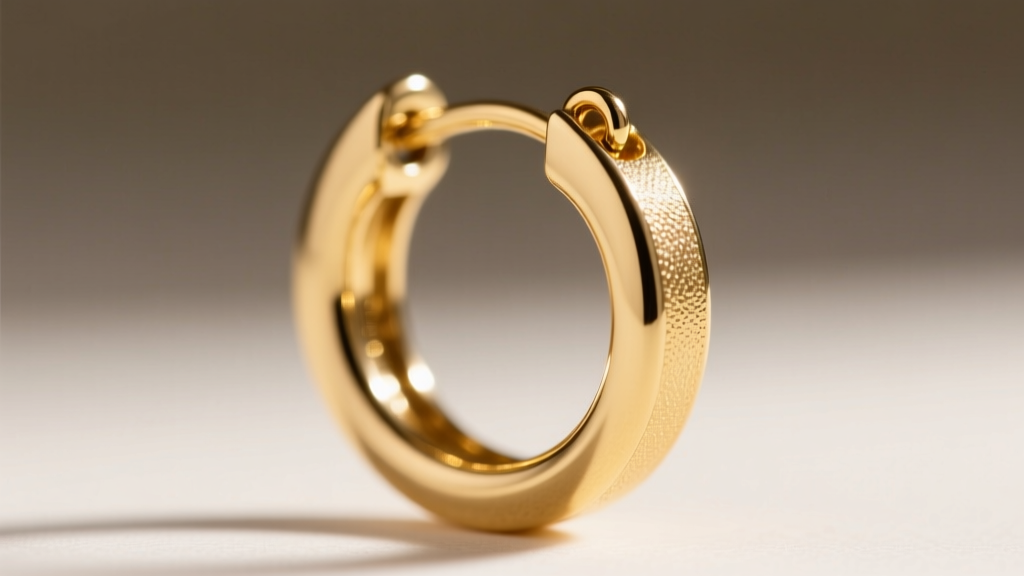
Hardware & Hinge Mechanics: Where Cheap Hoops Fail
A common failure point in budget pearl hoop earrings is the hardware. The structural integrity of the hinge and the gauge of the wire dictate whether the earring will survive daily wear.
Wire Gauge and Piercing Health
Standard lobe piercings accommodate 20-gauge (0.8mm) to 18-gauge (1.0mm) wires. Many budget manufacturers use ultra-thin 22-gauge (0.6mm) wire to save on gold costs. This thin wire easily warps when inserting or removing the earring, eventually leading to metal fatigue and snapping. Always verify the wire gauge; 18-gauge is the optimal standard for durability and piercing comfort.
Hinge and Clasp Engineering
For huggies and medium hoops, the clasp mechanism is vital. 'Clicker' hinges feature a satisfying snap and a secure lock, but require precise CNC machining usually reserved for mid-to-high-tier brands. Cheaper hoops often use a simple 'saddle' clasp or a continuous wire that bends into a hollow tube. The continuous wire method frequently fails as the wire thins out the hollow tube over time, causing the earring to fall out and get lost.
Pearl Mounting Techniques: Pegs vs. Wire-Wrapping
How the pearl is attached to the gold hoop drastically affects the earring's lifespan and repair costs. In budget tiers, pearls are typically 'peg-mounted.' A small gold pin is glued into a drilled hole in the pearl. Over time, exposure to perfumes, sweat, and humidity degrades the cyanoacrylate or epoxy adhesives, causing the pearl to pop off and inevitably get lost. For a true value investment, look for wire-wrapped pearls or bezel-set half-drilled pearls that utilize mechanical friction rather than just chemical adhesives. Wire-wrapping adds to the initial labor cost but eliminates the risk of catastrophic pearl loss.
Hidden Costs: Maintenance and Upkeep
True budget assessment must factor in long-term maintenance. Solid gold and freshwater pearls require minimal upkeep—simply wiping them with a microfiber cloth and occasional washing with mild castile soap. Vermeil hoops, however, may require re-plating every 3 to 5 years if worn daily, a service that typically costs between $40 and $85 at a local jeweler. Imitation pearls cannot be cleaned with ultrasonic machines or harsh chemicals, as the coating will strip instantly, rendering them unwearable. Factor these hidden lifecycle costs into your initial purchasing decision.
Final Verdict: Maximizing Your Investment
When shopping for pearl hoop earrings gold styles, the sweet spot for most buyers lies in the $100 to $300 range. Here, you secure solid 14k gold or heavy gold-vermeil paired with high-grade, solid-nacre freshwater pearls. You avoid the rapid degradation of flash-plated imitations and the steep premium of saltwater Akoya pearls, achieving a luxurious aesthetic with genuine structural longevity. Always scrutinize the clasp mechanics and wire gauge before purchasing to ensure your investment stays securely in place.


