Pikachu Earrings: A Material Guide to Enamel, Silver, and Gold
Compare materials for Pikachu earrings. Discover the pros and cons of enamel, sterling silver, and solid gold for sensitive ears and lasting wear.

The Geek-Chic Metallurgy Problem
The intersection of pop culture and fine jewelry has exploded over the last decade, but the market for character-specific accessories remains a minefield of poor craftsmanship. When shopping for Pikachu earrings, collectors and everyday fans alike often prioritize the visual accuracy of the design over the metallurgical integrity of the piece. The result? A flooded market of cheap, mass-produced novelty jewelry that causes contact dermatitis, tarnishes within weeks, and loses its iconic yellow and red color blocking to everyday friction.
As we navigate the jewelry landscape in 2026, the manufacturing techniques for character earrings have evolved. We now have access to precision UV resin printing, advanced cloisonné techniques, and hypoallergenic casting methods. However, distinguishing between a $12 mystery-metal stud and a $120 heirloom-quality piece requires a deep understanding of base metals, enamel types, and post gauges. This guide breaks down the exact material properties you need to consider before purchasing your next pair of Pikachu earrings.
The Anatomy of Character Earrings: Base vs. Finish
To understand why some Pikachu earrings last a lifetime while others turn your earlobes green, you must separate the base metal from the surface finish. Character earrings rely heavily on color blocking—Pikachu’s bright yellow body, red cheeks, and black-tipped ears. Achieving this requires either enamel inlays, resin drops, or multi-metal casting.
The base metal provides the structural integrity and dictates the hypoallergenic properties of the earring. The most common base metals include:
- Brass/Zinc Alloys: Cheap, easy to cast in high volumes, but highly prone to oxidation and often contains nickel.
- Copper: Excellent for detailed casting and enamel adhesion, but requires heavy plating to prevent skin discoloration.
- 925 Sterling Silver: The industry standard for premium novelty jewelry. Hypoallergenic for most, but prone to sulfur-induced tarnishing if left unsealed.
- Implant-Grade Titanium (ASTM F136): The ultimate choice for sensitive ears, though its high melting point makes intricate casting difficult and expensive.
Material Breakdown: Enamel, Resin, and Precious Metals
1. Soft Enamel and Epoxy Resin (The Mass-Market Standard)
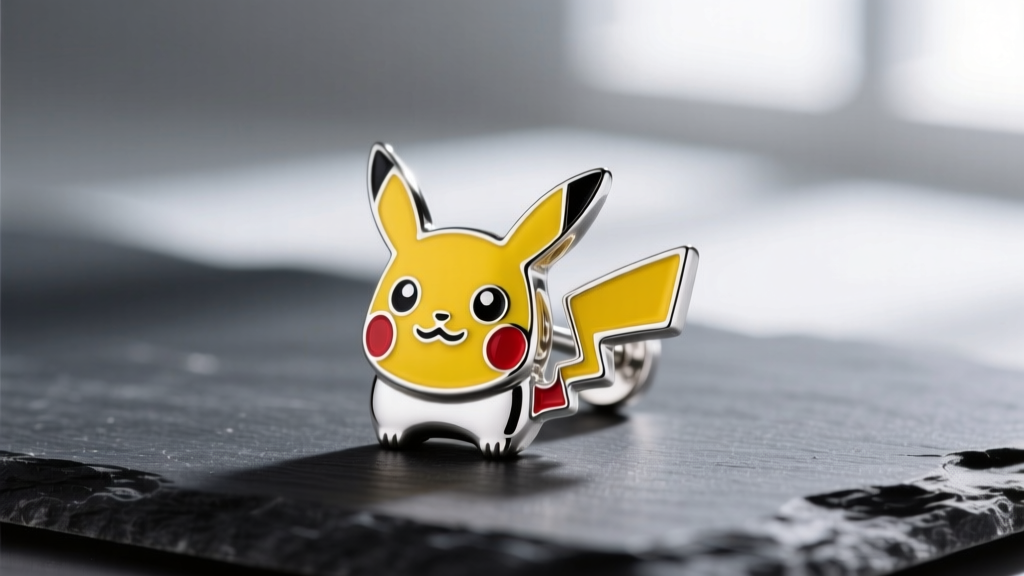
Soft enamel involves stamping a metal mold and filling the recessed areas with colored epoxy resin. The metal lines separating the colors (the 'cloisons') remain raised above the resin. While this creates a distinct, textured look that many fans associate with classic merchandise, the epoxy is highly susceptible to UV degradation and micro-scratches. By 2026, UV-stable epoxies have improved, but soft enamel Pikachu earrings will still lose their glossy sheen after 12 to 18 months of daily wear. These are typically set in brass or copper alloys and plated with a thin layer of gold or silver.
2. Hard Enamel / Cloisonné (The Collector’s Choice)
Hard enamel is a vitreous glass powder that is fired at high temperatures and then polished flat against the metal separators. The result is a completely smooth, flush surface that is incredibly durable and scratch-resistant. A high-quality sterling silver Pikachu earring with hard enamel will retain its vibrant yellow and red hues for decades. The firing process requires a base metal that can withstand extreme heat, which is why 925 sterling silver or solid gold is mandatory for true cloisonné work.
3. Solid 14k and 18k Gold (The Heirloom Approach)
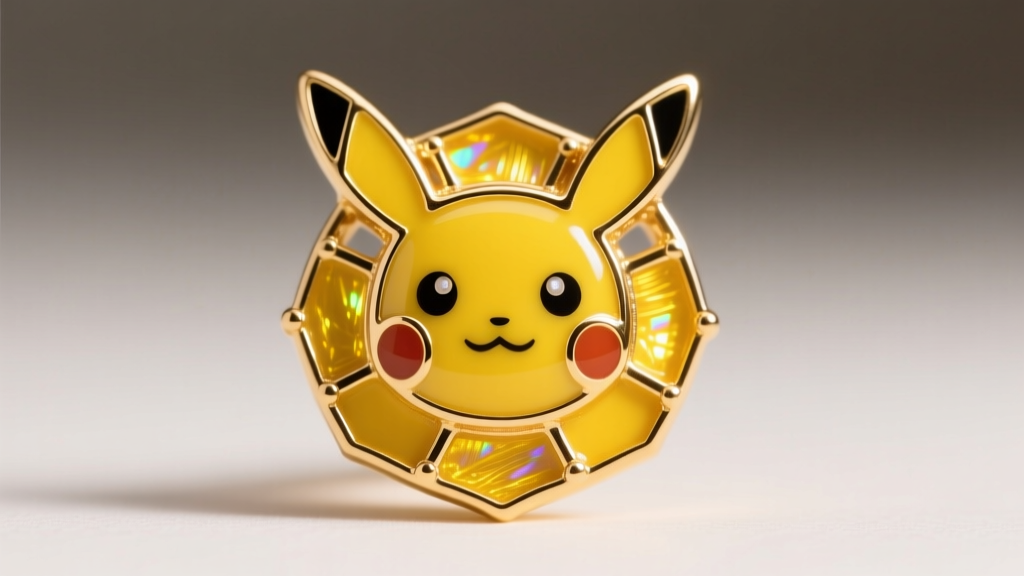
For purists who want to avoid enamel entirely, high-end jewelers craft Pikachu earrings using multi-tone gold casting. The body is cast in polished 18k yellow gold to mimic the character's natural hue, while the iconic red cheeks are either set with micro-pave synthetic rubies or cast in 14k rose gold. The black ear tips are achieved through black rhodium plating or precise laser oxidation. These pieces bypass the chipping and fading issues of enamel entirely, but they command a premium price point, typically ranging from $350 to over $800 depending on the weight and gemstone accents.
4. Laser-Cut Acrylic and UV Printing
Advancements in micro-UV printing have made medical-grade acrylic a viable option for lightweight, oversized Pikachu hoops and dangles. Unlike metal, acrylic won't trigger metal allergies, and the UV ink is sealed beneath a microscopic scratch-resistant coating. However, acrylic lacks the premium weight and light-reflective properties of metal and enamel, making it better suited for statement pieces rather than subtle, everyday studs.
Material Comparison Matrix
Use the following table to evaluate which material profile aligns with your budget, skin sensitivity, and longevity requirements.
| Material Type | Typical Base Metal | Hypoallergenic? | Durability & Finish | Price Range (USD) |
|---|---|---|---|---|
| Soft Enamel | Brass / Zinc Alloy | No | Textured; prone to scratching and UV fading | $8 - $25 |
| Hard Enamel (Cloisonné) | 925 Sterling Silver | Yes | Smooth, flush glass finish; highly durable | $45 - $120 |
| Solid Gold (Multi-tone) | 14k / 18k Gold | Yes | Heirloom quality; no enamel to chip | $350 - $850+ |
| UV Printed Acrylic | Surgical Steel Post | Yes | Lightweight; vibrant but can snap if bent | $15 - $40 |
Navigating Nickel Allergies and 'Mystery Metal' Failures
The most common complaint among buyers of novelty character jewelry is the development of contact dermatitis. According to the American Academy of Dermatology, nickel allergy is one of the most prevalent causes of allergic contact dermatitis, affecting a significant portion of the population. Many mass-market Pikachu earrings are cast from 'pot metal' (a zinc and nickel alloy) and plated with a microscopic layer of gold. Once friction and sweat wear through this plating—often within a few weeks—the nickel leaches into the skin, causing itching, redness, and weeping piercings.
Expert Tip: If you already own a pair of alloy Pikachu earrings that irritate your ears, do not rely on the 'clear nail polish' hack. The solvents in the polish can react with the cheap plating and degrade the enamel. Instead, visit a local piercer and ask them to swap the earring post for an implant-grade titanium replacement using a laser welder, or simply retire the piece to display-only status.
To ensure you are buying safe metals, look for compliance with the EU Nickel Directive (which limits nickel release to 0.5 micrograms per square centimeter per week) or verify that the seller explicitly states the use of 925 sterling silver or ASTM F136 titanium for the earring posts. The London Assay Office provides excellent resources on understanding precious metal hallmarks, ensuring your sterling silver is genuinely 92.5% pure silver and not a silver-plated counterfeit.
Gauge, Weight, and Lobe Mechanics
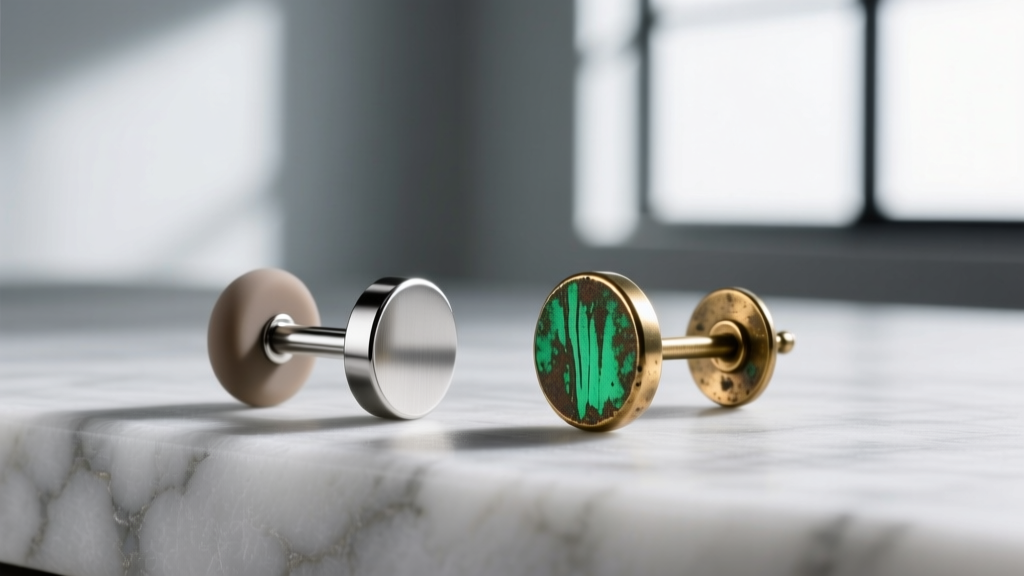
Material is only half the battle; the physical mechanics of the earring dictate how it sits on your earlobe. Pikachu heads, particularly those crafted from dense hard enamel and sterling silver, are surprisingly heavy. A standard 10mm x 12mm hard enamel Pikachu stud can weigh between 2.5 and 3.8 grams.
The Gauge Problem
To cut costs, mass-market manufacturers often use ultra-thin 22-gauge (0.64mm) or 20-gauge (0.81mm) posts for character earrings. When a heavy enamel head is attached to a thin post, the weight distribution causes the earring to droop forward, making the Pikachu look like it is face-planting off your earlobe. Furthermore, thin posts are highly susceptible to bending when inserted into tight or healing piercings.
The Solution: 18-Gauge and Screw Backs
For optimal wear, seek out Pikachu earrings crafted with an 18-gauge (1.02mm) or 19-gauge (0.91mm) post. This thickness provides the rigidity needed to support the weight of the enamel head without bending. Additionally, because of the front-heavy nature of character studs, standard butterfly friction backs often fail, leading to lost earrings. Upgrading to silicone O-rings, secure locking clutch backs, or purchasing styles that feature threaded screw-backs will ensure your jewelry stays securely in place throughout the day.
Final Verdict: Choosing Your Material
If you are buying Pikachu earrings as a temporary fashion statement or for a child's occasional wear, UV-printed acrylic or soft enamel over brass is a budget-friendly entry point. However, for daily wearers, collectors, and those with sensitive skin, 925 sterling silver with hard cloisonné enamel is the undisputed sweet spot. It offers the vibrant, accurate color blocking that fans demand, paired with the structural integrity and hypoallergenic properties required for long-term piercing health. For the ultimate luxury collector, multi-tone solid gold castings provide an heirloom piece that transcends novelty status and enters the realm of fine jewelry.