The Sanare Earring: 2026 Wellness Jewelry Trend Analysis
Discover why the Sanare earring is dominating 2026 wellness jewelry trends. Explore material grades, styling tips, and the intersection of healing and luxury.
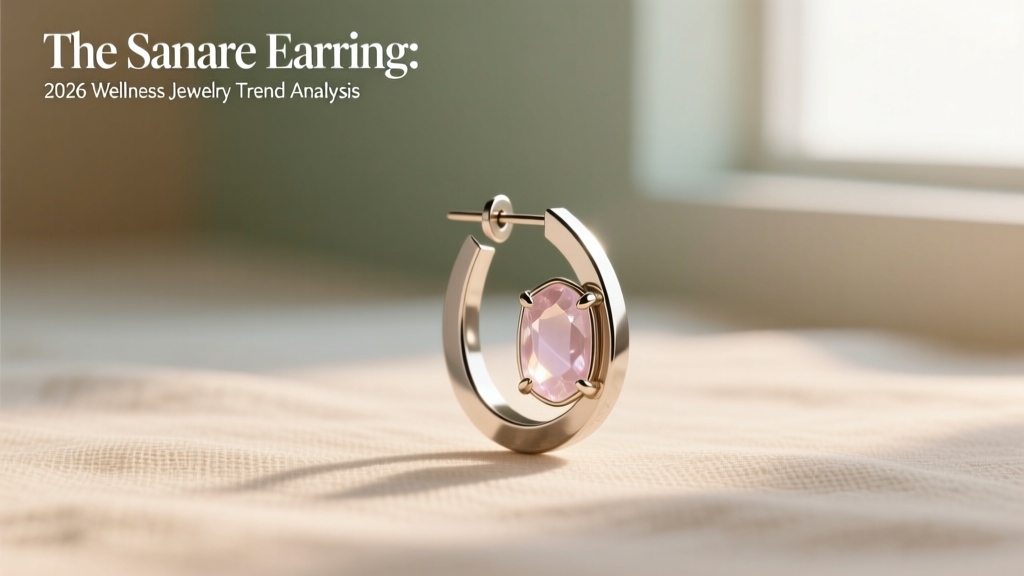
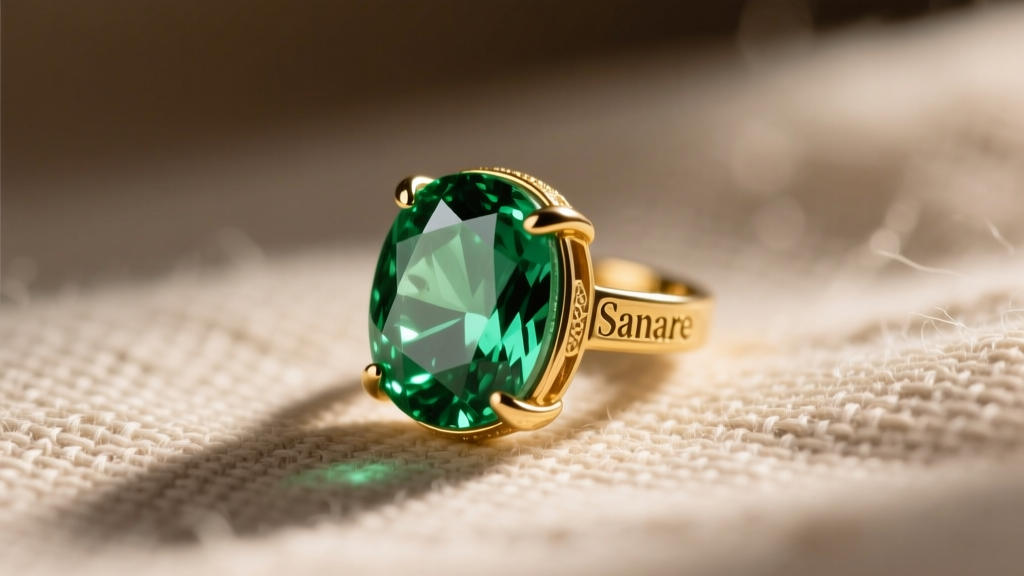
The intersection of fine jewelry and somatic wellness has reached a definitive tipping point in 2026. No longer satisfied with purely aesthetic adornments, modern collectors are seeking pieces that offer a sense of grounding, intentionality, and tactile comfort. At the absolute center of this movement is the Sanare earring—a signature design that has rapidly transitioned from niche artisan circles to mainstream luxury curation. But what exactly makes this specific silhouette the defining ear accessory of the year?
As a senior trend analyst for Jewel Style Radar, I have spent the last decade tracking the evolution of ear curation. The Sanare earring represents a masterclass in bridging the gap between raw, unrefined natural elements and precise, high-end metallurgy. In this comprehensive analysis, we will deconstruct the anatomy of the Sanare earring, evaluate its material integrity, and provide actionable frameworks for integrating it into your personal ear constellation.
The Anatomy of the Sanare Earring: Beyond the Aesthetic
The term "Sanare" (derived from the Latin root for healing) in contemporary jewelry design refers to a specific modular aesthetic characterized by organic, asymmetrical bezel settings that cradle raw, uncut gemstones. Unlike traditional brilliant-cut diamond studs that prioritize light refraction, the Sanare earring prioritizes inclusion and texture.
Material Breakdown: Recycled Gold and Raw Inclusions
Authentic Sanare-style pieces from leading 2026 designers strictly utilize 14k or 18k recycled solid gold, specifically alloyed to be 100% nickel-free to prevent contact dermatitis in sensitive cartilage piercings. The posts are typically forged at a standard 18-gauge (1.0mm) for lobe placements, though specialized 16-gauge (1.2mm) versions are produced for helix and flat piercings to prevent the "cheese-cutter effect" during sleep.
The gemstones themselves are the true focal point. According to the Gemological Institute of America (GIA), the demand for unheated, raw tourmaline and dendritic agate has surged by 42% over the last three years. The Sanare earring leverages these specific stones because their internal flaws—rutile needles, carbon inclusions, and natural color zoning—are celebrated rather than hidden. The bezel is hand-carved to follow the exact topography of the individual stone, meaning no two Sanare earrings are mathematically identical.
Why 2026 is the Year of "Wellness Curation"
To understand the Sanare earring's market dominance, we must look at the broader socio-cultural landscape. The concept of "somatic styling"—dressing to regulate the nervous system—has heavily influenced jewelry design. Heavy, grounding metals and raw, earth-bound stones are being marketed not just as accessories, but as daily talismans.
"Consumers in 2026 are rejecting the hyper-polished perfection of the 2010s. They want jewelry that feels excavated, intentional, and deeply personal. The wellness-luxury sector is the fastest-growing vertical in fine accessories."
— Adapted from The Business of Fashion Luxury Market Report
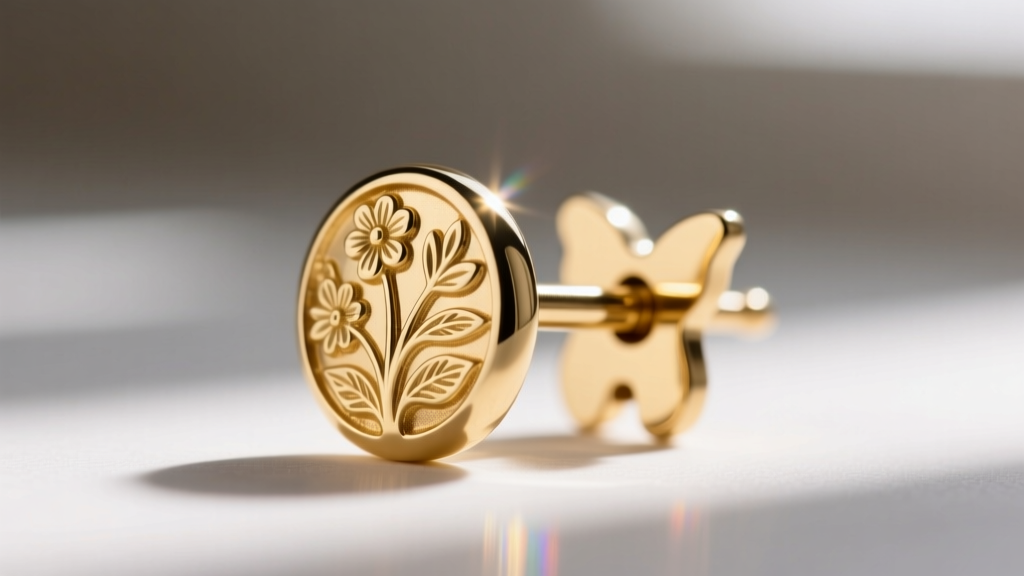
The Sanare earring taps directly into this psyche. The irregular texture of the raw stone against the skin provides a subtle tactile grounding effect, while the botanical motifs often woven into the gold backing serve as a visual reminder of natural resilience.
Comparative Analysis: Sanare vs. Traditional Crystal Studs
How does the Sanare earring stack up against the traditional crystal or diamond stud that has dominated the market for decades? Below is a technical comparison of the specifications you should expect when investing in this trend.
| Feature | Authentic Sanare Earring | Traditional Crystal/Diamond Stud | Mass-Market "Raw" Crystal Dupe |
|---|---|---|---|
| Metal Grade | 14k/18k Recycled Solid Gold (Nickel-Free) | 14k/18k Gold or Platinum | Gold Vermeil or Plated Brass |
| Post Gauge | 18g (1.0mm) or 16g (1.2mm) | 18g to 20g (0.8mm - 1.0mm) | 20g to 22g (Often too thin for cartilage) |
| Stone Setting | Custom Topographical Bezel | 4-Prong or 6-Prong Basket | Glued or Generic Wire-Wrap |
| Price Range (2026) | $220 - $550 per single | $300 - $2,000+ | $35 - $80 |
| Longevity | Generational (Can be re-tipped/polished) | Generational | 1-2 Years (Plating wears off) |
Styling the Sanare Earring: Ear Curation Frameworks
The beauty of the Sanare silhouette lies in its modularity. Because the stones are uncut and asymmetrical, they can be clustered without looking overly matched or rigid. Here are two expert-approved curation frameworks for 2026.
The Lobe-Heavy Approach
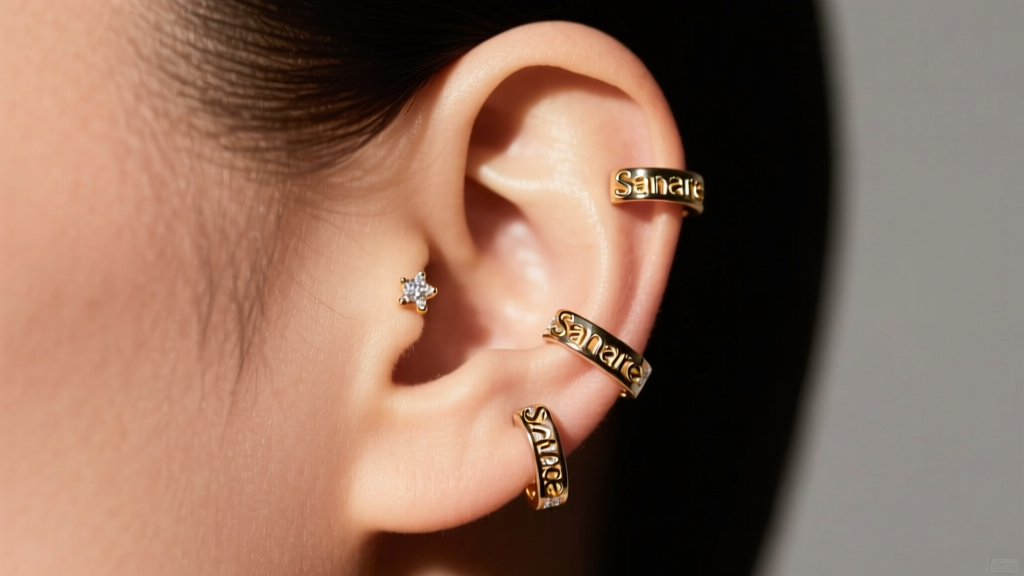
If you have multiple lobe piercings, the Sanare earring excels in a graduated constellation. Place the largest raw stone (typically a raw black tourmaline or rutilated quartz) in the primary lobe piercing using an 18g post. Follow with two progressively smaller Sanare studs in the upper lobes. The key to this look is mixing the gold tones. Pairing a yellow gold primary stud with white gold secondary studs creates a dynamic, modern contrast that prevents the ear from looking heavy.
The Cartilage Constellation
For those with healed helix, flat, or conch piercings, the Sanare earring offers a much-needed alternative to standard clickers and hoops. Opt for the 16-gauge (1.2mm) version to ensure structural integrity in the cartilage. When sourcing for cartilage, always insist on internally threaded or threadless (pin-post) mechanisms; externally threaded posts will damage the delicate fistula upon insertion. A raw dendritic agate Sanare flat stud paired with a simple, seamless gold hoop in the helix creates a perfect balance of organic texture and geometric minimalism. Ensure the post length is precisely measured (usually 6mm to 8mm for cartilage) to avoid pressure necrosis during the initial styling phase.
Authentication and Sourcing: Avoiding the Dupes
With the explosion of the wellness-jewelry trend, the market has been flooded with mass-produced imitations. As a collector, you must know how to authenticate a true Sanare-style piece.
- The Weight Test: Solid 14k gold has a distinct, dense heft. Vermeil or plated brass dupes will feel suspiciously light and hollow.
- The Bezel Inspection: Use a jeweler's loupe. An authentic Sanare bezel will show slight tool marks where the gold was pushed over the uneven edges of the raw stone. Mass-market dupes use uniform, machine-stamped bezels that leave gaps between the metal and the stone.
- The Mohs Hardness Check: Authentic pieces often use tourmaline (7-7.5) or quartz (7). If the "raw stone" scratches easily with a copper coin, it is likely dyed howlite or glass.
- The Hallmark: Look for the "585" (14k) or "750" (18k) stamp, alongside the designer's maker's mark, usually located on the flat disc of the earring backing or the base of the post.
Final Verdict: Is the Sanare Earring Worth the Investment?
The Sanare earring is not a fleeting micro-trend; it is a fundamental shift in how consumers relate to their fine jewelry. By prioritizing raw, unheated gemstones and ergonomic, high-gauge metallurgy, it offers a piece that is as physically comfortable as it is visually striking. For those looking to invest in a 2026 accessory that carries both aesthetic weight and somatic intention, the Sanare earring remains the undisputed gold standard of the modern ear curation.


