The Ultimate Guide to Buying Clear Earring Studs for Sensitive Ears
Discover what to look for when buying clear earring studs. Learn about bioplast, glass, and PTFE retainers, gauge sizes, and healing tips.

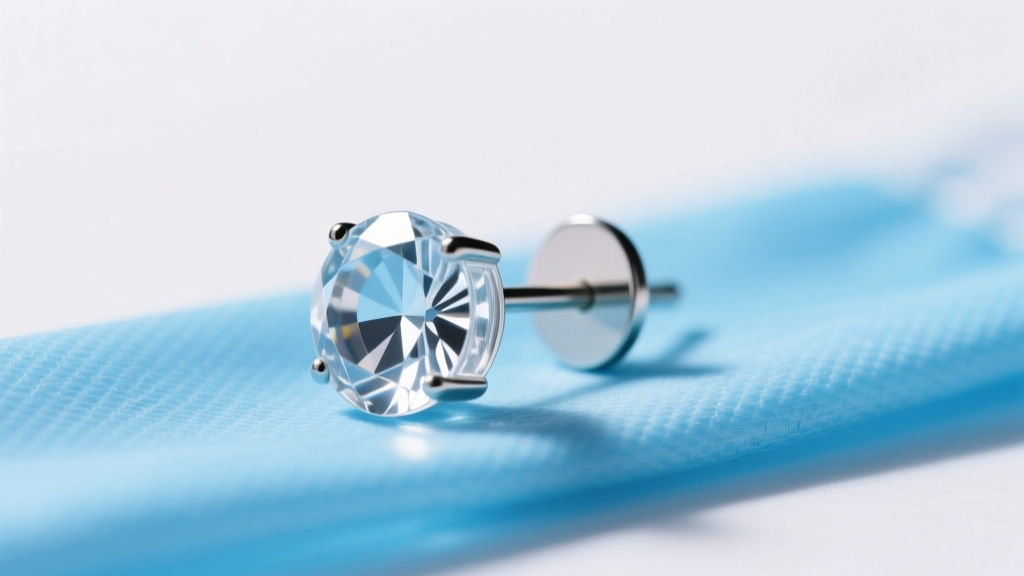
The Hidden Complexities of Clear Earring Studs
When most people search for clear earring studs, they are usually looking for a quick fix to hide a piercing at work, keep a fistula open during a sports season, or navigate a metal allergy. However, the market is flooded with misleading products labeled as 'hypoallergenic' that can actually cause severe contact dermatitis, infection, or tissue rejection. According to the American Academy of Dermatology, nickel and certain acrylic monomers are leading culprits in allergic contact dermatitis, making material transparency crucial when buying clear retainers.
This comprehensive buying guide strips away the marketing fluff. We will examine the exact material grades, gauge tolerances, and backing mechanisms you need to look for in 2026 to ensure your clear ear studs are safe, comfortable, and truly biocompatible.
Material Breakdown: Glass vs. PTFE vs. Bioplast
Not all clear materials are created equal. The Association of Professional Piercers (APP) maintains strict guidelines on what materials are safe for initial piercings versus healed fistulas. Here is how the top three clear materials stack up.
1. Borosilicate Glass and Fused Quartz (The Gold Standard)
Borosilicate glass (often known by the brand name Pyrex) and fused quartz are completely inert, non-porous, and can withstand the extreme heat of an autoclave. They do not leach chemicals, making them the absolute safest choice for fresh piercings, severe metal allergies, and MRI procedures. Brands like Glasswear Studios and Gorilla Glass offer precision-polished posts that glide through the fistula without causing micro-tears.
2. PTFE (Polytetrafluoroethylene / Teflon)
PTFE is a flexible, biocompatible polymer that meets USP Class VI standards for medical implants. Its flexibility makes it ideal for curved surfaces or areas prone to swelling and impact, such as the helix or tragus. However, PTFE is slightly porous compared to glass and should be replaced every few months to prevent bacterial buildup.
3. Bioplast and BioFlex (Use with Caution)
Often marketed aggressively as the ultimate hypoallergenic solution, Bioplast and BioFlex are proprietary brands of medical-grade polymers. While generally safe for fully healed piercings, the APP explicitly advises against using them in fresh piercings. They cannot be autoclaved (they will melt and warp), and their microscopic surface porosity can harbor bacteria during the inflammatory healing phase.
| Material | Biocompatibility | Autoclave Safe? | Best Use Case | Avg. Price Range |
|---|---|---|---|---|
| Borosilicate Glass | Excellent (Inert) | Yes | Fresh piercings, severe allergies, MRIs | $12 - $28 |
| PTFE (Teflon) | Very Good (USP Class VI) | Yes | Healed cartilage, sports, flexible needs | $6 - $15 |
| Bioplast / BioFlex | Moderate (Porous) | No | Healed lobes, temporary concealment | $4 - $10 |
| Acrylic | Poor (Toxic Leaching) | No | Not recommended for any piercing | $2 - $5 |
Decoding Gauge Sizes and Post Lengths
Buying the correct size is just as critical as choosing the right material. A post that is too tight will cause pressure necrosis, while one that is too long will catch on hair and clothing, leading to irritation bumps (hypertrophic scarring).
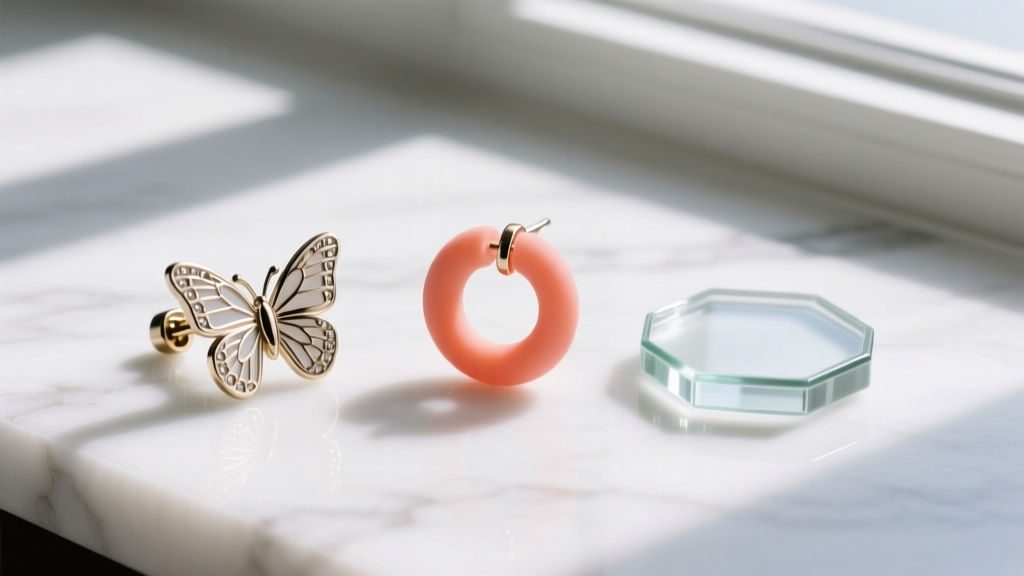
Standard Gauge Thicknesses
- 20G (0.8mm): The standard for basic, older lobe piercings. Rarely used in modern professional cartilage work.
- 18G (1.0mm): The most common size for standard lobe piercings and some delicate cartilage placements like the rook or daith.
- 16G (1.2mm): The industry standard for modern cartilage piercings (helix, forward helix, tragus, conch). If you are buying a clear stud for a cartilage piercing, it is likely 16G.
- 14G (1.6mm): Used for thicker cartilage placements, industrials, or stretched lobes.
Post Length Requirements
If you are using a clear stud for a healing piercing, you must accommodate swelling. Initial post lengths should range from 8mm to 10mm (5/16" to 3/8"). Once the swelling subsides (usually 4 to 8 weeks), you must downsize to a 5mm to 6mm (3/16" to 1/4") post to prevent migration and snagging.
Backing Mechanisms: Flat Back vs. Butterfly vs. O-Ring
The backing of your clear earring stud dictates your comfort level, especially during sleep. Here is what you need to know about the three main retention systems.
The Problem with Butterfly Clutches
Traditional butterfly backs are a nightmare for healing piercings. They trap dead skin cells, sebum, and bacteria against the exit hole. Furthermore, the sharp prongs can dig into the neck or scalp, causing secondary irritation.
Silicone O-Rings: A Temporary Fix
Many cheap clear retainers use tiny silicone O-rings to hold the post in place. While better than butterfly backs, silicone creates high friction and can pull on the fistula during insertion. They also degrade quickly when exposed to rubbing alcohol or harsh soaps, leading to sudden jewelry loss.
Flat Backs (Threadless or Internally Threaded)
The flat back is the undisputed champion of retainer jewelry. A flat disc sits flush against the back of the ear, distributing pressure evenly and eliminating snag points. For glass studs, look for press-fit (threadless) systems where a slightly bent pin creates tension inside the hollow glass post. For metal-and-clear hybrid studs, internally threaded titanium posts with a clear glass or CZ end are the most secure option on the market.
"Never force a clear polymer stud through a healing fistula. The friction coefficient of Bioplast and PTFE is higher than polished glass or implant-grade titanium. Always use a sterile, water-based lubricant or a drop of sterile saline to ease the insertion, and never use a taper that is larger than the jewelry itself." — Certified Professional Piercer
Your Step-by-Step Buying Checklist
Before you add a clear earring stud to your cart, run it through this strict E-E-A-T vetting process:
- Verify the Material: Does the seller explicitly state 'Borosilicate Glass', 'Fused Quartz', or 'USP Class VI PTFE'? If it just says 'clear plastic' or 'acrylic', abandon the purchase.
- Check the Polish: For glass retainers, look for mentions of 'flame-polished' or 'hand-polished' ends. Dull or rough ends will cause micro-trauma to the fistula lining.
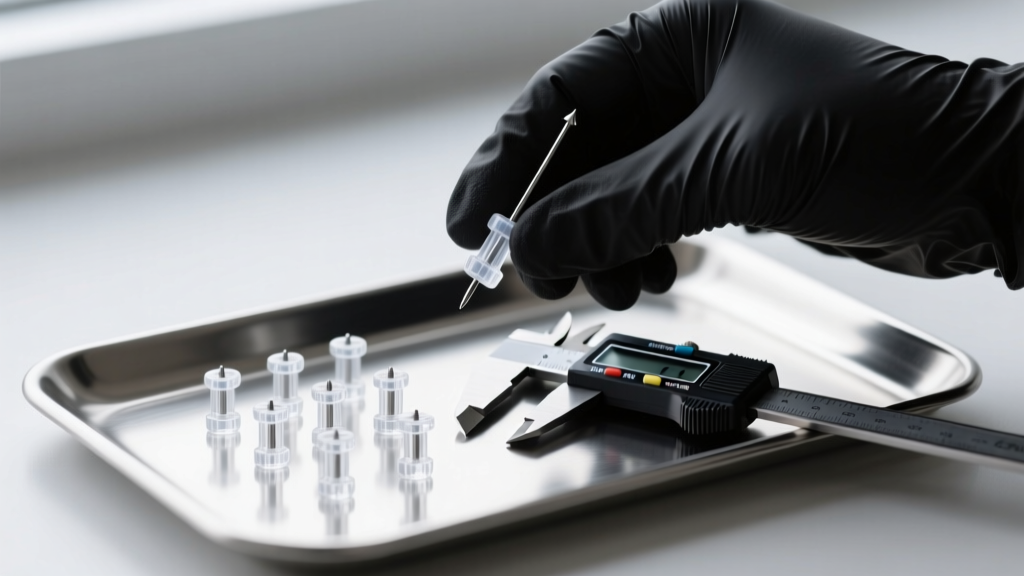
- Confirm the Gauge and Length: Measure your current jewelry with a digital caliper if you are unsure. Do not guess your gauge size.
- Evaluate the Backing: Prioritize flat disc backings. If you must use an O-ring, ensure the seller includes high-quality, replacement silicone rings.
- Assess Sterilization Claims: If you are buying for an unhealed piercing, the jewelry must be packaged in sterilization pouches and autoclaved by the seller prior to shipping.
Care and Maintenance for Clear Retainers
Clear materials require specific cleaning protocols to maintain their transparency and structural integrity. Avoid using rubbing alcohol, hydrogen peroxide, or tea tree oil on PTFE or Bioplast, as these chemicals will dry out the polymer, causing it to turn cloudy, become brittle, and eventually snap inside the ear.
Instead, clean your clear studs daily with a sterile saline wound wash (0.9% sodium chloride with no additives). For glass retainers, you can safely use a mild, fragrance-free antibacterial soap and warm water. If your glass stud develops a cloudy film due to hard water or sebum buildup, soak it in a 50/50 mixture of distilled white vinegar and warm water for ten minutes, then rinse thoroughly before reinserting.
Final Verdict: What Should You Buy?
If you are buying clear earring studs for a fresh piercing, a severe metal allergy, or an upcoming MRI, borosilicate glass with a flat back is the only acceptable choice. It offers unmatched biocompatibility and surface smoothness. If you need a clear stud for a healed cartilage piercing that takes impact during sports, a 16G PTFE retainer with silicone O-rings provides the necessary flexibility. Avoid acrylic entirely, and reserve Bioplast strictly for short-term concealment in fully healed lobes. By prioritizing material science over cheap convenience, you protect your piercings for the long term.


