How to Fix Painful Rhinestone Clip On Earrings & Keep Them Secure
Stop the pinch and slip. Expert troubleshooting for rhinestone clip on earrings, covering tension adjustments, lobe padding, and stone restoration.

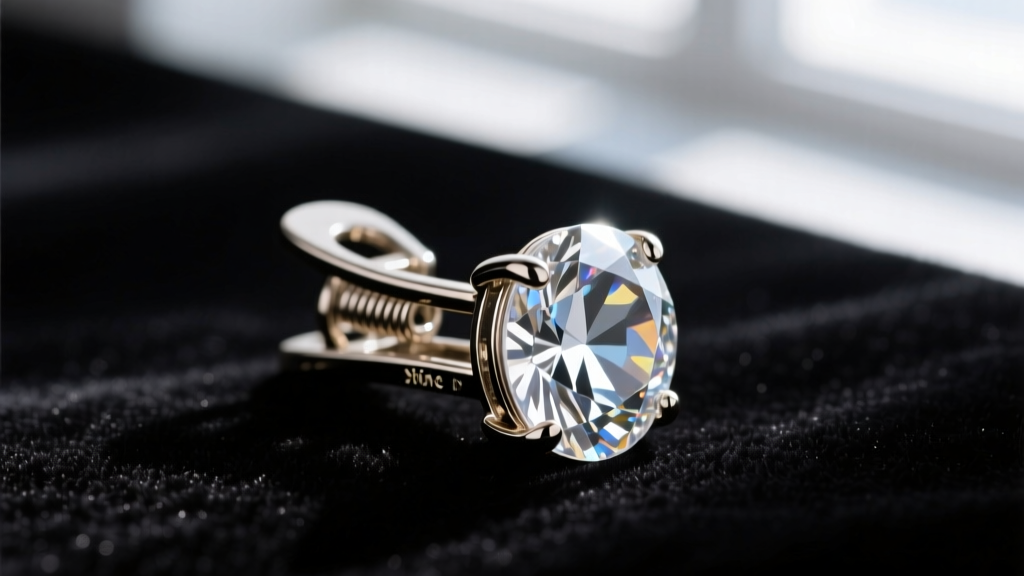
For those navigating the world of non-pierced jewelry or managing healing lobes, rhinestone clip on earrings offer unparalleled glamour without the commitment of a needle. However, the reality of wearing them often involves a frustrating cycle of pinching, slipping, and dulling stones. The auricular lobule (earlobe) is packed with nerve endings and capillary beds, making it highly sensitive to the continuous pressure required to keep heavy, sparkling clips in place. In 2026, advancements in silicone polymers and jewelry ergonomics have provided new ways to troubleshoot these vintage-inspired mechanisms. This guide dives deep into the mechanical and material science of clip-ons, providing actionable solutions to eliminate pain, prevent loss, and restore the brilliance of your rhinestones.
The Anatomy of Clip-On Discomfort: Why They Pinch
The primary culprit behind the infamous 'clip-on pinch' is improper tension calibration combined with a narrow surface area. Most mass-market rhinestone clip on earrings utilize a standard paddle clip that exerts between 300 and 500 grams of clamping force. When this force is concentrated on a paddle measuring less than 8mm in width, it restricts blood flow to the earlobe tissue, triggering ischemic pain within 45 to 60 minutes of wear.
Furthermore, the weight of the rhinestones themselves creates a lever effect. A heavy dangle style pulls the top of the clip away from the ear, forcing the bottom edge to dig sharply into the cartilage ridge of the lobe. Solving this requires addressing both the tension of the spring and the surface area of the paddle.
Tension Calibration: Adjusting the Clip Mechanism
You do not have to accept factory-set tension. Adjusting the mechanism of your rhinestone clip on earrings is a straightforward process, provided you use the correct tools to avoid marring the base metal or loosening the stone prongs.
Adjusting Paddle Clips
Paddle clips rely on a tiny metal spring hinge. To reduce pinching, you need to gently widen the gap between the paddle and the earring back.
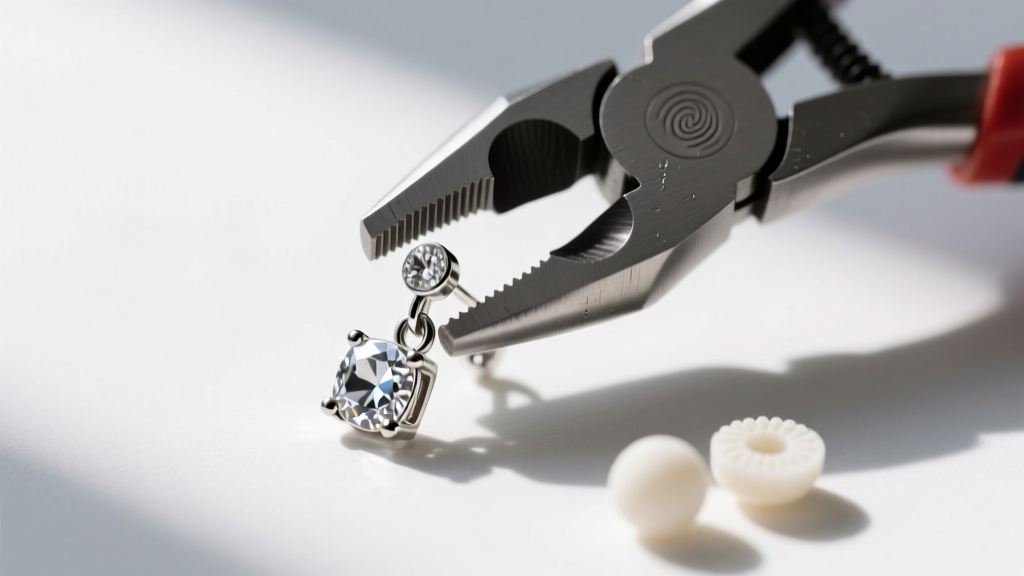
- The Right Tool: Never use standard steel jewelry pliers, as they will scratch the plating and crush the rhinestone settings. Use nylon-jaw pliers (brands like Wubbers or EuroTool offer excellent precision models).
- The Technique: Grip the hinge area gently with the nylon-jaw pliers. Apply millimeter-level outward pressure to the paddle. Test the clip on your thumb; it should snap shut firmly but allow you to slide a piece of cardstock out with mild resistance.
Fixing Loose Screw-Backs
Screw-back clip-ons offer customizable tension but frequently loosen throughout the day due to the natural oils and movement of the earlobe. If your screw-back rhinestone clip on earrings constantly spin and slip, apply a microscopic drop of clear, fast-drying cyanoacrylate (super glue) or clear nail polish to the external threads of the screw. Let it cure completely before wearing. This adds just enough friction to lock the tension in place without permanently seizing the mechanism.
Traction Troubleshooting: Stopping the Slip
Slipping occurs when the coefficient of friction between the metal clip and your skin drops. Sebum (skin oil), sweat, and skincare products create a lubricating layer that causes heavy rhinestone clips to slide right off. Here is how to engineer a secure grip.
Silicone vs. Foam Cushions
While traditional foam clip-on pads are cheap, they compress entirely under the weight of rhinestones, bottoming out and offering zero shock absorption. They also act like sponges for sweat, accelerating metal tarnish. Medical-grade silicone ear cushions are the superior 2026 standard. Silicone maintains its structural integrity under pressure, increasing the surface area of the paddle from 8mm to roughly 14mm, effectively distributing the clamping force and eliminating the pressure point.
The Pre-Wear Lobe Prep
Before putting on your earrings, wipe the front and back of your earlobes with a cotton pad soaked in witch hazel or a gentle, alcohol-free astringent. This removes the microscopic layer of sebum and skincare residue, restoring the skin's natural grip. Avoid using rubbing alcohol, which dries out the skin and can cause micro-fissures that make the lobe more sensitive to pressure.
Rhinestone Fogging & Tarnish: Restoring the Sparkle
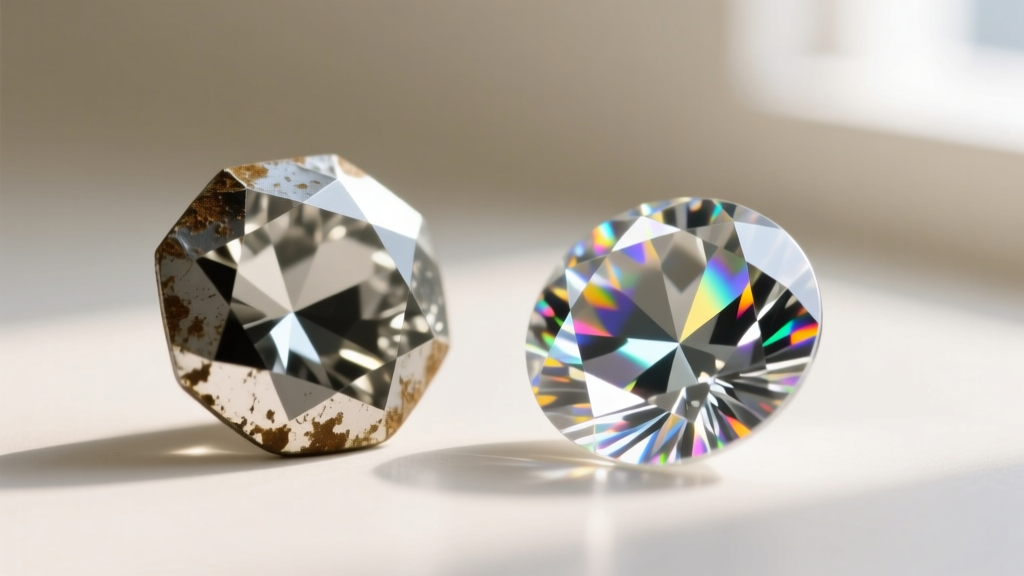
A common issue with vintage and costume rhinestone clip on earrings is 'fogging'—a cloudy, dull appearance that ruins the stone's light return. According to the Gemological Institute of America (GIA), this is rarely dirt on the surface; it is usually moisture degradation of the foil backing or chemical crazing of acrylic stones.
The Cleaning Matrix
Treating all rhinestones the same way is a guaranteed path to ruining them. Use this decision matrix to safely clean your collection:
| Stone Material | Identification Clue | Safe Cleaning Method | Critical Avoidances |
|---|---|---|---|
| Foil-Backed Glass | Mirrored back, vintage pieces | Dry microfiber cloth, soft makeup brush | Water, ultrasonic cleaners, steam (destroys foil) |
| Unfoiled Glass (e.g., Swarovski) | Clear back, high refraction | Mild dish soap, lukewarm water, soft brush | Harsh ammonia, bleach |
| Acrylic / Resin | Lightweight, warm to touch | Damp cloth, mild soap | Alcohol, acetone (causes permanent micro-crazing) |
Expert Warning: Never place foil-backed rhinestone clip on earrings in an ultrasonic cleaner. The high-frequency vibrations will shatter the delicate foil backing inside the setting, turning the stones permanently black or cloudy.
For heavily tarnished base metal settings surrounding the stones, use a dry, treated silver polishing cloth (like a Sunshine cloth). Carefully fold the edge of the cloth to polish the metal prongs without rubbing the abrasive compound onto the rhinestones themselves.
Weight Distribution: Managing Heavy Rhinestone Drops
When dealing with elaborate, chandelier-style rhinestone clip on earrings, the weight simply overpowers the clip mechanism. The constant downward pull causes the top of the earring to tilt forward, resting awkwardly on the side of the ear rather than the lobe.
The Hair-Tether Hack: For special events where you need to wear heavy vintage clips for hours, use a tiny, clear silicone hair elastic. Loop it over the top hinge of the earring clip, and anchor the other end to a small section of your hair near the ear. This takes 90% of the gravitational load off the earlobe while remaining virtually invisible.
Upgrading the Base: If you frequently wear heavy drops, consider taking them to a professional bench jeweler to have the original paddle clip snipped off and replaced with a wider, surgical steel 316L 'comfort clip'. These modern mechanisms feature a 15mm wide, contoured paddle that cups the earlobe rather than pinching it, drastically improving weight distribution.
Allergic Contact Dermatitis and Base Metals
Many rhinestone clip on earrings, particularly vintage or fast-fashion pieces, are cast from 'pot metal' (a zinc alloy) and plated with thin layers of nickel or brass. The prolonged, tight contact of a clip-on mechanism forces these allergens directly into the skin, leading to contact dermatitis—characterized by redness, itching, and weeping skin.
If you experience this, your immediate troubleshooting step is to create a physical barrier. Paint the entire inside of the metal clip with two coats of clear, hypoallergenic nail polish or a specialized jewelry barrier coating like Skintifique. Allow it to cure for 24 hours before wearing. For a permanent solution, a jeweler can re-plate the contact points of the clip in rhodium or 14k gold, eliminating the nickel exposure entirely.
Summary Checklist for Daily Wear
To ensure your rhinestone clip on earrings remain comfortable, secure, and brilliant, run through this quick checklist before every wear:
- Prep: Cleanse earlobes with witch hazel to remove sebum and increase friction.
- Pad: Apply medical-grade silicone cushions to widen the pressure distribution area.
- Check Tension: Ensure the clip snaps firmly but does not cause immediate blanching (whitening) of the skin.
- Protect: Verify that the metal clip is coated with a hypoallergenic barrier if you have sensitive skin.
- Store Safely: After wearing, wipe the stones with a dry microfiber cloth to remove skin oils, and store them in a climate-controlled, low-humidity environment to protect the foil backings.
By understanding the mechanics of tension and the material science of rhinestones, you can transform painful, slippery clips into comfortable, secure statements of style. For more deep-dives into jewelry ergonomics and care, explore our comprehensive guides at The Spruce Crafts and our own extensive archives here at Jewel Style Radar.


