Is a Plastic Earring Safe? Acrylic, PTFE, and Bioplast Compared
Discover if a plastic earring is safe for sensitive ears. We compare acrylic, PTFE, and Bioplast properties, healing safety, and MRI compatibility.

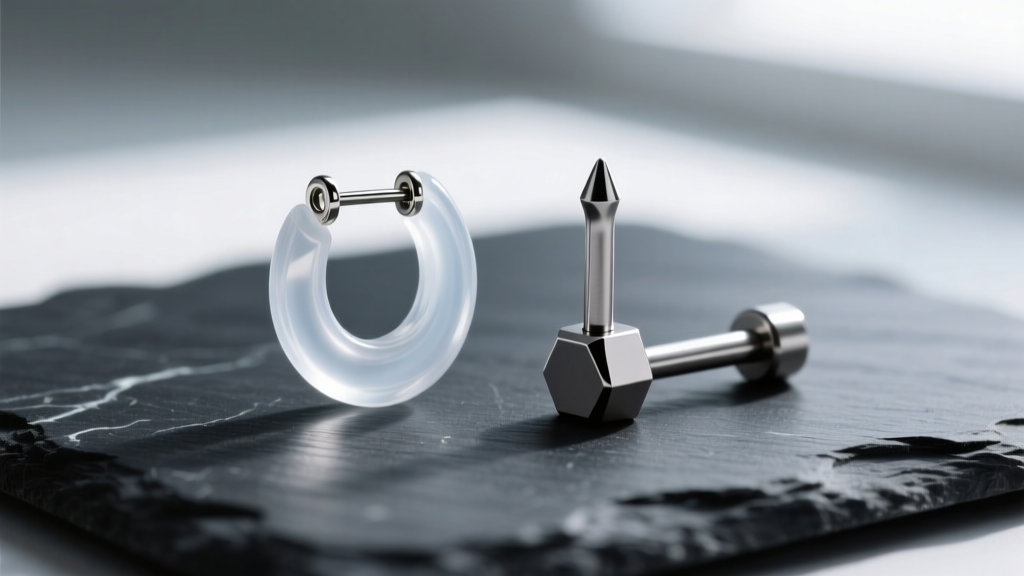
The Polymer Breakdown: Beyond Cheap Toys
When most people hear the term "plastic earring," they immediately picture brittle, neon-colored toys or the cheap hypoallergenic studs meant for children. However, in the modern body modification and fine jewelry industries, polymers represent a highly engineered category of materials. Not all plastics are created equal. A medical-grade PTFE retainer operates on an entirely different chemical level than a mass-market acrylic flower stud. Understanding the material science behind these polymers is critical for avoiding contact dermatitis, preventing micro-tears in your fistula, and ensuring MRI compatibility.
To make informed decisions about your ear stack, we must dissect the four primary polymers used in body jewelry: Acrylic (PMMA), PTFE (Teflon), Bioplast/Bioflex, and Delrin. Each possesses unique thermal limits, porosity levels, and structural failure modes.
Acrylic (PMMA): The Visual Standard
Polymethyl methacrylate (PMMA), commonly known as acrylic, is the most ubiquitous plastic earring material on the market. It is prized for its optical clarity, ability to hold vibrant dyes, and low manufacturing cost.
Properties and Failure Modes
- Porosity: Micro-porous. Over time, acrylic absorbs sebum, dead skin cells, and soap residue, leading to a permanent cloudy appearance and potential odor.
- Thermal Limits: Acrylic warps at temperatures as low as 80°C (176°F). It cannot be autoclaved. Sterilization must be done via cold chemical baths or UV-C light.
- Crazing: Exposure to alcohol-based cleansers, harsh chemicals, or prolonged UV sunlight causes "crazing"—a network of microscopic surface cracks that harbor bacteria and weaken the jewelry.
Expert Verdict: Acrylic is strictly for fully healed lobes and cartilage. It should never be worn in a fresh piercing, and it is generally not recommended for sleeping, as the pressure can snap thinner gauges (18g and below).
PTFE (Teflon): The Flexible Healer
Polytetrafluoroethylene (PTFE) is a fluoropolymer widely used in medical implants and surgical grafts. In the piercing world, a PTFE plastic earring retainer is the gold standard for situations requiring extreme biocompatibility and flexibility.
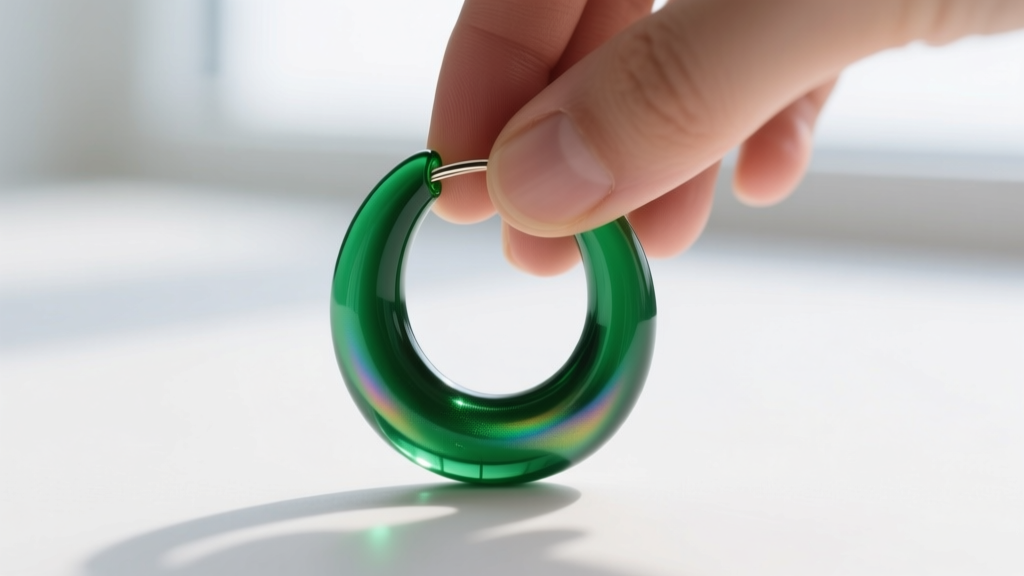
Why Professionals Choose PTFE
Unlike rigid acrylic, PTFE is highly flexible, making it ideal for surface piercings, industrial bars that need slight anatomical curvature, and retainers for contact sports. It is completely inert, meaning it will not react with bodily fluids or cleaning agents. Furthermore, PTFE is autoclave-safe up to 134°C (273°F), allowing for true surgical sterilization before insertion into a fresh piercing.
Bioplast and Bioflex: The Modern Compromise
Bioplast and Bioflex are proprietary medical-grade polymers (often based on polyurethane or advanced PTFE blends) designed specifically for body jewelry. They bridge the gap between the rigidity of acrylic and the flexibility of raw PTFE tubing.
These materials are hypoallergenic, latex-free, and nickel-free. They feature a smoother surface finish than standard acrylic, reducing the friction coefficient during insertion. Many professional piercers use Bioflex tubing with internally threaded titanium ends, creating a hybrid jewelry piece that offers the safety of metal threading with the lightweight, non-reactive post of a plastic earring.
Material Properties Comparison Matrix
| Material | Chemical Base | Autoclave Safe | MRI Safe | Max Temp (°C) | Best Use Case |
|---|---|---|---|---|---|
| Acrylic | PMMA | No | Yes | 80°C | Healed lobe fashion jewelry, tapers |
| PTFE | Polytetrafluoroethylene | Yes (134°C) | Yes | 260°C | Fresh piercings, retainers, surface bars |
| Bioplast/Bioflex | Medical Polyurethane | Yes (121°C) | Yes | 120°C | Hybrid posts, sensitive cartilage |
| Delrin | Acetal Resin (POM) | No | Yes | 90°C | Large gauge tunnels, plugs |
Safety, Healing, and the MRI Dilemma
One of the most common reasons clients seek out a plastic earring is for Magnetic Resonance Imaging (MRI) scans. Metal artifacts can distort imaging results, and ferromagnetic metals pose severe burn risks in the MRI tube. According to U.S. FDA guidelines on MRI safety, non-metallic implants and jewelry do not pose magnetic displacement risks.
However, the Association of Professional Piercers (APP) cautions against using rigid plastics like acrylic in fresh piercings due to their microscopic porosity. Bacteria can become trapped in the micro-fissures of an acrylic post, leading to localized infections or granulomas. If you must wear jewelry in a healing fistula during surgery or sports, a flexible, autoclaved PTFE retainer is the only medically sound plastic option.
Sizing, Gauges, and Threading Realities
The physical limitations of polymers heavily dictate how a plastic earring must be engineered, particularly regarding threading and gauge thickness.
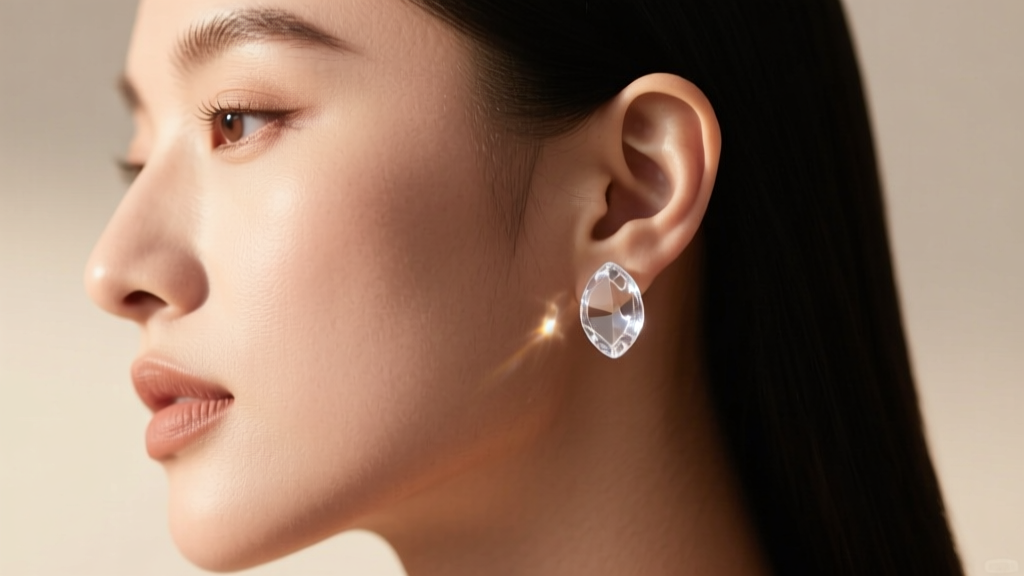
The Threading Problem
Cutting threads directly into acrylic or Bioplast is a structural nightmare. The pitch of standard body jewelry threads (usually 0.9mm to 1.2mm) requires a material with high tensile strength. Plastic threads strip easily, often leaving fragments of polymer trapped inside your piercing fistula or cross-threading upon insertion.
The Hybrid Solution
To solve this, high-end manufacturers utilize a hybrid approach. They machine an internally threaded or threadless (press-fit) post out of implant-grade titanium (ASTM F-136), and then attach a decorative plastic or acrylic end. This gives the wearer the aesthetic benefits of a lightweight, colorful plastic earring without sacrificing the structural integrity and safety of metal threading.
Gauge Limitations
While 14g and 12g acrylic plugs are highly stable, dropping down to 18g or 20g acrylic posts introduces severe sheer-stress risks. A thin acrylic post can easily snap inside the ear canal if snagged on a towel or hairbrush. For gauges thinner than 16g, always default to metal or highly flexible PTFE tubing.
When to Wear (and Avoid) Plastic Polymers
To maximize the lifespan of your jewelry and the health of your piercings, follow this decision framework:
Wear Plastic When: You are undergoing an MRI, participating in contact sports, working in environments with strict metal-free policies (like certain manufacturing or electrical jobs), or seeking lightweight comfort for stretched lobes using Delrin tunnels.
Avoid Plastic When: You are healing a new piercing (unless using professional-grade PTFE), swimming in chlorinated pools (which accelerates acrylic crazing), or sleeping on rigid acrylic posts that can snap under the weight of your head.
Final Thoughts on Polymer Jewelry
The term "plastic earring" encompasses a vast spectrum of material science. While cheap PMMA fashion jewelry has its place in a healed, temporary ear stack, investing in medical-grade PTFE, Bioflex, or hybrid titanium-and-acrylic pieces ensures your piercings remain healthy, irritation-free, and structurally sound. Always verify the specific polymer base before purchasing, and never compromise on the threading mechanism.


