Pom Pom Earrings Value Guide: Budget vs Luxury in 2026
Discover if pom pom earrings are worth your money in 2026. We break down budget vs. luxury tiers, material quality, and true cost-per-wear value.

The True Cost of Pom Pom Earrings: Beyond the Price Tag
Pom pom earrings have transitioned from a fleeting festival trend to a staple in modern jewelry wardrobes. However, as we navigate the 2026 market, the price disparity between a $6 pair of acrylic dangles and a $180 pair of silk-and-gold statement pieces is staggering. For the discerning buyer, the question is no longer just about aesthetics; it is about value retention, material integrity, and cost-per-wear (CPW). Are luxury pom pom earrings genuinely worth the investment, or are budget alternatives just as viable? This comprehensive value assessment dissects the anatomy of pom pom earrings, evaluating fiber density, hardware chemistry, and structural failure modes to help you make financially sound jewelry decisions.
Material Breakdown: What You Are Actually Paying For
The value of any pom pom earring is dictated by two primary components: the textile sphere and the metal hardware. Understanding the sourcing and grading of these materials is the first step in assessing true market value.
Synthetic vs. Natural Fibers
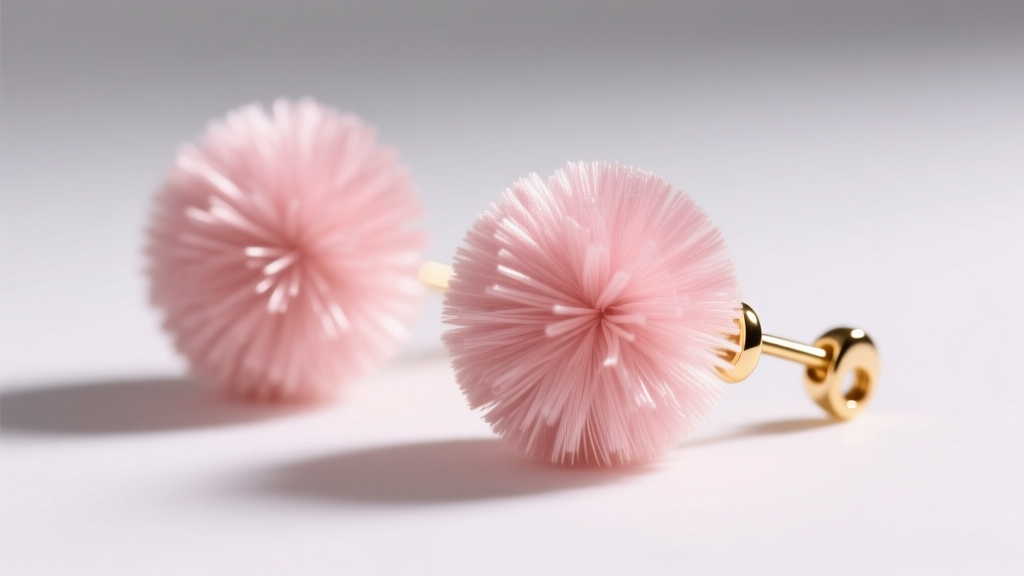
Budget pom poms are almost exclusively crafted from Kanekalon, acrylic, or polyester yarns. While these synthetic fibers offer vibrant, colorfast options, they suffer from a distinct plastic-like sheen and are prone to static-induced frizzing. According to the FTC Textile Fiber Products Identification Act, retailers must accurately label these materials, yet many fast-fashion brands blur the lines with misleading terms like "faux silk."
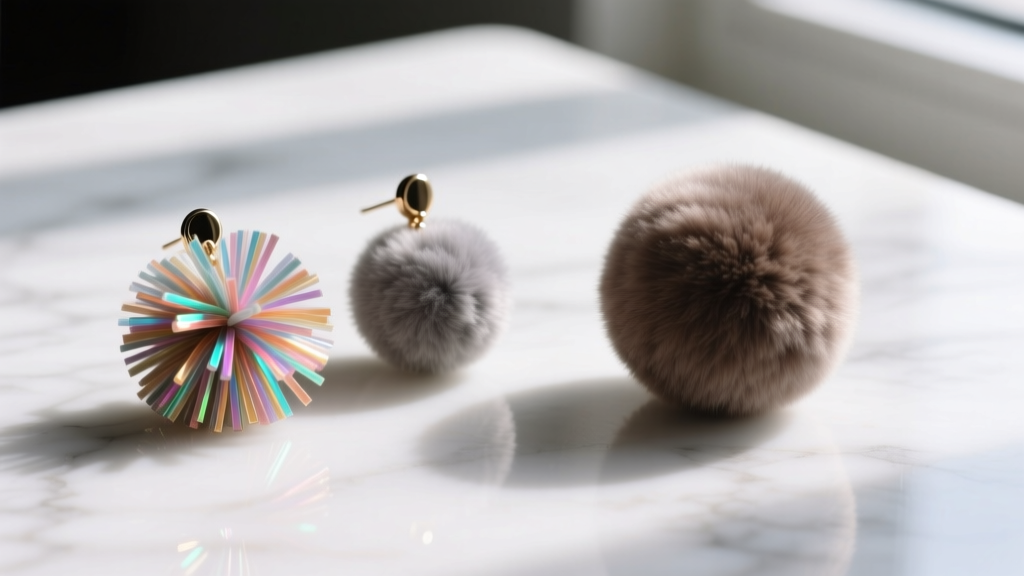
Conversely, mid-range to luxury pom poms utilize natural fibers. Rabbit hair (often angora blends) provides a lightweight, hyper-soft texture that moves fluidly with the wearer. High-end luxury pieces from artisanal jewelers utilize pure mulberry silk or ethically sourced mink. Silk pom poms possess a natural luster that synthetic alternatives simply cannot replicate, and they resist the static tangling that plagues acrylics.
The Hardware and Adhesive Chemistry
The most critical point of failure in pom pom earrings is the junction where the fiber meets the metal. Budget manufacturers rely on cyanoacrylate (super glue) to adhere the yarn to a cheap brass cap. This adhesive becomes brittle over time and degrades rapidly when exposed to the alcohol found in aerosol hairsprays or the humidity of a summer evening.
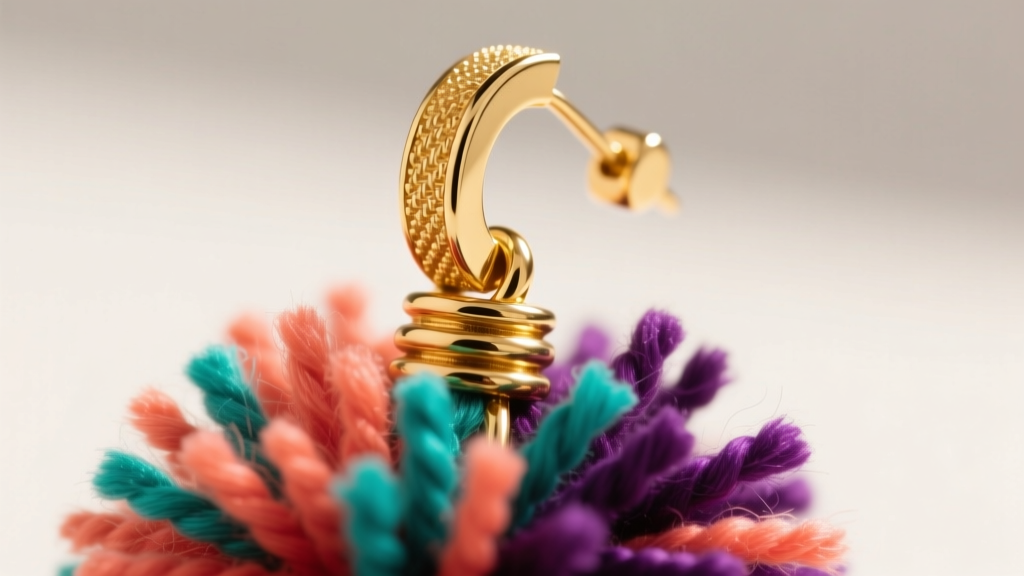
High-value pom pom earrings utilize two-part epoxy resins or, ideally, mechanical crimping. In a mechanically crimped design, the metal cap features an internal serrated edge that physically bites into the core of the pom pom, securing it without relying solely on chemical adhesives. Furthermore, the earring posts in luxury tiers are crafted from 18k gold vermeil (which requires a minimum of 2.5 microns of gold plating over sterling silver, as noted by the Gemological Institute of America) or solid 14k gold, ensuring the post will not trigger contact dermatitis or oxidize green against the earlobe.
2026 Price Tier Analysis: Budget, Mid-Range, and Luxury
To accurately assess value, we must calculate the Cost-Per-Wear (CPW). A $10 pair of earrings that falls apart after three uses yields a CPW of $3.33. A $90 pair worn bi-weekly for two years yields a CPW of just $0.86. Below is our 2026 market breakdown.
| Tier | Price Range | Fiber Material | Hardware & Post | Estimated Lifespan | Value Verdict |
|---|---|---|---|---|---|
| Budget | $5 - $18 | Acrylic, Polyester | Nickel-Brass, Cyanoacrylate Glue | 1 - 3 Months | Poor (High failure rate, allergy risk) |
| Mid-Range | $25 - $65 | Rabbit Hair, Faux-Silk Blends | 316L Steel or Gold-Plated Brass, Epoxy | 1 - 2 Years | Good (Best for seasonal trends) |
| Luxury | $85 - $250+ | Mulberry Silk, Ethical Mink | Solid 14k Gold or Heavy Vermeil, Crimped | 5+ Years (Heirloom) | Excellent (Superior CPW, zero allergy risk) |
Common Failure Modes in Cheap Pom Pom Earrings
When conducting a budget assessment, it is vital to recognize how inexpensive jewelry fails. If you are buying budget pom poms, expect to encounter the following structural degradations:
- Core Slippage: The glue fails, and the metal cap slides off the yarn core, leaving you with a detached sphere and a bare wire.
- Fiber Shedding: Low-grade acrylic yarns are not tightly wound. Friction from winter scarves or high-collared coats will pull the fibers loose, resulting in a bald, misshapen pom pom within weeks.
- Galvanic Tarnishing: Brass posts plated with a microscopic layer of gold (often less than 0.1 microns) will wear through to the base metal via skin acidity, resulting in severe earlobe discoloration and itching.
- Weight Imbalance: Budget brands often use dense, heavy synthetic yarns paired with flimsy 22-gauge wire hooks. The earring will constantly flip forward, failing to sit flush against the earlobe.
Care and Maintenance to Maximize ROI
To protect your investment, especially in the mid-range and luxury tiers, proper maintenance is non-negotiable. Natural fibers like rabbit hair and silk are highly susceptible to environmental pollutants and cosmetic chemicals.
"Never apply hairspray or perfume after putting on natural fiber earrings. The alcohol and aerosol propellants will instantly mat silk fibers and dissolve the epoxy resins used in mid-tier manufacturing. Always dress last." — Textile Conservation Guidelines, Jewel Style Radar Archives
For rabbit hair pom poms that have become matted or flattened from storage, do not use water. Instead, use a clean, dry pet slicker brush to gently tease the fibers back into a spherical shape. Store luxury silk pom poms in individual anti-tarnish organza bags to prevent the metal hardware from oxidizing and transferring dark marks onto the pristine silk threads.
How to Assess Value When Shopping Online
When you cannot physically inspect the earrings, use this expert checklist to evaluate the product listing and determine if the price is justified:
- Check the Post Gauge and Material: Look for explicit mentions of "18-gauge" or "20-gauge" posts made from "surgical steel," "titanium," or "solid gold." If the listing simply says "metal alloy," close the tab.
- Examine the Cap Junction: Zoom in on the product photos. Can you see a thick glob of shiny, clear glue seeping out from the metal cap? If so, it is cheaply manufactured. Look for flush, seamless metal caps that indicate mechanical crimping or high-grade epoxy.
- Evaluate Fiber Density: A high-value pom pom will look opaque and densely packed. If you can see the string or wire core through the fibers in the product photo, the manufacturer has used less material to cut costs, guaranteeing a short lifespan.
- Verify the Backing: Heavy pom pom earrings require secure backings. Value-oriented brands will include silicone friction backs or screw-backs to prevent the earring from slipping off the lobe due to the pendulum weight.
Final Verdict: Where Should You Invest?
If you are purchasing pom pom earrings for a single event, a music festival, or to test a bold color trend, budget tiers ($10-$18) are perfectly acceptable, provided you are aware of their disposable nature and potential for nickel allergies. However, for a capsule wardrobe where accessories are expected to endure seasonal rotations, the mid-range tier ($35-$65) offers the optimal intersection of durability and style. Seek out 316L stainless steel hardware paired with densely wound rabbit hair or high-grade rayon blends. Reserve the luxury tier ($100+) for architectural, silk-and-solid-gold pieces that function less like costume jewelry and more like wearable textile art, offering a phenomenal cost-per-wear over a lifetime of use.