Pomellato Arabesque Earrings: Material Properties & Care Guide
Discover the material properties of Pomellato Arabesque earrings. We compare 18k rose gold, brown diamonds, and hardstones for luxury wear.

The Intersection of High Jewelry and Material Science
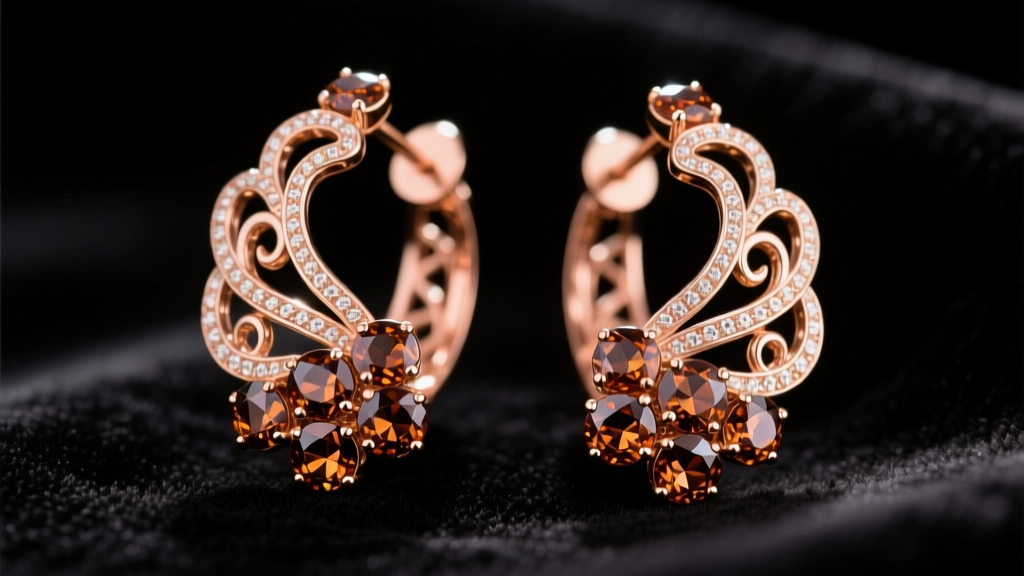
When evaluating luxury jewelry, aesthetic appeal often overshadows the fundamental material science that dictates a piece's longevity, wearability, and structural integrity. The Pomellato Arabesque earrings represent a masterclass in combining intricate, lace-like metalwork with unconventional gemstones and hardstones. However, to truly appreciate and properly maintain these pieces, one must understand the specific metallurgical and gemological properties at play. As of 2026, the high jewelry market has shifted heavily toward transparency in material sourcing and lifecycle durability, making it essential for collectors and daily wearers alike to understand exactly what they are wearing. This guide deconstructs the core materials of the Arabesque collection, comparing them against traditional luxury alternatives to provide a definitive framework for care and wearability.
The Metallurgy of 18k Rose Gold in Filigree Designs
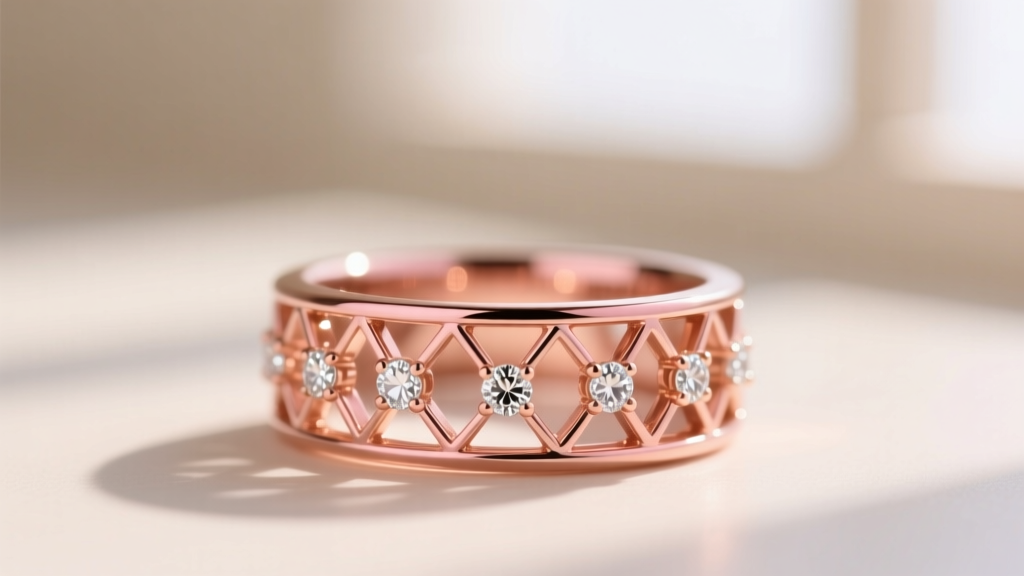
The signature framework of the Pomellato Arabesque earrings is crafted from 18k rose gold. Unlike 18k yellow gold (which typically consists of 75% gold, 15% copper, and 10% silver) or 18k white gold (alloyed with palladium or nickel and plated in rhodium), 18k rose gold relies on a significantly higher copper content—usually around 22.25% copper and 2.75% silver, alongside the 75% pure gold. This specific alloy ratio is responsible for the warm, pinkish hue that defines the Arabesque aesthetic.
Durability and Oxidation Dynamics
From a structural perspective, the higher copper content increases the Vickers hardness of the alloy compared to its yellow gold counterpart. This makes the intricate, lace-like filigree of the Arabesque earrings slightly more resistant to deformation and bending when subjected to lateral pressure. However, copper is a reactive metal. Over decades of exposure to atmospheric oxygen, sulfur, and the natural acids in human skin, the copper within the alloy can undergo surface oxidation. This does not compromise the structural integrity of the earring, but it can result in a subtle darkening or 'patina' that mutes the bright pink luster. Unlike white gold, which requires periodic rhodium re-plating to maintain its color, rose gold's color is intrinsic to the alloy, meaning deep polishing can restore its original finish without the need for chemical coatings.
Brown Diamonds vs. Colorless Diamonds: Lattice Structure and Hardness
The Arabesque collection frequently utilizes brown diamonds (often referred to in the trade as cognac or champagne diamonds) set in dense micro-pave configurations. While both brown and colorless diamonds rank as a 10 on the Mohs scale of mineral hardness, their internal crystal structures present different considerations for jewelry manufacturers and wearers.
According to the Gemological Institute of America (GIA), the brown coloration in these diamonds is rarely caused by chemical impurities like nitrogen (which causes yellow hues). Instead, it is the result of internal plastic deformation—microscopic distortions in the carbon crystal lattice caused by extreme tectonic pressure during the diamond's ascent to the earth's crust. These deformation lamellae absorb specific wavelengths of light, resulting in the brown color.
Setting Security and Cleavage Planes
Because of this plastic deformation, the cleavage planes of heavily included or intensely deformed brown diamonds can be marginally more complex. When setting these stones into the delicate 18k rose gold lacework of the Arabesque earrings, master jewelers must carefully align the prongs to avoid applying pressure along potential stress lines. For the wearer, this means that while the diamonds are highly resistant to scratching, a sharp, direct impact to the girdle of the stone could potentially cause chipping. The micro-pave setting used by Pomellato mitigates this by using numerous tiny beads of gold to secure the stones, distributing pressure evenly, but the earrings should still be removed during high-impact activities.
Hardstone Inlays: Quartz, Mother-of-Pearl, and Onyx
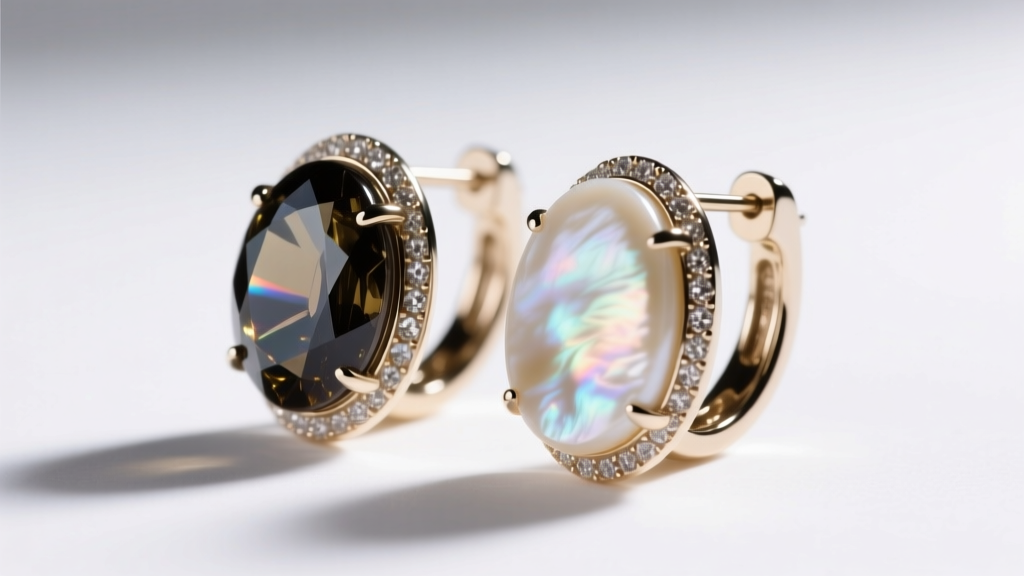
Many variations of the Pomellato Arabesque earrings incorporate hardstone inlays, such as smoky quartz, mother-of-pearl, or onyx, backed by a reflective gold foil or left translucent. These materials introduce entirely different physical vulnerabilities compared to metals and diamonds. Understanding the Mohs hardness and specific gravity of these inlays is critical for preventing catastrophic damage.
| Material | Mohs Hardness | Cleavage / Fracture | Primary Vulnerability |
|---|---|---|---|
| 18k Rose Gold | 2.5 - 3.0 | None (Malleable) | Surface scratching, copper oxidation |
| Brown Diamond | 10 | Perfect (Octahedral) | Chipping along cleavage planes if struck |
| Smoky Quartz | 7 | Conchoidal Fracture | Thermal shock, hard impacts, ultrasonic cavitation |
| Mother-of-Pearl | 2.5 - 4.5 | None | Acid etching, dehydration, severe scratching |
| Onyx (Chalcedony) | 6.5 - 7 | None | Blunt force trauma, extreme thermal shifts |
The Dangers of Ultrasonic Cleaning
A common failure mode for luxury hardstone jewelry is the improper use of ultrasonic cleaners. While ultrasonic waves are excellent for removing sebum and lotion buildup from diamond pave, they are devastating to smoky quartz and mother-of-pearl. High-frequency vibrations can exploit microscopic internal fissures in quartz, causing the stone to shatter from the inside out. Similarly, the aragonite and conchiolin layers of mother-of-pearl can delaminate or lose their iridescent luster when subjected to the harsh chemical solvents and cavitation bubbles present in ultrasonic baths.
Practical Wearability and Maintenance Framework
To maximize the lifespan of your Pomellato Arabesque earrings, implement a maintenance routine tailored to their specific material composition. Because the design features a mix of porous hardstones, reactive copper-alloyed gold, and densely packed diamonds, a one-size-fits-all cleaning approach will inevitably cause damage.
- Routine Cleaning: Use only a soft, untreated microfiber cloth to gently wipe the 18k rose gold and hardstones after wear. This removes acidic sweat and cosmetic residues that can etch mother-of-pearl or accelerate copper oxidation.
- Deep Cleaning (Diamonds Only): If the brown diamond pave requires deeper cleaning, use a soft-bristled baby toothbrush dipped in a solution of warm distilled water and a single drop of pH-neutral dish soap. Avoid the hardstone areas entirely.
- Storage Protocol: Store the earrings in a climate-controlled environment. Mother-of-pearl contains organic proteins that can dehydrate and crack in excessively dry environments (like a safety deposit box without a humidity buffer). Keep them in their original Pomellato presentation box, which is lined with non-abrasive, anti-tarnish fabric.
Ethical Sourcing and Market Value
Beyond physical properties, the modern valuation of high jewelry is intrinsically linked to material provenance. Pomellato is a certified member of the Responsible Jewellery Council (RJC), ensuring that the 18k gold and diamonds used in the Arabesque collection adhere to strict ethical, social, and environmental standards. As of 2026, collectors place a premium on pieces that offer full chain-of-custody documentation. The use of ethically sourced brown diamonds and responsibly mined hardstones not only supports sustainable mining practices but also future-proofs the investment value of the earrings in the secondary luxury market.
Ultimately, the Pomellato Arabesque earrings are not just decorative accessories; they are complex assemblies of distinct geological and metallurgical materials. By respecting the unique properties of 18k rose gold, lattice-deformed brown diamonds, and delicate hardstone inlays, wearers can ensure these architectural masterpieces retain their structural integrity and visual brilliance for generations.


