Possum Earrings: 2026 Budget & Value Buying Guide
Discover if possum earrings are worth the price. Our 2026 value guide breaks down materials, enamel types, gauge sizes, and pricing tiers.

The 2026 Market for Alternative Novelty Jewelry
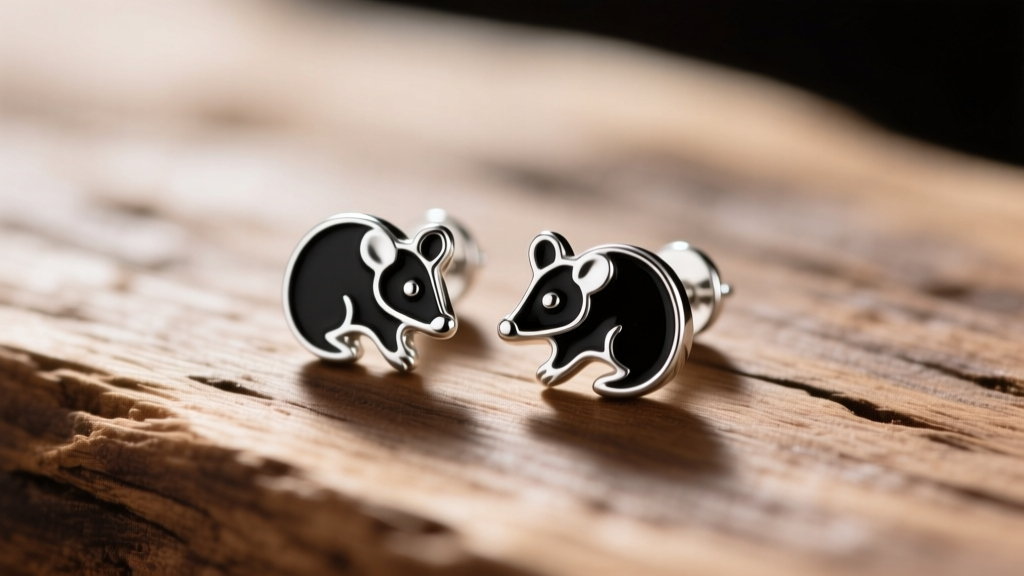
The rise of goblincore and cottagecore aesthetics has firmly cemented the opossum as a beloved mascot in alternative fashion. Consequently, the demand for possum earrings has surged, flooding the market with everything from $2 dropshipped trinkets to $60 artisan-crafted heirlooms. For the discerning buyer, this creates a significant value assessment challenge. Are you paying for genuine craftsmanship, or merely a novelty markup on cheap base metals? In 2026, the novelty jewelry market has heavily bifurcated. Fast-fashion retailers rely on automated casting and epoxy resins, while independent metalsmiths are utilizing traditional vitreous enameling and precious metals. Understanding the anatomical and material differences between these tiers is the only way to accurately assess the true value of your next pair of possum earrings.
Material Tiers: What Are You Actually Paying For?
The base metal dictates the longevity, weight, and skin-safety of any earring. When shopping for animal-themed novelty jewelry, you will predominantly encounter three material categories. Below is a breakdown of the 2026 pricing landscape and material realities.
| Material Grade | Typical Price Range | Durability & Failure Modes | Best For |
|---|---|---|---|
| Zinc Alloy (Zamak) | $3 - $12 | Highly porous, prone to pitting, heavy, electroplating flakes within months. | Occasional wear, cosplay, fast fashion. |
| Solid Brass / Bronze | $15 - $28 | Excellent casting detail, but reacts with sweat to create verdigris (green skin) if unsealed. | Daily wear (requires clear coat sealing). |
| 925 Sterling Silver | $35 - $75 | Hypoallergenic, holds enamel securely, develops a removable patina over time. | Heirloom quality, sensitive ears, daily wear. |
According to The Spruce Crafts, zinc alloys like Zamak are favored in mass production because of their low melting point, which allows for highly detailed, inexpensive molds. However, Zamak is inherently brittle. If you drop a Zamak possum dangle earring on a hard tile floor, the post or the loop is highly likely to snap. Sterling silver, while softer, possesses a tensile flexibility that allows bent posts to be straightened without catastrophic failure.
The Enamel Deception: Cold vs. Hard Enamel
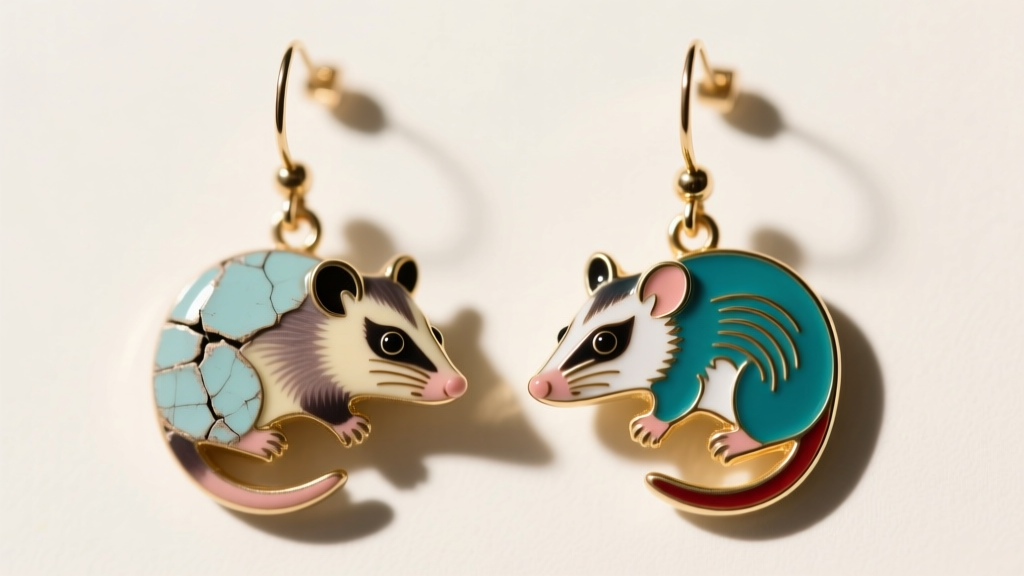
Most possum earrings rely on color to define the animal's fur, eyes, and snout. The method used to apply this color is the single biggest indicator of value.
Cold Enamel (Epoxy Resin)
Often deceptively marketed simply as 'enamel,' cold enamel is actually a two-part epoxy resin poured into the metal recesses. It cures at room temperature. While cheap and vibrant initially, cold enamel is highly susceptible to UV yellowing, shrinking, and peeling. In budget possum earrings, you will frequently find the 'paint' popping out in a single, hard plastic shell after a few months of wear.
Vitreous (Hard) Enamel
True vitreous enamel is finely ground glass fused to metal in a kiln at temperatures exceeding 1,400°F (760°C). This creates a permanent, scratch-resistant bond. When evaluating a $45 sterling silver possum earring, check the listing for 'kiln-fired' or 'vitreous' enamel. The glass-like finish will not yellow, and it provides a luminous depth that resin simply cannot replicate.
Hardware, Gauge Sizes, and the 'Cheese Cutter' Effect
A critical, often overlooked aspect of budget assessment is the earring post and wire gauge. The thickness of the metal wire that passes through your earlobe drastically impacts both comfort and structural integrity.
- 22-Gauge (0.64mm): Frequently used in ultra-cheap novelty earrings to save on metal costs. This wire is dangerously thin for heavy dangles and can easily bend, snap, or cause the 'cheese cutter effect,' where the thin wire slowly slices through the earlobe tissue under the weight of the earring.
- 20-Gauge (0.81mm): The industry standard for standard lobe piercings. It offers a balance of comfort and strength, suitable for most medium-sized possum studs and lightweight dangles.
- 18-Gauge (1.02mm): The ideal specification for heavy, oversized possum dangles or cartilage placements. It provides the necessary rigidity to support the weight of the jewelry without warping.
Always check the product specifications for the exact gauge size. If a seller lists 'standard post' without providing the millimeter or gauge measurement, it is highly likely they are using flimsy 22-gauge wire to cut manufacturing costs.
Allergy Risks in Fast-Fashion Novelty Jewelry
The most severe hidden cost of budget possum earrings is contact dermatitis. To achieve a silver or gold look on cheap zinc alloy or brass, manufacturers use thin electroplating. The flash-plating on a $4 pair of earrings is often less than 0.1 microns thick. Within weeks, friction and sweat wear through this microscopic layer, exposing the underlying alloy.
Many of these base alloys contain nickel as a hardening agent. The Mayo Clinic notes that nickel allergy is one of the most common causes of allergic contact dermatitis, resulting in severe itching, redness, and blistering of the earlobe. If you have sensitive skin, the 'value' of a cheap pair of earrings is immediately negated by the medical discomfort and the need to discard the jewelry. Investing in solid 925 sterling silver or implant-grade titanium posts is a non-negotiable requirement for allergy sufferers.
Value Verdict: Fast Fashion vs. Indie Artisans
When conducting your final budget assessment, consider the cost-per-wear and the ethical production model. Fast-fashion possum earrings are mass-cast in overseas factories, often with poor quality control regarding lead and cadmium content in the base metals. Conversely, independent metalsmiths on platforms like Etsy typically carve their own master waxes, cast in small batches, and hand-finish each piece.
While an indie-crafted pair of hard-enameled sterling silver possum earrings may cost $55 upfront, their lifespan is measured in decades, not weeks. They can be polished, re-enameled if severely damaged, and safely worn in healed piercings without the risk of heavy metal exposure or allergic reactions.
Care and Maintenance Framework
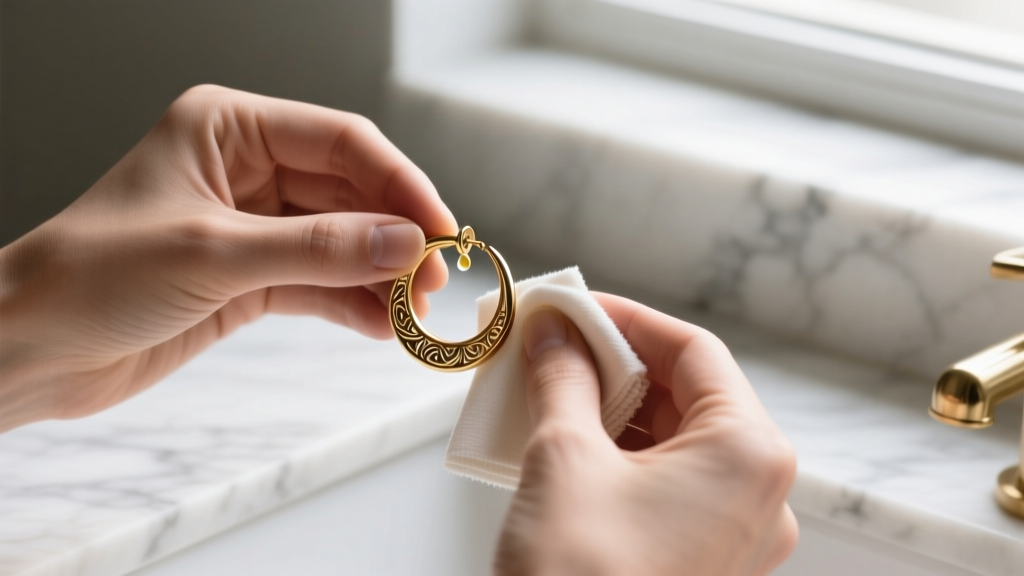
To maximize the ROI on your jewelry, implement a strict maintenance routine, particularly for brass and silver pieces.
- Seal Your Brass: If you purchase solid brass possum earrings, apply a thin coat of clear jewelry sealant or even clear nail polish to the post and back of the earring to prevent verdigris and protect your skin.
- Dry Storage: Store enamel and silver pieces in an anti-tarnish cloth pouch. Humidity accelerates the oxidation of silver and degrades the adhesive bonds in cold-enamel resin pieces.
- Chemical Avoidance: Never wear novelty enameled jewelry in chlorinated pools or hot tubs. Chlorine will permanently cloud vitreous enamel and instantly strip the flash-plating off budget alloy earrings.
Final Thoughts
Possum earrings are a fantastic way to inject personality and alternative flair into your wardrobe. However, treating them as mere disposable accessories leads to a cycle of repetitive purchasing and skin irritation. By scrutinizing the base metal, demanding proper gauge thicknesses, and understanding the vast difference between epoxy resin and kiln-fired glass, you can confidently navigate the 2026 market. True value in novelty jewelry is found where artistic expression meets metallurgical integrity.


