How to Restore & Repair Betsey Johnson Gingerbread Earrings
Learn how to restore vintage Betsey Johnson gingerbread earrings. Expert troubleshooting for chipped enamel, cloudy rhinestones, and broken posts.

The Nostalgia and Market Value of Betsey Johnson Gingerbread Earrings
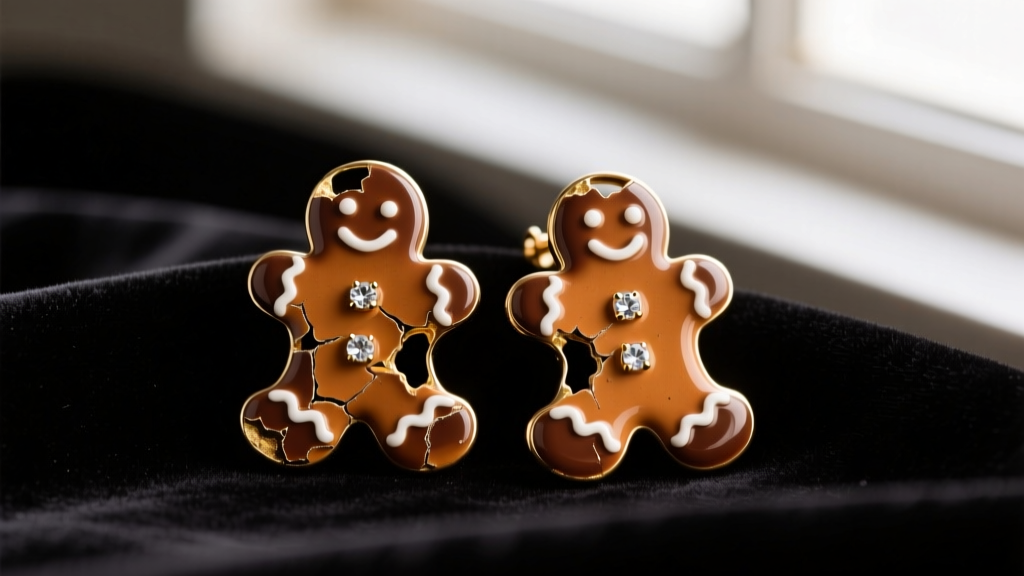
As Y2K and 2010s fashion nostalgia continue to dominate the secondary market in 2026, vintage Betsey Johnson jewelry has seen a massive resurgence. Among the most coveted holiday collectibles are the Betsey Johnson gingerbread earrings, typically released in her mid-2000s to early 2010s winter collections. Featuring whimsical gingerbread man motifs, heavy gold-tone plating, and intricate cold enamel work, these earrings are highly sought after on platforms like Depop and eBay. However, because they are classified as costume jewelry, they are notoriously fragile. The cast base metals, glued rhinestones, and epoxy-based enamels are prone to specific failure modes over time. Whether you have inherited a pair, scored them at a thrift store, or are trying to salvage your own childhood favorites, this comprehensive troubleshooting guide will walk you through the exact materials and techniques needed to restore your Betsey Johnson gingerbread earrings to their former glory.
The Anatomy of a Vintage Betsey Holiday Earring
Before attempting any repairs, it is crucial to understand the materials you are working with. Betsey Johnson’s holiday earrings were rarely made of solid precious metals. Instead, they rely on a specific combination of materials that dictate how they must be cleaned and repaired:
- Base Metal: Most gingerbread motifs are cast from a zinc alloy or pot metal. This material is heavy but porous, and it is plated with a thin layer of gold-tone or silver-tone finish.
- Cold Enamel: The brown and white details on the gingerbread men are not kiln-fired vitreous enamel. They are a pigmented epoxy resin (cold enamel) painted into the recesses of the casting. This material is highly susceptible to chipping upon impact and yellowing from UV exposure.
- Rhinestones: The decorative accents are typically glass rhinestones with a delicate metallic foil backing. They are secured into shallow cast bezels using industrial adhesives that dry out and become brittle over a decade later.
Diagnosing Common Flaws in Gingerbread Earrings
When evaluating a damaged pair of Betsey Johnson gingerbread earrings, you will typically encounter one of three primary issues. Identifying the exact failure mode is the first step in the restoration process.
1. Cloudy or Blackened Rhinestones
If the rhinestones on the gingerbread man's buttons or bowtie look cloudy, gray, or black, the stones themselves are likely not dirty. Glass rhinestones rely on a microscopic foil backing to create their sparkle. When the original factory adhesive fails, moisture seeps into the bezel and oxidizes the foil backing. No amount of surface cleaning will fix this; the stones must be carefully removed and replaced.
2. Chipped or Shrunken Enamel
Drops onto hard surfaces will cause the rigid cold enamel to chip, revealing the raw pot metal underneath. Additionally, older pairs may exhibit 'shrinkage,' where the epoxy enamel pulls away from the metal walls of the casting due to decades of temperature fluctuations.
3. Sheared Earring Posts
The post is usually soldered or glued to a small brass pad, which is then affixed to the back of the zinc casting. Due to the weight of the gingerbread motif, the leverage placed on the post often causes the brass pad to sheer right off the porous zinc back.
The Adhesive Matrix: Choosing the Right Glue
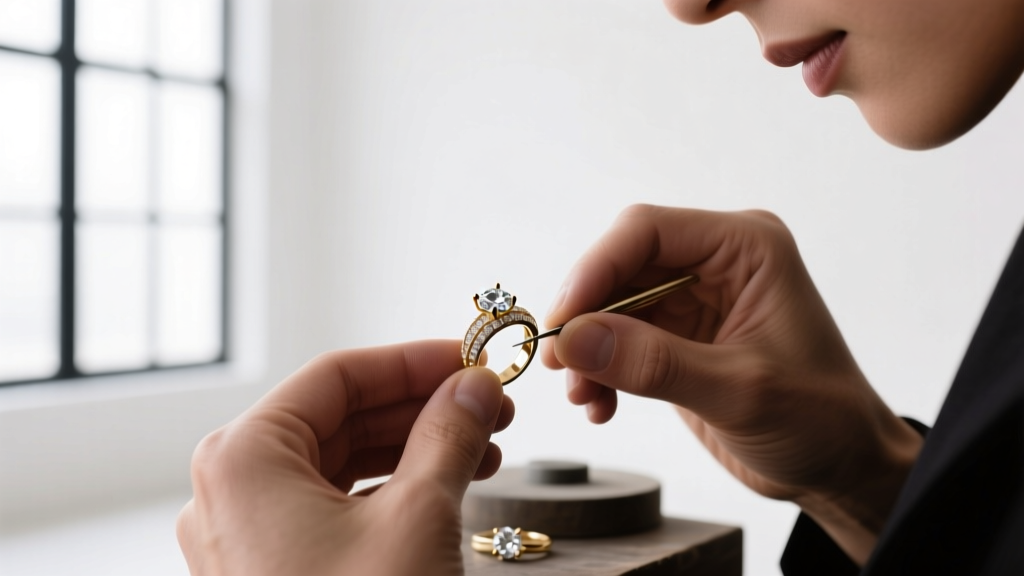
Using the wrong adhesive is the most common mistake in costume jewelry repair. Superglue (cyanoacrylate) is strictly forbidden; it emits fumes that permanently cloud glass rhinestones and creates a brittle bond that shatters under pressure. Below is the professional adhesive matrix for restoring Betsey Johnson earrings.
| Adhesive Type | Best Use Case | Cure Time | Removability |
|---|---|---|---|
| GS Hypo Cement | Flat-back rhinestones, delicate foil work | 1-2 Hours | Peelable with tweezers |
| Devcon 5-Minute Epoxy | Reattaching earring posts to pot metal | 5 Minutes (24hr full cure) | Permanent / Heat removable |
| UV Resin (Hard) | Filling chipped enamel, doming | 2-3 Minutes (under UV lamp) | Sandable / Permanent |
| E6000 Jewelry & Bead | Heavy charm attachments, flexible joints | 24-72 Hours | Scrapable |
For sourcing high-quality replacements and adhesives, professional jewelers frequently rely on Fire Mountain Gems, which carries archival-quality glues and precise rhinestone sizes necessary for vintage Betsey pieces.
Step-by-Step Restoration Guides
Restoring Chipped Gingerbread Enamel with UV Resin
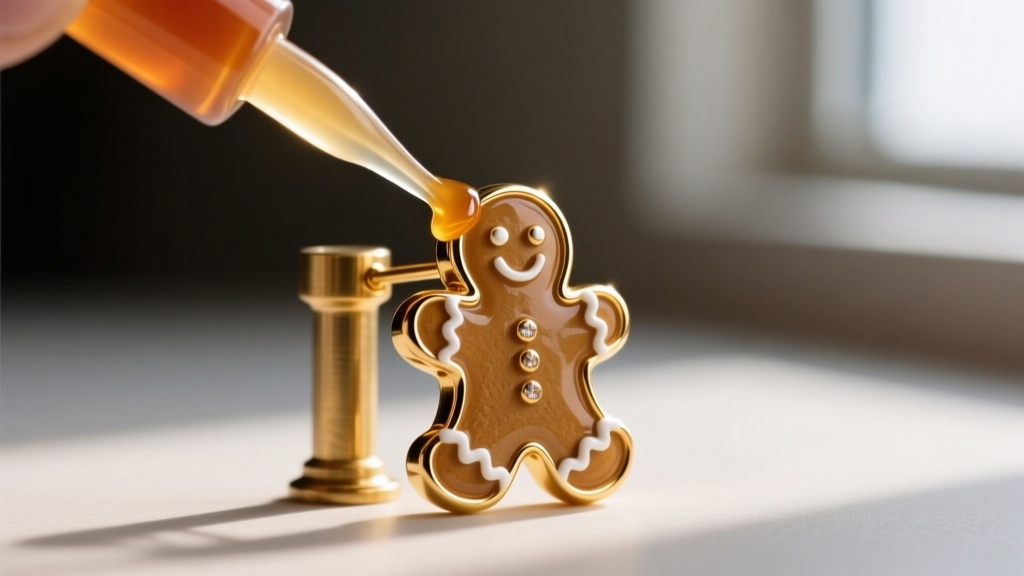
To fix a chip in the brown enamel of the gingerbread body, you cannot use standard paint, as it will lack the glassy depth of the original cold enamel. Instead, use a clear, hard UV resin mixed with a drop of brown alcohol ink. Using a fine dental pick, carefully drop the tinted resin into the chipped recess. Do not overfill; the resin will self-level. Cure it under a 36W UV LED lamp for 60 seconds. If the repair shrinks slightly upon curing, apply a second micro-drop and cure again. Finally, use a 3000-grit micro-mesh pad to gently buff the repaired spot flush with the surrounding original enamel.
Reattaching a Sheared Earring Post
If the earring post has snapped off the back, do not simply glue it back onto the smooth, oxidized zinc. You must create a mechanical bond. Take a piece of 400-grit sandpaper and rough up the back of the gingerbread casting where the post belongs, as well as the brass pad of the new post. Clean both surfaces with isopropyl alcohol. Mix a two-part steel-reinforced epoxy like Devcon. Apply a microscopic amount to the brass pad—excess epoxy will squeeze out and ruin the finish. Press the post firmly into place, use a binder clip with padded jaws to clamp it, and let it cure undisturbed for a full 24 hours.
Replacing Oxidized Rhinestones
Removing dead rhinestones requires patience. Use a heated wax pen or a sewing needle warmed slightly over a flame to gently soften the old, brittle glue. Lift the dead stone out without scratching the gold-tone bezel. Clean the empty bezel with a toothpick dipped in acetone. Betsey Johnson typically used SS12 (3.0-3.2mm) or SS16 (3.8-4.0mm) flat-back glass rhinestones for her holiday motifs. Apply a tiny dot of GS Hypo Cement into the bezel using the needle tip, drop the new glass stone in, and press gently. The Ganoksin Jewelry Making Network offers excellent archival tutorials on handling foil-backed stones without damaging their delicate reflective coatings.
Cleaning Tarnished Base Metal Safely
The gold-tone plating on vintage Betsey Johnson earrings is exceptionally thin. Never use baking soda paste, toothpaste, or silver dip solutions, as these mild abrasives and chemicals will strip the plating right off the pot metal, leaving you with a dull gray earring. To clean the metal, use a few drops of mild dish soap in lukewarm water and a baby-soft toothbrush. Avoid scrubbing the high-relief edges (like the gingerbread man's arms and head), as these areas experience the most wear and are closest to the bare base metal. Dry immediately with a microfiber cloth to prevent water spots.
Archival Storage and Preventative Care
Once your Betsey Johnson gingerbread earrings are fully restored, proper storage is vital to prevent the need for future troubleshooting. Store them in an acid-free tissue paper pouch inside a rigid jewelry box. Always include a 3M anti-tarnish strip and a small silica gel packet to control humidity, which is the primary enemy of rhinestone foil backing. Keep them away from direct sunlight to prevent the UV resin repairs and original cold enamel from yellowing over time. With the right materials and meticulous care, these iconic holiday earrings can easily survive another two decades of seasonal wear.


