Premium Earring Ideas DIY: 2026 Occasion Gift Guide
Discover premium earring ideas DIY kits for 2026 gifting. Match bespoke handmade jewelry projects to birthdays, weddings, and holidays.

The 2026 Shift to Premium Bespoke Gifting
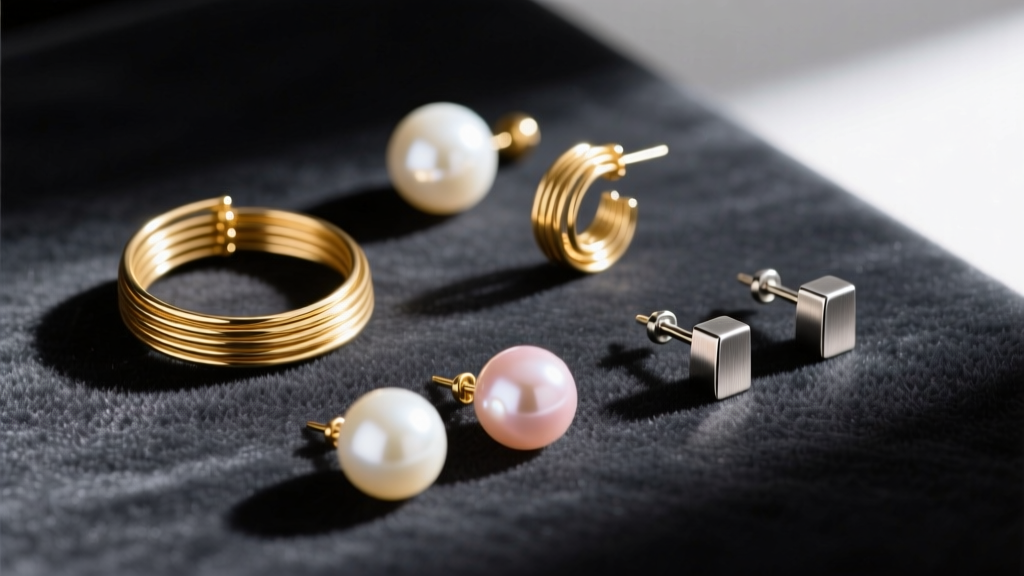
The landscape of handmade jewelry has evolved dramatically. As we navigate 2026, the phrase earring ideas diy no longer conjures images of cheap plastic beads or macaroni necklaces. Today’s DIY jewelry makers are sourcing museum-grade gemstones, implant-grade metals, and precision tools to create bespoke pieces that rival high-end retail boutiques. When it comes to gifting, a handcrafted pair of earrings carries an emotional weight that mass-produced jewelry simply cannot match. Whether you are crafting for a bridal party, a milestone birthday, or a holiday stocking stuffer, mastering premium DIY earring construction ensures your gifts are cherished, worn daily, and safe for sensitive skin.
Material Masterclass: Sourcing for Sensitive Ears
The fastest way to ruin a thoughtful gift is to cause an allergic reaction. Approximately 20% of the population has a nickel sensitivity, meaning standard craft-store ear wires are a massive liability. To elevate your DIY earrings to a professional, hypoallergenic standard, you must understand metallurgy and gauge sizing.
- ASTM F136 Implant-Grade Titanium: The gold standard for sensitive ears. Unlike surgical steel (which contains trace nickel), titanium is entirely biocompatible. Source pre-made titanium posts with soldered pads for stud earrings.
- Niobium Ear Wires: Niobium is a highly reactive metal that can be anodized into stunning colors without using dyes or platings that can flake off. It is completely nickel-free and ideal for French hook styles.
- 14/20 Gold-Filled Wire: Do not confuse this with gold-plated wire. According to Rio Grande, a leading jewelry supplier, 14/20 gold-filled wire consists of a brass core mechanically bonded with a thick outer layer of 14k gold that makes up exactly 5% of the total weight. It will not flake or tarnish like plated alternatives, making it perfect for wire-wrapping.
For standard earlobe piercings, 20-gauge (0.81mm) wire is the industry standard. For delicate wire-wrapping and weaving, step down to 22-gauge (0.64mm) or 24-gauge (0.51mm) dead-soft wire.
Occasion-Matched Earring Ideas DIY Projects
Matching the complexity and style of your DIY project to the specific occasion ensures your gift resonates with the recipient. Here are three premium project frameworks tailored for 2026’s most common gifting scenarios.
Bridesmaid Proposals: Freshwater Pearl Briolettes
Pearls are timeless for bridal parties, but standard glued pearl studs feel impersonal. Instead, create wire-wrapped freshwater pearl briolette drops. Purchase AAA-grade freshwater pearls with top-drilled holes. Using 22-gauge dead-soft 14/20 gold-filled wire, create a simple wrapped briolette loop. The key to a retail finish is making your wraps tight and uniform. Use a pair of nylon jaw pliers to pull the wire taut without marring the gold surface. Suspend these from 14k gold-filled leverback ear wires for a secure, premium feel that photographs beautifully on the wedding day.
Milestone Birthdays: Birthstone Wire-Wraps
Birthstone jewelry is a classic birthday gift, but you must account for gemstone hardness. The Gemological Institute of America (GIA) utilizes the Mohs scale of mineral hardness to rate gems. If you are wire-wrapping a soft stone like an Opal (Mohs 5.5-6.5) or a Moonstone (Mohs 6-6.5), you must use dead-soft wire and avoid applying heavy pressure with your pliers, which can cause cleavage fractures. For harder stones like Sapphires (Mohs 9), you can use half-hard wire and execute tighter, more structured bezel wraps. Set these in minimalist 20-gauge geometric frames for a modern, everyday look.
Holiday Stocking Stuffers: Minimalist Geometric Studs
For holiday gifting where you might need to make multiple pairs, efficiency and modern aesthetics are key. Geometric wire studs are incredibly chic and require minimal components. Cut 2.5-inch lengths of 20-gauge half-hard sterling silver wire. Using round-nose pliers, form a tiny loop at one end (this will be the post loop). Bend the wire into sharp triangles or hexagons, using flat-nose pliers to create crisp corners. Once shaped, solder the final seam or use a secure cold-connection wrap. Finish by tumbling in a rotary tumbler with stainless steel shot for 45 minutes to work-harden the silver and give it a brilliant, scratch-resistant polish.
Sourcing & Budget Breakdown
A common misconception is that premium DIY jewelry is prohibitively expensive. While the initial tool investment is higher, the per-unit cost of scratch-sourcing high-end materials is often lower than buying pre-packaged, low-quality craft kits. Below is a cost comparison for producing a single pair of premium wire-wrapped gemstone drops.
| Component | Retail Craft Kit (Low Quality) | Scratch-Sourced Premium (High Quality) |
|---|---|---|
| Ear Wires / Posts | $0.15 (Base metal, nickel risk) | $0.80 (Niobium or Titanium) |
| Wire (per pair) | $0.30 (Copper with gold flash plating) | $1.20 (14/20 Gold-Filled) |
| Gemstones | $1.50 (Dyed quartz or glass) | $4.50 (Genuine AAA Briolettes) |
| Total Per Pair | $1.95 | $6.50 |
| Perceived Retail Value | $12.00 | $65.00+ |
As demonstrated, investing an extra $4.55 per pair yields a finished product that can easily command a $65+ retail value, making it an extraordinary high-impact gift.
Assembly Tools for a Retail Finish
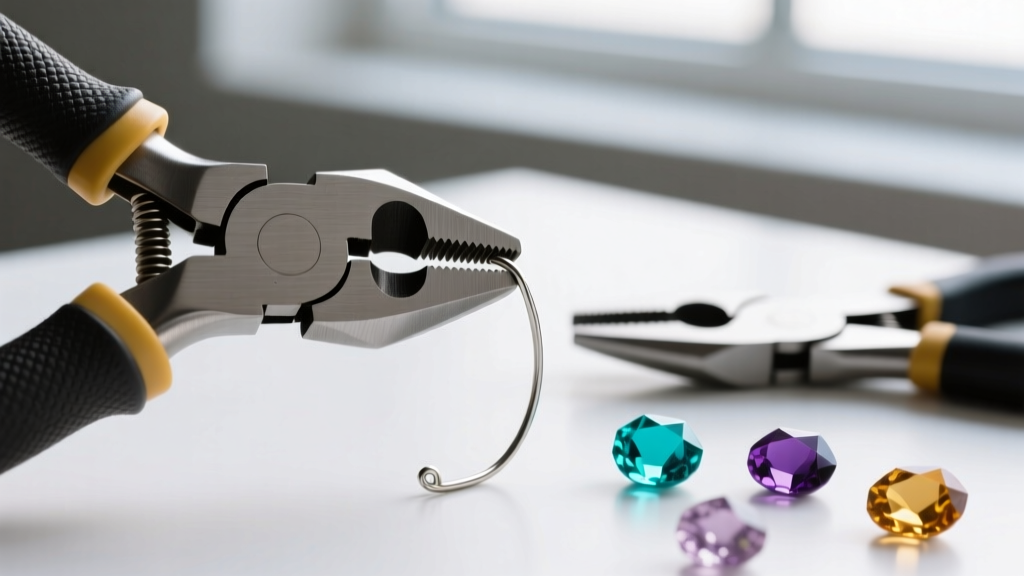
The difference between an amateur craft and a boutique-quality piece of jewelry lies entirely in the tools used. Standard hardware store pliers have serrated teeth that will permanently gouge and scratch soft precious metals. To achieve a flawless finish, your toolkit must include:
- Wubbers Nylon Jaw Pliers: Essential for gripping wire and pulling wraps tight without leaving tool marks on gold-filled or sterling silver wire.
- Lindstrom Flush Cutters: These cutters leave one side of the wire perfectly flat and the other side pinched. Always position the flat side against your wrap for a seamless, gapless finish.
- Tronex Round-Nose Pliers: High-carbon steel with perfectly smooth, conical jaws for creating uniform jump rings and wire loops.
- Agate Burnisher: Used to gently rub and harden the surface of the metal, pushing down any microscopic wire burrs that could catch on hair or clothing.
Packaging the Handmade Experience
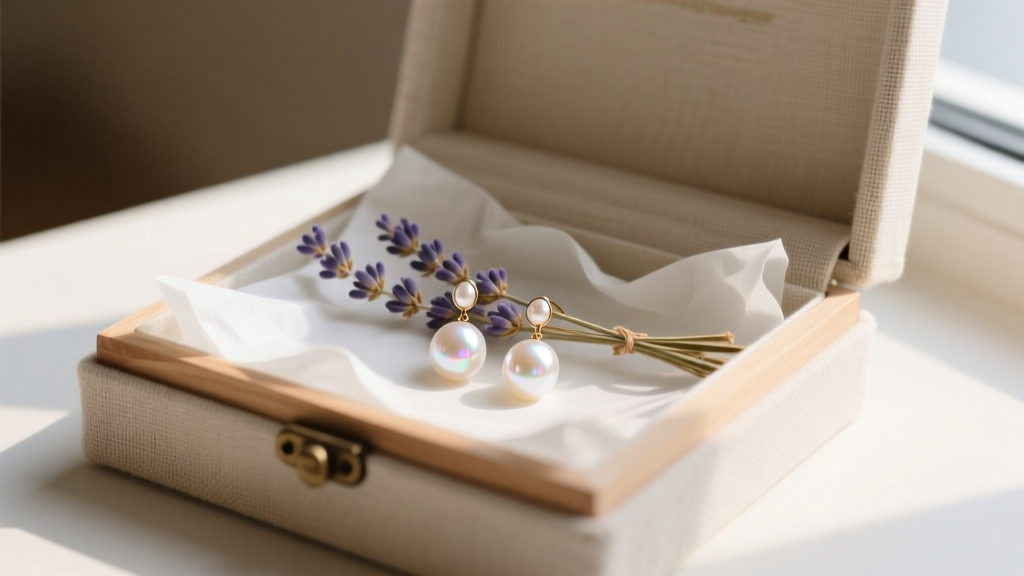
Presentation elevates a DIY project into a luxury gift. Avoid cheap plastic baggies. Source rigid, two-piece setup boxes wrapped in linen or textured paper. Line the interior with anti-tarnish treated flannel, which absorbs sulfur compounds from the air and keeps sterling silver and copper components from oxidizing. Include a small, heavy-stock card detailing the materials used—specifically noting the hypoallergenic nature of the ear wires and the origin of the gemstones. This transparency not only shows care but educates the recipient on the true value of the bespoke piece they are holding.
"The true value of handmade jewelry isn't just in the materials, but in the deliberate, intentional hours spent shaping metal and stone specifically for the person who will wear it."
By focusing on premium materials, precise techniques, and thoughtful occasion-matching, your 2026 DIY earring gifts will transcend the ordinary, offering a deeply personal and luxurious experience that mass-market jewelers simply cannot replicate.


