How to Prepare Earrings for 2026 Ear Curation Trends
Learn how to prepare earrings for 2026's curated ear trends. Discover expert tips on material grading, gauge sizing, sterilization, and layout mapping.

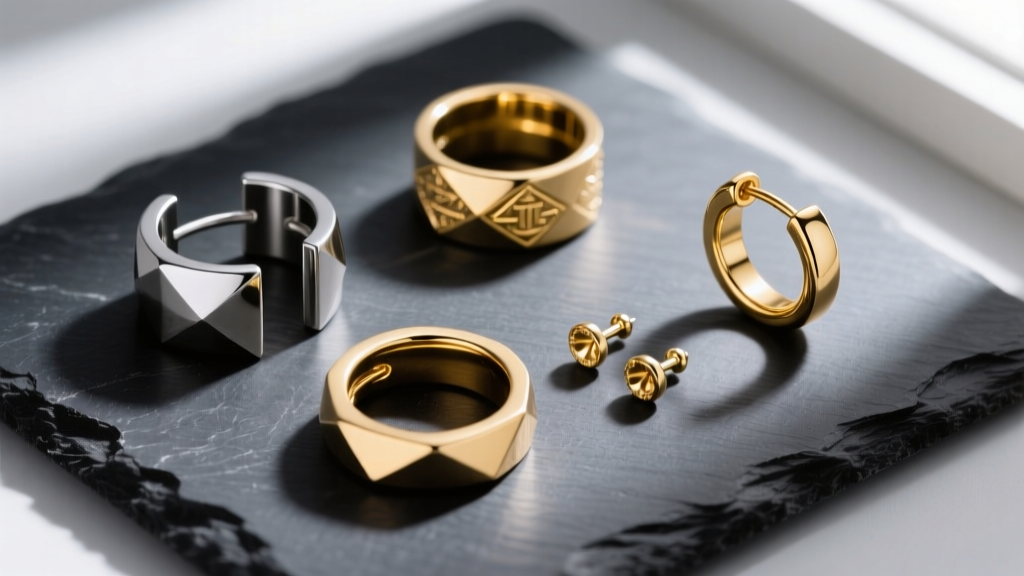
The 2026 Ear Curation Shift: Why Preparation is Everything
In the contemporary jewelry landscape, the concept of the "curated ear" has evolved from a niche subculture into a mainstream architectural pursuit. As we navigate the style movements of 2026, the haphazard "sticker piercing" approach of the past decade has been entirely replaced by intentional, scaffolded ear curation. Trends like the T-bar conch, the flat helix cluster, and the daith-helix chain link require meticulous forethought. Consequently, understanding how to prepare earrings for these advanced placements is no longer just about basic hygiene; it is a multi-step process of material auditing, anatomical mapping, and mechanical verification.
Preparing your jewelry collection for a seasonal trend shift or a new piercing project requires a professional-grade mindset. Whether you are transitioning from initial healing posts to downsized statement pieces, or resurrecting vintage gold hoops for a modern lobe stack, failure to properly prep your earrings can result in contact dermatitis, fistula tearing, and compromised aesthetic symmetry. This guide provides a masterclass in curatorial preparation, ensuring your jewelry is safe, structurally sound, and ready for the 2026 aesthetic.
Step 1: Material Verification and Grade Checking
The foundational step in preparing earrings for wear—especially for cartilage or freshly healed lobes—is verifying the metallurgical integrity of your pieces. The market is saturated with misleading terms like "surgical steel" or "hypoallergenic," which often mask high nickel content. According to the Association of Professional Piercers (APP), only specific, verifiable grades of metal should be introduced to the body.
When auditing your jewelry box, you must separate implant-grade materials from decorative-only alloys. 316L stainless steel, while common in cheap mall kiosks, contains up to 10% nickel and is a primary culprit behind delayed cartilage healing and localized dermatitis. For 2026's high-end curation trends, you must prep and prioritize ASTM F-136 titanium, niobium, or nickel-free 14k/18k solid gold.
Material Grade & Suitability Matrix
| Material | Standard / Grade | Best Use Case | Avg. Price Range (Per Piece) |
|---|---|---|---|
| Titanium | ASTM F-136 (Implant Grade) | Initial piercings, sensitive ears, heavy daily wear | $40 - $120 |
| Gold | 14k or 18k Solid (Nickel-Free) | Healed piercings, luxury curation, statement pieces | $150 - $800+ |
| Niobium | Unalloyed (99.9% Pure) | Healed cartilage, anodized color variations | $35 - $90 |
| Steel | 316L (Surgical) | Strictly decorative, fully healed thick lobes only | $15 - $40 |
When verifying gold, rely on data from the Gemological Institute of America (GIA), which notes that lower karat golds (10k or 14k) often utilize nickel or zinc as hardening alloys. Always request a nickel-free guarantee from reputable brands like BVLA or Maria Tash when sourcing pieces for your curated stack.
Step 2: Gauge, Threading, and Post Length Assessment
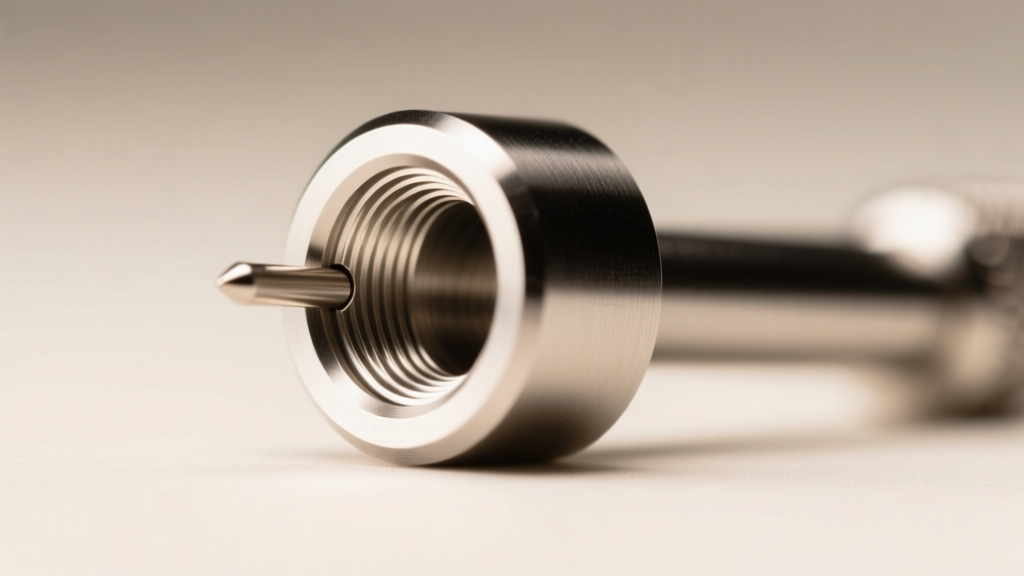
Once your materials are verified, the mechanical preparation begins. The physical structure of the earring post dictates how it interacts with your fistula (the piercing channel). In 2026, the industry standard for high-end body jewelry relies entirely on internally threaded or threadless (push-pin) mechanisms.
The Failure Mode of External Threading
If you are preparing older or budget earrings, check the threading. External threading features sharp, spiral grooves on the outside of the post that must pass directly through the piercing. This acts like a micro-file, scraping and tearing the delicate epithelial lining of the fistula upon insertion. To prep your collection properly, discard externally threaded jewelry for any cartilage use.
- Internally Threaded: The post is smooth, and the screw mechanism is hidden inside the decorative end. Ideal for secure, heavy gems.
- Threadless (Push-Pin): Uses tension-based friction. The pin is slightly bent before insertion to lock against the inside of the hollow post. This is the gold standard for 2026 constellation clusters, as it allows for seamless, snag-free swaps.
Downsizing Post Lengths
Preparing earrings for a healed piercing often requires "downsizing." Piercers typically use longer posts (5/16" or 3/8") to accommodate initial swelling. Once healed, wearing a post that is too long leads to the "cheese-cutter effect," where the heavy, leverage-prone jewelry slowly migrates through the tissue. Use a digital caliper to measure your healed fistula depth and swap to a snug 1/4" (6mm) or 3/16" (5mm) post for flat helixes and conches to ensure the jewelry sits flush against the anatomy.
Step 3: Sterilization and Deep Cleaning Protocols
A critical, often overlooked aspect of how to prepare earrings involves deep decontamination. Wiping a stored earring with an alcohol pad is entirely insufficient for removing microscopic sebum, dead keratinocytes, and environmental pathogens that accumulate in gemstone prongs and threading crevices.
"Jewelry that has been stored, worn by another person, or purchased secondhand must undergo rigorous mechanical cleaning before being introduced to a piercing. Ultrasonic cavitation is the most effective method for dislodging debris from complex settings." — Professional Piercing Hygiene Guidelines
The 2026 Ultrasonic Prep Protocol
To properly prep high-end earrings featuring intricate bezel or prong settings, follow this exact sequence:
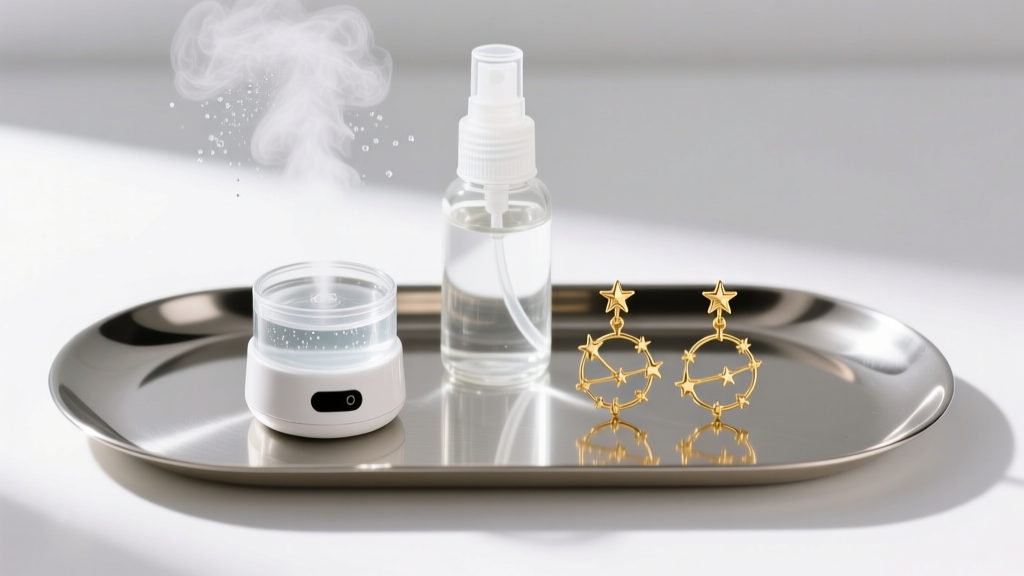
- Ultrasonic Bath: Submerge the jewelry in a 40kHz ultrasonic cleaner filled with warm water and a few drops of mild, ammonia-free dish soap. Run for exactly three minutes. The cavitation bubbles will safely blast debris out of microscopic crevices without scratching the metal.
- Rinse and Inspect: Rinse thoroughly under distilled water. Use a 10x jeweler's loupe to inspect the gemstone settings. Ensure no prongs are lifted, which could harbor bacteria or snag on hair.
- Chemical Sterilization: For fully healed piercings, submerge the jewelry in a 70% isopropyl alcohol bath for 10 minutes. Note: Never use alcohol on porous gems like opals, pearls, or emeralds, as it will strip their moisture and cause catastrophic cracking.
- Drying: Dry with a lint-free microfiber cloth or use a cool-setting hair dryer to blow moisture out of threadless pin joints.
Step 4: The Canvas Layout – Mapping Your Piercings
Preparing your earrings is ultimately about preparing your canvas. The 2026 trend of "architectural ear curation" requires you to map out your jewelry before making any permanent piercing decisions or committing to a specific daily stack. Visual weight distribution is paramount; an ear overloaded with heavy, dark metals on the upper helix and delicate, bright diamonds on the lower lobe will look anatomically unbalanced.
Mapping by Ear Anatomy
- The Flat Helix Cluster: Requires three to five threadless studs (typically 2mm to 4mm gems). Prep these by ensuring all posts are 16-gauge and 1/4" in length to prevent them from catching on headphones or masks.
- The Conch Statement: A large, singular 10mm or 12mm piece. Prep this by verifying the backing is a secure, flat-disc labret rather than a butterfly clutch, which will dig into the conch bowl and cause pressure necrosis.
- The Lobe Scaffold: Transitioning from standard studs to a seamless huggie and drop chain combination. Ensure the huggie's internal diameter (ID) perfectly matches your lobe thickness—usually 8mm to 10mm—to avoid the "cheese-cutter" migration mentioned earlier.
Final Thoughts on Curatorial Prep
Mastering how to prepare earrings for modern styling is what separates a chaotic jewelry box from a deliberate, high-end curated ear. By rigorously auditing your materials for implant-grade safety, rejecting external threading, utilizing ultrasonic deep-cleaning protocols, and mapping your pieces to your unique anatomical ridges, you elevate your jewelry from mere accessories to permanent, structural art. As the 2026 trends continue to push the boundaries of ear scaffolding and intricate metalwork, your preparation routine will ensure your curation remains as safe as it is visually striking.


