Beginner Guide: Using Pressure Earrings for Keloid Scars
Discover how pressure earrings for keloid scars work. Learn about materials, wear times, and expert tips to flatten earlobe keloids safely and effectively.

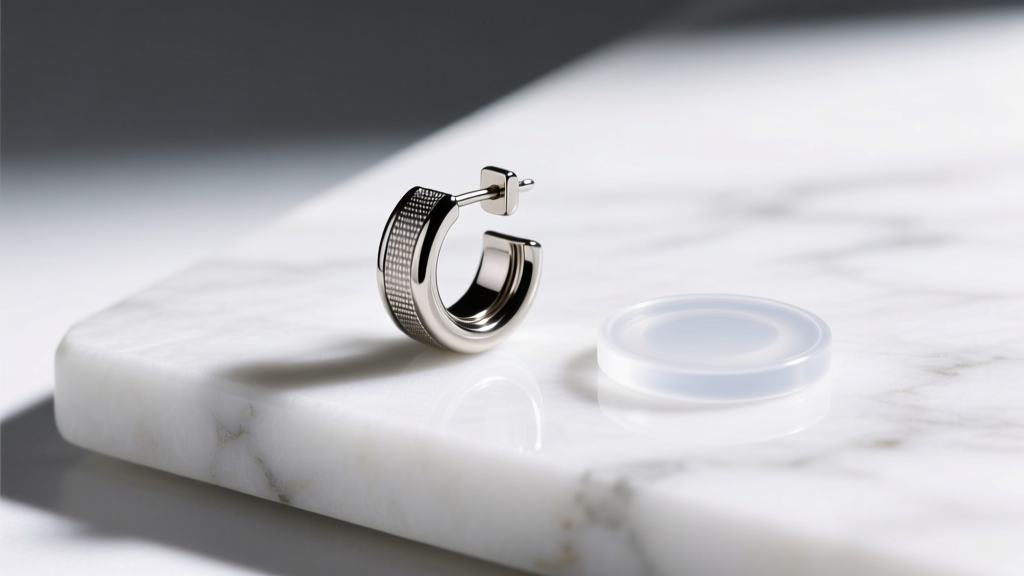
Dealing with a keloid on your earlobe can be incredibly frustrating. Unlike standard hypertrophic scars that stay within the boundaries of the original piercing, keloids are aggressive, benign tumors of scar tissue that continue to grow long after the initial wound has healed. For beginners exploring non-surgical or post-surgical management, pressure therapy is a gold-standard conservative treatment. But how exactly do these specialized devices work, and what should you look for when buying your first pair?
This beginner-friendly explainer breaks down the science, materials, and daily protocols for using pressure earrings for keloid management, ensuring you have the actionable knowledge needed to flatten scar tissue safely and effectively.
What Are Pressure Earrings for Keloid Scars?
Pressure earrings (often called keloid magnets or compression earrings) are specialized therapeutic devices designed to apply continuous, localized mechanical force to an earlobe keloid. By sandwiching the scar tissue between two flat surfaces, these earrings restrict the blood supply to the overactive fibroblasts (the cells responsible for producing collagen). Over time, this localized hypoxia forces the keloid to flatten, soften, and regress.
According to the American Academy of Dermatology, pressure therapy is highly recommended as an adjunct treatment, particularly after surgical excision or corticosteroid injections, to prevent the keloid from returning. However, they can also be used as a standalone treatment for smaller, newer keloids.
The Science: How Pressure Therapy Flattens Keloids
To understand why pressure earrings work, we have to look at a cellular process called mechanotransduction. When continuous pressure is applied to a keloid, three distinct biological changes occur:
- Hypoxia-Induced Collagenase Release: The pressure reduces local blood flow (ischemia). This oxygen-deprived environment triggers the release of collagenase, an enzyme that actively breaks down the dense, disorganized collagen bundles that make the keloid raised and hard.
- Fibroblast Apoptosis: The mechanical stress and lack of nutrients cause the overactive scar-producing cells (fibroblasts) to undergo apoptosis (programmed cell death), halting further scar expansion.
- Collagen Realignment: Continuous compression forces the chaotic collagen fibers to realign parallel to the skin's surface, resulting in a flatter, more pliable scar.
Clinical studies published in the National Center for Biotechnology Information (NCBI) demonstrate that consistent pressure therapy can significantly reduce keloid volume and improve pliability, provided the patient adheres to a strict daily wear schedule.
Magnetic vs. Screw-Back: Choosing the Right Mechanism
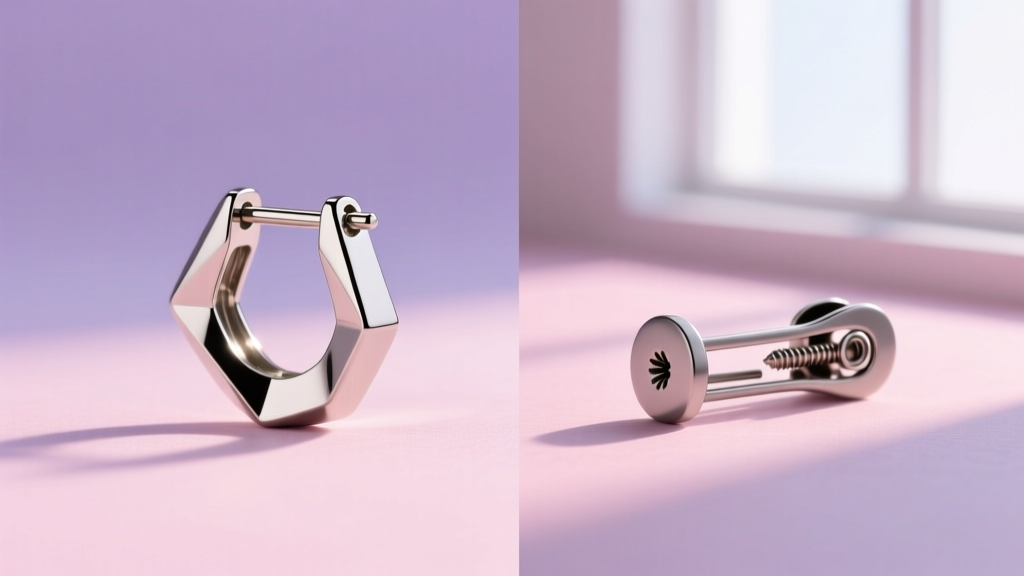
When shopping for pressure earrings for keloid management, beginners generally choose between two primary mechanisms: magnetic clasps and screw-back tension posts. Each has distinct advantages depending on the size and location of your scar.
| Feature | Magnetic Pressure Earrings | Screw-Back Tension Earrings |
|---|---|---|
| Mechanism | Neodymium magnets (N42/N52 grade) | Threaded post with a tension nut |
| Best For | Small to medium keloids; post-surgery | Large, thick, or stubborn keloids |
| Pressure Control | Fixed (determined by magnet strength) | Adjustable (user controls the tightness) |
| Price Range | $15 - $45 USD | $40 - $90 USD |
| Learning Curve | Very easy to apply and remove | Requires practice to avoid cross-threading |
Expert Tip: If you are treating a fresh surgical excision site, magnetic earrings with medical-grade silicone pads are usually preferred because they distribute pressure evenly without requiring a post to pass through the healing wound bed.
Material Grades and Specifications: What to Look For
Because keloid-prone skin is highly reactive and prone to inflammation, the materials touching your ear must be impeccably biocompatible. Never compromise on material quality to save a few dollars.
1. Implant-Grade Titanium (ASTM F136)
For any part of the earring that penetrates the skin (like a screw-back post), you must use ASTM F136 implant-grade titanium. This specific alloy is nickel-free and highly resistant to corrosion from bodily fluids. Avoid 'surgical steel' or 'stainless steel,' as these often contain nickel, which can trigger contact dermatitis and stimulate further keloid growth due to inflammation.
2. Biocompatible Magnet Coatings
Raw neodymium magnets will corrode rapidly when exposed to sweat and skin oils, releasing toxic nickel compounds. Ensure your magnetic earrings are coated in Parylene-C or encased in medical-grade epoxy resin. Parylene-C provides a pinhole-free, completely inert barrier that is safe for prolonged skin contact.
3. Medical-Grade Silicone Pads
Look for interchangeable silicone pads with a Shore A hardness of 20 to 30. This specific durometer provides enough cushion to prevent skin necrosis (tissue death from excessive pressure) while remaining firm enough to transmit compressive force to the underlying scar tissue.
A Beginner’s Daily Wear Protocol
The most common reason pressure therapy fails is poor patient compliance. Keloids require relentless, continuous compression to remodel. Follow this protocol for the best results:
- Wear Time: Aim for 12 to 24 hours a day. The absolute minimum for efficacy is 12 hours, but 23 hours is the clinical ideal. Remove them only for cleaning and showering.
- Duration of Treatment: Pressure therapy is a marathon, not a sprint. Expect to wear the earrings daily for 6 to 12 months. You will typically see noticeable softening within the first 8 weeks, but flattening takes much longer.
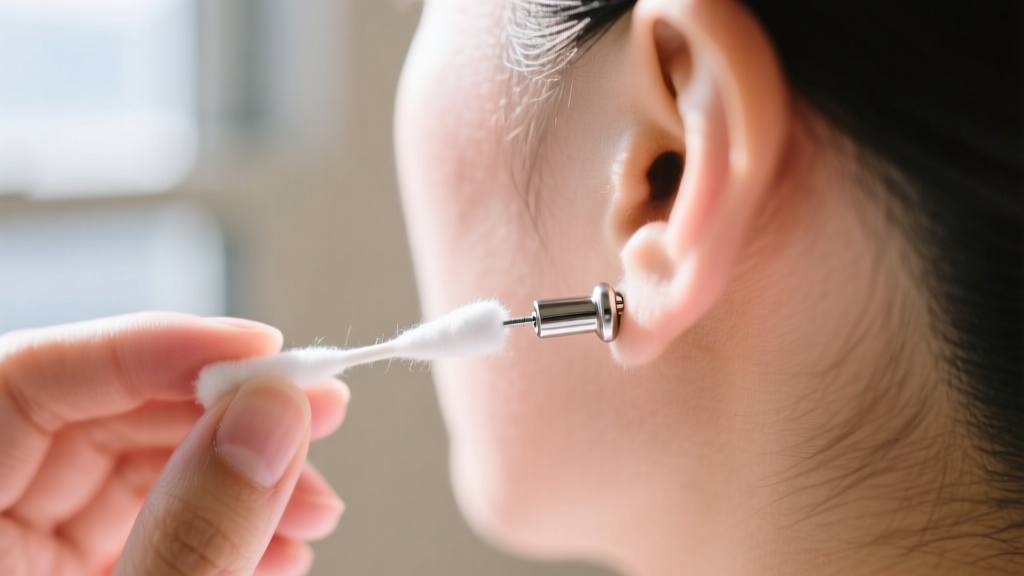
- Hygiene Routine: Clean the earrings and your earlobe twice daily. Use a sterile saline wound wash and a clean cotton swab to gently remove sebum and dead skin cells from the compression site. Avoid harsh alcohols or hydrogen peroxide, which can dry out the skin and cause micro-fissures.
Troubleshooting Common Issues
Even with the right gear, beginners often run into a few predictable hurdles. Here is how to troubleshoot them like a pro:
- Skin Necrosis (The 'Too Tight' Problem): If the skin under the earring turns white, purple, or develops an open sore, the pressure is too high. Blood flow has been completely cut off. Loosen the screw-back nut or switch to a weaker magnet immediately, and allow the skin to heal before resuming.
- Earring Slippage: If magnetic earrings keep sliding off, the keloid may be too thick for the magnetic field to bridge. Switch to a screw-back tension earring, or use a medical-grade skin adhesive tape on the outside of the magnet to provide supplementary grip.
- Itching and Redness: This usually indicates a buildup of sweat and bacteria, or a reaction to a low-quality metal alloy. Upgrade to ASTM F136 titanium and Parylene-coated magnets, and increase your cleaning frequency.
When to See a Dermatologist
While pressure earrings for keloid scars are highly effective for mild to moderate cases, they are not a cure-all for massive or highly aggressive tumors. The American Society for Dermatologic Surgery (ASDS) recommends combining pressure therapy with in-office treatments for optimal results.
"For thick, symptomatic keloids, combining intralesional corticosteroid injections (like Kenalog-40) with daily pressure therapy yields significantly higher flattening rates and lower recurrence rates than either modality used alone."
If your keloid is painful, rapidly expanding, or larger than a grape, consult a board-certified dermatologist. They can administer triamcinolone injections to rapidly break down the scar tissue, making your daily pressure earring protocol far more effective and comfortable.
By understanding the mechanics of pressure therapy, investing in high-quality biocompatible materials, and committing to a rigorous daily wear schedule, you can successfully reclaim the health and appearance of your earlobes.


