2026 Nepal Earrings Gift Guide: Match Styles to Occasions
Discover the perfect Nepal earrings for every occasion in our 2026 gift guide. Learn about authentic materials, lobe-safe weights, and styling tips.

The Allure of Himalayan Craftsmanship: Why Gift Nepal Earrings?
When it comes to gifting jewelry that carries both cultural weight and undeniable aesthetic appeal, Nepal earrings stand in a class of their own. Rooted in centuries-old Newari and Tibetan-Himalayan silversmithing traditions, these pieces are far more than mere accessories; they are wearable artifacts. In 2026, the demand for ethically sourced, artisan-crafted jewelry has surged, making authentic Himalayan pieces highly sought-after gifts for bohemian souls, travel enthusiasts, and collectors of statement jewelry.
Unlike mass-produced fast fashion jewelry, genuine Nepal earrings are often crafted using the lost-wax casting method or intricate repousse techniques, where artisans hammer metals from the reverse side to create low-relief designs. Whether you are shopping for a milestone anniversary, a boho-chic wedding, or a meaningful birthday present, understanding the nuances of these earrings—from material grades to structural weight—is essential for selecting the perfect pair.
Occasion Matching: Which Nepal Earrings for Whom?
Matching the recipient's lifestyle and the specific occasion is the cornerstone of a successful jewelry gift. Here is a targeted framework for selecting the right style.
The Boho Bride & Anniversary: Sterling Silver & Turquoise Drops
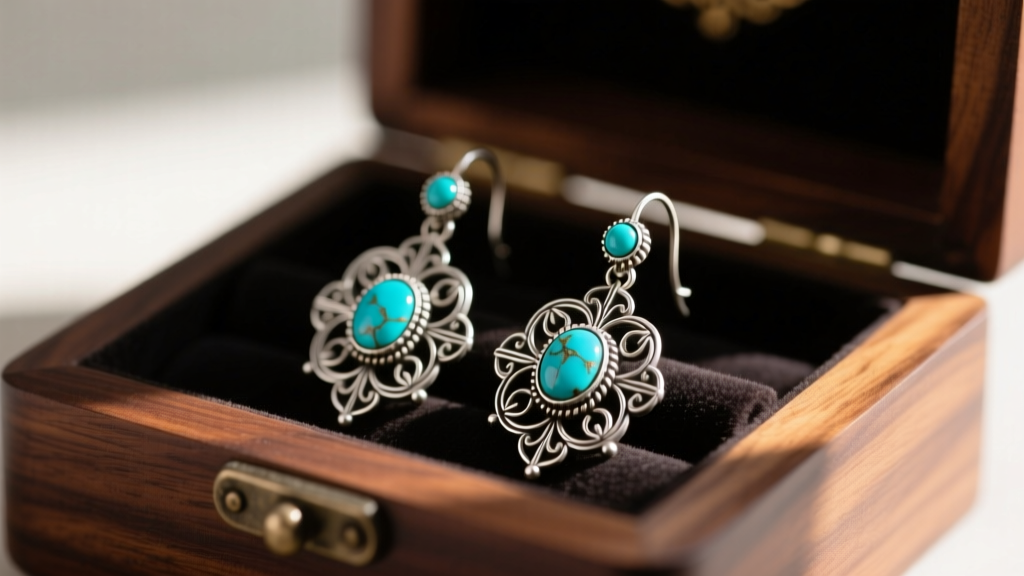
For a bohemian wedding or a significant anniversary, opt for 925 sterling silver dangles featuring natural turquoise. The oxidized silver provides a moody, vintage contrast that pairs beautifully with lace, linen, or silk bridal wear. Look for French wire hooks with a 20-gauge (0.8mm) thickness, which is the standard for comfortable lobe wear. These drops offer movement and catch the light, making them ideal for photography-heavy events.
The Everyday Wanderer: Lightweight Brass Studs & Small Hoops
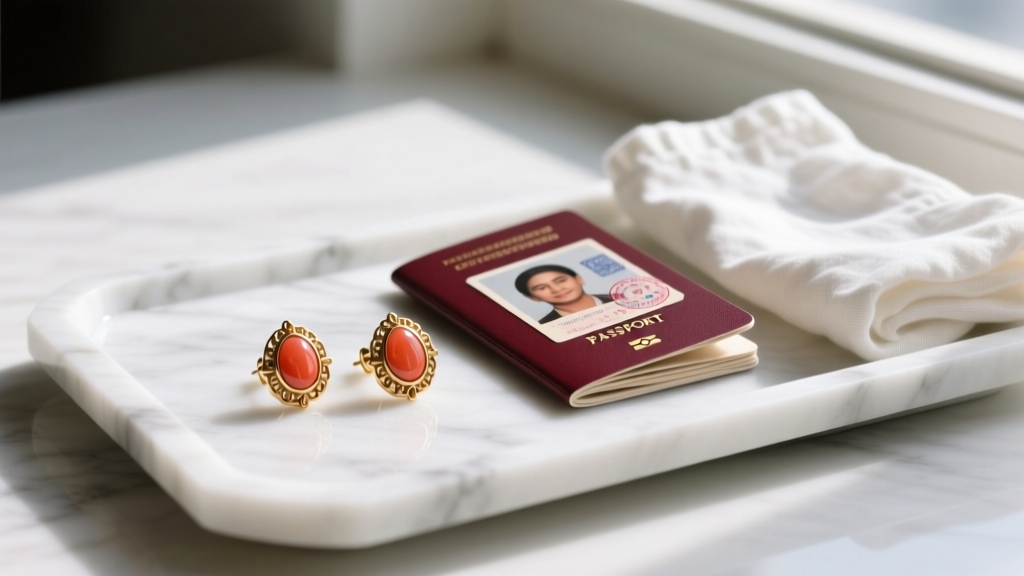
For the friend who is always on the move or prefers a minimalist aesthetic, heavy dangles are impractical. Instead, gift lightweight brass or copper studs featuring small coral or lapis lazuli inlays. Brass (an alloy of copper and zinc) offers a warm, golden hue that mimics antique gold at a fraction of the cost. Small, 15mm huggie hoops crafted by Kathmandu artisans are also excellent for daily wear, providing a subtle nod to Himalayan design without overwhelming the wearer's everyday wardrobe.
The Gala & Milestone Celebrant: Heavy Newari Dangles
If the recipient loves high-fashion, avant-garde, or heavy statement pieces, vintage-style Newari dangles are the ultimate gift. These earrings often feature large cabochon stones, intricate mandala motifs, and substantial weight. They are perfect for galas, art exhibitions, or milestone birthdays where the jewelry is meant to be the focal point of the ensemble.
Face Shape Pairing for Himalayan Silhouettes
To ensure your gift is as flattering as it is meaningful, consider the recipient's face shape when selecting the silhouette of the Nepal earrings:
- Round Faces: Choose long, geometric dangles or teardrop shapes. The vertical lines elongate the face, balancing the roundness. Avoid large, circular brass hoops.
- Square Faces: Opt for curved, organic shapes like floral repousse studs or rounded turquoise drops to soften a strong jawline.
- Oval Faces: The most versatile shape; almost any Newari design, from wide jhumkas to long filigree drops, will look proportionate.
- Heart-Shaped Faces: Select teardrops or chandeliers that are wider at the bottom to add visual weight to a narrower chin.
The Weight & Gauge Dilemma: Preventing Lobe Tear
One of the most critical, yet frequently overlooked, aspects of gifting heavy artisan jewelry is the structural impact on the earlobe. Authentic Newari and Tibetan dangles can weigh anywhere from 15 to 40 grams per earring. Over time, this weight can cause the piercing fistula to stretch, leading to the dreaded 'cheese-cutter effect' where the earring wire slowly migrates downward through the tissue.
As a gifter, you can prevent this by selecting the appropriate wire gauge and including supportive accessories. According to guidelines referenced by the Association of Professional Piercers (APP), ensuring the jewelry wire is smooth, properly polished, and of adequate thickness minimizes tissue irritation.
| Earring Style | Average Weight (per pair) | Recommended Wire Gauge | Lobe Support Needed? |
|---|---|---|---|
| Brass Studs / Small Hoops | 2g - 5g | 20G (0.8mm) or 18G (1.0mm) | No |
| Medium Silver Drops | 8g - 14g | 18G (1.0mm) | Optional (Silicone stoppers) |
| Heavy Newari Dangles | 25g - 40g+ | 16G (1.2mm) or 14G (1.6mm) | Yes (Ear support patches required) |
Pro-Gifting Tip: If you are gifting heavy dangles, include a pack of invisible ear support patches (like Lobe Wonder) in the gift box. This thoughtful addition shows a deep understanding of jewelry wearability and will save the recipient's earlobes from long-term damage.
Material Authenticity: Spotting Genuine Himalayan Gems
The Nepalese jewelry market is flooded with both genuine artisan pieces and mass-produced tourist trinkets. When investing in a gift, knowing how to identify authentic materials is paramount.
Turquoise: Natural vs. Stabilized
Genuine Himalayan turquoise is prized for its matrix (the host rock webbing). However, natural turquoise is relatively soft. The Gemological Institute of America (GIA) notes that much of the turquoise on the market is stabilized with epoxy resin to improve durability and color retention. This is an accepted industry practice, but you should avoid paying 'natural' premiums for heavily dyed howlite or magnesite imitations. Genuine stabilized turquoise will feel cool to the touch and have a complex, non-repeating matrix pattern.
Coral: The Red Gold of the Himalayas
Red coral holds immense spiritual significance in Tibetan and Nepalese cultures. However, genuine Mediterranean red coral is rare and heavily regulated. The GIA's guide on Coral highlights that much of the affordable 'coral' found in tourist markets is actually bamboo coral that has been dyed red, or even carved resin. If the piece is marketed as antique or high-end, look for the subtle, natural grain lines of genuine coral under a jeweler's loupe, and expect to pay a premium.
Lapis Lazuli: The Afghan Connection
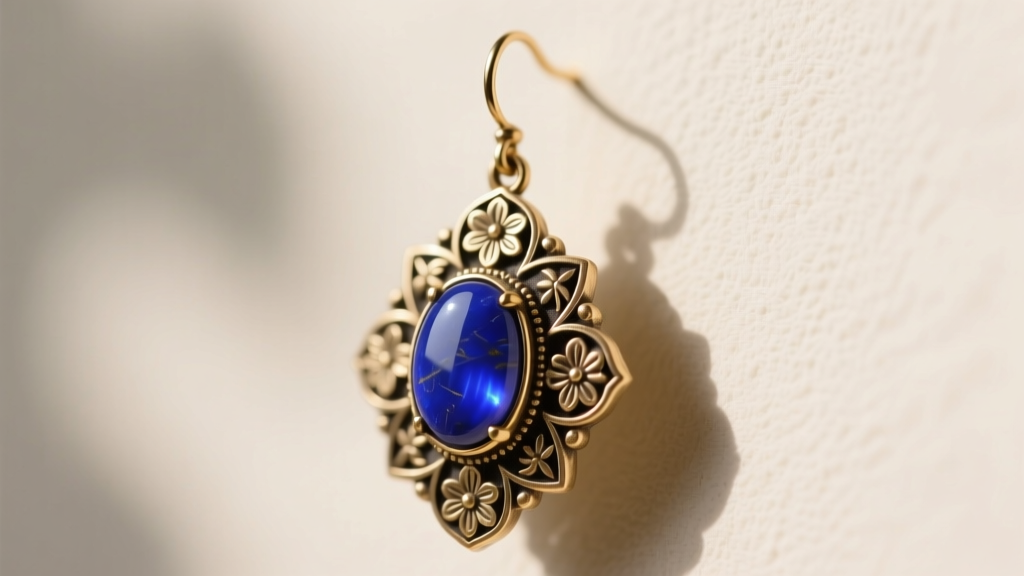
Often sourced from neighboring Afghanistan, high-quality lapis lazuli features a deep, royal blue color with metallic pyrite inclusions (fool's gold). Avoid pieces with large white calcite patches or those that look too uniformly blue, as they may be dyed sodalite or synthetic spinel.
2026 Pricing Tiers: What to Expect When Shopping
Understanding the pricing landscape ensures you get fair value and helps you set the right budget for your gift.
- Tier 1: Tourist & Fashion Grade ($15 - $45)
Typically made of brass, copper, or white metal alloys with dyed stones, glass, or resin. Great for casual gifting, festivals, and everyday wear. Expect some tarnishing over time. - Tier 2: Artisan Silver & Semi-Precious ($80 - $180)
Crafted from solid 925 sterling silver or high-grade brass with genuine, albeit sometimes stabilized, semi-precious stones. These pieces feature superior finishing, secure stone bezels, and comfortable wire gauges. Ideal for meaningful birthdays and anniversaries. - Tier 3: Antique, Vintage & High-End Newari ($250 - $800+)
Authentic vintage pieces, often featuring heavy silver repousse, genuine untreated coral, and high-grade turquoise. These are collector's items and make extraordinary milestone or heirloom gifts.
Gifting Etiquette & Care Instructions for the Recipient
When gifting Nepal earrings, especially those made of brass or copper, it is highly recommended to include a small care card. Brass and copper are reactive metals; they will naturally oxidize and develop a patina when exposed to air, moisture, and the natural pH of human skin. While some lovers of vintage jewelry adore this aged look, others prefer the original shine.
Expert Care Tip: To maintain the bright, golden shine of brass Nepal earrings, gently polish them with a soft microfiber cloth and a mild brass cleaner. To prevent the metal from reacting with the skin and leaving green marks, apply a thin coat of Renaissance Wax or clear nail polish to the back of the earrings and the wire hooks before wearing. For oxidized silver pieces, never use liquid silver dips, as they will strip the intentional dark antiquing from the repousse details; use a dry polishing cloth instead.
By selecting the right weight, verifying the materials, and matching the style to the recipient's lifestyle, your gift of Nepal earrings will not just be a beautiful object, but a cherished, wearable piece of Himalayan heritage that stands the test of time.


