Which Side Earring Is Gay? Debunking the Myth (2026)
Truth about which side earring is gay: debunking outdated stereotypes, exploring cultural context, and assessing single earring value. Read the facts—not.

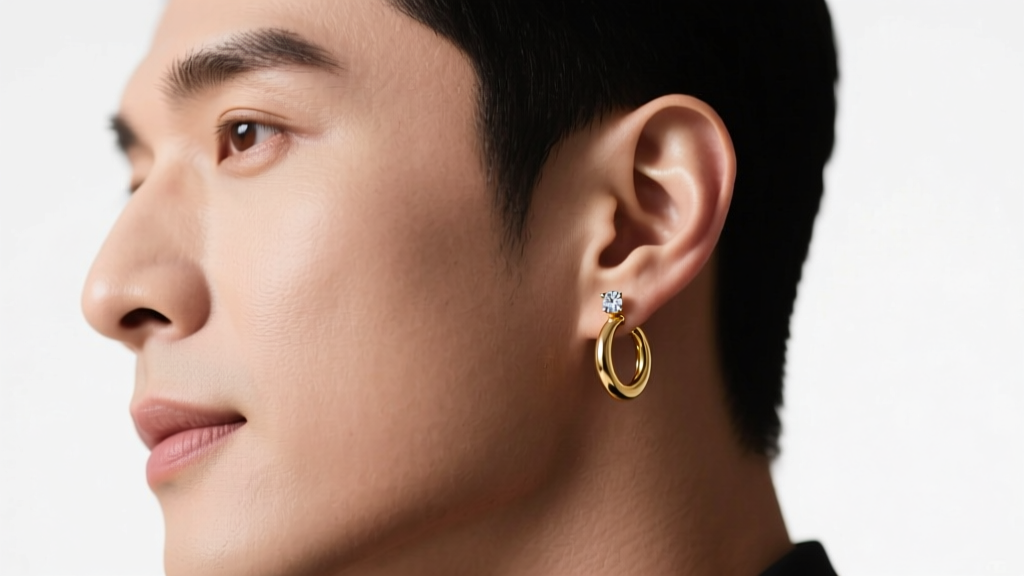
If you have ever found yourself searching for which side earring is gay, you are stumbling upon a cultural artifact from a bygone era. For decades, a covert signaling system dictated that a single earring in the right ear was a quiet nod to homosexuality, while the left ear was strictly heteronormative. However, as we navigate the fashion landscape of 2026, this outdated binary coding is entirely obsolete. Today, GLAAD and modern cultural historians note that jewelry is a tool for personal aesthetic expression, completely divorced from sexual orientation.
With the death of the "gay earring" myth, a new trend has solidified: asymmetrical styling and the single-ear stack. Men, women, and non-binary individuals are increasingly choosing to curate one ear heavily while leaving the other bare. This shift brings up a fascinating economic question for jewelry buyers: How do we assess the budget and value of buying single earrings in a market historically built on selling pairs?
The Historical Myth: Left vs. Right Ear Coding
To understand the value of modern single earrings, we must first dismantle the history of the "right ear" code. Originating in the 1970s and peaking in the 1980s and 90s, the "left is right, right is wrong" rhyme was a survival mechanism. In an era where overt LGBTQ+ expression could lead to discrimination or violence, a simple gold hoop or diamond stud in the right ear served as a subtle radar for community recognition.
By the late 2010s, and certainly now in 2026, this code has been entirely dismantled. High-fashion runways, hip-hop culture, and everyday streetwear have normalized asymmetrical piercings. The decision of which ear to pierce is now based purely on facial symmetry, hair partings, and the desire to highlight a specific jawline or profile. Consequently, the jewelry market has had to adapt to consumers who only want to purchase one high-quality piece, rather than a matching set.
The Economics of Asymmetry: Buying Singles vs. Pairs
Traditionally, jewelry retailers manufacture and sell earrings in pairs. If you only plan to wear a single earring, you are effectively paying for 100% markup for a backup piece that will sit in a drawer. This phenomenon is known in the industry as the "Single Tax."
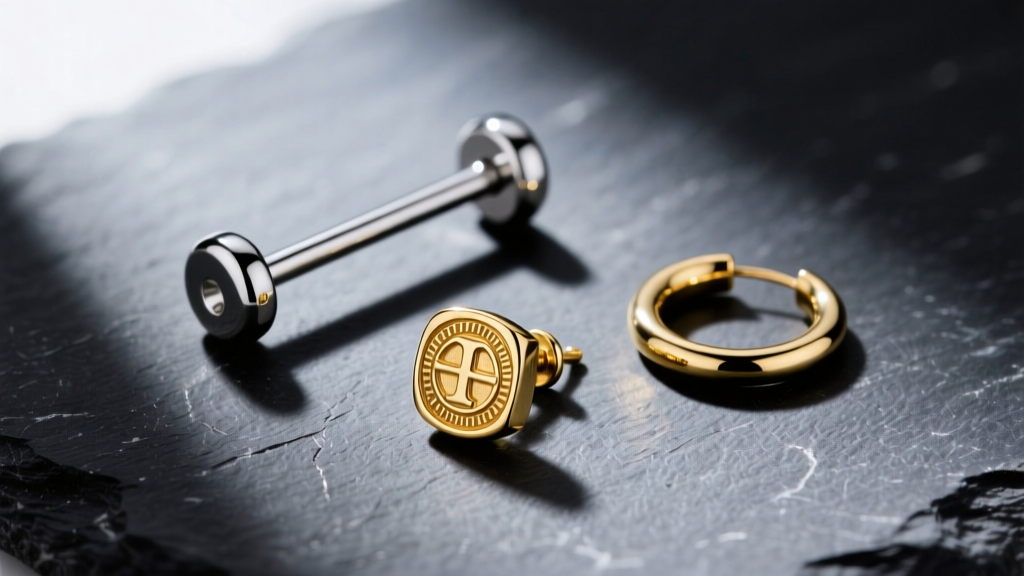
Cost-Per-Wear Analysis: Singles vs. Pairs
When assessing value, we must look at the cost-per-wear and the retail pricing structure of modern body jewelry brands versus traditional mall jewelers.
Jewelry Type
Final Verdict on Single Earring ValueThe lingering internet query regarding which side earring is gay is about self-expression, facial symmetry, and material quality. From a budget perspective, abandoning the need to buy matching pairs frees up capital. It allows you to invest in higher-grade materials like ASTM F136 titanium and solid 14k gold for the ear you choose to highlight. Whether you opt for a solitary diamond stud in your left lobe or a fully curated titanium stack on your right helix, the true value lies in the craftsmanship of the piece and the confidence of the wearer. |
|---|