How to Avoid a Lost Earring: Expert Maintenance and Backing Guide
Discover expert care and maintenance tips to prevent a lost earring. Learn about backing types, friction post wear, and secure cleaning routines.

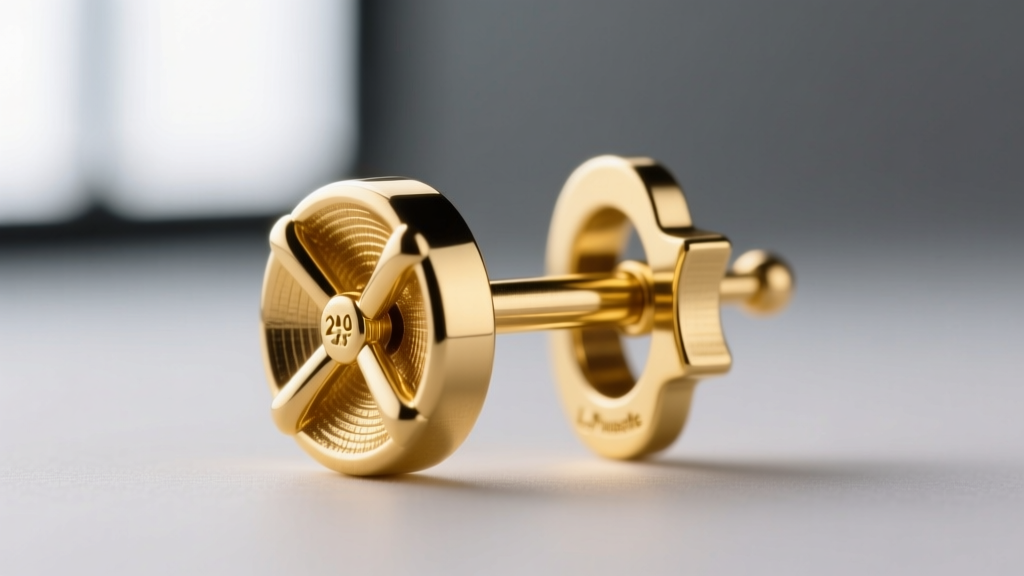
There are few sensations more frustrating in the world of jewelry than reaching up to touch your ear and finding bare skin. A lost earring is a universal tragedy that often leaves you with an orphaned singleton and a depleted bank account. While many assume that losing an earring is simply a matter of bad luck or a snagged sweater, the reality is that the vast majority of lost earrings are the direct result of preventable hardware failure, improper cleaning routines, and neglected clasp maintenance.
As a domain expert in jewelry care, I see the aftermath of compromised earring hardware daily. Whether you are wearing delicate 20-gauge diamond studs or heavy 14k gold hoops, understanding the mechanical vulnerabilities of your earrings is the first step toward securing them. This comprehensive guide explores the exact material science, maintenance protocols, and backing upgrades required to ensure your earrings stay exactly where they belong.
The Anatomy of a Lost Earring: Why Hardware Fails
To prevent a lost earring, you must first understand why the hardware fails. The most common culprit is post deformation. Standard lobe earrings are typically crafted with a 20-gauge (0.81mm) or 18-gauge (1.02mm) post. While these dimensions are standard for piercing compatibility, they are inherently vulnerable to bending.
The metal alloy plays a massive role in this vulnerability. According to the Gemological Institute of America (GIA), pure 24k gold is far too soft for jewelry mechanics. Therefore, gold is alloyed with metals like copper, zinc, and silver. An 18k gold post (75% pure gold) has a lower Vickers hardness rating than a 14k gold post (58.3% pure gold). Consequently, 18k and 22k gold friction posts are highly susceptible to micro-bends. When a cylindrical post bends even slightly, the internal tension of a standard butterfly clutch is compromised. The clutch no longer grips the post uniformly, creating a slip-path that eventually leads to a lost earring.
Furthermore, heavy drop earrings or large hoops create a pendulum effect. The kinetic energy generated by walking or turning your head places repetitive lateral stress on the earring post and the clasp mechanism. Over time, this causes metal fatigue, particularly in the tiny hinges of latch-back hoops or the spring mechanisms of omega backs.
Upgrading Your Backings: The First Line of Defense
If you are frequently dealing with a lost earring, it is time to audit your backings. Standard friction clutches (butterfly backs) rely entirely on the tension of two small metal prongs pressing against a grooved post. As of 2026, the jewelry industry has widely adopted far superior locking mechanisms that eliminate the guesswork and tension-degradation associated with traditional clutches.
| Backing Type | Security Level | Best Use Case | Maintenance Requirement |
|---|---|---|---|
| Standard Friction (Butterfly) | Low | Lightweight, inexpensive studs | High; requires frequent tension checks and replacement |
| La Pousette (Locking Clutch) | Very High | High-value diamond studs, heavy drops | Low; requires occasional ultrasonic cleaning of the internal spring |
| Screw Back | High | Children's earrings, secure daily wear | Medium; threads must be kept free of debris and lotion buildup |
| Silicone O-Rings | Medium | Active lifestyles, casual wire earrings | High; degrades rapidly with chemical exposure and must be replaced monthly |
| Chrysmela (Ball-Bearing) | Very High | Valuable heirlooms, heavy statement pieces | Low; internal bearings require gentle brushing to remove skin oils |
Investing in precision-machined locking backs like La Pousette or Chrysmela is the single most effective way to prevent a lost earring. These mechanisms physically lock onto the post or use internal ball bearings to grip the metal, completely bypassing the failure points of bent prongs.
Routine Maintenance: Checking for Micro-Bends and Clasp Fatigue
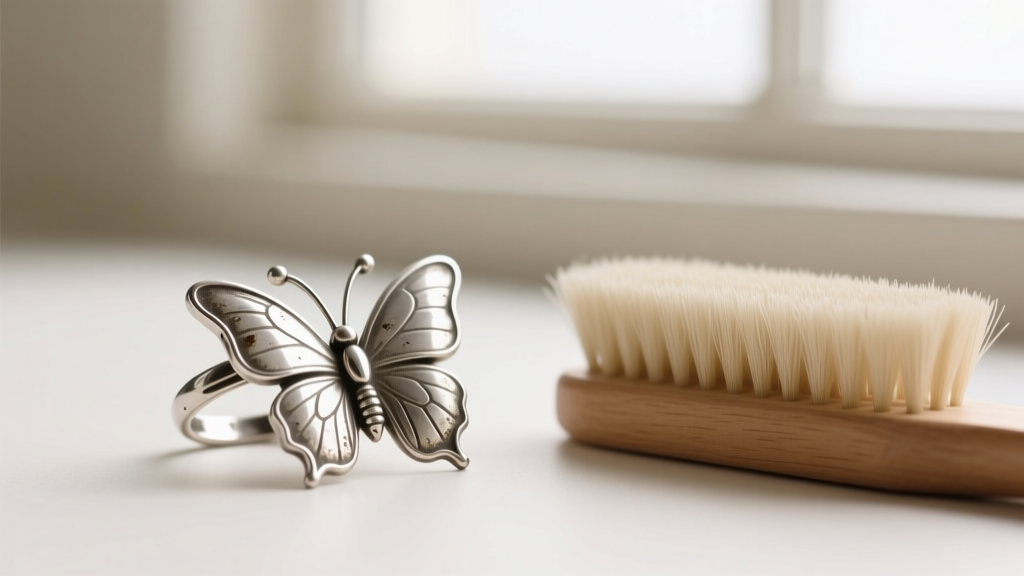
Preventative maintenance is the cornerstone of jewelry longevity. Jewelers of America recommends inspecting your fine jewelry every six months, but earring hardware requires more frequent, at-home audits due to the constant friction and pressure it endures.
The 10x Loupe Inspection
Purchase a standard 10x jeweler's loupe and inspect your earring posts and clutches monthly. Look for the following warning signs:
- Post Scoring: Deep grooves worn into the post by the clutch. While grooves help friction backs grip, excessively deep scoring weakens the structural integrity of a 20-gauge post, making it prone to snapping.
- Prong Splaying: On butterfly backs, the two side prongs should sit flush against the central tube. If they are splayed outward, the clutch has lost its tension and will inevitably slide off.
- Hinge Laxity: For hoop earrings, open and close the latch. It should produce a crisp 'click' or meet the catch with firm resistance. If the hinge feels gummy or loose, the earring is at high risk of opening during wear.
The Pinch Test
For friction and locking backs, perform the 'pinch test' before wearing. Slide the backing onto the post and attempt to pull it off using moderate, straight pressure. If it slides off without requiring a specific release mechanism (like squeezing the sides of a La Pousette or unscrewing a threaded back), the tension is dead. Discard the backing immediately.
Expert Cleaning Techniques That Preserve Clasp Tension
Ironically, the very routines meant to care for your jewelry can often cause a lost earring if executed incorrectly. The chemicals and tools used to remove sebum, dead skin cells, and cosmetic buildup can severely degrade earring hardware if you aren't careful.
The Dangers of Isopropyl Alcohol on Silicone
Many jewelry wearers use 70% or 90% isopropyl alcohol to sanitize their earrings. While this is safe for solid gold, platinum, and diamonds, it is catastrophic for silicone O-rings and rubberized friction pads. Alcohol rapidly extracts the plasticizers from silicone, causing it to dry rot, become brittle, and snap. If you rely on silicone backs to secure your wire earrings or glass studs, clean them only with warm water and a mild, pH-neutral dish soap.
Ultrasonic Cleaners and Vibration Risks
Ultrasonic jewelry cleaners operate at high frequencies (typically 40kHz to 45kHz) to cavitate microscopic bubbles that blast away dirt. While excellent for cleaning diamond studs, submerging earrings with insecure backings or loose internal springs (like older locking clutches) can vibrate the hardware right off the post. Furthermore, the intense vibrations can accelerate metal fatigue in the delicate hinges of vintage latch-back hoops. Always remove backings before placing earrings in an ultrasonic bath, and never use ultrasonics on emeralds, opals, or tension-set stones.
The 'Lost Earring' Recovery and Care Protocol
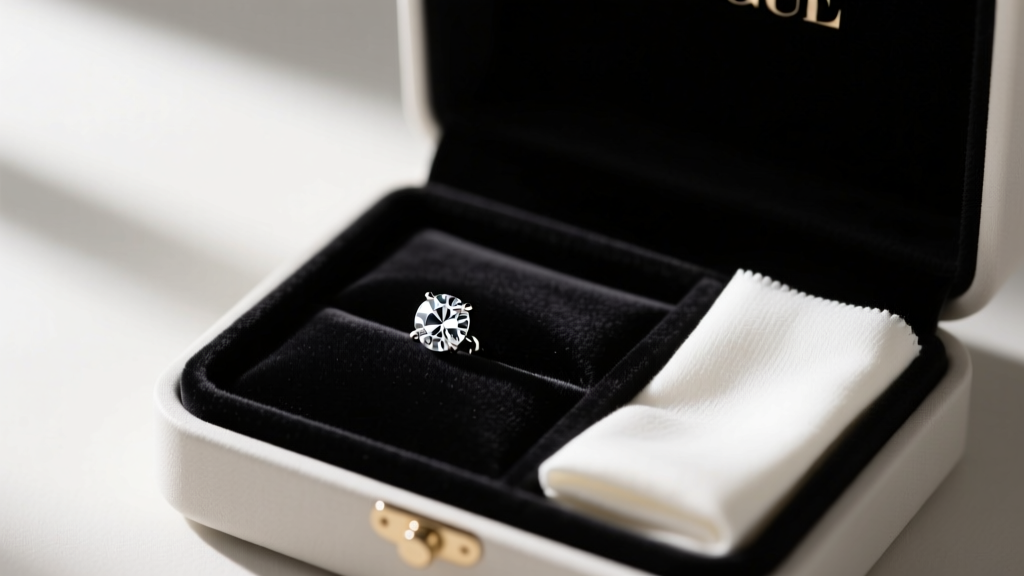
If the worst has already happened and you are left with a single surviving earring, proper care of the singleton is crucial. Do not simply toss it into the bottom of your jewelry box, where the exposed post can scratch other pieces or become bent under the weight of heavier items.
Strategic Storage and Repurposing
Store the surviving earring in a dedicated, soft-lined compartment. If the piece holds significant sentimental or financial value, consult a master jeweler about repurposing. A single high-quality diamond or gemstone stud can be seamlessly converted into a pendant by adding a specialized bail to the post, or it can be integrated into an asymmetrical ear curation by pairing it with a complementary, yet distinctly different, cartilage piece on the opposite ear.
Sourcing Replacements
If you are attempting to replace a lost earring to complete a pair, be aware that finding an exact match for older or bespoke pieces is notoriously difficult due to variations in diamond fluorescence, gold casting hues, and gemstone cutting styles. If an exact match is impossible, embrace the asymmetrical trend by intentionally selecting a contrasting piece that shares a common design element, such as a matching metal tone or a complementary geometric shape, transforming a loss into a deliberate stylistic choice.
Expert Insight: The most secure earring in the world is only as safe as its maintenance routine. A $5,000 diamond stud secured by a degraded, 10-cent friction clutch is a lost earring waiting to happen. Invest in locking hardware, audit your posts for micro-bends, and clean your mechanisms with the same precision you use on the gemstones.
By shifting your perspective from passive wearing to active maintenance, you can drastically reduce the mechanical failures that lead to lost jewelry. Upgrade your backings, respect the metallurgical limits of your gold posts, and clean with intention to keep your collection secure and shining for decades to come.


