Princess Diana Gold Earrings: Metal Alloys & Material Guide
Explore the metallurgy behind Princess Diana gold earrings. Compare 18k vs 14k alloys, royal gold hues, and material properties for fine drop styles.

The Metallurgy of Royal Elegance
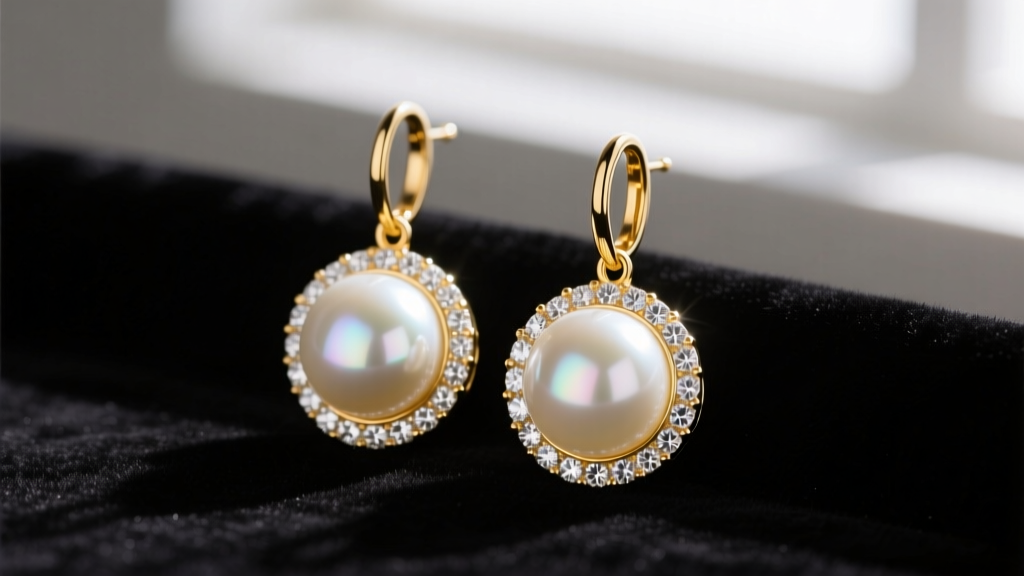
When analyzing the enduring legacy of Princess Diana’s jewelry collection, much of the public focus rests on the center stones—the legendary sapphires, diamonds, and South Sea pearls. However, from a gemological and metallurgical perspective, the true unsung hero of her collection is the precious metal framework that housed these gems. The princess diana gold earrings she famously wore, particularly her heavy pearl and diamond drop styles, offer a masterclass in mid-to-late 20th-century British goldsmithing. To truly understand the value, durability, and aesthetic of these iconic pieces, we must look past the gemstones and examine the specific gold alloys, karat weights, and structural engineering utilized by royal jewelers like Garrard and Asprey.
Unlike modern mass-produced jewelry, which often prioritizes cost-efficiency over metallurgical integrity, the gold used in Diana’s era was mixed to achieve a specific visual warmth and structural resilience. This guide deconstructs the material properties of royal gold, comparing authentic vintage specifications with modern replicas to help collectors and enthusiasts make informed purchasing decisions.
18k vs. 14k Gold: The Karat Debate for Drop Earrings
The foundational decision in any fine jewelry piece is the karat weight. Authentic royal jewelry, including the iconic drop earrings favored by the Princess of Wales, was almost exclusively crafted in 18-karat (18k) yellow gold. In the UK and European markets, 18k (stamped 750) is the standard for high jewelry, consisting of 75% pure gold and 25% alloy metals. In contrast, the US market heavily favors 14k gold (58.5% pure gold) for its superior hardness and lower price point.
For heavy drop earrings, the choice between 18k and 14k drastically alters the structural requirements of the earring post and hinge mechanisms. Pure gold is exceptionally malleable, meaning the 25% alloy mix in 18k gold must be carefully calibrated to prevent the earring from bending under its own weight.
| Property | 18k Yellow Gold (Royal Standard) | 14k Yellow Gold (Modern Commercial) |
|---|---|---|
| Pure Gold Content | 75.0% | 58.5% |
| Vickers Hardness (HV) | ~125 - 130 HV | ~140 - 150 HV |
| Tensile Strength | Moderate (Requires thicker gauges) | High (Allows for thinner, lighter wires) |
| Color Profile | Rich, deep, warm yellow | Paler, slightly cooler yellow |
| Skin Reactivity | Hypoallergenic (Usually) | Moderate Risk (Higher copper/zinc/nickel) |
| Avg. Price per Gram (2026) | $65 - $78 USD | $40 - $48 USD |
According to the Gemological Institute of America (GIA), the lower Vickers hardness of 18k gold means that jewelers must compensate by increasing the wire gauge. While a 14k gold earring post can safely be crafted at a delicate 20-gauge (0.81mm), an 18k gold post supporting a heavy pearl drop must be upgraded to an 18-gauge (1.02mm) or 16-gauge (1.29mm) to prevent permanent deformation when inserted into the earlobe.
Alloy Compositions: Achieving the 'Royal Yellow' Hue
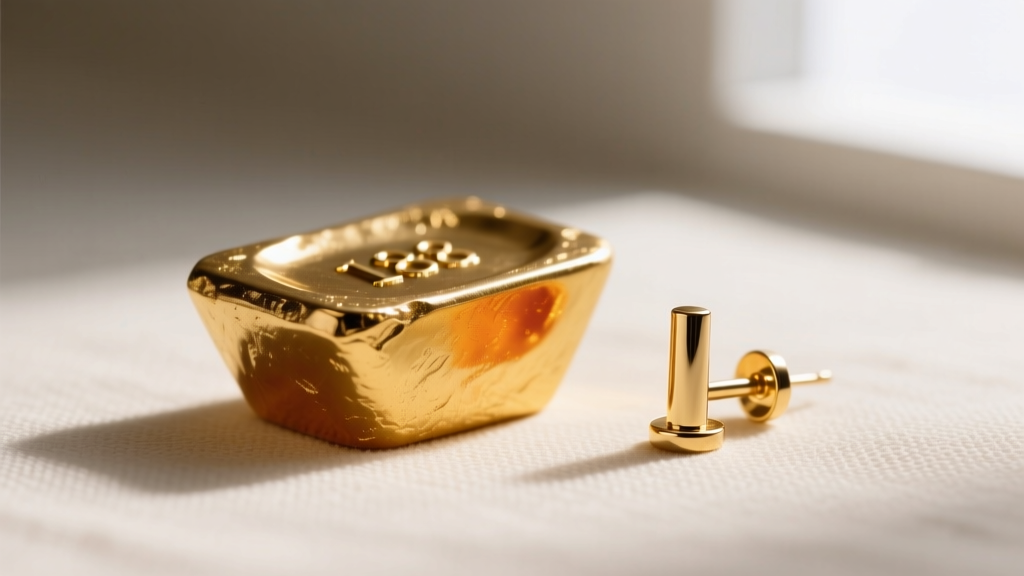
Not all 18k yellow gold looks the same. The color of the metal is entirely dictated by the 25% alloy mix, which typically consists of copper and silver. The specific ratio of these trace elements creates distinct regional variations in gold color, a concept crucial for anyone seeking to replicate or restore vintage princess diana gold earrings.
The English Royal Mix vs. Standard European Mix
Standard 18k yellow gold often uses a 1:1 ratio of silver to copper (12.5% silver, 12.5% copper). This yields a classic yellow but can sometimes lean slightly reddish or 'rosy' under incandescent lighting due to the copper content. British royal jewelers, however, historically favored an 'English Yellow' mix. This formulation typically shifts the ratio to roughly 15% silver and 10% copper. The higher silver content cools the red undertones, resulting in a richer, deeper, and more buttery yellow hue that provides a superior optical contrast against the icy white flashes of brilliant-cut diamonds and the luster of South Sea pearls.
When shopping for modern replicas of Diana’s earrings, scrutinize the alloy origin. Mass-market 18k gold from certain Asian or American manufacturers may use higher copper or zinc content to reduce costs, resulting in a brassy or overly reddish tone that fails to capture the aristocratic warmth of the original 1980s London pieces.
Structural Integrity in Heavy Drop & Pearl Earrings
Princess Diana’s most recognizable gold earrings were not lightweight studs; they were substantial drop and chandelier pieces. Her famous South Sea pearl and diamond drop earrings, for example, weighed upwards of 10 to 14 grams per earring. Supporting this weight requires advanced structural engineering that goes far beyond the metal's karat weight.
The primary failure point in heavy gold drop earrings is the connection between the post and the drop mechanism. In authentic royal pieces, this joint is not merely soldered; it is often reinforced with a hidden internal sleeve or crafted from a single continuous piece of drawn gold wire to eliminate the risk of solder fatigue. Furthermore, the earring backs are critical. A standard friction push-back (butterfly clutch) is entirely insufficient for a 12-gram 18k gold earring, as the weight will cause the earring to droop, stretching the earlobe piercing and eventually causing the clutch to slip off.
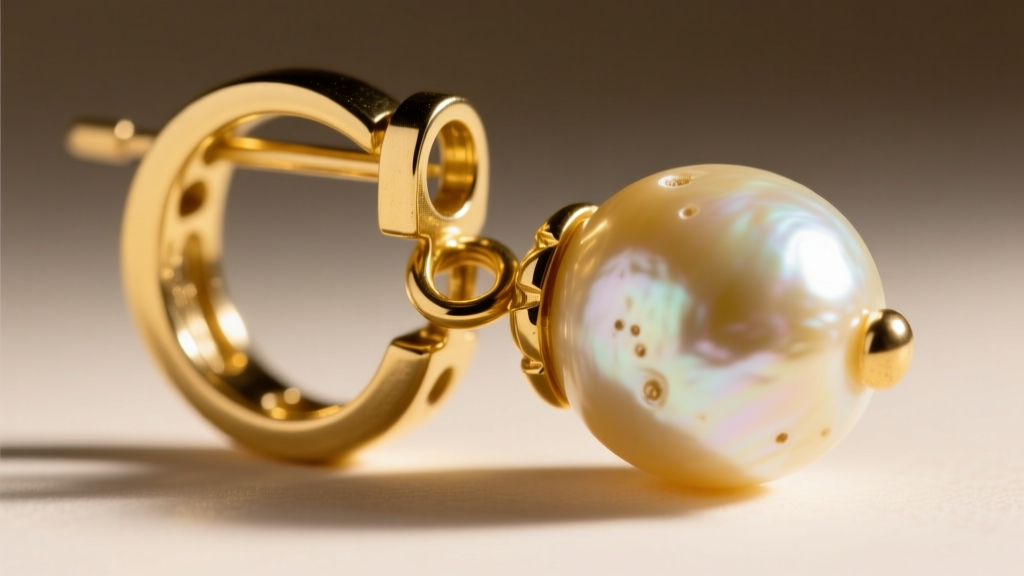
Authentic vintage styles and high-end replicas utilize Omega clip-backs or lever-backs with screw reinforcements. An Omega back features a hinged, curved wire that snaps into a V-shaped groove, distributing the weight of the earring across a wider surface area of the earlobe rather than relying solely on the tension of the piercing hole. When evaluating vintage or replica pieces, always inspect the hinge tension; a loose Omega clip on 18k gold is a major liability.
Sourcing and Pricing: Authentic Vintage vs. Modern Replicas
The market for jewelry inspired by the Princess of Wales is vast, but the material quality varies wildly. Understanding the pricing tiers based on gold content and craftsmanship is essential for serious collectors. The World Gold Council tracks the raw commodity prices, but the craftsmanship premium on royal-style jewelry is significant.
- Tier 1: Authentic Vintage / Provenanced Pieces ($15,000 - $50,000+)
Earrings with documented provenance from Diana’s actual collection or custom commissions from her personal jewelers (e.g., Garrard). These are primarily sold at elite auction houses like Sotheby's or Christie's. The gold value is secondary to the historical premium. - Tier 2: High-End Modern Replicas in 18k Gold ($2,500 - $6,000)
Custom or boutique jewelers who replicate the exact dimensions using the 'English Yellow' 18k alloy, paired with natural (not cultured) South Sea pearls and VS-clarity diamonds. These offer the exact material properties and weight of the originals. - Tier 3: Commercial 14k Gold Replicas ($800 - $1,800)
Mass-produced designs cast in 14k gold. While durable, the color will lack the deep royal warmth, and the diamonds are often lower-grade (I1-I2 clarity). The structural gauge is usually thinner to save on gold weight. - Tier 4: Gold Vermeil / Plated Brass ($150 - $400)
Fashion jewelry that mimics the silhouette but uses a brass or sterling silver base with a thin layer of gold plating. These lack the structural integrity for heavy stones and will eventually tarnish or wear through, exposing the base metal.
Care and Patina: Maintaining Vintage Gold Alloys
One of the most misunderstood aspects of vintage 18k gold is the development of a patina. Over decades of wear, the microscopic abrasions on the surface of the gold, combined with the oxidation of the copper and silver alloys, create a soft, muted luster known as a patina. Many collectors of vintage royal jewelry actively seek out this 'antique glow,' as it proves the piece's age and authenticity.
When cleaning vintage gold drop earrings, avoid ultrasonic cleaners and harsh chemical dips. These methods strip the patina, leaving the gold looking artificially bright and 'new,' which can actually diminish the historical value of a provenanced piece. Instead, use a mild solution of warm water and a few drops of phosphate-free dish soap, gently agitating with a baby-soft toothbrush. Dry immediately with a microfiber cloth to prevent water spots on the gold alloy.
'The beauty of mid-century British goldsmithing lies in its imperfections and its warmth. When you polish a vintage 18k gold earring to a mirror shine, you erase decades of history. The soft luster of aged royal gold is a material property in its own right.' — Senior Curator of Jewelry, Victoria and Albert Museum Archives (Paraphrased from historical metallurgy lectures).
Final Verdict: Choosing Your Gold Standard
Replicating or investing in the style of princess diana gold earrings requires a strict adherence to material science. If your goal is historical accuracy and aesthetic perfection, 18k yellow gold with a high-silver 'English' alloy mix is non-negotiable. You must also ensure the structural components—specifically the post gauge and Omega clip mechanisms—are engineered to support the substantial weight of royal-style drop designs. While 14k gold offers a more budget-friendly and harder-wearing alternative for everyday wear, it simply cannot replicate the deep, buttery warmth and aristocratic weight that defined the jewelry of the Princess of Wales. Always demand a detailed metallurgical breakdown from your jeweler before investing in high-tier replicas.


