The Truth About 24 Carat Gold Earrings: A Beginner's Guide
Discover the truth about 24 carat gold earrings. Learn the difference between solid pure gold and plated options, plus expert tips for sensitive ears.

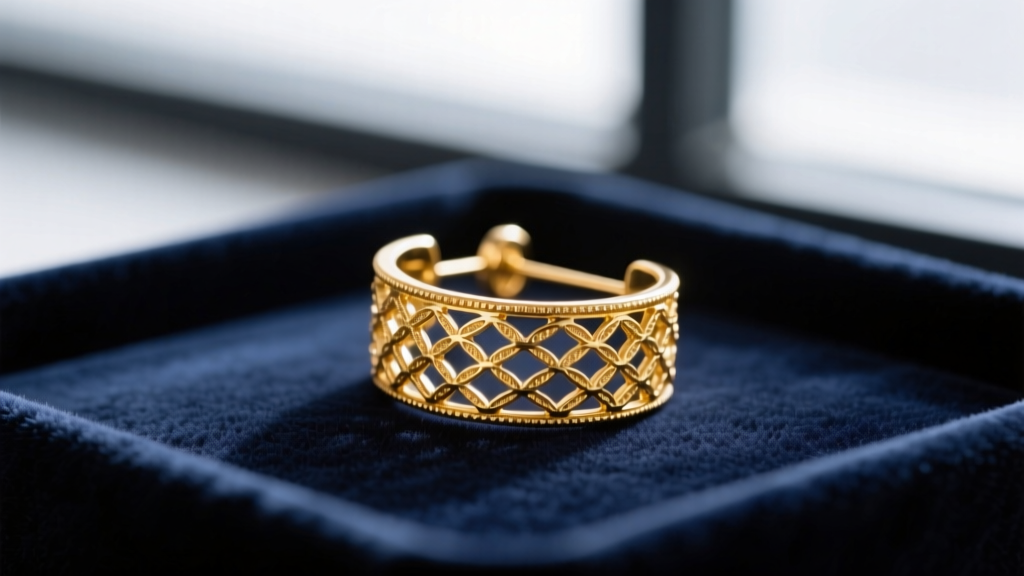
If you are stepping into the world of fine jewelry, you have likely encountered the allure of 24 carat gold earrings. The phrase evokes images of ultimate luxury, purity, and a rich, buttery yellow hue that lower-karat metals simply cannot replicate. However, for beginners, navigating the market for pure gold jewelry can be a minefield of misleading marketing, confusing terminology, and durability issues.
Before you invest your hard-earned money into a pair of pure gold studs or hoops, it is critical to understand the metallurgy behind the metal. In this beginner-friendly explainer, we will break down exactly what 24 carat gold is, why it behaves differently than the jewelry you are used to, and how to shop for it without getting scammed.
Carat vs. Karat: Decoding the Terminology
First, let us clear up a common point of confusion. In the United States, the jewelry industry uses karat (k) to measure gold purity and carat (ct) to measure gemstone weight. However, in the UK, Australia, and many other parts of the world, "carat" is used for both. When consumers search for "24 carat gold earrings," they are actually looking for 24 karat (24k) gold, which is the highest purity level available.
According to the Gemological Institute of America (GIA), the karat system divides gold into 24 parts. Therefore, 24k gold is 24 parts gold and 0 parts alloy, making it 99.9% pure. By contrast, 18k gold is 75% pure, and 14k gold is 58.3% pure. This absolute purity is what gives 24k gold its distinct, deep orange-yellow color and its inherent value, but it also introduces significant structural challenges for jewelry makers.
The Durability Problem: Why Solid 24k Posts Are Rare
The most important thing a beginner must understand about pure gold is that it is an incredibly soft, malleable metal. On the Vickers Hardness (HV) scale, pure 24k gold scores a mere 25 to 30 HV. To put that into perspective, 14k gold scores between 120 and 150 HV, making it up to five times harder.
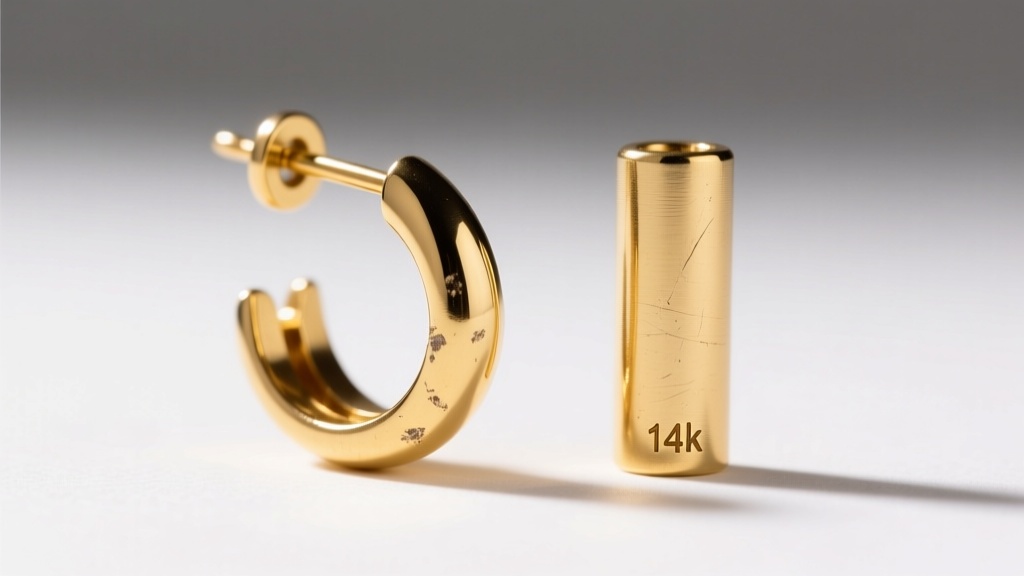
This extreme softness creates a massive functional problem for earrings, specifically the post that passes through your earlobe. Standard lobe piercings require a 20-gauge (0.81mm) or 18-gauge (1.02mm) wire. If a jeweler crafts a 20-gauge earring post out of solid 24k gold, the metal will easily warp, bend, or even snap under the daily pressure of inserting a friction butterfly back, sleeping on your side, or simply brushing your hair.
How Jewelers Solve the 24k Dilemma
Because solid 24k posts are a structural liability, reputable jewelers use specific workarounds when designing 24 carat gold earrings:
- Threaded Screw Backs: Instead of thin friction posts, some high-end pure gold studs use thicker, threaded screw mechanisms that distribute pressure more evenly.
- 18k or 14k Posts with 24k Heads: The visible decorative front of the earring is cast in pure 24k gold, but the post is laser-welded from 14k or 18k gold to ensure rigidity and secure closure.
- Hoop and Huggie Designs: Pure gold is frequently used for thick, hammered hoops or ear cuffs where the structural integrity relies on the overall mass and shape of the metal rather than a thin wire.
Solid 24k vs. 24k Gold Plated: A Buyer's Comparison
When shopping online, you will see hundreds of listings for "24k gold earrings" priced under $30. As a beginner, you must recognize that these are not solid pure gold. They are base metals (like brass or copper) coated in a microscopic layer of 24k gold. Understanding the difference between solid, vermeil, and flash-plated jewelry is the key to making smart purchases.
| Category | Material Composition | Durability & Lifespan | Average Price Range |
|---|---|---|---|
| Solid 24k Gold | 99.9% pure gold throughout | Prone to scratching/bending; lasts generations if cared for | $250 - $2,000+ |
| Gold Vermeil | Sterling silver base with ≥2.5 microns of 24k gold | High quality; lasts years with proper care | $60 - $150 |
| Flash Plated | Brass/copper base with <0.1 microns of 24k gold | Poor; plating rubs off within weeks of daily wear | $10 - $40 |
The Federal Trade Commission (FTC) Jewelry Guides strictly regulate how gold plating can be marketed. If an item is simply "gold plated," the layer can be infinitesimally thin. If you want the look of 24 carat gold without the solid gold price tag, always look for the term Gold Vermeil, which guarantees a thick layer of pure gold over a hypoallergenic sterling silver base.
Hypoallergenic Claims: Is Pure Gold Best for Sensitive Ears?
One of the most common reasons beginners seek out 24 carat gold earrings is the belief that pure gold is the ultimate hypoallergenic metal. From a chemical standpoint, this is true. Pure gold is highly inert, meaning it does not react with oxygen, moisture, or the natural acids in your skin. It will not tarnish, and it will not cause contact dermatitis.
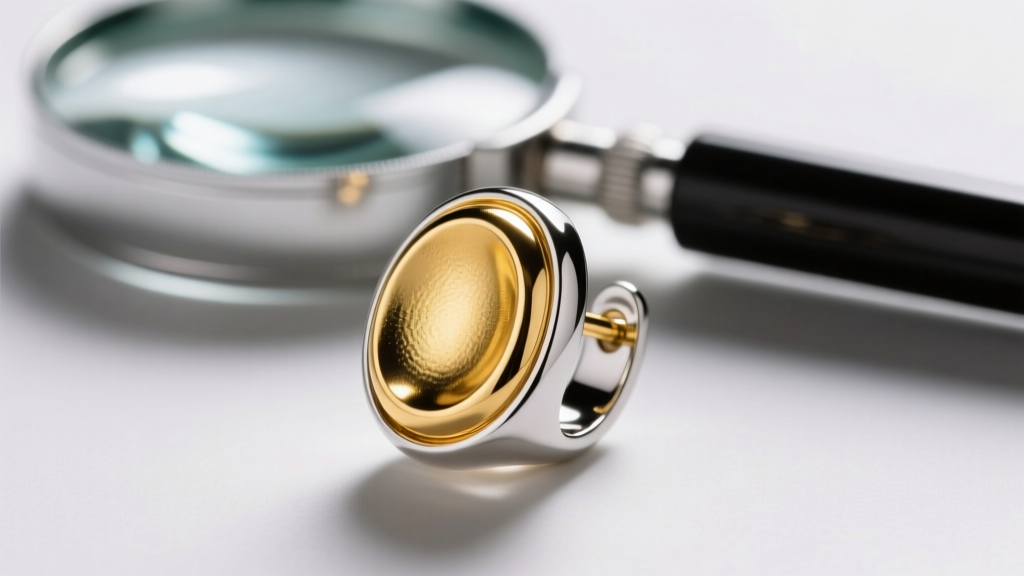
The Nickel Trap in Plated Earrings
However, the danger arises when you buy plated 24k gold earrings. According to the American Academy of Dermatology (AAD), nickel allergy is the most common cause of allergic contact dermatitis. Many cheap, flash-plated earrings use a "flash layer" of nickel between the base metal and the gold plating to help the gold adhere and appear brighter.
When that microscopic layer of 24k gold wears off—which can happen in as little as two weeks of daily wear—the underlying nickel is exposed directly to the open wound of your ear piercing. This results in red, itchy, and weeping earlobes. If you have sensitive ears, you are actually safer wearing solid 14k or 18k gold (which is alloyed with copper and silver, not nickel) or implant-grade titanium, rather than risking cheap 24k plated jewelry.
How to Shop for 24 Carat Gold Earrings Safely
If you are ready to invest in authentic pure gold earrings, use this actionable checklist to ensure you are getting exactly what you pay for:
- Check the Hallmark: Authentic solid pure gold will be stamped with
999,24k, or24kt. Be highly suspicious of items stamped only with "24k GP" (Gold Plated) or "24k HGE" (Heavy Gold Electroplate) if they are being sold as solid. - Ask About the Post: If buying solid 24k studs, ask the jeweler what the post is made of. A reputable seller will transparently tell you if the post is 14k or 18k for structural integrity.
- Calculate the Melt Value: Pure gold is priced by weight. Check the daily spot price of gold per gram. If a pair of heavy, solid 24k gold hoops weighs 10 grams, and the spot price is $65/gram, the raw material cost alone is $650. Any listing selling them for $150 is definitively a scam or heavily plated.
- Opt for Cultural or Artisan Designs: Solid 24k gold is most commonly found in traditional Indian, Middle Eastern, and Southeast Asian jewelry, where the cultural appreciation for pure gold outweighs the desire for scratch-resistant hardness. Look for specialized importers rather than generic mall jewelers.
Final Verdict for Beginners
24 carat gold earrings represent the pinnacle of material purity and carry a stunning, unmatched warmth. However, they are not a "buy it and forget it" accessory. The extreme softness of pure gold requires mindful wearing, careful storage, and an understanding of structural limitations.
For everyday, worry-free wear, high-quality 14k or 18k gold remains the superior choice for beginners. But if you are seeking an investment piece, a cultural heirloom, or a luxurious statement piece for special occasions, solid 24k gold—or high-grade 24k vermeil over sterling silver—offers a breathtaking aesthetic that lower purities simply cannot mimic. Shop smart, verify the hallmarks, and enjoy the timeless glow of pure gold.


