Is Sleeping in Stud Earrings Safe? A Technical Deep Dive
Discover the biomechanics and material science of sleeping in stud earrings. Learn about gauge sizes, flat-back mechanics, and hypoallergenic metals.

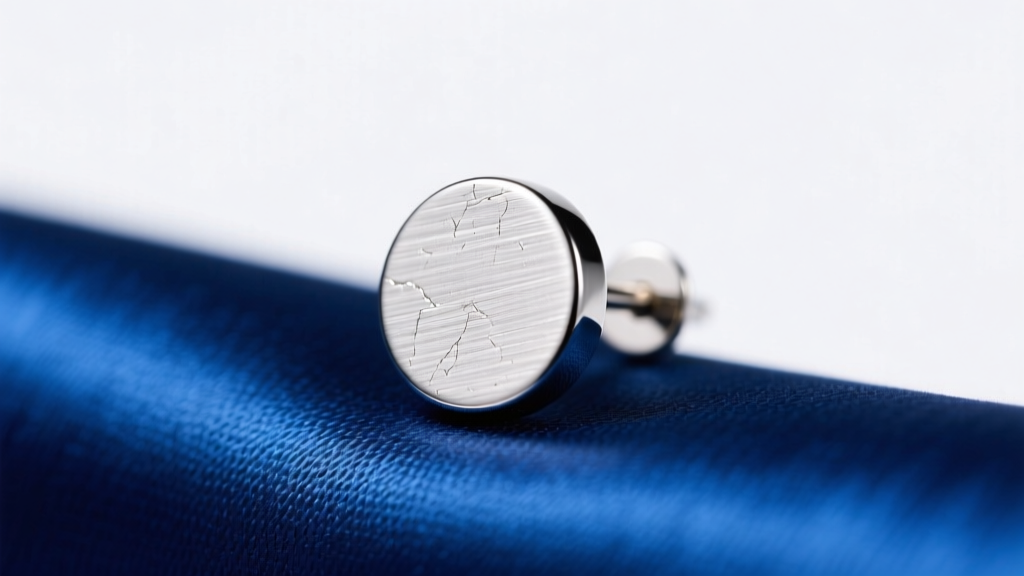
The Biomechanics of Nocturnal Ear Compression
When evaluating the safety of sleeping in stud earrings, we must first understand the biomechanical forces exerted on the auricular cartilage and earlobe tissue during sleep. The average human head weighs between 10 and 12 pounds. In a lateral decubitus position (side sleeping), this weight compresses the pinna against the mattress, generating localized pressure points that can exceed capillary perfusion pressure (approximately 32 mmHg). When a standard stud earring with a protruding backing is caught between the ear and the pillow, this pressure is concentrated onto a surface area of just a few square millimeters.
Pressure Points and Tissue Ischemia
This extreme focal pressure leads to localized tissue ischemia—a restriction in blood supply to the piercing fistula (the healed tunnel of skin). Prolonged ischemia during an eight-hour sleep cycle causes cellular hypoxia, resulting in the morning swelling, tenderness, and micro-tears commonly reported by those who sleep in traditional fashion studs. Over time, this repetitive mechanical trauma can cause the piercing channel to migrate or develop hypertrophic scarring, particularly in cartilage piercings like the helix or tragus where vascularization is already notoriously poor.
Material Science: What Happens to Metals Overnight?
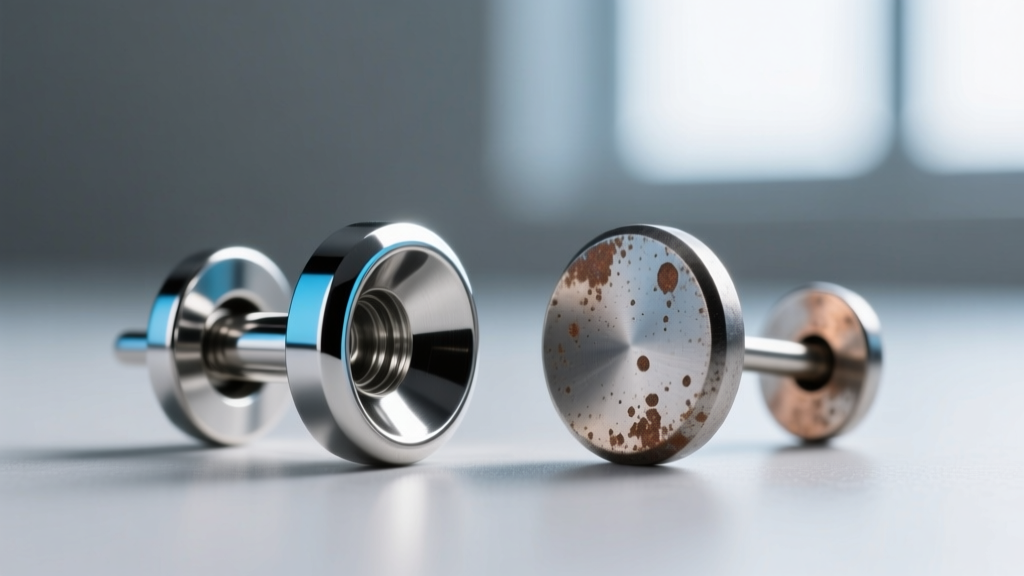
The microenvironment of the bed introduces variables that accelerate metal degradation and ion leaching. Human sweat has a pH ranging from 4.5 to 7.0, and nocturnal perspiration creates a humid, saline-rich environment against the ear. For individuals sleeping in stud earrings made of surgical stainless steel (316L) or brass alloys plated with gold or silver, this environment is highly corrosive on a microscopic level.
Surgical steel contains up to 10% nickel to achieve its structural hardness and polish. According to the American Academy of Dermatology, prolonged exposure to nickel leaching is the primary trigger for allergic contact dermatitis. When you sleep in these studs, the combination of heat, friction, and sweat accelerates nickel ion release directly into the compromised epithelial layer of the piercing channel. In contrast, implant-grade titanium (ASTM F136) contains zero nickel and forms a passive oxide layer that is entirely impervious to nocturnal sweat corrosion.
Gauge Thickness and Post Length: The Exact Measurements
The structural integrity of the earring post dictates how it handles the shear forces of tossing and turning. Standard fashion earrings typically utilize 20-gauge (0.81mm) or 22-gauge (0.64mm) posts. From a biomedical engineering perspective, a 22-gauge post acting against the resistance of a cotton pillowcase behaves like a cheese wire. The sheer force applied to the thin metal can easily bend the post inside the fistula, creating jagged angles that scrape the delicate mucosal lining of the piercing channel.
Why Standard 20G Butterfly Backs Fail During Sleep
Professional body jewelry standards, as outlined by the Association of Professional Piercers (APP), mandate a minimum of 18-gauge (1.02mm) for earlobes and 16-gauge (1.29mm) for cartilage. The increased cross-sectional area of a 16-gauge titanium post provides the necessary rigidity to resist bending under the weight of a sleeping head. Furthermore, post length must be calibrated; a standard 6mm post may be too short for a cartilage piercing that experiences nocturnal swelling, while a 10mm post will protrude too far, acting as a lever that amplifies pressure on the entry hole when pressed sideways.
| Parameter | Standard Fashion Stud | Professional Sleep-Safe Stud |
|---|---|---|
| Material Grade | Surgical Steel (316L) or Plated Brass | Implant-Grade Titanium (ASTM F136) |
| Post Thickness | 20G (0.81mm) or 22G (0.64mm) | 18G (1.02mm) to 14G (1.60mm) |
| Backing Type | Push-pin Butterfly Clutch | Threadless or Internally Threaded Flat Back |
| Surface Finish | Mechanical Polish (Micro-scratches) | Mirror Polish (Ra < 0.2 µm) |
| Sleep Safety Score | Poor (High Ischemia & Allergy Risk) | Excellent (Flush Tissue Distribution) |
Flat Back vs. Butterfly: A Structural Analysis
The mechanical interface between the jewelry backing and the posterior ear tissue is the most critical factor in determining whether sleeping in stud earrings will cause trauma. The ubiquitous butterfly clutch relies on tension springs that grip a notched post. This design creates a bulky, irregular profile that protrudes 4 to 6 millimeters away from the earlobe. When compressed against a pillow, the narrow wires of the butterfly clutch dig into the mastoid skin, causing severe localized pain and trapping sebum, dead skin cells, and bacteria in a dark, unventilated micro-environment.
The Biomechanics of the Flat Back
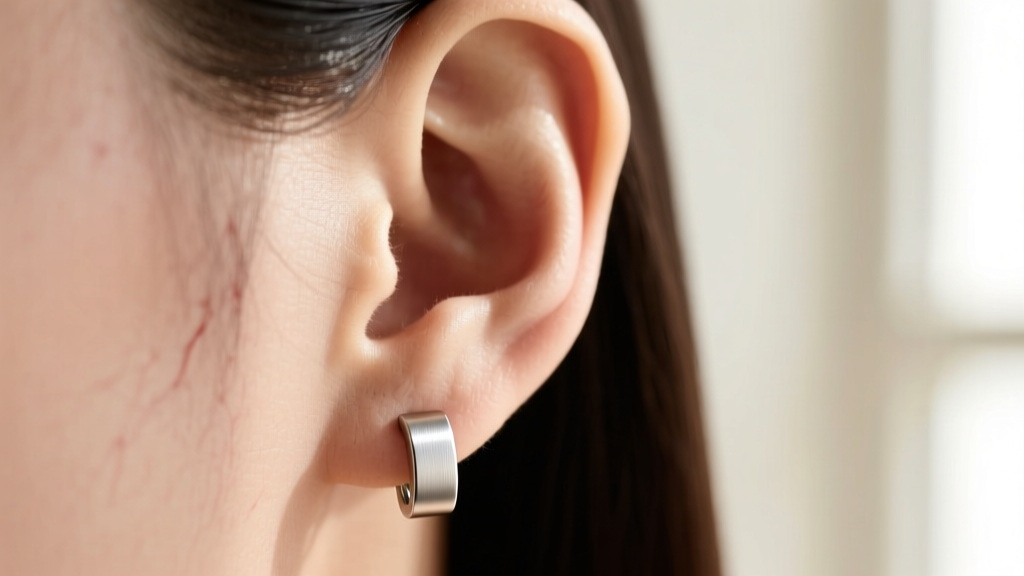
Flat back earrings, utilizing either internally threaded or threadless (push-pin) mechanisms, completely eliminate this posterior pressure point. The backing is a solid disc of titanium, typically 3mm to 4mm in diameter and 1.2mm thick, which sits perfectly flush against the posterior tissue. This design increases the surface area of contact, distributing the 10-pound weight of the head evenly across the tissue rather than concentrating it on a single wire. High-end threadless systems from brands like Neometal or Maria Tash (typically priced between $45 and $95 per component) utilize a bent-pin tension mechanism that is virtually impossible to dislodge during sleep, eliminating the risk of losing the earring or aspirating a loose backing.
"The transition from butterfly clutches to flat back labrets is the single most effective intervention for patients suffering from chronic piercing irritation, migration, and nocturnal ear pain. The flush profile respects the anatomical contours of the auricle."
— Clinical Body Modification Guidelines, 2025 Update
Healing vs. Healed Piercings: The 6-to-12 Month Rule
Temporal considerations for fistula maturation heavily dictate sleep protocols. For a newly pierced earlobe, the fistula takes a minimum of 3 to 6 months to develop a stable stratum corneum (the tough, protective outer layer of skin). Cartilage piercings require 9 to 12 months, and sometimes up to 18 months, to fully epithelialize. During this maturation phase, sleeping in stud earrings is not just safe; it is biologically mandatory to prevent the channel from collapsing. However, the jewelry must be a longer, 16-gauge flat back labret to accommodate nocturnal edema (swelling).
Once the piercing is fully healed, the fistula becomes resilient. At this stage, you can safely downsize to a shorter post (e.g., 6mm or 5/16") to ensure the back sits flush. Removing fully healed earrings for sleep is generally safe for earlobes, but cartilage piercings can shrink or close entirely within hours, even after years of being healed, due to the elastic memory of the auricular cartilage.
Troubleshooting Morning Swelling and Contact Dermatitis
If you wake up with a hot, swollen, or weeping piercing after sleeping in your studs, conduct a systematic audit of your jewelry. First, check the backing: if it is a butterfly clutch, discard it immediately and switch to a titanium flat back. Second, inspect the post for microscopic bends or scratches where bacteria can harbor. Finally, evaluate your pillowcase; high-friction materials like raw linen can catch on the front bezel of the stud, creating rotational torque that tears the fistula. Switching to a 400-thread-count sateen cotton or pure silk pillowcase reduces the coefficient of friction, allowing the ear to glide smoothly across the surface without catching the jewelry.
Final Verdict: Building a Sleep-Safe Jewelry Protocol
Sleeping in stud earrings is entirely safe and often medically necessary for piercing retention, provided you adhere to strict material and structural parameters. The era of sleeping in 22-gauge, nickel-heavy fashion studs with butterfly backs must end if we are to prioritize long-term tissue health. By investing in ASTM F136 implant-grade titanium, utilizing 18-gauge or 16-gauge posts, and exclusively relying on flat back mechanics, you transform a potential nocturnal hazard into a seamless, biologically compatible integration. Treat your sleep jewelry not as an accessory, but as a temporary medical implant, and your piercings will remain healthy, stable, and irritation-free for decades.


