Rachel Comey Earrings: Material Properties & Care
Analyze the material properties of Rachel Comey earrings. Compare resin, brass, and wood, plus expert care tips for mixed-media jewelry.

The Sculptural Appeal: Why Material Choice Matters
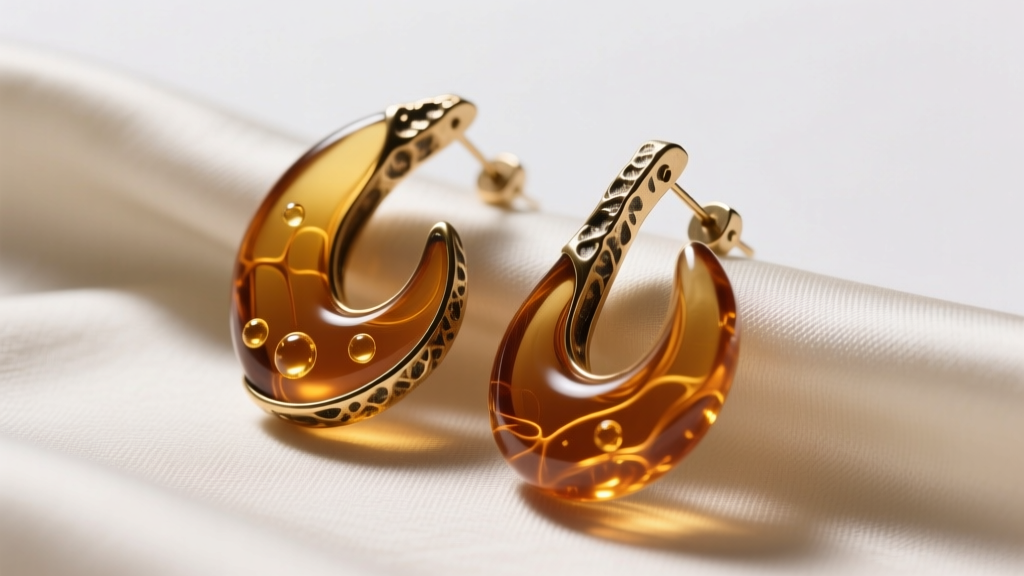
As we navigate the 2026 fashion landscape, the demand for avant-garde, mixed-media accessories continues to dominate. At the forefront of this movement are Rachel Comey earrings, celebrated for their architectural silhouettes, unconventional forms, and bold artistic statements. Unlike traditional fine jewelry that relies heavily on precious metals and faceted gemstones, Rachel Comey's designs frequently utilize optical-grade acrylics, carved woods, raw brass, and glass. Understanding the specific material properties of these pieces is not just an academic exercise; it is essential for ensuring longevity, maintaining structural integrity, and preventing skin sensitivities. This comprehensive guide breaks down the metallurgical, chemical, and physical properties of the materials commonly found in Rachel Comey earrings, providing a practical framework for collectors and everyday wearers alike.
Deep Dive: Material Properties & Wearability Matrix
Before exploring the specific care protocols, it is crucial to understand how these unconventional jewelry materials compare in terms of weight, durability, and skin interaction. The following matrix outlines the core characteristics of the primary materials used in the brand's sculptural collections.
| Material | Average Weight (per earring) | Hypoallergenic Rating | Scratch & Impact Resistance | Typical Price Range |
|---|---|---|---|---|
| Optical-Grade Acrylic / Lucite | 4g - 12g | High (Inert) | Moderate Scratch / High Impact | $120 - $240 |
| Raw Brass (70/30 Alloy) | 15g - 28g | Low (Contains Copper/Zinc) | High Scratch / Low Impact | $140 - $300 |
| Carved Hardwood (e.g., Mahogany) | 6g - 14g | Moderate (Depends on finish) | Low Scratch / Moderate Impact | $160 - $280 |
| Recycled Glass / Bakelite | 10g - 20g | High (Inert) | High Scratch / Low Impact (Brittle) | $180 - $350 |
Acrylic, Resin, and Lucite: The Lightweight Sculptural Staples
Many of the most iconic Rachel Comey earrings feature oversized, gravity-defying shapes that would be unbearably heavy if cast in solid metal. To achieve this, the brand frequently turns to PMMA (polymethyl methacrylate), commonly known as acrylic or Lucite. It is vital to distinguish between standard craft resin and optical-grade Lucite. Standard epoxy resins are highly susceptible to UV degradation, leading to a yellow, cloudy appearance over time. Optical-grade Lucite, however, is inherently UV-stable and maintains its crystal clarity for decades.
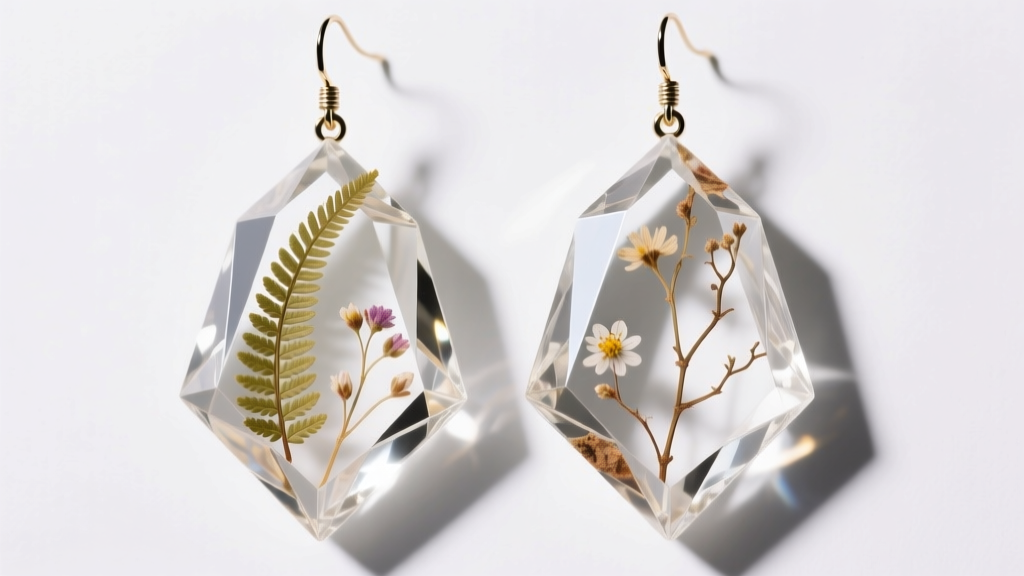
Despite its optical superiority, acrylic has specific failure modes. It is highly sensitive to chemical solvents. Exposure to isopropyl alcohol, acetone, or even the high-alcohol content in certain perfumes and hairsprays can cause micro-crazing—a network of tiny internal cracks that permanently clouds the material. Furthermore, while Lucite has high impact resistance, it is prone to surface scratching. According to the Getty Conservation Institute, plastics in jewelry and art require strict environmental controls and should only be cleaned with mild, non-ionic surfactants and ultra-soft microfiber cloths to preserve their structural and optical integrity.
Raw Brass and Mixed Metals: Patina and Skin Reactions
Brass provides the warm, golden, vintage-inspired hardware that anchors many of the brand's mixed-media pieces. Raw brass is an alloy primarily composed of copper and zinc (typically in a 70/30 ratio). Unlike plated brass, which features a microscopic veneer of gold or rhodium over a base metal, raw brass is solid throughout. This means it will not 'flake' or peel, but it will oxidize. When exposed to the lactic acid and moisture in human sweat, the copper in the brass reacts to form copper acetate, commonly known as verdigris. This results in the familiar green or black patina on both the jewelry and the wearer's skin.
For collectors who prefer the bright, polished look, raw brass requires regular maintenance using specialized brass polishes or a simple paste of baking soda and lemon juice. However, for those who embrace the organic, evolving patina, the darkening of the metal adds a layer of historical character to the piece. It is critical to note that while the decorative body of the earring may be raw brass, the post that pierces the earlobe is almost always crafted from surgical stainless steel (316L) or titanium to prevent contact dermatitis. The American Academy of Dermatology strongly advises that individuals with known nickel or copper sensitivities ensure that only inert, hypoallergenic metals directly penetrate the skin barrier.
Carved Wood and Natural Elements: Hygroscopic Challenges
Wood introduces an organic, tactile warmth to jewelry design, but it also introduces the complexities of hygroscopic materials. Wood naturally absorbs and releases moisture from the surrounding environment. In high-humidity climates, carved wooden earrings can swell, potentially warping the silhouette or causing the metal hardware to loosen. Conversely, in arid environments or during winter months with indoor heating, the wood can lose moisture, leading to micro-fissures and cracking.
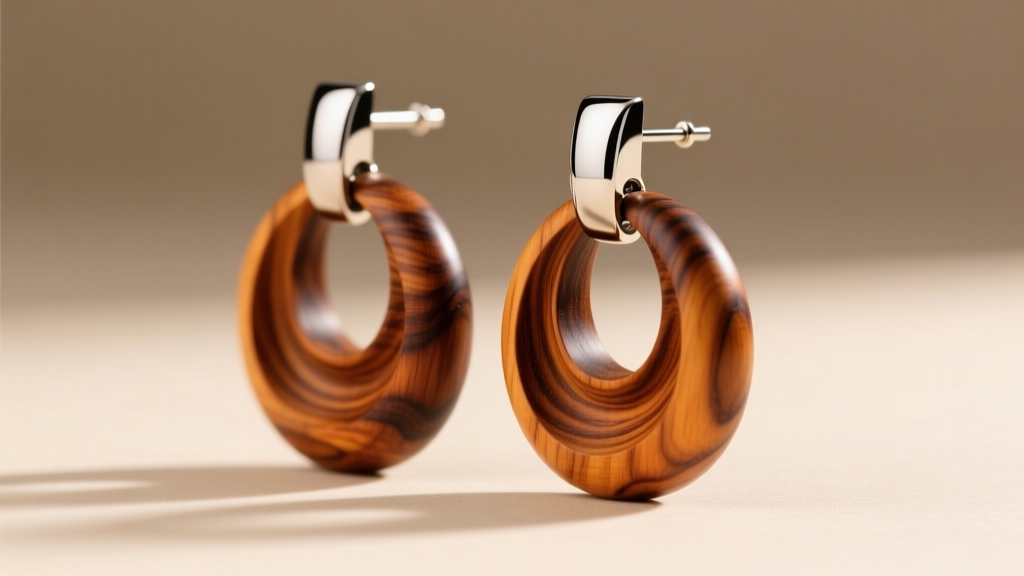
To mitigate these environmental risks, high-end wooden jewelry is typically sealed with either a penetrating oil (like tung or linseed oil) or a hard polyurethane finish. If your Rachel Comey wooden earrings appear dull or dry, applying a microscopic amount of food-grade mineral oil or specialized wood wax with a soft cloth can replenish the lipids in the wood grain. Never submerge wooden earrings in water, and always remove them before showering or swimming, as rapid moisture absorption will permanently compromise the structural integrity of the carved elements.
Hardware and Post Specifications: The Hidden Engineering
The aesthetic brilliance of a sculptural earring is entirely dependent on its hidden engineering. The connection point between a heavy brass or wood element and the delicate earlobe is a critical stress zone. Rachel Comey earrings typically utilize standard 20-gauge (0.81mm) or 18-gauge (1.02mm) posts for lobe piercings. The thicker 18-gauge posts are often employed for the heavier mixed-media pieces to prevent the post from bending under the weight of the earring body.
The clutch (or earring back) is equally important. Standard butterfly clutches, while secure, can trap moisture and dead skin cells against the back of the earlobe, creating an environment for bacterial growth. For heavier, front-heavy sculptural earrings, silicone disc clutches or specialized locking ear nuts are highly recommended. These provide a wider surface area to distribute the weight across the back of the earlobe, preventing the 'drooping' effect that can stretch the piercing over time and ensuring the earring sits flush and perpendicular to the face.
Long-Term Care and Restoration Framework
Maintaining a collection of mixed-media, avant-garde jewelry requires a departure from standard ultrasonic cleaning methods. Ultrasonic cleaners, which are excellent for diamonds and solid gold, will shatter acrylic, strip the patina from raw brass, and destroy wood finishes. Follow this actionable care framework to preserve your pieces:
- Storage: Store each pair individually in soft flannel pouches. Acrylic and glass pieces should never be tossed into a communal jewelry box where they can be scratched by harder metal edges.
- Chemical Avoidance: Always apply perfumes, hairsprays, and lotions before putting on your earrings. Allow the cosmetics to dry completely to prevent chemical interactions with resins and raw metals.
- Hardware Checks: Every six months, inspect the jump rings and connection loops where the earring body meets the post. Gently tighten any loose loops using nylon-jaw jewelry pliers to prevent catastrophic loss of the decorative element.
- Brass Maintenance: If you prefer the original bright gold finish of raw brass components, use a mild, non-abrasive metal polish applied with a cotton swab, carefully avoiding any adjacent resin or wood elements.
By understanding the unique material science behind these designs, you can ensure that your investment in high-fashion, sculptural jewelry remains structurally sound and visually striking for years to come.


