Rachel Glauber Earrings: Material Properties Guide
Explore the material properties of Rachel Glauber earrings. Compare gold vermeil, brass, and enamel for durable, hypoallergenic wear.

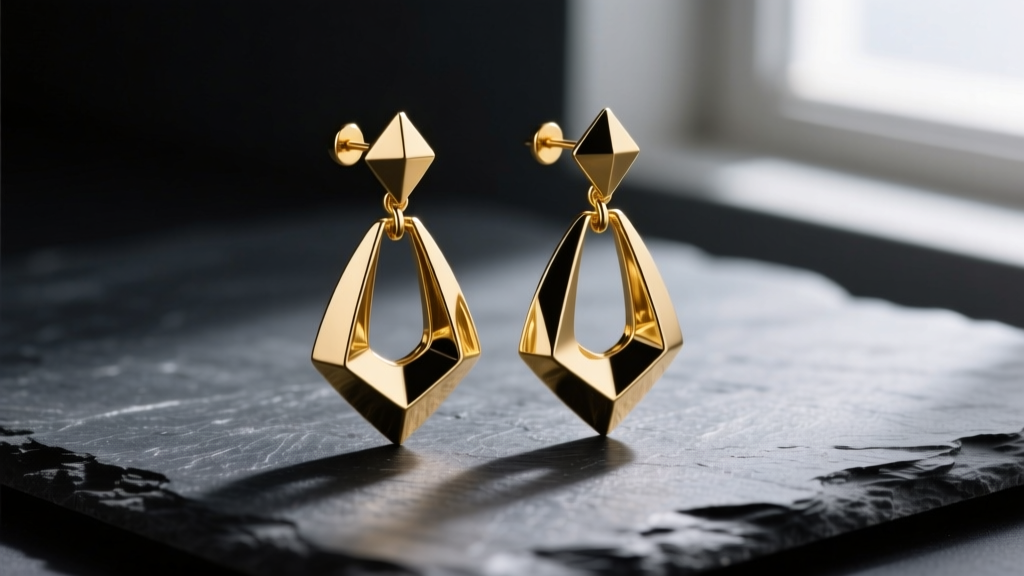
When evaluating contemporary designer jewelry, understanding the metallurgical and structural properties of the pieces is just as important as their aesthetic appeal. Rachel Glauber earrings are frequently celebrated for their bold, sculptural silhouettes and innovative use of mixed media. However, the longevity, weight, and skin-compatibility of these statement pieces depend entirely on their material composition. Whether you are investing in gold vermeil, structural brass, or cold-enamel accents, a deep dive into the material properties will help you make informed purchasing decisions and properly maintain your collection.
The Signature Aesthetic: Why Material Dictates Design
Contemporary jewelry design often requires balancing dramatic visual volume with wearable comfort. Designers like Rachel Glauber frequently utilize a combination of base metals, precious metal plating, and non-metal elements to achieve large-scale architectural shapes without causing earlobe fatigue. The choice of material is not merely a cost-saving measure; it is an engineering decision. For instance, solid 14k or 18k gold is exceptionally dense. A solid gold earring with a three-inch geometric drop would be prohibitively heavy, likely stretching the earlobe piercing and causing discomfort within minutes. By leveraging advanced material properties, designers can create voluminous, striking earrings that remain comfortable for all-day wear.
Deconstructing the Core Metals: Vermeil vs. Solid Gold vs. Brass
To understand the value and care requirements of designer earrings, we must first differentiate between the core metals used in contemporary jewelry manufacturing. The Federal Trade Commission (FTC) strictly regulates how jewelry metals are marketed, particularly regarding gold plating and vermeil.
Understanding Gold Vermeil Thickness (The 2.5 Micron Rule)
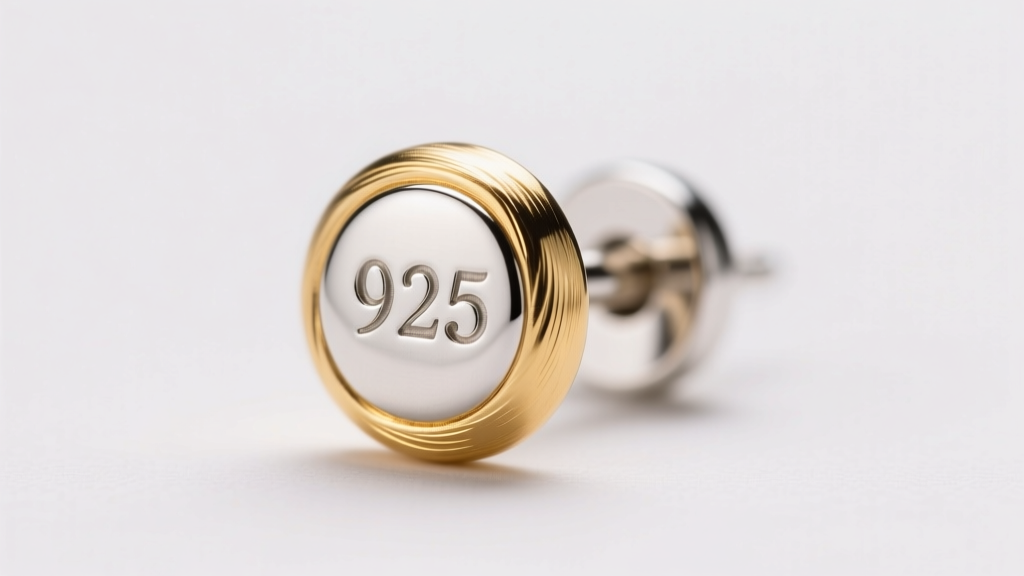
Gold vermeil (pronounced ver-may) is a specific category of gold-plated jewelry. By FTC definition, for a piece to be legally sold as vermeil in the United States, it must meet two strict criteria:
- Base Metal: The core must be .925 sterling silver, not brass or copper.
- Plating Thickness: The gold layer must be at least 2.5 microns thick (typically 14k or 18k gold).
This 2.5-micron thickness is crucial. Standard 'flash-plated' jewelry often features a gold layer of only 0.1 to 0.5 microns, which can wear off within weeks of daily friction. Vermeil's thicker electroplated layer, bonded to a silver base, offers significantly higher tarnish resistance and longevity. However, because the base is sterling silver (which contains 7.5% copper), vermeil can still eventually oxidize if the gold layer is compromised by harsh chemicals or abrasive polishing.
The Role of Brass in Sculptural Jewelry
For highly structural, oversized components where the piece does not directly sit inside the piercing channel, jewelers often turn to brass. Brass is an alloy of copper and zinc, prized for its high tensile strength, malleability, and relatively low density compared to solid silver. It allows for intricate casting and bold geometric forms. The primary drawback of brass is its potential to cause skin discoloration (the notorious 'green skin' effect caused by copper oxidation reacting with skin acidity) and its high nickel-sensitization risk if not properly sealed or plated.
| Material | Base Composition | Plating / Finish | Tarnish Risk | Ideal Use Case |
|---|---|---|---|---|
| Gold Vermeil | .925 Sterling Silver | ≥ 2.5 microns 14k/18k Gold | Low (if maintained) | Posts, huggies, medium drops |
| Gold-Plated Brass | Copper/Zinc Alloy | Variable (often < 1 micron) | High (base metal exposure) | Large sculptural bodies, charms |
| Solid 14k Gold | 58.5% Gold, Alloyed | N/A (Solid throughout) | Very Low | Permanent jewelry, fine studs |
Alternative Materials: Enamel, Resin, and Mixed Media
Beyond metals, contemporary earrings frequently incorporate color through vitreous enamel or cold enamel (epoxy resin). Understanding the difference between these two is vital for long-term care.
Vitreous Enamel vs. Cold Enamel
Vitreous enamel is essentially powdered glass fused to a metal substrate at extremely high temperatures (typically between 1,380°F and 1,560°F). The result is a hard, scratch-resistant, and UV-stable surface that will not yellow over time. However, because it is glass, it is brittle; dropping a vitreous enamel earring on a hard tile floor can cause the color to chip or shatter.
Cold enamel, conversely, is a two-part epoxy resin. It is cured at room temperature and is highly impact-resistant, meaning it will bounce rather than shatter if dropped. The trade-off is that cold enamel is softer (prone to micro-scratches) and can yellow or become cloudy over time when exposed to prolonged UV light and the oils found in cosmetics and perfumes.
Hypoallergenic Properties: What Sensitive Ears Need to Know
For individuals with contact dermatitis or metal sensitivities, the material composition of the earring post—the part that actually passes through the fistula (piercing channel)—is the most critical factor. According to the American Academy of Dermatology, nickel is the most common culprit for allergic contact dermatitis in jewelry wearers.
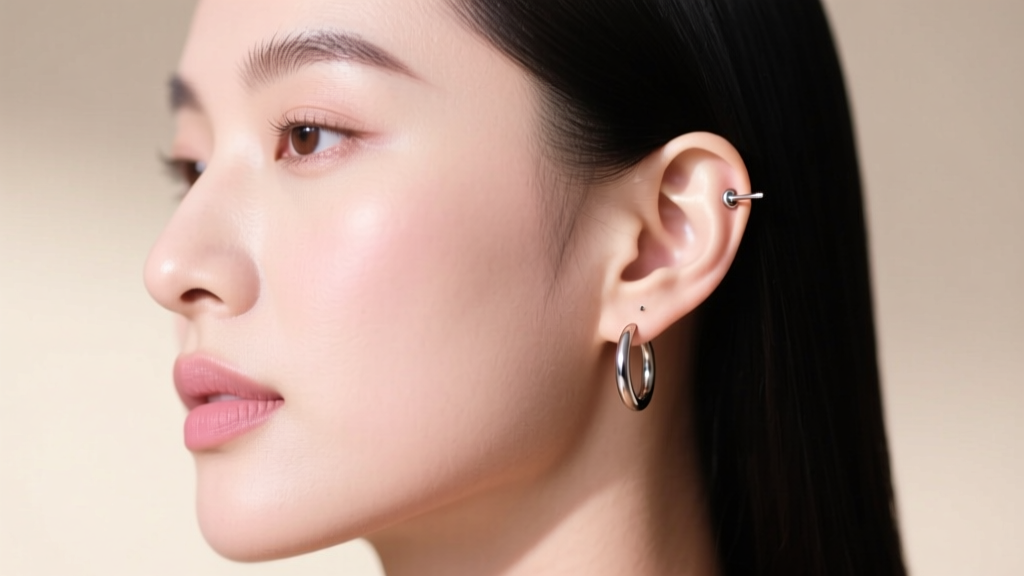
Many designer earrings utilize a 'mixed-metal' approach to balance cost, aesthetics, and skin safety. It is highly common to find an earring with a brass or sterling silver decorative body, but equipped with a surgical stainless steel or titanium post.
Post Materials and Gauge Sizes
When assessing hypoallergenic properties, look for the following post materials:
- Implant-Grade Titanium (ASTM F136): The gold standard for sensitive ears and fresh piercings. It contains zero nickel and is highly biocompatible.
- Niobium: A highly reactive metal that is naturally hypoallergenic and can be anodized into vibrant colors without the use of dyes or plating.
- Surgical Stainless Steel (316L): Contains trace amounts of nickel, but the nickel is typically bound within the alloy structure. Safe for most, but can trigger reactions in highly sensitive individuals.
Furthermore, the gauge (thickness) of the post matters. Standard earlobe piercings are done at 20G (0.81mm) or 18G (1.02mm). Heavy, mixed-material drop earrings often require a thicker 16G (1.29mm) post to prevent the metal from bending under the weight of the earring. Forcing a 16G post into a 20G piercing can cause micro-tears in the fistula, leading to irritation bumps and localized swelling. Always verify the post gauge before purchasing heavy statement pieces.
Maintenance and Chemical Exposure
The structural integrity and finish of mixed-material earrings require specific maintenance protocols. Never use ultrasonic jewelry cleaners on gold vermeil or cold enamel pieces. The high-frequency acoustic cavitation bubbles generated by ultrasonic cleaners can easily strip 2.5-micron gold plating and fracture cold enamel resins. Instead, use a mild, phosphate-free dish soap, lukewarm water, and a microfiber cloth. Always apply perfumes, hairsprays, and chemical sunscreens before putting on your earrings, as the alcohol and organic solvents in these products will rapidly degrade both resin components and precious metal plating.
Final Verdict: Investing in Contemporary Designer Pieces
Evaluating Rachel Glauber earrings and similar contemporary designer pieces requires looking past the initial visual impact and examining the metallurgical engineering beneath the surface. By understanding the FTC standards for vermeil, the structural benefits of brass, the fragility of vitreous enamel, and the necessity of titanium or steel posts for sensitive ears, you can curate a collection that is not only visually striking but built to withstand the rigors of daily wear. Always prioritize the material properties of the components that interact directly with your skin, and adjust your maintenance routines to suit the specific alloys and resins present in your jewelry.


