How Much Are Real Pearl Earrings? 2026 Pricing & Buying Guide
Discover how much real pearl earrings cost in 2026. Our buying guide breaks down pricing by type, luster, size, and setting for Akoya, Tahitian, and more.

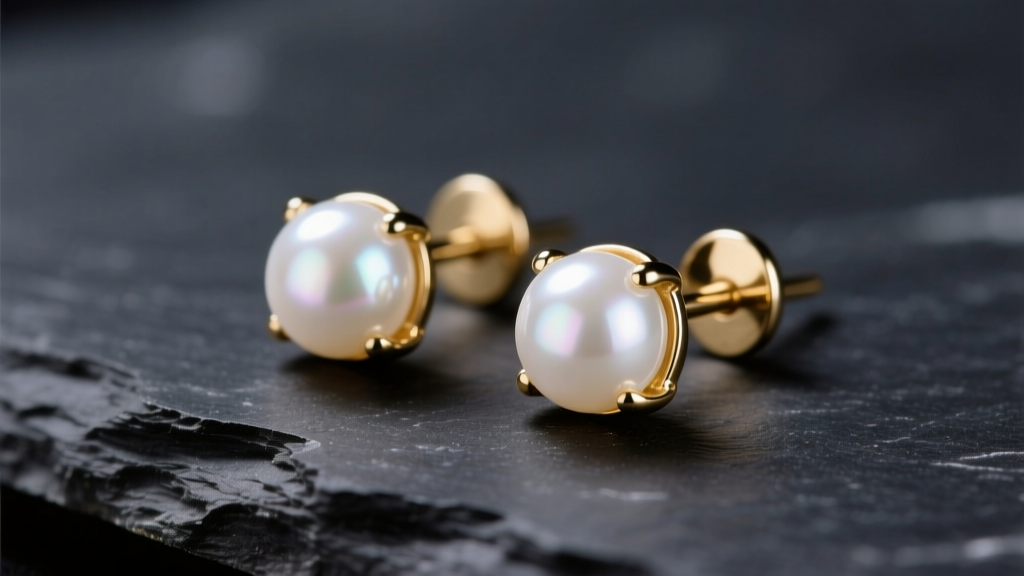
Decoding the Cost of Authentic Pearl Jewelry in 2026
If you have ever found yourself asking, how much are real pearl earrings, you are not alone. The pearl market is notoriously opaque, with prices ranging from $30 for basic freshwater studs to over $10,000 for collector-grade South Sea drops. As we navigate the 2026 jewelry market, shifting precious metal costs and evolving culturing techniques have reshaped the pricing landscape. This comprehensive buying guide strips away the marketing fluff to give you exact price brackets, grading metrics, and structural insights so you can invest in pearl earrings with absolute confidence.
The Core Factors Dictating Pearl Earring Prices
Unlike diamonds, which are graded on a rigid 4Cs scale, pearls are organic gemstones evaluated on a more nuanced spectrum. According to the Gemological Institute of America (GIA), pearl value is determined by seven distinct factors: size, shape, color, luster, surface quality, nacre thickness, and matching. For earrings, matching and luster are the most critical cost drivers.
1. Pearl Type and Origin
The species of oyster and the geographic region fundamentally set the baseline price.
- Freshwater Pearls: Cultured primarily in China, these are the most abundant. While older 'rice' shapes are cheap, modern round Edison freshwater pearls command premium respect.
- Akoya Pearls: The classic, perfectly round white pearl cultured in Japan and China. Known for their mirror-like luster.
- Tahitian Pearls: Cultured in French Polynesia, these are naturally dark, featuring coveted 'peacock' overtones.
- South Sea Pearls: The largest and rarest, cultured in Australia, Indonesia, and the Philippines. Available in stark white and rich gold.
2. The Luster Multiplier
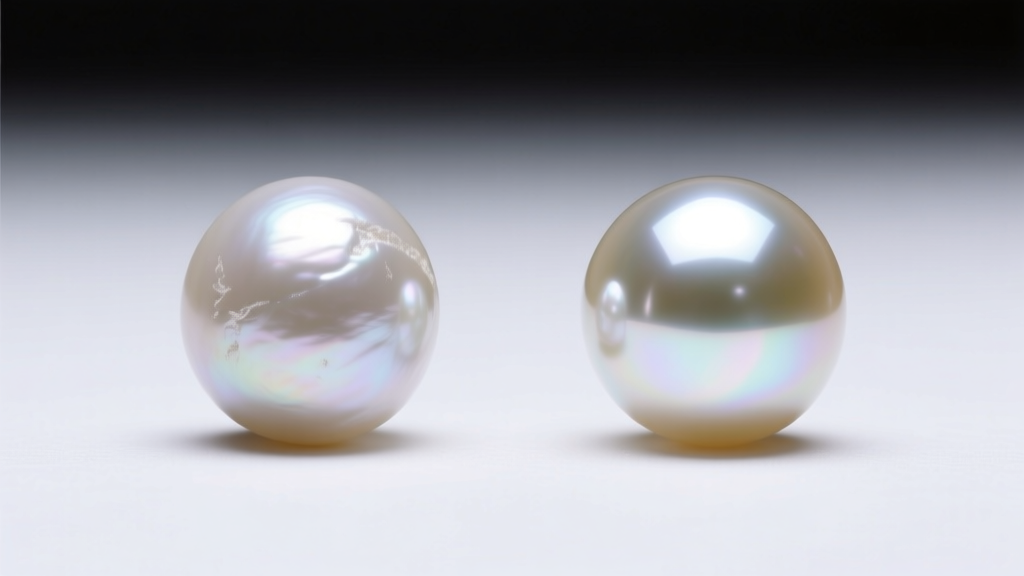
Luster is the soul of a pearl. It refers to the sharpness and intensity of light reflecting off the nacre layers. A chalky, dull pearl might cost $50, while a sharp, mirror-like Hanadama-grade Akoya of the exact same size can cost $400. Always prioritize luster over size when working within a fixed budget.
2026 Price Breakdown: How Much Are Real Pearl Earrings?
To give you a realistic expectation of the current market, we have compiled a pricing matrix based on 2026 retail averages for standard stud earrings (single pearls per ear, set in 14k gold). Note that drop and dangle styles will add $150 to $800+ for the metalwork and accent diamonds.
| Pearl Type | Typical Size (mm) | Entry-Level (AA) | Premium (AAA) | Collector (Hanadama/Gem) |
|---|---|---|---|---|
| Freshwater (Round) | 6.0 - 9.0 | $40 - $90 | $100 - $250 | $300 - $600 (Edison) |
| Akoya (White/Rose) | 6.0 - 9.5 | $150 - $350 | $400 - $900 | $1,000 - $2,500+ |
| Tahitian (Dark) | 8.0 - 12.0 | $250 - $500 | $600 - $1,500 | $2,000 - $4,500+ |
| White South Sea | 10.0 - 15.0 | $600 - $1,200 | $1,500 - $3,500 | $4,000 - $8,000+ |
| Golden South Sea | 10.0 - 14.0 | $800 - $1,500 | $2,000 - $4,000 | $5,000 - $10,000+ |
Expert Insight: The price of pearls does not scale linearly with size. A 9mm Akoya pearl can cost three times as much as an 8mm pearl of the exact same quality, simply because 9mm+ Akoya yields are incredibly rare in Japanese farms.
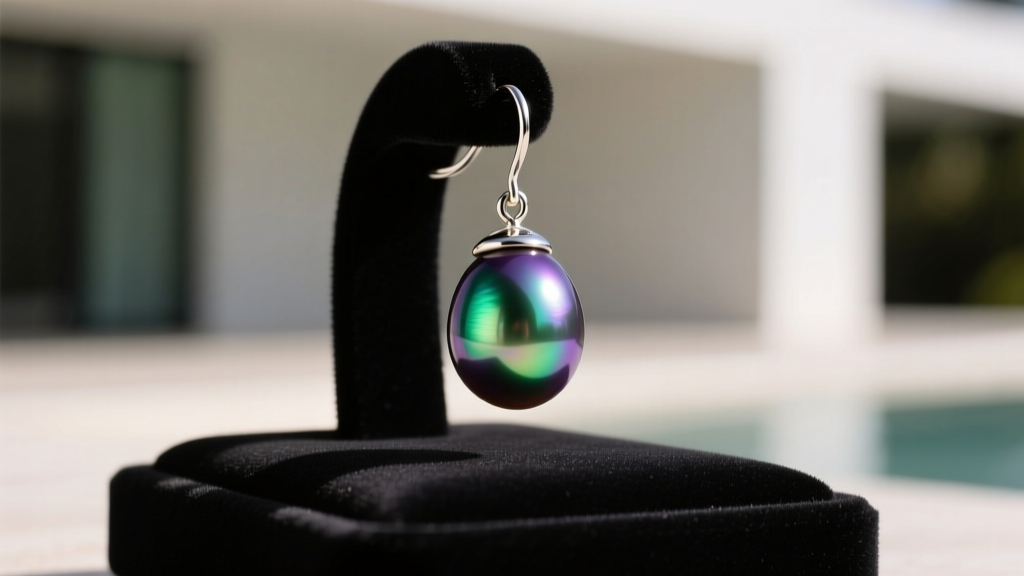
Settings and Metals: The Hidden Cost Multipliers
When researching how much real pearl earrings cost, buyers often fixate on the gem and ignore the mounting. In 2026, with gold prices remaining historically high, the metal choice significantly impacts your final receipt.
Precious Metal Pricing Tiers
- Sterling Silver (925): Adds $15 - $40 to the base pearl cost. Prone to tarnishing; requires rhodium plating for longevity.
- 14k Gold (Yellow, White, or Rose): The industry standard for durability and value. Adds $120 - $250 for a standard 4-prong stud setting.
- 18k Gold: Richer in color but slightly softer. Adds $200 - $400 to the setting cost.
- Platinum: Hypoallergenic and incredibly dense. Expect to pay a $350 - $600 premium over 14k gold for the exact same earring design.
The Gauge and Post Thickness Nuance
A critical, often overlooked detail in pearl earring manufacturing is the post thickness. Standard diamond stud posts are usually 1.0mm to 1.2mm thick. However, drilling a 1.2mm hole into a delicate 7mm Akoya pearl removes too much nacre and compromises the gem's structural integrity. High-end jewelers use specialized 0.8mm or 0.9mm pearl posts. If you see a massive hole drilled into a small pearl, it is a red flag indicating poor craftsmanship or a heavily blemished pearl where the driller was trying to hollow out a surface defect.
How to Verify Authenticity and Avoid Overpaying
The market is flooded with shell beads coated in synthetic 'pearl essence' (often sold as Majorica pearls). While beautiful, they are not real pearls and should not be priced as such. Here is how to verify authenticity before you buy.
The Tooth Test vs. The X-Ray
The classic 'tooth test' involves gently rubbing the pearl against the biting edge of your front teeth. A real pearl will feel distinctly gritty or sandy due to its microscopic crystalline nacre layers. A fake pearl will feel perfectly smooth like glass or plastic. However, for high-value purchases like South Sea or Tahitian drops, rely on gemological X-rays, which reveal the concentric rings of natural nacre or the tell-tale solid bead nucleus of a cultured pearl, as outlined in the GIA's Pearl Description guidelines.
Red Flags in Pricing
If a vendor is offering 'flawless, 12mm round white South Sea pearl studs' for $300, walk away. That price point is biologically and economically impossible for that specific grade and origin. You are likely looking at freshwater pearls dyed and bleached to mimic South Sea gems, or heavily composite stones.
Expert Buying Framework: Matching Budget to Expectation
To make your purchase decision easier, use this framework to align your budget with the best possible quality in 2026.
Budget: Under $150
Strategy: Focus on high-luster Freshwater pearls or smaller (5.5mm - 6.5mm) entry-level Akoya studs set in sterling silver or 10k gold. You can achieve a beautiful, bright look without compromising on the sharpness of the luster.
Budget: $300 - $800
Strategy: This is the sweet spot for classic 7.5mm - 8.5mm AAA-grade Akoya studs in 14k gold. Alternatively, you can step into the world of Tahitian pearls, opting for slightly smaller (8mm - 9mm) drops with intense peacock overtones.
Budget: $1,500+
Strategy: You are now in collector territory. Demand Hanadama-certified Akoya (the highest Japanese grading standard) or step up to 11mm+ White or Golden South Sea pearls. At this price point, insist on a certificate from a reputable lab verifying nacre thickness and origin.
Final Thoughts on Pearl Valuation
Understanding how much real pearl earrings cost requires looking past the surface. By evaluating the interplay of luster, nacre thickness, pearl origin, and metal integrity, you can confidently navigate the 2026 market. Whether you are investing in a timeless pair of Akoya studs for daily wear or a dramatic pair of Tahitian drops for evening events, prioritizing optical brilliance over sheer millimeter size will always yield the most breathtaking results.


