Are Really Long Earrings Worth It? Budget & Value Guide
Discover if really long earrings are worth the price. We break down material costs, structural risks, and value tiers for shoulder-duster styles.

The Physics of Really Long Earrings: Weight and Wearability
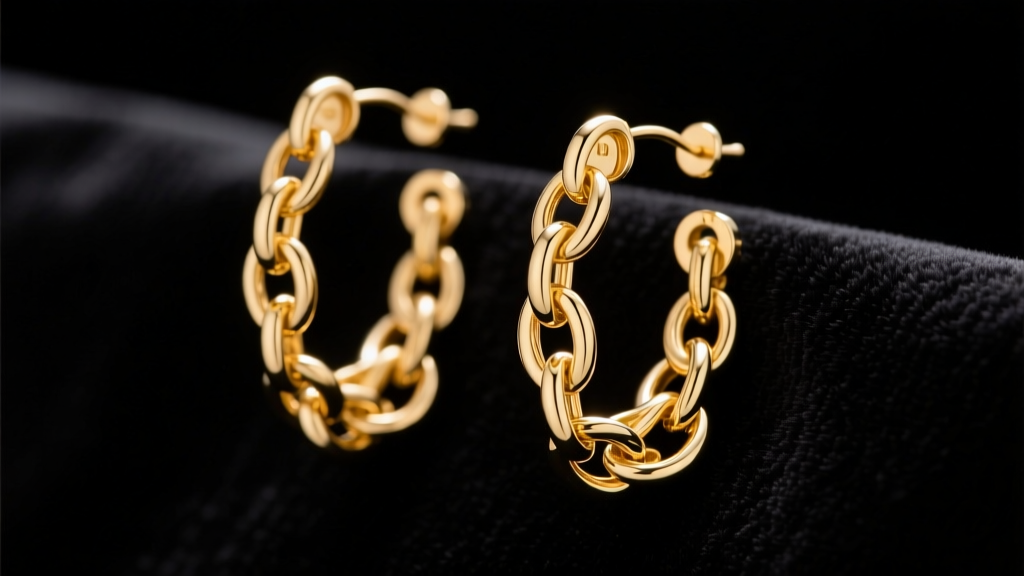
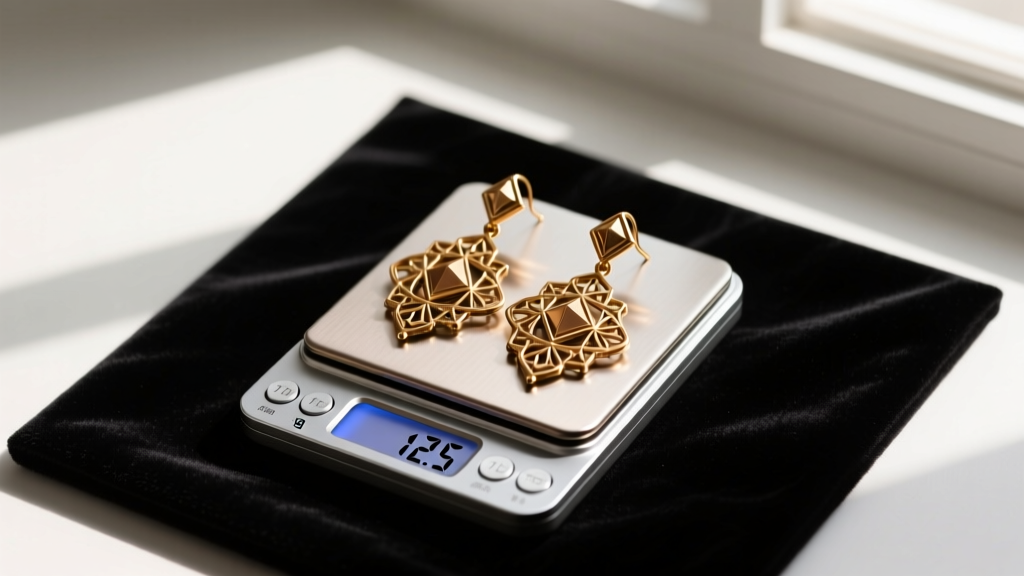
When navigating the 2026 jewelry market, the appeal of shoulder-dusters and chandelier styles is undeniable. However, assessing the true value of really long earrings requires looking far beyond the initial price tag. Unlike standard studs that weigh a mere 1 to 2 grams, statement drops ranging from 3 to 6 inches in length frequently weigh between 8 and 15 grams per earring. This dramatic increase in mass fundamentally changes how the earring interacts with your anatomy.
From a biomechanical perspective, a long earring acts as a pendulum. Every time you turn your head, walk, or take off a sweater, kinetic energy is transferred directly to the earlobe piercing. A budget-friendly pair of heavy brass chandeliers might cost only $25, but if the structural engineering is poor, the pendulum effect can rapidly stretch the piercing or, worse, cause a traumatic lobe tear. Therefore, a proper budget and value assessment must factor in not just the materials, but the hardware mechanics and the potential medical costs of earlobe repair.
Material Grades & Pricing Tiers: What You Actually Pay For
The baseline cost of really long earrings is dictated by raw material markets. With precious metal prices remaining volatile into 2026, understanding the difference between base metals, filled metals, and solid alloys is critical for your wallet and your skin. According to the American Academy of Dermatology, contact dermatitis from nickel and copper alloys is a leading cause of jewelry-related skin reactions, making cheap base metals a hidden liability.
| Material Grade | Typical Price Range | Expected Lifespan | Value Verdict |
|---|---|---|---|
| Brass / Zinc Alloy | $15 - $35 | 1 - 6 Months | Poor (High allergy & tarnish risk) |
| 925 Sterling Silver | $45 - $95 | 2 - 5 Years | Fair (Prone to bending if wire is thin) |
| 14k Gold Filled (1/20) | $65 - $130 | 5 - 15 Years | Excellent (Best budget-to-longevity ratio) |
| Solid 14k / 18k Gold | $250 - $800+ | Lifetime / Heirloom | Premium (Investment grade, hypoallergenic) |
For the budget-conscious buyer, 14k Gold Filled offers the highest value proposition. Unlike gold-plated earrings, which feature a microscopic layer of gold (usually less than 0.05% of the total weight) that rubs off within weeks, gold-filled pieces are legally required to contain at least 5% 14k gold by weight, mechanically bonded to a brass core. This provides the hypoallergenic benefits and visual warmth of solid gold at a fraction of the cost, making it the smartest choice for large, heavy statement pieces.
Structural Failure Modes: The Hidden Cost of Cheap Hardware
The most common reason buyers feel they have wasted money on really long earrings is not because the metal tarnished, but because the earring physically broke or fell out. Budget manufacturers cut corners on structural engineering to maintain low price points. Here are the specific failure modes you must inspect before purchasing:
The Wire Gauge Dilemma
The wire that passes through your earlobe is measured in gauges. Most cheap, mass-produced drop earrings use 22-gauge (0.64mm) or thin 20-gauge (0.81mm) wire to save on metal costs. When supporting a 12-gram chandelier earring, a 22-gauge wire will warp, bend, and eventually snap under the repetitive stress of daily wear. For any earring over 3 inches in length, you should actively seek out 18-gauge (1.02mm) or heavily reinforced 20-gauge hooks. The Gemological Institute of America (GIA) notes that structural integrity in jewelry is just as vital as metal purity; a pure gold hook that snaps is ultimately worthless.
Soldered vs. Unsoldered Jump Rings
Look closely at the tiny rings connecting the earring hook to the decorative drop. In budget earrings, these jump rings are simply bent into a circle with a visible seam. Under the pendulum weight of a long earring, this seam will pull apart, and you will lose the piece. High-value earrings feature soldered jump rings, where the seam is fused shut with a laser or torch. Soldering adds roughly 15% to the manufacturing labor cost, but it prevents the catastrophic loss of a $100+ investment.
Clasp Security: French Wire vs. Leverback
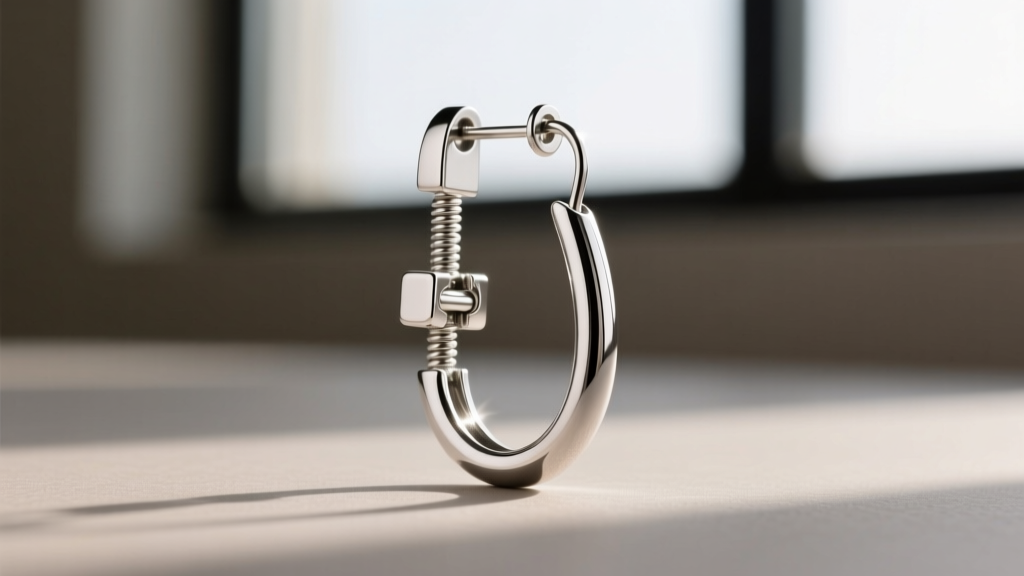
Standard French wires (fishhooks) are inexpensive to produce but offer zero security for heavy drops. If you are buying really long earrings, insist on a leverback clasp or a secure friction post with a heavy-duty silicone stopper. A leverback features a hinged, spring-loaded mechanism that clicks shut, completely enclosing the earlobe and preventing the earring from slipping out during movement.
The Financial Reality of Earlobe Repair
When assessing your jewelry budget, you must consider the worst-case scenario. If a heavy, poorly engineered alloy earring catches on a scarf or hairbrush, the kinetic force can easily slice through the earlobe tissue. According to data from cosmetic dermatology and plastic surgery practices, a surgical earlobe repair typically costs between $500 and $1,500 per lobe, depending on the severity of the tear and the geographic location of the clinic.
From a purely financial perspective, spending an extra $60 on a pair of well-engineered, 14k gold-filled leverback earrings with soldered jump rings is a highly effective risk-mitigation strategy. You are not just buying jewelry; you are buying structural insurance for your body.
Value Assessment Framework: The Buyer's Checklist
Before checking out with a pair of shoulder-dusters, run the piece through this rapid value-assessment checklist recommended by industry experts at Jewelers of America:
- Weight Check: Does the product listing specify the weight? If it exceeds 10 grams per earring, does it feature an 18-gauge hook or a supportive ear-cuff harness to distribute the weight?
- Hardware Inspection: Are the jump rings soldered shut? Is the clasp a secure leverback or locking mechanism rather than a basic fishhook?
- Material Transparency: Is the metal clearly stamped or described? Avoid vague terms like "gold tone" or "silver colored." Look for "925," "14k GF," or "Solid 14k."
- Movement Test: If shopping in person, gently swing the earring. Do the links bind and catch on one another, or do they move with fluid, independent articulation? Binding links create tension points that lead to metal fatigue and snapping.
Final Verdict: Budgeting for Statement Drops
Really long earrings are absolutely worth the investment, provided you allocate your budget toward structural integrity and skin-safe materials rather than fleeting fast-fashion trends. By avoiding base metals, demanding soldered hardware, and respecting the physical limits of your earlobe tissue, you can curate a collection of breathtaking shoulder-dusters that offer decades of wear. In 2026, true jewelry value is defined by the marriage of bold aesthetics and uncompromising engineering.


