How to Remove Flat Back Earrings Safely on a Budget
Learn how to remove flat back earrings safely without damaging expensive jewelry. Discover budget-friendly tools, removal hacks, and value-saving tips.

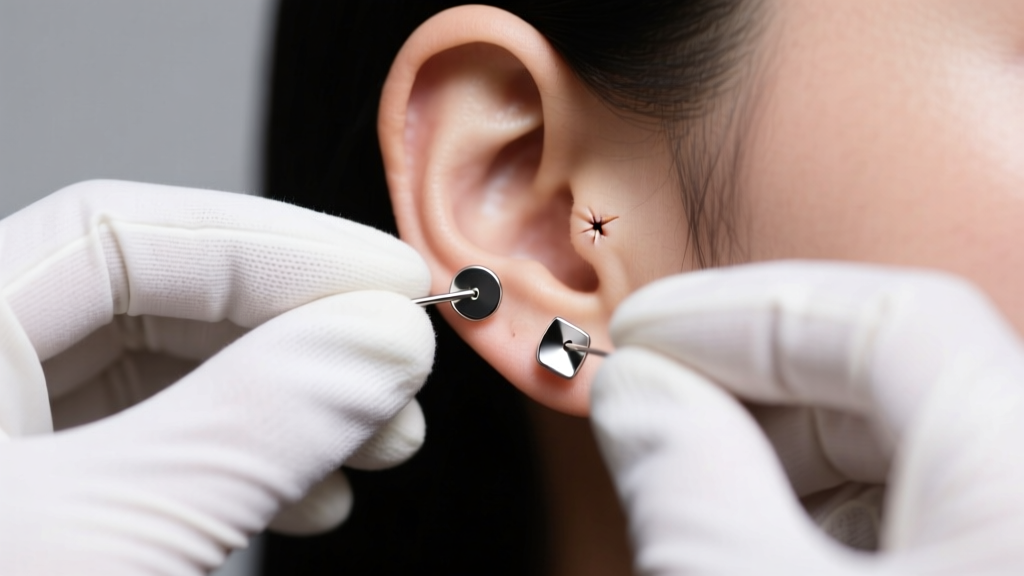
Flat back earrings, frequently referred to as labret studs, have become the undisputed gold standard for both lobe and cartilage piercings. Their flush-fitting design offers unparalleled comfort, especially for side sleepers, while providing a secure canvas for high-end gemstones. However, as any jewelry enthusiast knows, the moment it is time to downsize, clean, or swap out your jewelry, a new challenge emerges. Learning how to remove flat back earrings without damaging the piece or your piercing is a critical skill, especially when you are managing a jewelry budget.
When you invest in premium body jewelry, you are not just buying an accessory; you are purchasing precision-machined metalwork. Brands utilizing implant-grade titanium (ASTM F136) or solid 14k and 18k gold craft pieces with microscopic tolerances. Forcing a stuck earring can strip internal threads, bend threadless pins, or dislodge expensive gemstones. From a budget and value assessment perspective, understanding the mechanics of your jewelry and employing cost-effective, safe removal techniques is essential to protecting your financial investment.
The Hidden Costs of Forced Removal
Before attempting to yank out a stubborn flat back, it is vital to assess the potential financial fallout of improper removal. Many people reach for household tools out of frustration, unaware that the cost of replacing ruined luxury jewelry vastly outweighs the price of proper removal techniques.
| Removal Method | Estimated Cost | Risk to Jewelry Value | Best Use Case |
|---|---|---|---|
| Nitrile Gloves (DIY Grip) | $5 - $8 | Very Low | Standard threadless and threaded swaps |
| Warm Saline Soak | $2 - $5 | Zero | Jewelry stuck by sebum or crust buildup |
| Professional Piercer Assistance | $10 - $25 (Often Free) | Zero | High-end pieces ($150+) or severe swelling |
| Needle-Nose Pliers (DIY) | $0 (Owned) | Extremely High | Never recommended for fine jewelry |
| Replacing a Ruined BVLA Gem | $120 - $300+ | Total Loss | N/A (Consequence of plier use) |
As the Association of Professional Piercers (APP) frequently notes, the mechanical integrity of body jewelry is paramount. Using pliers on a 14k gold bezel setting will almost certainly scratch the soft metal and compromise the prongs or bezel wall, leading to lost diamonds or opals. Protecting your budget means protecting the physical integrity of the jewelry.
Identify Your Mechanism Before You Pull
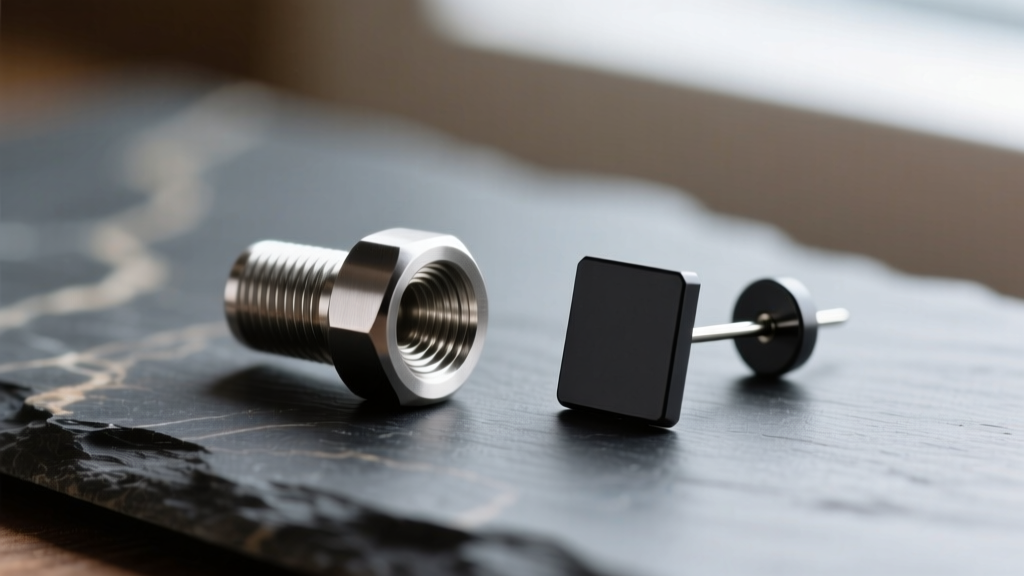
The very first step in our value-saving protocol is identifying exactly how your flat back earring is constructed. Flat backs generally fall into two categories: internally threaded and threadless (push-pin). Misidentifying the mechanism is the leading cause of accidental jewelry damage.
Internally Threaded Flat Backs
In this design, the screw threads are located on the inside of the decorative end (the gem or bead), while the post that goes through your ear is smooth. This is the safest and most comfortable design for the body. To remove it, you must hold the flat back disc steady behind your ear and twist the decorative front counter-clockwise (lefty-loosey). If you pull straight out, you will only cause pain and swelling.
Threadless (Push-Pin) Flat Backs
Threadless jewelry relies on tension. The decorative end has a tiny, slightly bent metal pin that pushes into the hollow post. The bend in the pin creates a spring-like tension against the inner wall of the post, locking it in place. To remove it, you do not twist. Instead, you must grip the front and the back and pull them apart in opposite directions while applying a slight wiggling motion.
Budget-Friendly Removal Techniques
You do not need expensive proprietary tools to remove high-end jewelry safely. The most effective removal tools are likely already in your home or can be acquired for less than ten dollars.
The Biology of Stuck Jewelry: Dissolving the Glue
Sebum, dead skin cells, and dried saline create a biological cement. Over six to twelve months, this organic matter calcifies around the junction where the decorative end meets the skin. High-end titanium and gold resist tarnishing, but they cannot prevent this buildup. Before applying physical force, apply a warm, sterile saline compress to the area for five minutes. This softens the biological glue, reducing the required grip strength by up to 70% and preventing accidental stress on gemstone settings.
The Nitrile Glove Method (For Threadless & Threaded)
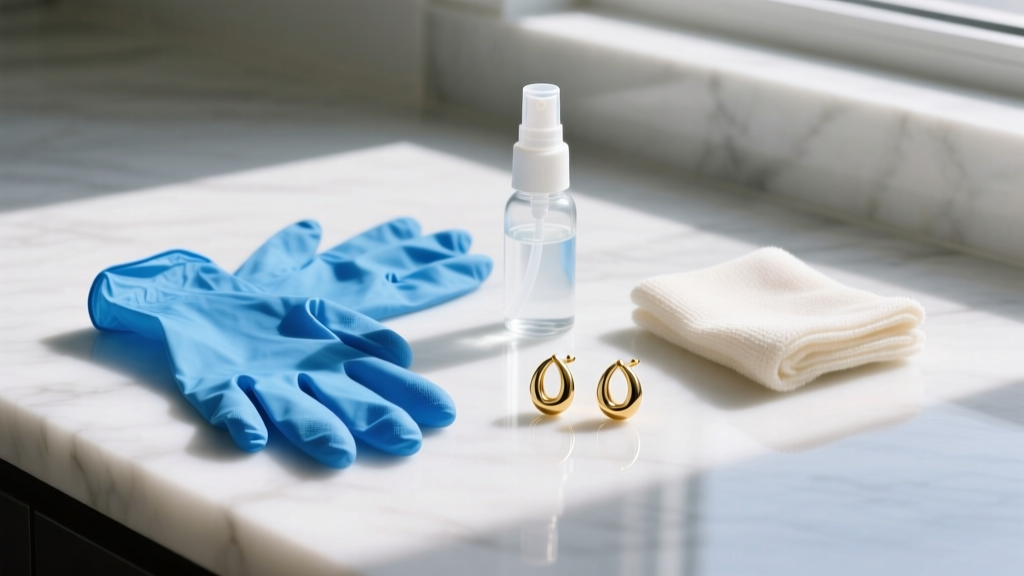
The single greatest budget investment you can make for jewelry maintenance is a box of medical-grade nitrile gloves. Skin naturally produces oils that make gripping tiny, smooth metal surfaces nearly impossible. When you try to grip a 14k gold disc with bare fingers, your skin slips, leading to excessive squeezing that can warp thin metal or bend threadless pins.
- Step 1: Wash your hands and put on a pair of snug nitrile gloves.
- Step 2: For threaded jewelry, grip the back disc with your non-dominant hand and the front gem with your dominant hand. Twist counter-clockwise.
- Step 3: For threadless jewelry, grip both ends firmly. Push them slightly together first to break the tension seal, then pull apart while wiggling the front end up and down.
Expert Value Tip: Never bend a threadless pin more than a few degrees when inserting or removing it. Repeated aggressive bending causes metal fatigue, leading to stress fractures where the pin snaps off inside the post, instantly turning a $200 piece of jewelry into scrap metal.
Value Assessment: When to Pay a Professional
Part of being a smart jewelry consumer is knowing when your DIY limits have been reached. Assessing the value of your piece against the cost of professional help is a crucial decision framework.
The Decision Matrix
- Jewelry Value Under $40 (e.g., basic surgical steel): If the warm soak and glove method fail, the financial risk of taking it to a piercer might outweigh the cost of the jewelry itself. However, never use pliers; simply visit a piercer and ask if they will assist. Many will do it for free or a nominal $5 tip jar donation.
- Jewelry Value $50 to $150 (e.g., standard titanium with synthetic gems): Attempt the nitrile glove method for no more than five minutes. If the jewelry does not budge, stop. Swelling from excessive manipulation will only trap the jewelry further.
- Jewelry Value $150+ (e.g., BVLA, Maria Tash, solid gold, genuine diamonds): If the jewelry is stuck, go to a professional piercer immediately. The BVLA and similar luxury brands use precision taps and dies for their threading. A professional piercer has specialized hemostats with padded, non-marring jaws designed specifically to grip flat back discs without scratching gold or stripping titanium threads. Paying a $15 removal fee is an absolute bargain compared to cross-threading and destroying a $250 gold post.
Protecting Your Investment: Long-Term Maintenance
The most budget-friendly removal method is preventative maintenance. Ensuring your jewelry never gets permanently stuck in the first place saves you time, money, and stress.
- Regular Rotation: For internally threaded flat backs, gently unscrew and retighten the decorative end once a month. This breaks up early sebum buildup before it calcifies into a biological cement.
- Avoid Overtightening: A common mistake is screwing threaded ends on as tightly as humanly possible. You only need to tighten it until it meets resistance, plus a tiny fraction of a turn. Overtightening stretches the internal threads and can cause the decorative end to seize.
- Post-Cleaning Care: After swimming in chlorinated pools or the ocean, rinse your ears and jewelry with clean water. Chlorine and salt can accelerate the degradation of lower-karat gold alloys and cause microscopic pitting in metal joints, making future removal difficult.
- Proper Storage: When you do remove your flat backs, store them in individual silicone or velvet pouches. Storing multiple pieces together in a hard plastic box leads to micro-scratches on the gold and can loosen gemstone prongs, depreciating the resale and heirloom value of your collection.
Final Thoughts on Jewelry Value
Understanding how to remove flat back earrings is about more than just basic piercing aftercare; it is an exercise in asset protection. By recognizing the mechanical differences between threadless and threaded designs, utilizing inexpensive grip-enhancing tools like nitrile gloves, and respecting the biological realities of skin oils, you can safely manage your jewelry collection. Remember that high-end body jewelry is a financial investment. Treating it with the precision and care it demands ensures that your favorite pieces remain beautiful, functional, and valuable for years to come.


