How to Take the Plastic Off Earring Backs: Expert Removal Guide
Learn how to take the plastic off earring backs safely without bending the post. Expert techniques for stuck shipping discs and degraded clutches.

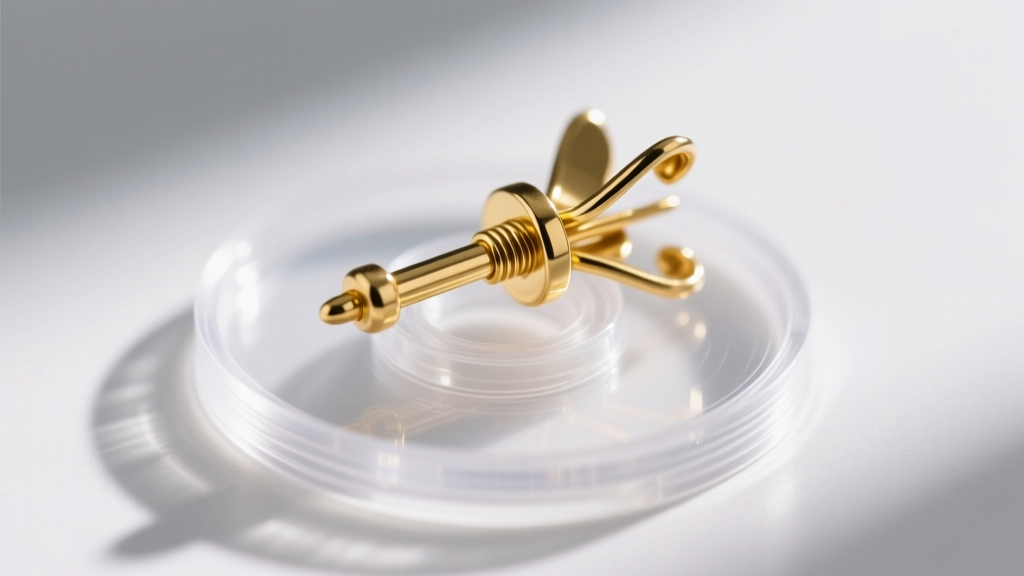
There are few things more frustrating in jewelry maintenance than unboxing a new pair of studs or trying to clean an old pair, only to find the backing completely seized. If you are wondering how to take the plastic off earring backs without permanently bending the metal post or damaging the gemstone, you are dealing with a common mechanical and chemical failure. Whether you are trying to remove the ultra-tight factory shipping discs meant for display, or a wearable silicone friction clutch that has fused to the post due to body oils and cosmetics, brute force is the enemy.
As a jewelry technical specialist, I see countless 20-gauge and 18-gauge posts ruined by lateral torque applied during removal. This deep dive covers the exact material science behind why these plastics jam, the precise thermal and solvent techniques required to release them, and the metallurgical limits of your earring posts.
The Anatomy of Stuck Plastic Earring Backs
Before applying any removal technique, you must identify which type of plastic you are dealing with. The jewelry industry primarily uses two distinct plastic components on earring posts, and they require entirely different removal strategies.
1. The Factory Shipping Disc
These are the flat, rigid polyurethane (PU) or hard acrylic circles pushed flush against the earring head or the back of a metal clutch. They are not meant to be worn. Their purpose is to prevent the earring from slipping out of the display card during manufacturing and shipping. Because they are machine-pressed onto the post, they often sit at an awkward angle, biting into the metal groove and creating immense static friction.
2. The Wearable Friction Clutch
These are the soft silicone, PVC, or rubberized 'butterfly' or 'bullet' backs meant for daily wear. Over time, these do not just get stuck; they chemically and biologically fuse to the metal post. Sebum, dead skin cells, keratin, and aerosolized cosmetic polymers (like hairspray) seep into the microscopic gap between the plastic and the metal post, curing into a cement-like resin.
Why Plastic Backs Fuse and Jam (The Science)
Understanding the failure mode is critical to learning how to take the plastic off earring backs safely. The primary culprit is creep deformation combined with biological resinification.
- Creep Deformation: Silicone and PVC are viscoelastic. When subjected to constant pressure (like being pushed tightly onto a 0.81mm 20-gauge post), the plastic slowly deforms and molds perfectly into the microscopic scratches and grooves of the metal. This creates a vacuum seal.
- Biological Resinification: Human sebum is rich in squalene and wax esters. When trapped in the airtight seal between the plastic clutch and the post, it oxidizes and hardens. Add everyday cosmetics, and you create a literal adhesive.
- Thermal Expansion Mismatch: Metals and plastics expand and contract at different rates. If your earrings are stored in a cold environment, the metal post contracts slightly more than the plastic, effectively locking the two together.
Step-by-Step: How to Take the Plastic Off Earring Backs
Never use pliers or brute lateral force. A standard 20-gauge (0.81mm) gold or silver post has a very low yield strength and will bend permanently if subjected to off-axis pulling. Follow these specialized removal methods.
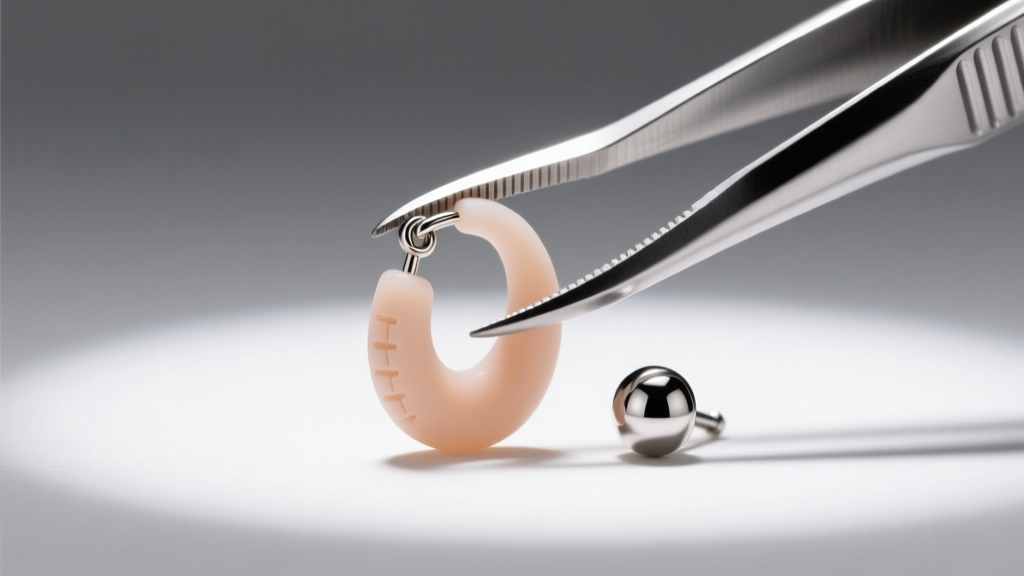
Method 1: The Thermal Expansion Technique (For Factory Discs)
Heat is the most effective way to break the vacuum seal of a hard plastic shipping disc without using chemical solvents.
- Prepare a Thermal Bath: Heat distilled water to exactly 140°F (60°C). Do not use boiling water.
- Submerge the Post: Hold the earring by the gemstone or head, submerging only the post and the stuck plastic disc into the hot water for 60 to 90 seconds. This temperature is sufficient to soften polyurethane and break the vacuum seal without damaging most gemstones.
- The Twist-Pull: Remove the earring. Using a textured rubber grip pad (like a silicone jar opener), grip the plastic disc. Apply gentle, continuous rotational force (twisting) while pulling strictly parallel to the post axis. The twisting breaks the static friction, while the parallel pull prevents bending.
Critical Gemstone Warning: Never use thermal shock techniques on organic gems (pearls, coral, amber) or heavily included stones like emeralds, opals, and tanzanite. Rapid temperature changes can cause internal fracturing. For these stones, rely on Method 2. For more on gemstone thermal limits, consult the Gemological Institute of America (GIA).
Method 2: Solvent Degradation (For Gunked-Up Clutches)
If a wearable silicone or PVC back is cemented to the post by years of sebum and hairspray, heat will not dissolve the biological resin. You need a targeted solvent.
- Isopropyl Alcohol Soak: Submerge the stuck back in a small glass beaker filled with 91% or 99% isopropyl alcohol (IPA) for 15 minutes. IPA is highly effective at breaking down squalene and cosmetic waxes, and it is completely safe for solid gold, platinum, and titanium.
- Ultrasonic Agitation: If the IPA soak does not loosen the clutch, place the beaker into an ultrasonic jewelry cleaner set to 40kHz for 3 minutes. The cavitation bubbles will penetrate the microscopic gap between the plastic and the metal, physically blasting the hardened sebum away.
- Removal: Grip the clutch with your fingers and pull straight back. If it resists, use smooth-jawed nylon jewelry pliers to grip the plastic, ensuring you pull perfectly straight.
Tool Matrix: What Works on Which Metal and Plastic
Using the wrong solvent or tool can destroy your jewelry. Refer to this compatibility matrix before attempting removal.
| Removal Agent | Safe for Metals | Safe for Gemstones | Effect on Plastic |
|---|---|---|---|
| 140°F Hot Water | All Metals | Diamond, Sapphire, Ruby (Avoid Opal/Pearl) | Softens PU, breaks vacuum seal |
| 91% Isopropyl Alcohol | Gold, Platinum, Titanium, Steel | Most hard stones (Avoid Pearls/Emeralds) | Dissolves sebum, dries out silicone |
| Acetone | Gold, Platinum, Steel (Avoid Silver) | Diamond, Sapphire ONLY | Melts PVC and hard acrylics |
| Ultrasonic (40kHz) | All solid metals | Avoid fractured/included stones | Dislodges debris via cavitation |
Preventing Post Damage and Bending
The most common mistake people make when trying to figure out how to take the plastic off earring backs is applying lateral torque. When you pinch a plastic back with standard metal tweezers or pliers, the tool inevitably slips, pushing the plastic sideways.
A standard 20-gauge post (0.81mm) made of 14k gold or sterling silver will bend under as little as 1.5 pounds of lateral pressure. To prevent this, always use nylon-jawed pliers or a textured silicone grip pad. These materials increase the coefficient of friction against the plastic, allowing you to pull straight back along the Y-axis of the post without the tool slipping and bending the metal.
Upgrading: When to Ditch Plastic Entirely
While learning how to take the plastic off earring backs is a necessary maintenance skill, the ultimate solution is to eliminate plastic friction backs from your jewelry box entirely. Plastic is porous, harbors bacteria, and degrades under UV light and exposure to human oils.
For high-end or daily-wear studs, the industry standard has shifted toward internally threaded or threadless flat-back labrets. According to the Association of Professional Piercers (APP), jewelry should ideally be crafted from ASTM F136 implant-grade titanium. Threadless titanium backs use a precision-tension pin mechanism that locks into the hollow post, providing a secure hold that will never melt, fuse, or harbor biological resins, entirely eliminating the need to pry off stuck plastic components.
By upgrading to mechanical metal lock-backs or threadless tension systems, you ensure your jewelry remains hygienic, secure, and entirely free of the plastic fusing issues that plague traditional friction clutches.


