Removing Flat Back Earrings: DIY vs Professional Cost & Value Guide
Discover the true cost of removing flat back earrings. Compare DIY methods, professional piercer fees, and the long-term value of implant-grade titanium.

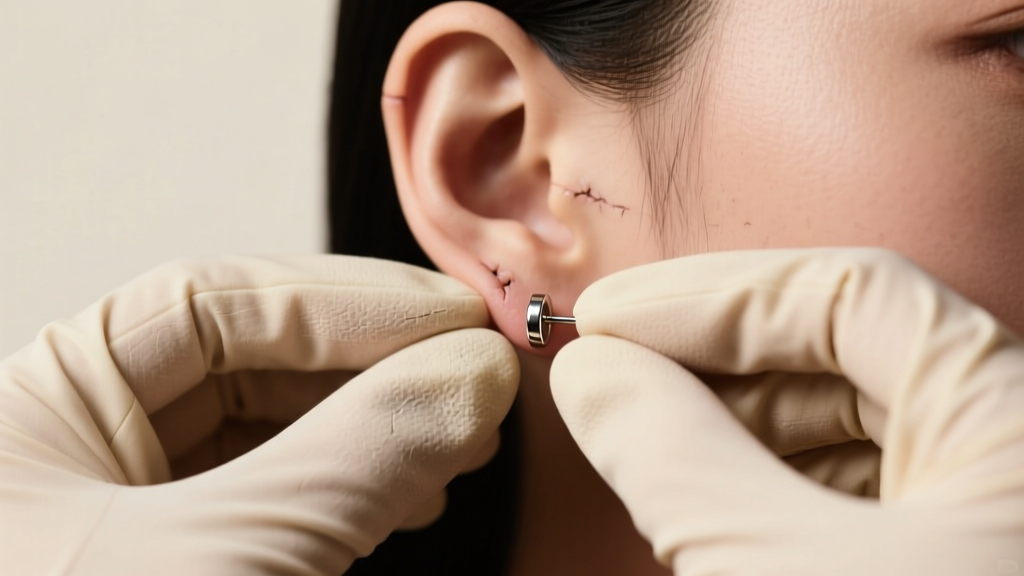
There is a specific, sinking panic that sets in when you realize your flat back earring is not going to budge. Whether it is a labret stud in your earlobe, a helix piece, or a conch piercing, a stuck flat back can quickly escalate from a minor annoyance to a painful, expensive problem. As of 2026, the jewelry market is saturated with ultra-cheap, externally threaded options from fast-fashion marketplaces, leading to a massive spike in trapped jewelry incidents.
From a budget and value assessment perspective, the conversation around removing flat back earrings is rarely just about the physical act of taking them out. It is about calculating the hidden costs of cheap manufacturing, the price of professional extraction, and the long-term return on investment (ROI) of high-quality body jewelry. This guide breaks down the true economics of stuck earrings, offering actionable frameworks for safe removal and smarter future purchasing.
The Hidden Costs of Cheap Flat Back Earrings
When assessing the value of body jewelry, the initial price tag is only a fraction of the total cost of ownership. A $6 flat back earring from an unverified online marketplace seems like a steal until you factor in the failure modes inherent to cheap manufacturing.
Material Grades and Swelling Traps
Low-cost earrings often use 316L surgical steel or, worse, "titanium-coated" brass. According to the Association of Professional Piercers (APP), only ASTM F-136 implant-grade titanium is recommended for long-term wear. Cheap alloys contain nickel and other impurities that trigger contact dermatitis. This localized allergic reaction causes the ear tissue to swell, effectively swallowing the flat disc of the earring and making DIY removal nearly impossible.
The Cross-Threading Nightmare
Cheap earrings frequently feature external threading (where the screw is on the post itself) or poorly machined internal threading. External threads act like tiny cheese graters on your piercing channel, accumulating dead skin cells and lymph fluid. Over time, this biological debris cements the threads in place. When you try to force it, the soft metal strips, leaving you with a fused piece of jewelry that must be surgically snipped by a professional.
Step-by-Step: Removing Flat Back Earrings Safely at Home
Before you rush to a piercer and incur a removal fee, it is worth attempting safe, low-cost DIY extraction methods. The goal here is to maximize grip while minimizing tissue trauma.
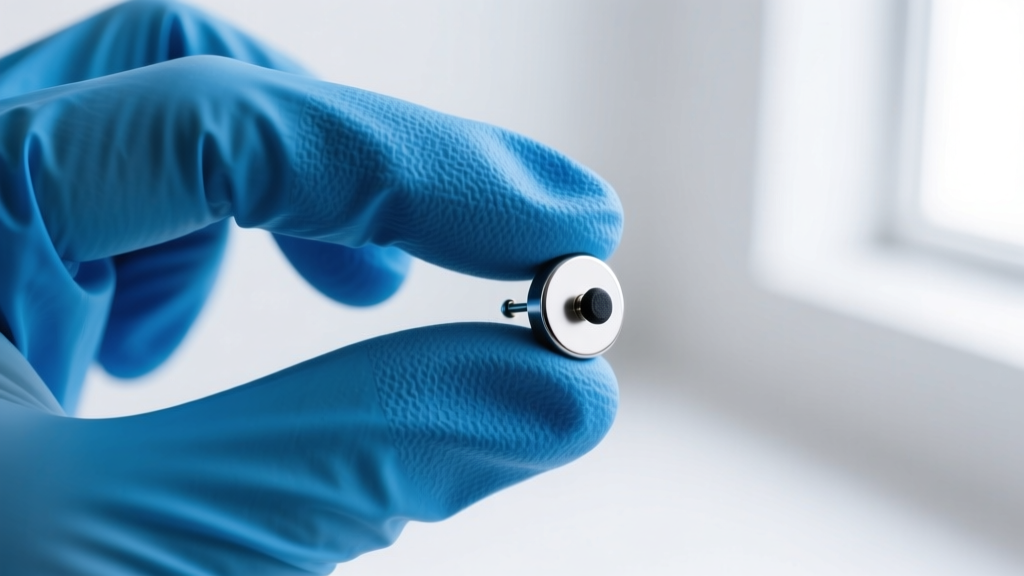
The Nitrile Glove and Rubber Grip Method
The most common reason people fail to remove flat backs is a lack of friction. Skin-on-metal slips, especially if you have applied oils or lotions.
- Step 1: Wash your hands thoroughly and put on a pair of textured nitrile gloves (Cost: ~$8 for a box of 100). Nitrile provides immense friction against smooth metal.
- Step 2: Place a small piece of a rubber jar opener or a thick rubber band over the flat back disc.
- Step 3: With your non-dominant hand, firmly pinch the front gemstone or bead through a clean tissue to prevent it from spinning.
- Step 4: Using your gloved, rubber-gripped dominant hand, turn the flat back disc counter-clockwise (lefty-loosey). Apply steady, even pressure. Do not jerk or pull.
The Warm Compress Technique
If the jewelry is stuck due to minor swelling or dried lymph, apply a sterile, warm saline compress for 5 to 10 minutes. The heat increases local blood flow, reduces fluid retention, and softens any biological debris trapped in the threading. This costs pennies but drastically improves your chances of a successful, pain-free removal.
Cost Breakdown: DIY Removal vs. Professional Piercer Fees
When DIY fails, you must weigh the cost of professional help against the risk of tissue damage. Below is a 2026 value assessment of the most common removal scenarios.
| Removal Scenario | Estimated Direct Cost | Hidden Costs & Risks | Value Verdict |
|---|---|---|---|
| High-Quality Threadless (DIY) | $0 | None, if done correctly. | Excellent ROI |
| Stuck Cheap Stud (Piercer Cut) | $15 - $35 | Loss of the jewelry ($5-$20); potential minor scarring. | Poor |
| Embedded Jewelry (Medical Clinic) | $150 - $500+ | Time, antibiotics, high risk of permanent scarring and infection. | Terrible |
| Investing in Hemostats (Tool) | $12 - $18 | One-time cost; requires training to avoid crushing the jewelry. | Good for enthusiasts |
Expert Insight: Never use standard needle-nose pliers from a hardware store to remove a stuck earring. The serrated teeth will crush the metal post, permanently fusing the threading and turning a $20 piercer extraction into a much more traumatic procedure. If you must use tools, invest in padded, straight-jaw hemostats designed specifically for body jewelry.
Threadless vs. Internally Threaded: Which Offers Better Long-Term Value?
If you are tired of the anxiety and potential costs associated with removing flat back earrings, the solution lies in upgrading your jewelry mechanics. The two premium standards are internally threaded and threadless (push-pin) designs.
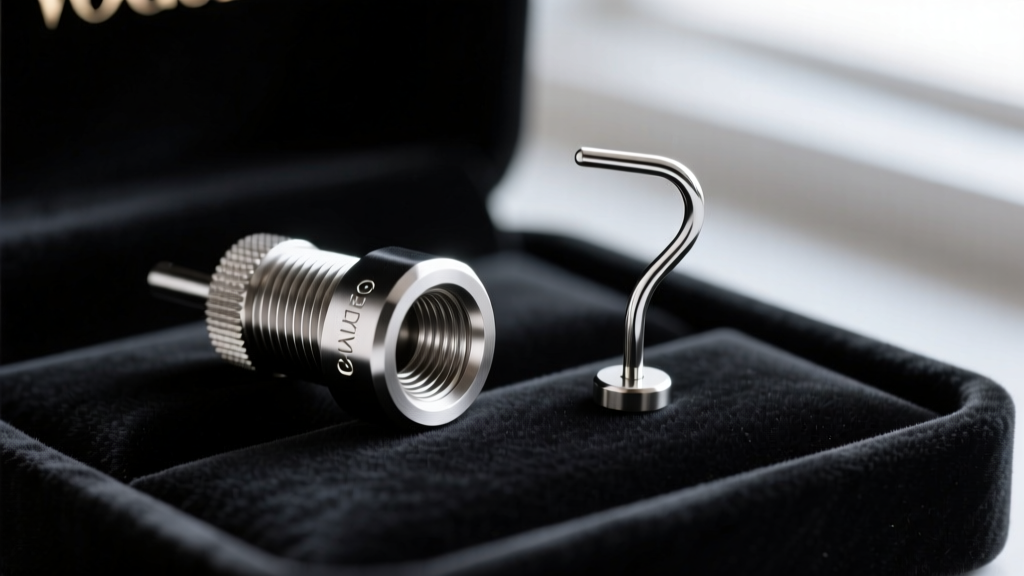
Internally Threaded Titanium
In internally threaded jewelry, the screw is on the gemstone end, and the post is smooth. This means the post glides through your piercing without causing micro-tears. While high-quality internal threading (from brands like Anatometal or Industrial Strength) rarely gets stuck, it can still cross-thread if forced at an angle, or seize up if worn in high-sweat environments for years without cleaning. Expect to pay $25 to $45 for a basic setup.
Threadless (Push-Pin) Jewelry
Threadless jewelry, popularized by brands like BVLA, relies on tension rather than screws. The pin on the decorative end is slightly bent before being pushed into the hollow post. The Value Proposition: Threadless jewelry is virtually immune to the "stuck" problem. To remove it, you simply grip the gemstone and the flat back, and pull them apart with a firm, snapping motion. There are no threads to strip, no debris to trap, and no swelling that can lock the mechanism. Furthermore, you only need to buy the titanium post once ($12-$18) and can swap out dozens of decorative tops ($30-$150+) over the years, offering immense long-term wardrobe value.
When to Pay a Professional: Red Flags and Swelling Management
While assessing your budget for jewelry maintenance, you must recognize when a DIY approach crosses the line into medical danger. Do not attempt to force a flat back earring out if you experience any of the following:
- Tissue Embedment: If the flat disc has completely disappeared into the skin of your earlobe or cartilage, the tissue has grown over the metal. A professional piercer must use a taper to push the jewelry out, or a doctor must make a minor incision.
- Hypergranulation: If you see red, fleshy, weeping bumps around the exit hole, the jewelry is likely too short for your current swelling level. Forcing it will cause severe bleeding.
- Signs of Infection: According to the Mayo Clinic, spreading redness, heat, and foul-smelling discharge require medical intervention, not just a jewelry swap.
In these scenarios, the $20 to $30 fee a reputable, APP-certified piercer charges to safely extract the jewelry and insert a longer, sterile titanium post is the best money you will ever spend. It preserves your piercing channel and prevents costly emergency room visits.
The True ROI of Implant-Grade Titanium
Ultimately, the most cost-effective strategy for managing flat back earrings is prevention. Spending $40 on a single, ASTM F-136 implant-grade titanium threadless setup eliminates the risk of allergic swelling, thread stripping, and professional extraction fees. When you view body jewelry not as a disposable accessory, but as a long-term wearable asset, the math becomes clear: investing in premium mechanics and biocompatible metals is the only way to guarantee that removing your flat back earrings remains a simple, painless, and entirely free process.


