Cat With Pearl Earring Repair: Troubleshooting & Care Guide
Learn how to troubleshoot, repair, and maintain your cat with pearl earring jewelry. Expert fixes for lost pearls, drooping, and enamel chips.

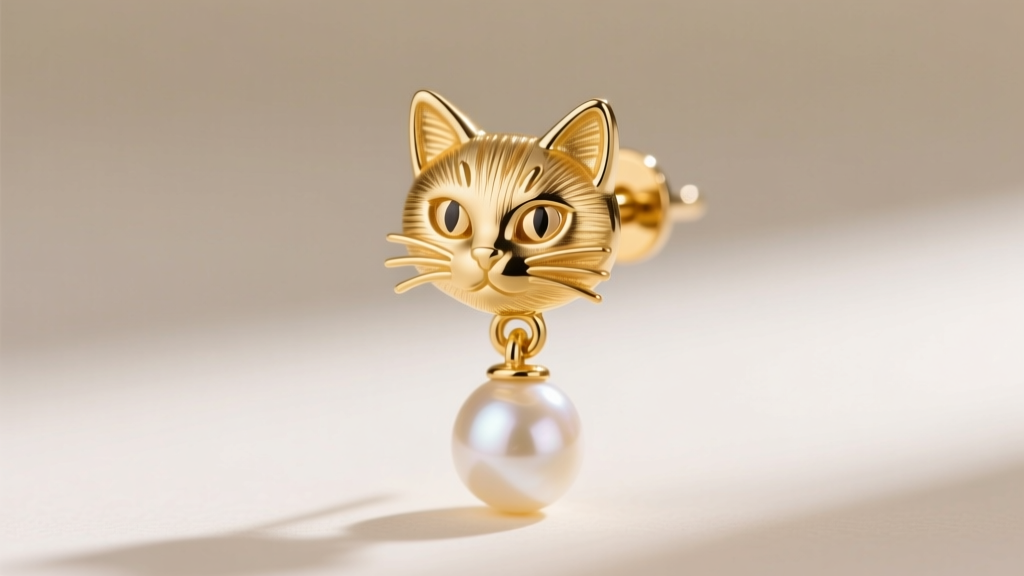
The Anatomy of the Cat With Pearl Earring Design
The whimsical "cat with pearl earring" motif—typically featuring a feline face or silhouette stud that appears to be wearing or clutching a pearl drop—has become a beloved staple in artisan and novelty jewelry. However, the intricate design often introduces structural vulnerabilities. Unlike simple stud earrings, these pieces combine multiple materials (enamel, base metals, and organic gems) and rely on delicate jump rings or adhesive cup settings.
Most mass-market novelty earrings are cast in zinc alloy or brass with a thin gold or rhodium plating, featuring 22-gauge (0.64mm) or 20-gauge (0.81mm) posts. The pearl, usually a 6mm to 8mm freshwater or Akoya pearl, is either glued into a shallow cup setting or suspended via a micro-wire loop. Understanding these construction methods is the first step in troubleshooting the inevitable wear and tear these pieces experience.
Top 3 Structural Failures (And How to Fix Them)
1. The Pearl Detachment (Adhesive Failure)
The most common issue with any cat with pearl earring design is the pearl popping out of its setting. Manufacturers frequently use cheap cyanoacrylate (super glue) for assembly. Over time, exposure to skin oils, lotions, and humidity causes this adhesive to crystallize and fail.
The Fix: Do not simply apply more super glue. Cyanoacrylate releases fumes as it cures that can cause "frosting" (a permanent white haze) on the pearl's delicate nacre. Instead, carefully remove the old glue from the metal cup using a wooden toothpick—never a metal needle, which will scratch the cup. Clean the bottom of the pearl with a damp cloth (avoid acetone, which can strip the pearl's natural luster). Re-set the pearl using a jewelry-specific two-part epoxy or a flexible adhesive like G-S Hypo Cement, which allows for slight movement and shock absorption without damaging the organic gemstone.
2. Top-Heavy Droop (Lobe Sagging)
A standard 7mm round freshwater pearl weighs approximately 0.6 grams. When combined with a detailed metal cat motif, the total weight can exceed 1.5 grams. If the earring post is a thin 22-gauge wire, the center of gravity pulls the earring downward, causing the cat face to point at the floor rather than sitting flush against the lobe.
The Fix: Ditch the standard metal "butterfly" friction backs. They do not provide enough surface area to support the weight. Upgrade to jumbo silicone friction backs (often 10mm to 12mm in diameter). The wide silicone disc distributes the weight across a larger area of the earlobe, providing the counter-tension needed to keep the cat motif upright. For severe drooping, consider taking the earrings to a bench jeweler to have the posts removed and replaced with a hinged leverback or French wire, which naturally accommodates heavier drops.
3. Enamel Chipping on the Feline Motif
Many feline designs utilize cold enamel or epoxy resin to create the cat's eyes or fur details. Because these earrings are often taken on and off by pinching the detailed face, the enamel can easily chip or crack against the wearer's fingernails.
The Fix: Minor chips can be stabilized with a micro-layer of clear, UV-cured nail gel or jewelry-grade clear resin. Apply it with a fine-tipped needle tool and cure it under a UV lamp. To prevent future chipping, always handle the earring by the metal post or the jump ring, never by the enameled face.
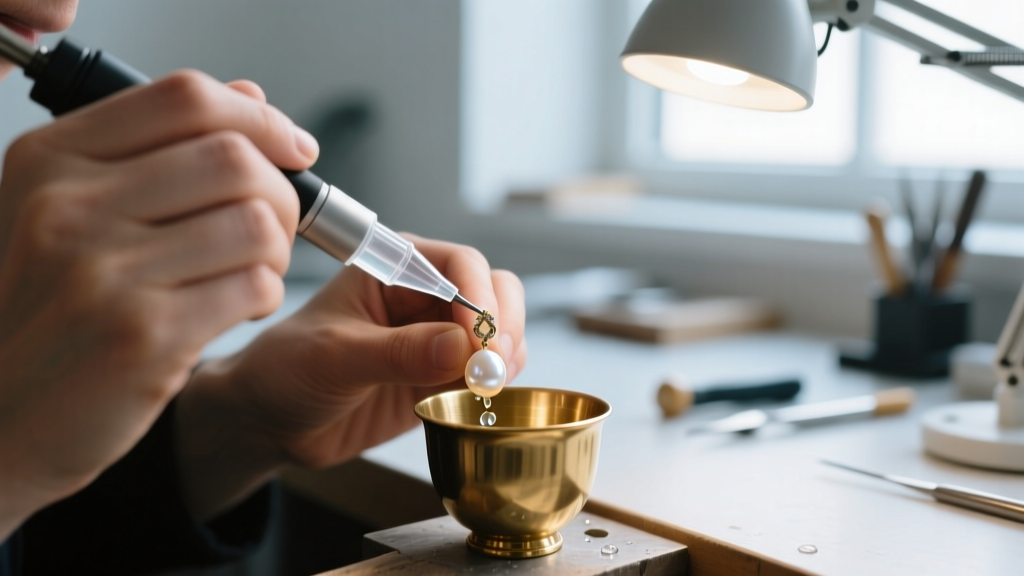
Adhesive Comparison Chart for Pearl Re-Setting
Choosing the correct adhesive is critical. Organic gems like pearls are porous and sensitive to harsh chemicals. Below is a breakdown of common jewelry adhesives and their suitability for pearl repair.
| Adhesive Type | Cure Time | Pros | Cons | Verdict for Pearls |
|---|---|---|---|---|
| Cyanoacrylate (Super Glue) | 10-30 Seconds | Fast, strong initial bond | Brittle, causes frosting, degrades with moisture | Avoid. High risk of nacre damage. |
| G-S Hypo Cement | 10-15 Minutes | Flexible, precise needle applicator, safe for porous gems | Lower sheer strength than epoxy | Excellent. Best for shallow cup settings. |
| Two-Part Epoxy (e.g., Devcon 5-Min) | 5-10 Minutes | Extremely strong, gap-filling, waterproof | Mixing required, can yellow over years | Good. Best for heavy pearls or deep settings. |
| UV Resin | 1-2 Minutes (under UV) | Crystal clear, no mixing | Requires UV light penetration, poor adhesion to some metals | Fair. Better for surface sealing than structural bonding. |
Upgrading the Hardware: From Friction Backs to Leverbacks
If your cat with pearl earring features a delicate wire-wrapped connection between the stud and the drop, the wire can easily snag on hair or sweaters, bending the jump ring and weakening the metal. Repeated bending leads to metal fatigue and eventual snapping.
A professional bench jeweler can perform a leverback conversion (typically costing between $60 and $90 per pair). This involves laser-welding the feline stud to a hinged leverback wire. Laser welding is essential here; traditional torch soldering will melt the low-temperature alloys often used in novelty castings and will instantly incinerate the pearl. A leverback not only secures the earring but also allows the pearl drop to swing freely, reducing stress on the connection point.
Long-Term Maintenance & Cleaning Protocols
Proper maintenance extends the life of mixed-material jewelry. According to the Gemological Institute of America (GIA), pearls require specific care to maintain their orient and luster, especially when mounted in complex settings.
- Never use Ultrasonic Cleaners: The high-frequency vibrations will shatter the adhesive bond and can literally shake the nacre layers off a thin-skinned freshwater pearl.
- Avoid Steam Cleaning: Heat and moisture will cause the pearl to expand slightly, cracking the adhesive seal.
- The "Last On, First Off" Rule: Always put your earrings on after applying hairspray, perfume, and makeup. The alcohol and chemicals in cosmetics will degrade both the metal plating on the cat motif and the pearl's surface.
- Gentle Wiping: After wearing, wipe the pearl with a soft, damp microfiber cloth to remove acidic skin oils. Use a dry, soft-bristled makeup brush to gently dust the crevices of the cat's enamel details.
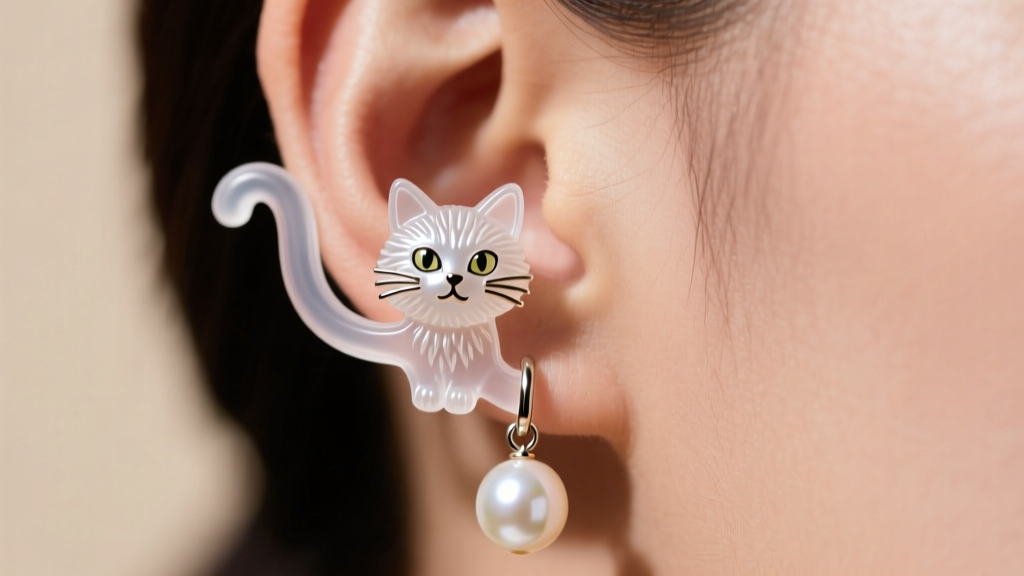
When to See a Professional Bench Jeweler
While adhesive repairs and hardware swaps can be done at home, certain failure modes require professional intervention. If the actual post of the earring has sheared off at the base of the cat's head, do not attempt to glue it back on. Glue cannot withstand the sheer force of an earring post. A jeweler must use a laser welder to reattach the post or drill out the base and insert a new friction-fit post. Additionally, if the pearl's drill hole has become stripped or enlarged, a jeweler can insert a tiny wooden or metal "peg" into the pearl and the setting to create a mechanical lock, ensuring your favorite feline jewelry stays intact for years to come.
Expert Tip: When shopping for a replacement or a new cat with pearl earring design, look for pieces that specify "pegged settings" rather than "cup settings." A pegged setting involves drilling a small hole into the pearl and mounting it on a metal pin, providing a mechanical bond that is infinitely stronger than glue alone.


