How to Clean and Adjust Antique Clip On Earrings Safely
Learn how to safely clean, adjust, and comfortably wear antique clip on earrings with our expert step-by-step restoration and tension guide.

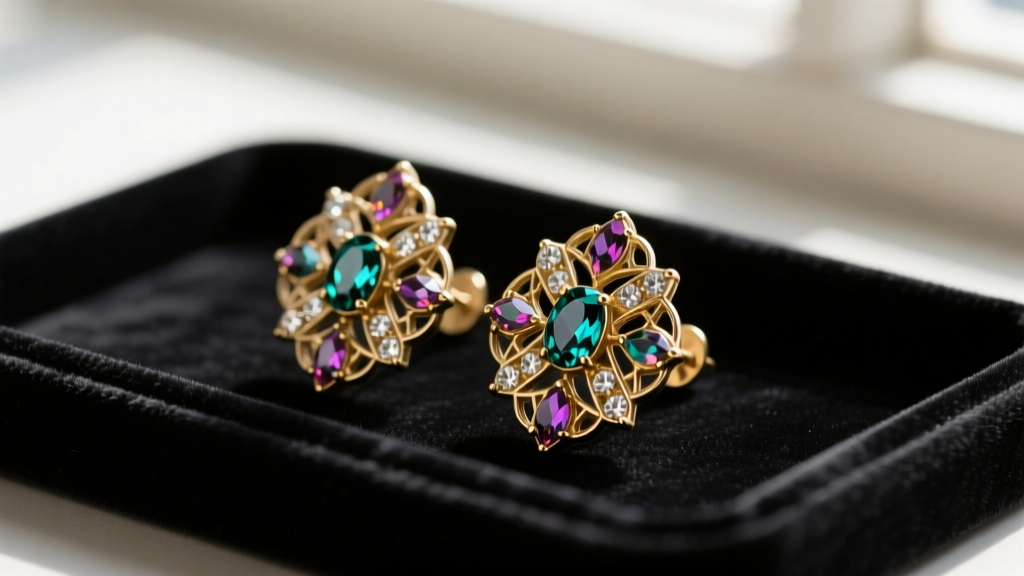
As the non-pierced ear trend continues to dominate high-fashion runways and everyday styling in 2026, collectors and vintage enthusiasts are increasingly turning to non-pierced historical jewelry. However, acquiring antique clip on earrings often means inheriting a host of mechanical and cosmetic issues. From stiff, earlobe-pinching springs to tarnished brass and fragile foil-backed rhinestones, these vintage treasures require specialized care. Unlike modern cast jewelry, pieces from the 1920s through the 1950s were frequently constructed from pot metal, plated brass, and delicate glass stones that can be easily destroyed by standard ultrasonic cleaners or aggressive polishing.
This comprehensive, step-by-step guide will teach you how to assess, clean, adjust, and comfortably wear antique non-pierced earrings without compromising their historical integrity or structural soundness.
Assessing the Condition and Mechanism Type
Before applying any cleaning solution or bending any metal, you must identify the era and mechanism of your earrings. The tension and metal composition vary wildly depending on the decade of manufacture. Bending a 1930s pot-metal hinge cold will almost certainly result in a catastrophic snap, whereas a 1950s steel spring can withstand careful manipulation.
Common Vintage Non-Pierced Mechanisms
| Mechanism Type | Primary Era | Material & Tension Notes |
|---|---|---|
| Screw-Back | 1890s – 1920s | Often silver or gold-filled. Tension is adjustable via the screw pad. Do not bend the post. |
| Spring Clip | 1930s – 1940s | Frequently pot metal (zamak) or brass. Highly brittle. Prone to snapping if bent cold. |
| Paddle / Comfort-Fit | 1940s – 1950s | Wider base distributes weight. Usually steel or plated brass. Safer to adjust with pliers. |
Use a 10x jeweler's loupe to inspect the hinge pin. If you see green verdigris (copper corrosion) or white powdery oxidation (zinc pest), the metal is actively degrading and requires stabilization before any mechanical adjustment.
Step-by-Step Cleaning Guide for Antique Metals
The most critical rule when cleaning antique clip on earrings is to protect the stones. Many Art Deco and Retro-era rhinestones are "foil-backed," meaning a delicate silver or gold foil is glued behind the glass to create sparkle. Submerging these in water or using commercial jewelry dips will cause the foil to peel or turn black, permanently ruining the stone.
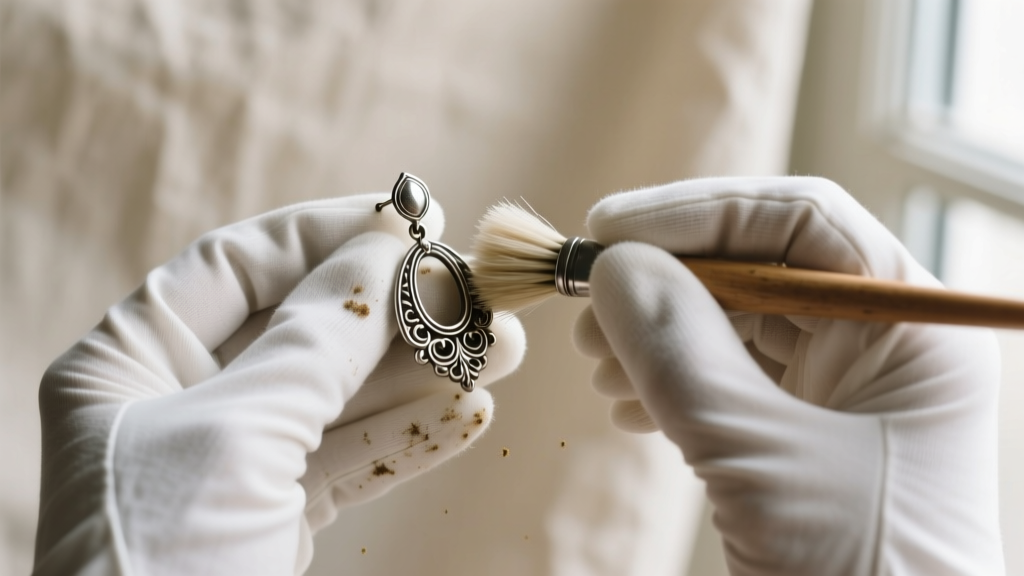
Required Tools
- Distilled water (never tap water, which contains chlorine and minerals)
- Mild, phosphate-free dish soap
- Soft-bristle baby toothbrush
- Cotton swabs and microfiber cloths
- Nitrile gloves (to prevent skin oils from transferring to bare metal)
The Safe Cleaning Process
- Dry Dusting: Use a clean, dry microfiber cloth or a soft makeup brush to remove loose dust and skin cells from the filigree and stone settings.
- Spot Testing: Dampen a cotton swab with distilled water and gently touch an inconspicuous area of the metal. If the plating flakes or the color lifts, stop immediately; the piece requires professional re-plating.
- Targeted Scrubbing: Mix a single drop of mild dish soap into a shot glass of distilled water. Dip the baby toothbrush in, shake off excess moisture, and gently agitate the metalwork. Avoid brushing directly over the edges of rhinestones.
- Controlled Rinsing: Do not submerge. Use a barely damp cotton swab to wipe away soap residue from the metal crevices.
- Thorough Drying: Pat dry with a microfiber cloth, then use a hairdryer on the "cool" setting to blow moisture out of the hinge mechanisms. Trapped moisture in a hinge will cause rust and freeze the clip.
For heavy tarnish on solid silver or gold-filled screw-backs, use a chemically treated silver polishing cloth. According to the Gemological Institute of America (GIA), abrasive pastes and liquid dips should be avoided on porous gems like turquoise or lapis lazuli, which are common in mid-century vintage pieces.
How to Adjust the Tension Without Breaking the Hinge
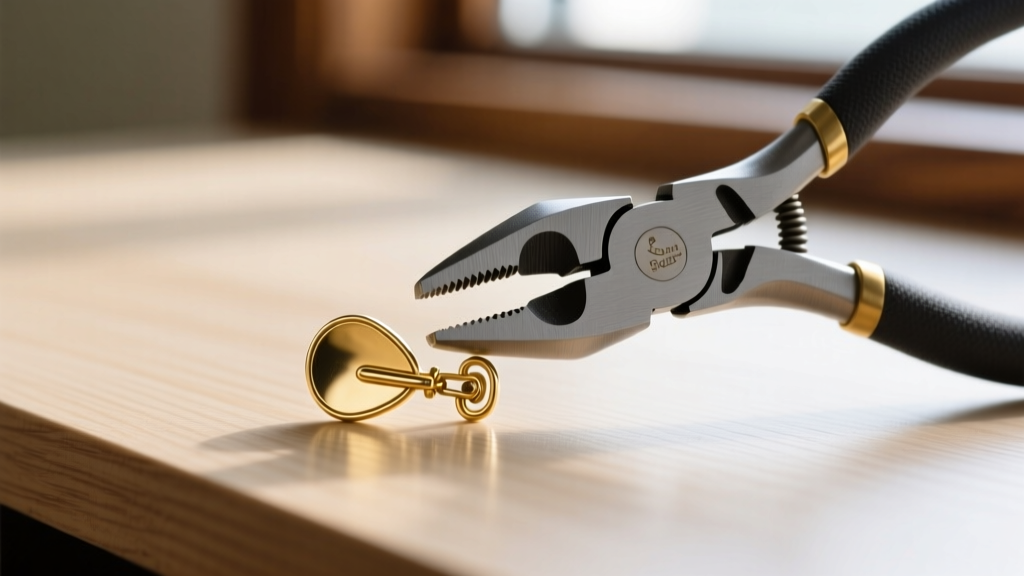
Stiff clips that cause earlobe pain are the primary reason vintage non-pierced earrings are relegated to jewelry boxes. Adjusting the tension requires an understanding of metallurgy and leverage. Never use standard steel hardware pliers, as the teeth will gouge the soft brass or gold plating.
The 1-Millimeter Adjustment Rule
Invest in a pair of nylon-jaw pliers or wrap the tips of your flat-nose pliers in heat-shrink tubing. This provides grip without marring the antique finish.
- Identify the Stress Point: Open the clip fully. The bend should occur at the base of the wire arm or the top curve of the paddle, never at the hinge pin itself. Bending the hinge pin will warp the barrel and seize the mechanism.
- Apply Gentle Heat (For Pot Metal Only): If your 1930s earrings are made of brittle pot metal, apply warm air from a hairdryer for 15-20 seconds to make the metal slightly more pliable. Do not use a jeweler's torch, as the heat will melt the glue holding the rhinestones in place.
- Bend in Increments: Grip the base of the clip arm with your nylon-jaw pliers. Apply pressure to bend the arm outward by no more than 1 millimeter.
- Test the Tension: Clip the earring onto a piece of thick cardstock or the edge of a leather wallet. It should hold firmly without sliding, but the cardstock should not show deep creases. If it's still too tight, repeat the 1mm bend.
For screw-back earrings, do not bend the post. Instead, adjust the tension by tightening or loosening the small nut on the back of the ear pad, or replace the hardened rubber pad with a modern silicone replacement.
Upgrading Comfort: Pads, Cushions, and Modern Hacks
Even perfectly adjusted antique clip on earrings can cause fatigue due to their inherent weight—especially large Art Deco chandelier styles. The original ear pads were often made of celluloid or hard rubber, which degrade into a sticky, yellowed mess over decades.
Modern Comfort Solutions
- Silicone Clip-On Cushions: Available in various thicknesses (1mm to 3mm), these slip over the metal clip and provide a grippy, soft barrier that prevents slipping and distributes pressure across the earlobe.
- Moleskin Tape: A stylist's secret for heavy vintage pieces. Cut a small circle of pharmacy-grade moleskin and adhere it to the inside of the front face of the earring. This prevents the cold metal and sharp filigree from digging into the front of the earlobe.
- Earring Comfort Guards: For screw-backs, replace the original paddle with a modern, padded silicone screw-back disc. These are widely available online and feature a much larger surface area than 1920s originals.
When to Consult a Professional Jeweler
While basic cleaning and tension adjustments can be done at home, certain restoration tasks require a professional bench jeweler who specializes in antique costume and fine jewelry.
"Preserving the historical integrity of an antique piece means knowing when to stop DIY repairs. If a pot-metal hinge is cracked, or if a silver clip has suffered from metal fatigue and snapped, a professional can laser-weld the joint without applying the broad heat that would destroy surrounding enamel or glass stones." — Antique Jewelry University by Lang Antiques
Additionally, if your earrings feature missing pave rhinestones, a professional can source period-correct, foil-backed glass stones that match the refractive index and cut of the originals, ensuring your antique clip on earrings remain authentic and visually cohesive for decades to come.


