Restoring and Authenticating Vintage Jet Earrings: A Repair Guide
Learn how to clean, repair, and authenticate vintage jet earrings. Discover expert troubleshooting for cracks, dullness, and identifying real fossilized wood.

The Unique Vulnerabilities of Jet Jewelry
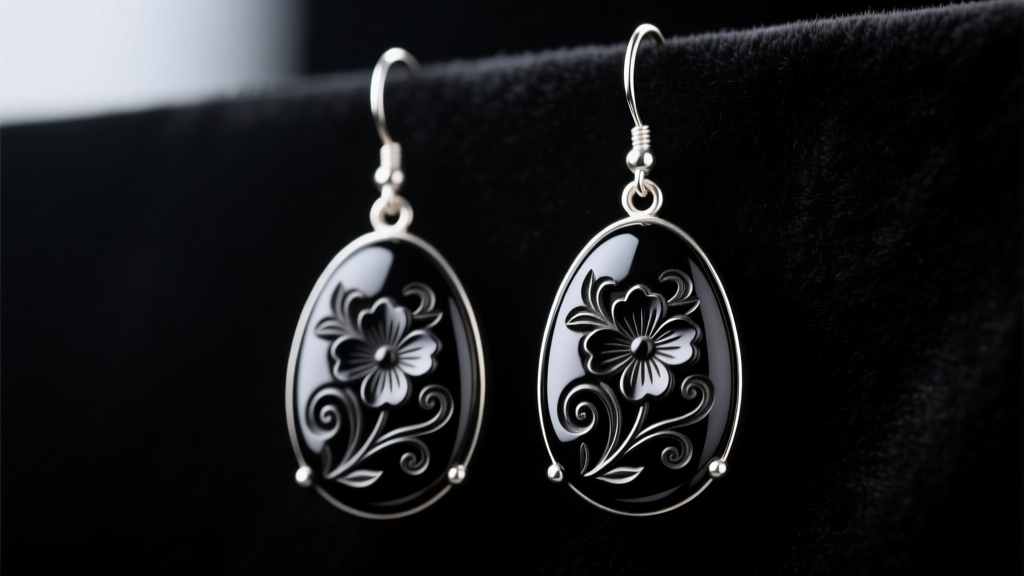
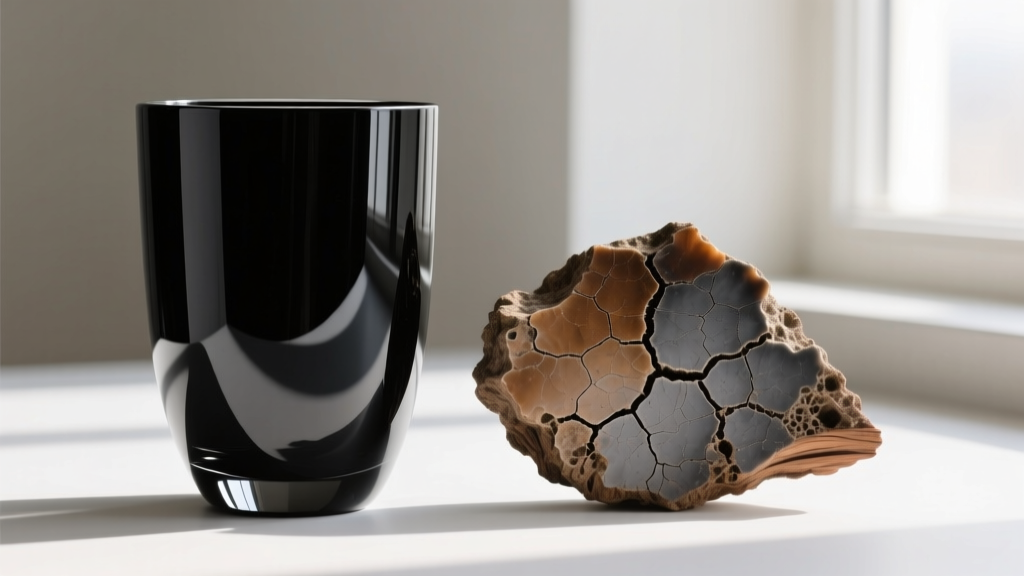
Genuine jet is not a stone, but a type of lignite—a fossilized wood derived from the ancient Araucaria tree. Prized during the Victorian era for mourning jewelry, Whitby jet possesses a rich, deep black hue that is unmatched by modern synthetics. However, its organic origins make it exceptionally vulnerable to environmental and physical stress. With a Mohs hardness rating of just 2.5 to 4.0, jet is highly susceptible to scratching, chipping, and structural failure.
For earring collectors and wearers, the most common issues involve the material drying out, leading to a chalky surface residue, or the snapping of metal posts from the brittle jet backing. Furthermore, the market is flooded with imitations like French jet (black glass), vulcanite, and onyx, making proper identification a critical first step before attempting any restoration. Understanding the material science of fossilized wood is essential for preserving these delicate artifacts.
How to Authenticate Real Jet vs. Imitations
Before applying any oils, waxes, or adhesives, you must confirm your earrings are genuine jet. Misidentifying the material can lead to catastrophic damage; for instance, treating vulcanite with mineral oil can cause it to degrade, while applying heat to Bakelite will release toxic formaldehyde gas.
According to the Antique Jewelry University, gemologists rely on a combination of visual, tactile, and destructive tests to separate genuine jet from its mimics. Below is a diagnostic framework for identifying your earrings:
| Material | Hardness (Mohs) | Streak Test (Unglazed Porcelain) | Thermal / Hot Needle Test | Specific Gravity |
|---|---|---|---|---|
| Genuine Jet | 2.5 - 4.0 | Light Brown | Smells like burning coal/wood | 1.30 - 1.40 |
| French Jet (Glass) | 5.5 - 6.0 | None / White | No smell, glass feels hot quickly | 2.40 - 2.80 |
| Vulcanite (Hard Rubber) | 2.0 - 3.0 | Brown | Smells like burning rubber | 1.10 - 1.20 |
| Onyx (Chalcedony) | 6.5 - 7.0 | White | No smell, remains cold to touch | 2.60 - 2.70 |
| Bakelite (Early Plastic) | 3.0 - 4.0 | None | Smells like formaldehyde/camphor | 1.25 - 1.35 |
Note: The hot needle test should only be performed in an inconspicuous area, such as the back of the earring post plate, as it will leave a permanent burn mark on organic materials.
Troubleshooting Common Jet Earring Damage
Once authenticity is confirmed, you can address the specific physical ailments that plague vintage jet earrings. Because jet is essentially fossilized wood, it reacts to moisture, skin acids, and modern jewelry cleaning methods in ways that differ vastly from crystalline gemstones.
Fixing Dullness and Chalking
Over time, jet loses its luster and develops a dull, chalky, or grayish film. This is caused by the leaching of natural moisture from the lignite structure, accelerated by exposure to skin oils, cosmetics, and low-humidity environments. Never use ultrasonic cleaners or commercial jewelry dips on jet; the high-frequency vibrations will exploit the wood's natural cleavage planes, causing it to shatter, while harsh chemicals will strip its surface.
The Restoration Protocol:
- Surface Cleaning: Gently wipe the earrings with a cotton swab barely dampened with distilled water to remove surface grime. Never submerge the jet.
- Rehydration: Apply a microscopic amount of pure, unfragranced mineral oil or jojoba oil using a soft microfiber cloth. Allow the oil to penetrate the micro-pores for 15 minutes.
- Buffing: Vigorously buff the surface with a clean Selvyt cloth or untreated chamois leather. This friction generates mild heat, sealing the oil into the lignite and restoring the deep, satiny black finish characteristic of fine Whitby jet.
Reattaching Snapped Earring Posts
The most frequent structural failure in jet earrings is the shearing of the metal post or clip-back from the jet body. This usually occurs due to the brittleness of the material combined with the leverage applied when putting the earrings on.
Crucial Adhesive Warning: Never use cyanoacrylate (Super Glue). Cyanoacrylate is highly volatile and will wick into the porous surface of the jet, leaving a permanent, cloudy white stain that cannot be removed without sanding away the carving. Furthermore, it creates a brittle bond that will fail under the shear stress of the earlobe.
The Conservator's Fix: Use a conservation-grade, two-part epoxy such as Hxtal NYL-1 or Paraloid B-72 dissolved in acetone. Hxtal NYL-1 is the gold standard in museum glass and organic artifact repair because it cures completely clear, does not yellow over time, and possesses a slight flexibility that accommodates the organic expansion and contraction of the jet. Score the metal base plate lightly with fine sandpaper, apply a pinpoint drop of epoxy to the metal (not the jet), and clamp gently using padded tweezers for 24 hours.
Proper Storage and Preventative Maintenance
The Victoria and Albert Museum emphasizes that environmental control is the cornerstone of preserving organic artifacts. Jet is highly sensitive to rapid fluctuations in relative humidity (RH), which can cause the material to warp or develop micro-fissures.
- Humidity Control: Store jet earrings in an environment with a stable RH of 45% to 55%. Use silica gel packets conditioned to 50% RH inside your jewelry box, ensuring the silica does not directly touch the jet.
- UV Protection: Prolonged exposure to direct sunlight or harsh UV display lights will bake the moisture out of the lignite, leading to irreversible crazing (a network of fine cracks). Always store jet in a dark, velvet-lined drawer.
- Isolation: Because jet is easily scratched by metals and other gemstones, store each pair of earrings in individual soft cotton pouches. Never toss them loosely into a jewelry tray alongside diamond or sapphire pieces.
When to Consult a Professional Conservator
While surface dullness and detached posts can be managed at home with the right materials, severe structural damage requires professional intervention. If your jet earrings exhibit deep fissures, missing carved segments, or active flaking, do not attempt to fill the gaps with standard jewelry epoxies or waxes.
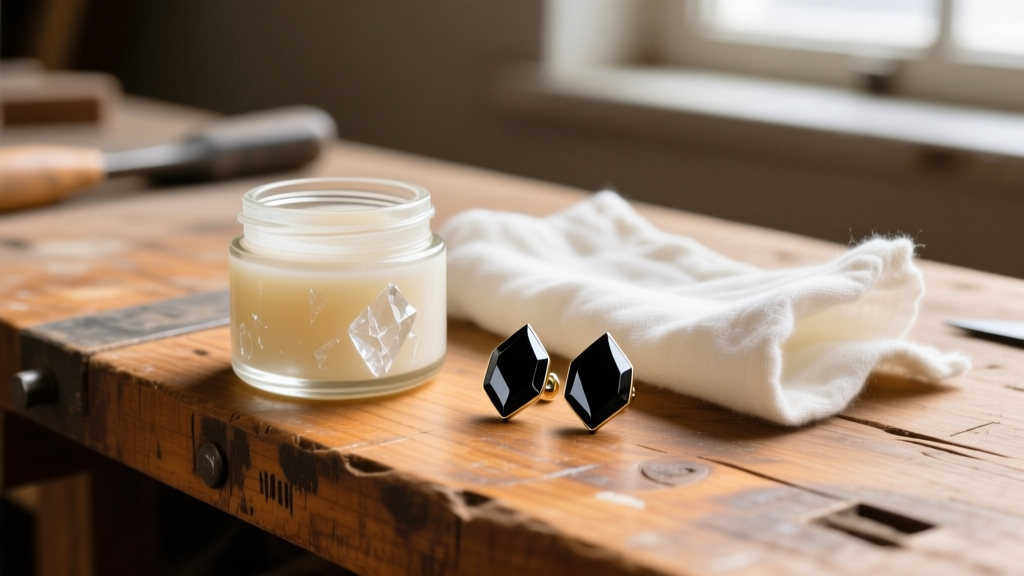
Professional conservators utilize specialized microcrystalline waxes (such as Renaissance Wax) mixed with inert pigments to fill losses without altering the chemical stability of the surrounding fossilized wood. They can also perform consolidation treatments using reversible acrylic resins that stabilize internal fractures without obscuring the intricate hand-carved floral or geometric motifs typical of the 19th-century Whitby jet trade. By respecting the organic nature of this remarkable material, you can ensure your vintage jet earrings remain structurally sound and visually striking for generations to come.


