How to Clean and Restore Vintage 90s Style Earrings
Learn expert cleaning and maintenance tips for 90s style earrings. Discover how to restore acrylic, brass, and clip-on hardware safely.

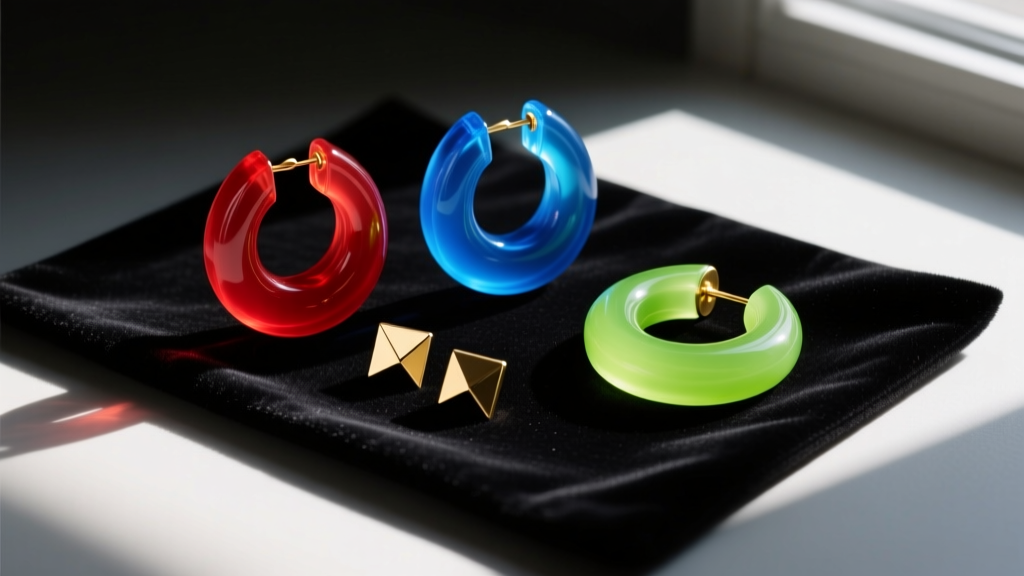
The Material Reality of 90s Style Earrings
The resurgence of Y2K and 1990s fashion has pushed authentic vintage jewelry into the spotlight. However, caring for genuine 90s style earrings requires a vastly different approach than maintaining modern, mass-produced counterparts. In the 1990s, costume jewelry was often manufactured with a focus on bold, temporary trends rather than generational longevity. Mall-brand accessories frequently featured ultra-thin gold electroplating (often less than 0.5 microns thick) over brass or zinc alloys, while statement pieces relied heavily on early-generation acrylics and resins that are highly susceptible to environmental degradation.
Whether you are rocking chunky translucent hoops, grunge-era dangles, or minimalist sterling silver tubes, understanding the exact metallurgical and chemical composition of your pieces is the first step in preservation. According to the Gemological Institute of America (GIA), using the wrong chemical solvent on vintage costume jewelry can permanently strip plating or cause irreversible clouding in synthetic stones and plastics. This guide provides a masterclass in cleaning, troubleshooting, and storing your 90s style earrings to ensure they survive well past 2026.
Step-by-Step Cleaning Protocols by Material
Acrylic and Lucite (The Chunky Statement Pieces)
Chunky, translucent acrylic earrings were a staple of 90s pop culture. Over time, these pieces accumulate skin oils, makeup, and environmental dust, leading to a cloudy appearance. The most critical rule for vintage acrylic is to never use alcohol, ammonia, or glass cleaners. These harsh solvents cause "crazing"—a network of microscopic cracks that permanently ruins the structural integrity and clarity of the plastic.
- The Wash: Mix a solution of lukewarm distilled water and a single drop of pH-neutral dish soap (like Dawn).
- The Technique: Dip a ultra-soft microfiber cloth into the solution, wring it out until barely damp, and gently wipe the acrylic. Use a soft-bristled baby toothbrush to clean the crevices around the metal posts or jump rings.
- The Polish: If the acrylic is already scratched or cloudy, apply a specialized plastic polish like Novus 2 Fine Scratch Remover. Buff in circular motions with a clean cotton pad until the high-gloss finish is restored.
Gold-Plated Brass and Base Metals (The Grunge Staples)
Many 90s style earrings feature a brass base with a thin gold wash. When this plating wears away, the underlying copper and zinc react with sweat and humidity to create verdigris—a toxic, fuzzy green crust (copper acetate) that can irritate the skin and stain clothing.
- Removing Verdigris: Create a paste using equal parts baking soda and fresh lemon juice. Apply it strictly to the affected areas using a wooden toothpick or a cotton swab. Let it sit for no more than three minutes, then gently brush away the corrosion with a dry, soft toothbrush.
- Preserving the Plating: Avoid commercial liquid jewelry dips (like Tarn-X). These contain thiourea, which will strip the remaining 0.5-micron gold layer instantly. Instead, use a dry, untreated jeweler's polishing cloth to gently buff the surface.
Sterling Silver (The Minimalist Hoops)
The mid-90s minimalist trend popularized thin, 2mm to 3mm sterling silver tubing hoops, usually crafted in 20-gauge or 22-gauge wire. Sterling silver (92.5% silver, 7.5% copper) tarnishes when exposed to sulfur compounds in the air.
"For sterling silver, mechanical polishing is always preferred over chemical dipping. Chemical dips remove tarnish but also strip the silver's natural patina and can leave a chalky white residue in intricate engravings." — Jewelers of America
Use a dedicated silver polishing cloth impregnated with micro-abrasives. For the interior of hollow tubing hoops, wrap a small piece of the cloth around a wooden toothpick to reach the oxidized areas inside the tube.
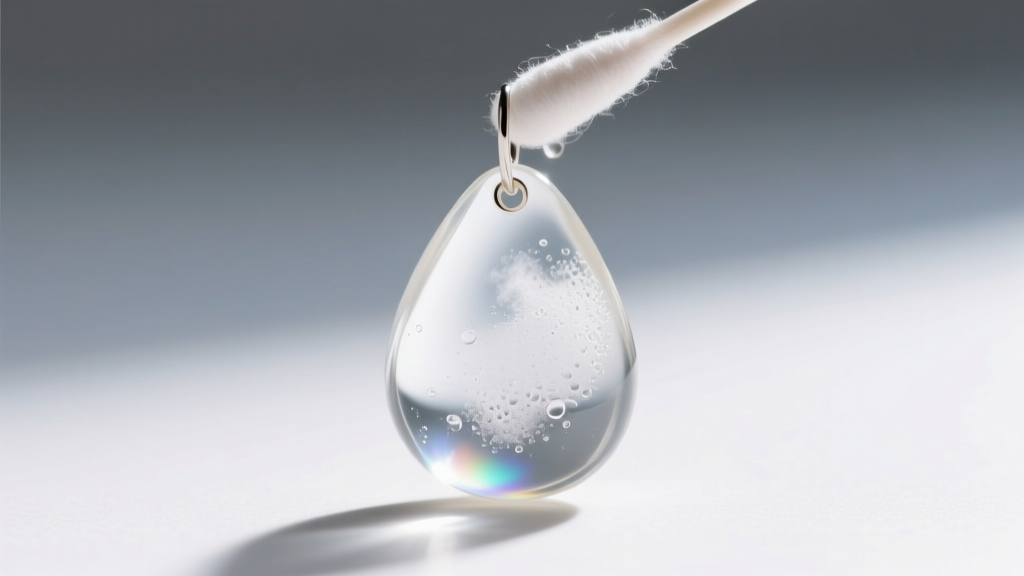
Troubleshooting Common 90s Earring Failures
Decades of wear introduce specific structural and aesthetic failures. Below is a diagnostic framework for rescuing damaged 90s style earrings.
| Problem | Root Cause | Expert Solution |
|---|---|---|
| Cloudy / Hazy Acrylic | Micro-scratches and solvent exposure | Polish with Novus 2; avoid all alcohol-based sanitizers. |
| Green Skin / Fuzzy Green Crust | Verdigris (copper oxidation) on brass base | Lemon/baking soda paste; seal with clear jewelry guard lacquer. |
| Yellowing Resin | Irreversible UV degradation of polymers | Cannot be chemically reversed. Embrace the patina or store in UV-blocking boxes. |
| Weak Clip-On Tension | Metal fatigue in the steel spring mechanism | Gently squeeze the hinge with nylon-jaw pliers to reset tension. |
| Loose Butterfly Backs | Widened metal loops on the friction post | Use flat-nose pliers to gently pinch the loops back toward the center wire. |
Hardware Maintenance: Clip-Ons, Butterflies, and Ear Cuffs
The 1990s saw a massive market for non-pierced jewelry. If you collect vintage clip-on 90s style earrings, you have likely encountered the dreaded "crumbling foam" syndrome. The original polyurethane foam comfort pads used in the 90s degrade into a sticky, powdery mess after 15 to 20 years due to hydrolysis.
The Restoration Process:
- Use a pair of tweezers to peel away the degraded foam. If it leaves a sticky residue, apply a small amount of Goo Gone to a cotton swab and wipe the metal plate clean.
- Wash the plate with isopropyl alcohol to remove any oily residue from the adhesive remover.
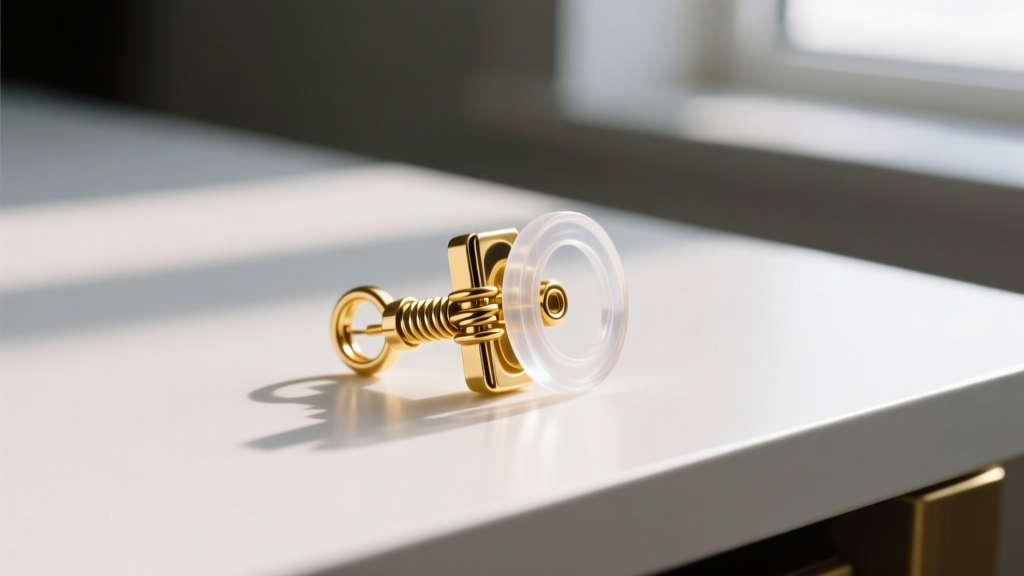
- Apply modern replacement pads. Opt for clear silicone cushions or velvet-covered pads, which offer superior grip and do not degrade like vintage foam.
For ear cuffs (which clamp onto the helix or lobe without piercing), the tension is everything. Over time, the brass or silver wire loses its "spring." To restore the grip, use nylon-jaw pliers. The nylon coating prevents the steel teeth of the pliers from denting or scratching the soft vintage metal while you gently bend the cuff back into a tighter radius.
Long-Term Archival Storage to Prevent Degradation
How you store your 90s style earrings is just as important as how you clean them. The materials used in the 90s are highly reactive to their environment.
Combating Tarnish and Moisture
Silver and brass must be stored in an airtight environment. Place your earrings in ziplock bags made of polyethylene (avoid PVC, which emits gases that accelerate tarnishing). Drop a 3M Anti-Tarnish Strip into each bag. These strips absorb airborne sulfur and hydrogen sulfide, effectively neutralizing the chemical precursors to tarnish for up to 12 months.
Preventing UV and Heat Damage
Early 90s resins and certain dyed acrylics are highly vulnerable to ultraviolet light, which breaks down the polymer chains and causes permanent yellowing or brittleness. Never store vintage acrylic earrings on a vanity near a sunlit window. Instead, line a wooden jewelry box with acid-free, unbuffered tissue paper. Acidic materials (like standard newspaper or cardboard) can leach chemicals into porous vintage plastics, causing surface pitting.
Protecting the Gold Wash
Because the gold plating on 90s costume jewelry is microscopically thin, friction is its biggest enemy. Never toss multiple 90s style earrings into a single communal dish. The friction of metal rubbing against metal during movement will sand away the gold layer, exposing the raw brass underneath. Store each pair in its own soft flannel pouch or individually wrapped in acid-free tissue.
Final Thoughts on Preserving Decades of Style
Maintaining 90s style earrings is an exercise in gentle chemistry and mechanical patience. By understanding the specific vulnerabilities of acrylic, brass, and early-generation hardware, you can rescue pieces that others might discard as "ruined." Whether you are carefully polishing a pair of minimalist sterling silver hoops or replacing the dry-rotted foam on a pair of chunky gold clip-ons, these targeted maintenance protocols ensure that the bold, unapologetic spirit of 90s jewelry remains intact for decades to come.


