Troubleshooting Patina Earrings: Restore, Clean, and Protect
Learn how to troubleshoot, clean, and restore patina earrings. Expert tips on fixing uneven oxidation, preventing flaking, and preserving darkened silver.

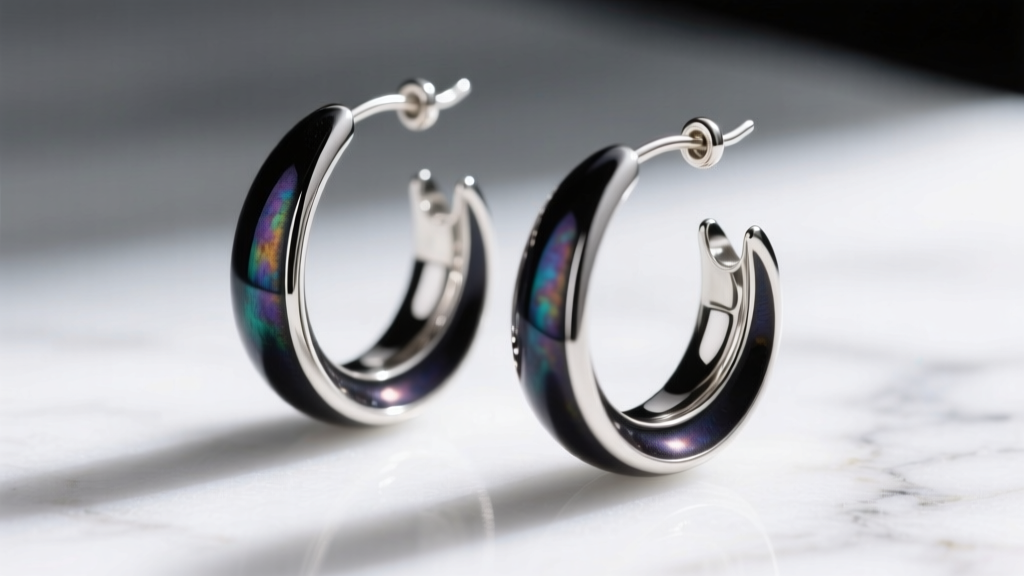
The Delicate Chemistry of Patina Earrings
Patina earrings offer a moody, vintage aesthetic that standard high-polish metals simply cannot match. Whether you are wearing heavily oxidized sterling silver studs or artisan-crafted copper dangles with a verdigris finish, the darkened recesses provide incredible visual depth. However, this aesthetic comes with a unique set of maintenance challenges. Unlike rhodium-plated white gold or solid platinum, the dark finish on patina earrings is the result of a controlled chemical reaction—most commonly the formation of silver sulfide on sterling silver, or copper carbonate on brass and copper pieces.
Because this finish sits on the surface of the metal rather than being an intrinsic property of the alloy, it is highly susceptible to friction, skin acidity, and improper cleaning. If you have noticed your favorite oxidized hoops turning blotchy, flaking off, or leaving dark smudges on your earlobes, you are dealing with a compromised surface layer. In this comprehensive troubleshooting guide, we will break down the exact failure modes of oxidized jewelry and provide professional-grade solutions to restore, clean, and protect your pieces.
Troubleshooting Common Patina Earring Problems
Before attempting any restoration, you must accurately diagnose why your patina earrings are failing. Below is a diagnostic matrix for the three most common issues jewelers see with oxidized ear jewelry.
| Problem | Root Cause | Professional Solution |
|---|---|---|
| Uneven or Blotchy Darkening | Oils from skin or lotions created a barrier during the initial oxidation process, or the piece was not properly degreased before patination. | Strip the finish completely using a warm baking soda and aluminum foil bath, then re-oxidize using a diluted Liver of Sulfur (LOS) solution. |
| Flaking or Peeling Black Finish | The factory applied a chemical blackening agent (like Black Max) over a sealed or plated surface, or the patina was not neutralized after application. | Use a fiberglass scratch brush to gently remove flaking areas. Re-patina using gel-based LOS, which penetrates the micro-pores of raw silver more effectively. |
| Green or Black Smudges on Earlobes | Friction is wearing away the unstable oxidized layer, transferring silver sulfide or copper salts directly to the skin's moisture barrier. | Seal the earring posts and high-friction areas with a specialized jewelry coating like ProtectaClear, or swap the ear wires for raw titanium or niobium. |
Addressing the 'Green Ear' Dilemma
While sterling silver patina earrings typically leave black or gray smudges, copper and brass patina earrings are notorious for causing green skin discoloration. This is not an allergic reaction; it is a simple chemical transfer of copper chelates reacting with the salts and acids in your sweat. If you love the look of oxidized copper drop earrings but hate the cleanup, avoid using clear nail polish as a barrier. Nail polish yellows, chips, and traps moisture against the metal, accelerating localized corrosion. Instead, apply two thin coats of ProtectaClear, a polyurethane-based coating specifically engineered for jewelry that remains invisible and flexible.
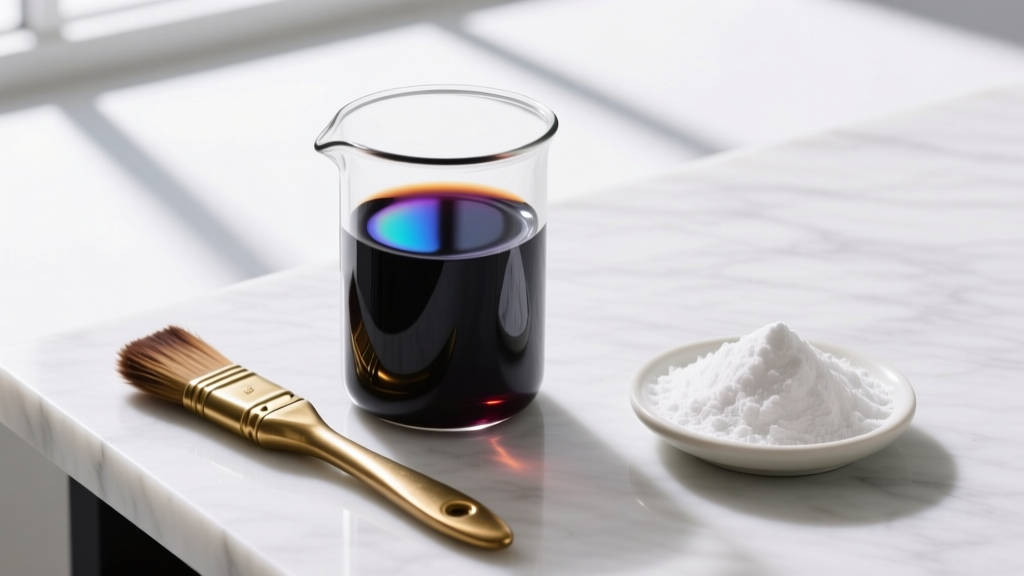
Step-by-Step Restoration Guide for Sterling Silver
If your sterling silver patina earrings have worn down to a dull, uneven gray, you can restore the deep, velvety black finish at home. According to tutorials published by Fire Mountain Gems, achieving a professional-grade oxidized finish requires precise temperature control and proper neutralization.
Phase 1: Stripping and Prepping
You cannot apply new patina over old, unstable patina. Create a stripping bath by lining a glass bowl with aluminum foil (shiny side up). Add one tablespoon of baking soda and one tablespoon of non-iodized salt. Pour boiling water over the mixture and submerge your earrings. The electrochemical reaction will strip the silver sulfide in minutes, returning the metal to bright white silver. Rinse thoroughly with distilled water and dry.
Phase 2: The Oxidation Bath
For earrings, a gel-based Liver of Sulfur (LOS) is vastly superior to traditional lump sulfur, as it offers better control and fewer toxic fumes. Mix a pea-sized amount of LOS gel into a cup of warm (not hot) distilled water. The water should be roughly 100°F (38°C). Submerge the earrings using a plastic or wooden tweezer—never use steel tweezers, as the steel will react with the solution and contaminate your bath. Watch the metal closely; it will transition through yellow, copper, purple, blue, and finally, a deep metallic gray-black. This process usually takes 30 to 60 seconds.
Phase 3: Neutralization and Highlighting
The moment you achieve the desired darkness, drop the earrings into a separate bowl of water mixed with two tablespoons of baking soda. This alkaline bath instantly halts the chemical reaction. If you skip this step, the acid in the LOS will continue to eat away at the silver, eventually causing the patina to become brittle and flake off. Once neutralized, use a 0000-grade extra-fine steel wool pad or a polishing cloth to gently buff the raised edges of the earrings, leaving the deep recesses pitch black for maximum contrast.
What NOT to Do: Cleaning Mistakes That Ruin Patina
The most common way collectors ruin patina earrings is by treating them like standard silver jewelry. The jewelry care guidelines outlined by The Silver Institute emphasize that traditional silver cleaning methods are inherently destructive to intentional oxidation.
- Never use Silver Dip or Tarn-X: These liquid chemical dips contain thiourea, which aggressively strips all oxidation—both accidental tarnish and intentional patina—in seconds, leaving the metal stark white and chemically vulnerable.
- Avoid Ultrasonic Cleaners: The high-frequency cavitation bubbles in ultrasonic machines will literally blast the delicate silver sulfide layer right off the metal, especially in the intricate crevices where you want the patina to remain.
- Stop Using Baking Soda Paste: While baking soda and water paste is a common DIY silver cleaner, it is highly abrasive. Scrubbing patina earrings with this paste will create micro-scratches that permanently alter the surface texture and remove the darkened finish unevenly.

Preserving the Finish: Sealants and Daily Care
Once you have successfully restored your patina earrings, the final step is preservation. Raw oxidized silver will naturally rub off over time due to the friction of putting on and taking off the earrings, as well as contact with hair and skin oils.
The Renaissance Wax Method
For matte or heavily textured patina earrings, microcrystalline wax is the gold standard for preservation. Renaissance Wax, originally developed by the British Museum for artifact conservation, forms a hard, moisture-resistant barrier that does not yellow or crack. Using a soft lint-free cloth, apply a microscopic amount of the wax to the earrings. Allow it to haze for about five minutes, then gently buff it with a clean horsehair brush. This locks the patina in place without adding an artificial, glossy shine that ruins the moody aesthetic of the piece.
Upgrading the Ear Wire
If you are restoring artisan patina earrings that feature a soldered sterling silver ear wire, consider having a jeweler snip the wire and solder on a 20-gauge titanium or niobium ear hook. Because titanium and niobium are highly biocompatible and do not oxidize or tarnish, this simple modification ensures that the part of the earring passing through your piercing remains perfectly clean and hypoallergenic, while the decorative body of the earring retains its beautiful, darkened finish.
When to Consult a Professional Jeweler
While home restoration is highly effective for solid sterling silver, copper, and brass, you must exercise extreme caution with mixed-media patina earrings. If your earrings feature porous gemstones like turquoise, opal, or pearls, never submerge them in a Liver of Sulfur bath or an aluminum foil stripping solution. The chemicals will permanently stain or etch the stones. In these cases, take the earrings to a professional bench jeweler who can use a localized steam pen and micro-torch to re-oxidize the metal settings without endangering the gemstones. By understanding the chemistry behind the finish, you can ensure your patina earrings remain a striking, enduring part of your collection for decades.


