Earring Backs for Large Earrings: Care, Cleaning & Support Tips
Discover the best earring backs for large earrings, plus expert cleaning, maintenance, and support tips to prevent lobe stretching.

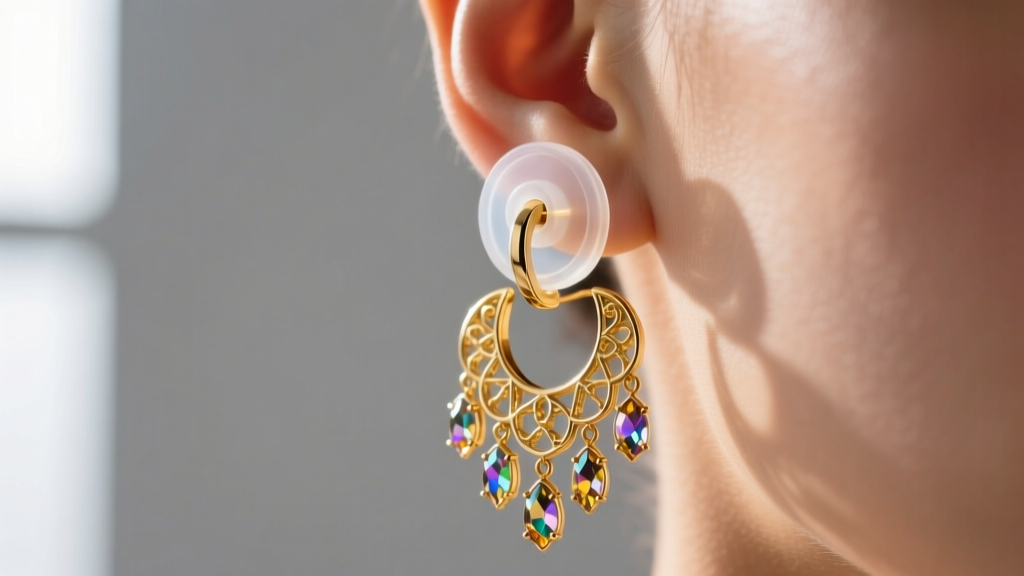
The Hidden Toll of Heavy Jewelry on Your Lobes
Statement earrings—think cascading chandeliers, oversized geometric hoops, and heavy gemstone drops—are a cornerstone of bold personal style. However, gravity is the natural enemy of the human earlobe. When you wear substantial weight on a standard 20-gauge (0.81mm) post, the localized pressure can lead to tissue stretching, ischemia (restricted blood flow), and the dreaded 'cheese-cutter effect,' where a thin post slowly migrates downward through the lobe tissue. To combat this, selecting the right earring backs for large earrings is not merely a matter of keeping the jewelry secure; it is a critical component of earlobe health and structural maintenance. In this comprehensive guide, we explore the engineering behind heavy-duty earring supports, how to properly clean them, and when to replace them to ensure your lobes remain healthy and your jewelry sits perfectly.
Top Support Solutions: Earring Backs for Large Earrings
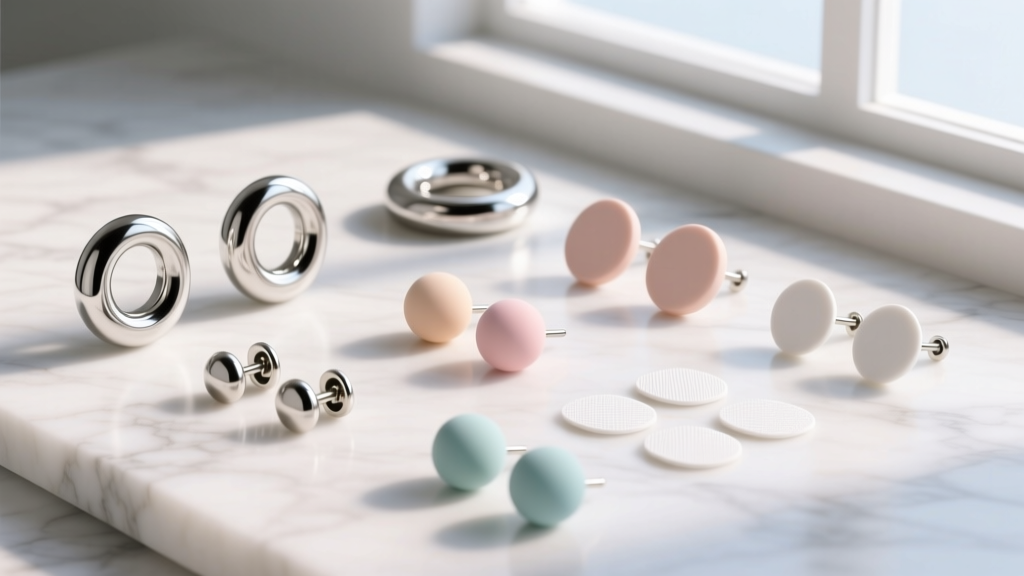
Standard butterfly clutches offer a surface area of roughly 4mm, which is entirely insufficient for distributing the weight of a 15-gram drop earring. Upgrading your backing system is the first step in proper jewelry care.
Medical-Grade Silicone Support Discs
Silicone discs (often 8mm to 12mm in diameter) are the gold standard for weight distribution. Made from medical-grade silicone with a Shore A hardness of 30-40, they provide enough rigidity to support weight while remaining flexible enough to conform to the back of the earlobe. They typically retail between $6 and $12 for a pack of 10. Because silicone creates high friction against the skin, it prevents the earring from drooping forward, keeping heavy drops facing outward rather than pointing at the floor.
Jumbo Metal Clutches and Locking Leverbacks
For those who prefer metal, jumbo 14k or 18k gold clutches offer a wider base (usually 7mm to 9mm) and feature dual-loop friction grips. These cost between $40 and $75 per pair. Alternatively, if your large earrings feature a hinged hoop or drop design, upgrading the wire to an 18-gauge (1.02mm) or 16-gauge (1.29mm) locking leverback provides mechanical security that a friction post simply cannot match. Leverbacks snap shut, completely eliminating the risk of loss if the earring gets snagged on clothing.
Adhesive Earlobe Support Patches
Brands like LobeWonder or BlingDots offer hypoallergenic, transparent adhesive patches ($12 to $18 for 60 pairs) that apply directly to the back of the earlobe. These patches reinforce the piercing hole itself, preventing the post from tearing through stretched tissue. They are single-use and essential for vintage or exceptionally heavy fine jewelry worn during long events.
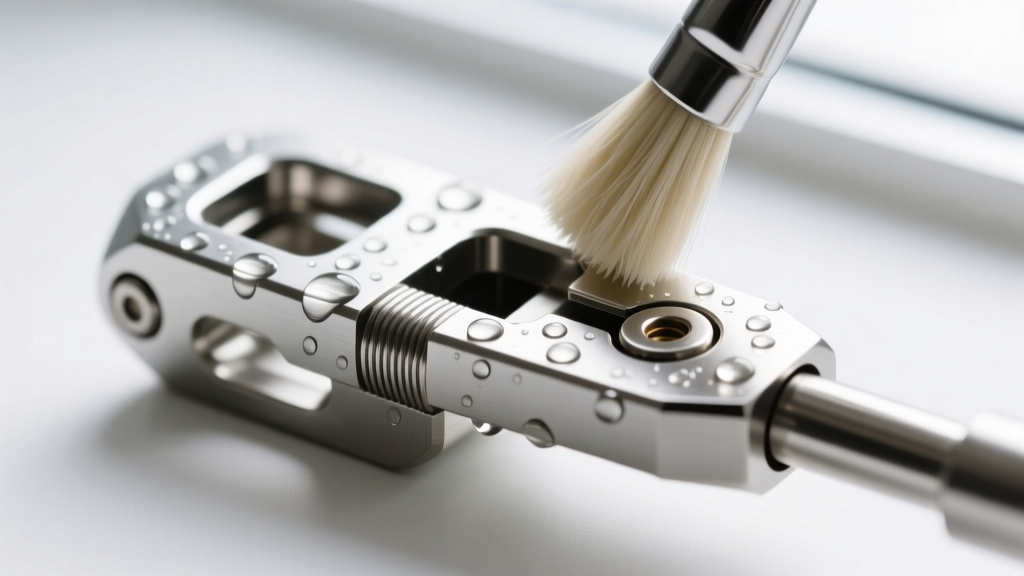
Routine Care and Cleaning Protocols
Maintaining earring backs for large earrings requires specific cleaning protocols. Because heavy earrings trap more sebum (skin oils), dead skin cells, and hair product residue against the lobe, neglecting to clean the backs can lead to contact dermatitis and localized infections. The American Academy of Dermatology notes that trapped debris combined with nickel alloys is a primary trigger for allergic contact dermatitis behind the ear.
Material-Specific Cleaning Matrix
Not all earring backs can be cleaned the same way. Prolonged exposure to harsh chemicals can degrade silicone and ruin specialized adhesives. Use the following framework to maintain your backing systems:
| Material Type | Recommended Cleaning Agent | Methodology | Replacement Frequency |
|---|---|---|---|
| Medical-Grade Silicone | Mild dish soap (e.g., Dawn) & warm water | Soak for 5 mins, gently massage, air dry | Every 6-12 months |
| 14k/18k Gold Jumbo Clutches | Isopropyl alcohol (70%) or Ultrasonic | Soak for 10 mins, brush with baby toothbrush | When tension fails |
| 316L Surgical Steel Leverbacks | Saline solution or antibacterial soap | Wipe down with cotton swab, focus on hinge | Every 2-3 years |
| Adhesive Lobe Patches | N/A (Single-use) | Discard after 12-16 hours of wear | After every use |
Critical Warning: Never clean silicone support discs with isopropyl alcohol or harsh jewelry dips. Alcohol strips the plasticizers from the silicone, causing it to dry out, turn cloudy, and eventually crack under the weight of heavy earrings. According to jewelry care guidelines from the Gemological Institute of America (GIA), sticking to mild, non-abrasive surfactants is the safest way to maintain both the jewelry and its supporting accessories.
Maintenance: When to Replace Your Backs
Earring backs are not lifetime accessories; they are wear items that endure constant mechanical stress. Knowing when to retire them is crucial for preventing the loss of expensive jewelry.
- The Tug Test for Metal Clutches: Insert the post into the clutch and give it a firm, horizontal pull. If the dual-loop friction springs slide on without catching the grooves of the post, the metal has experienced spring fatigue. It is time to replace the clutch.
- Silicone Stretch and Tear: Over time, the 1mm hole in a silicone disc will stretch to accommodate the post. If the disc no longer 'snaps' securely against the back of the earring head, or if you notice micro-tears around the center hole, discard it immediately. A stretched silicone disc will allow a heavy earring to pivot and droop.
- Hinge Lubrication: For heavy leverbacks, the hinge mechanism can become stiff or squeaky due to soap buildup. Apply a microscopic drop of synthetic watch oil to the hinge pin, work it back and forth, and wipe away the excess to maintain a crisp snapping action.
Troubleshooting Common Heavy Earring Issues
Even with the best earring backs for large earrings, you may encounter structural or aesthetic issues. Here is how to troubleshoot the most common complaints:
Problem: The Earring Still Droops Forward
Diagnosis: The post gauge is too thin for the earring's center of gravity, or the earlobe tissue is already stretched.
Solution: If your piercing allows, swap the standard 20-gauge post for an 18-gauge or 16-gauge post. The thicker wire resists bending. If the post is already thick, combine a silicone support disc with an adhesive lobe patch for maximum rigidity.
Problem: Skin Irritation Behind the Lobe
Diagnosis: Contact dermatitis caused by nickel exposure in cheap metal clutches, or a fungal/bacterial buildup trapped beneath a wide silicone disc.
Solution: Switch to pure niobium or titanium jumbo clutches, which are entirely nickel-free. Ensure you are removing the silicone discs nightly to let the earlobe tissue breathe and washing the discs weekly with antibacterial soap.
Problem: The Post is Too Short for the Support Disc
Diagnosis: Many vintage or fine jewelry pieces feature short 8mm posts. Adding a 3mm thick silicone disc leaves insufficient post length for the clutch to grip securely.
Solution: Purchase 'low-profile' silicone discs (1.5mm thick) or take the piece to a bench jeweler to have the post lengthened or soldered with a heavier, longer 10mm post.
Conclusion
Investing in high-quality, heavy-duty earring backs is just as important as investing in the earrings themselves. By understanding the mechanics of weight distribution, adhering to strict material-specific cleaning protocols, and recognizing the failure modes of different backing systems, you can wear your most dramatic, oversized jewelry with absolute confidence and comfort. Proper care ensures your earlobes remain pristine and your statement pieces sit exactly as the designer intended.


