How to Determine Vintage Clip On Earrings Value: A Beginner Guide
Learn how to assess vintage clip on earrings value with our beginner guide. Discover hallmarks, eras, and pricing tips for new jewelry collectors.

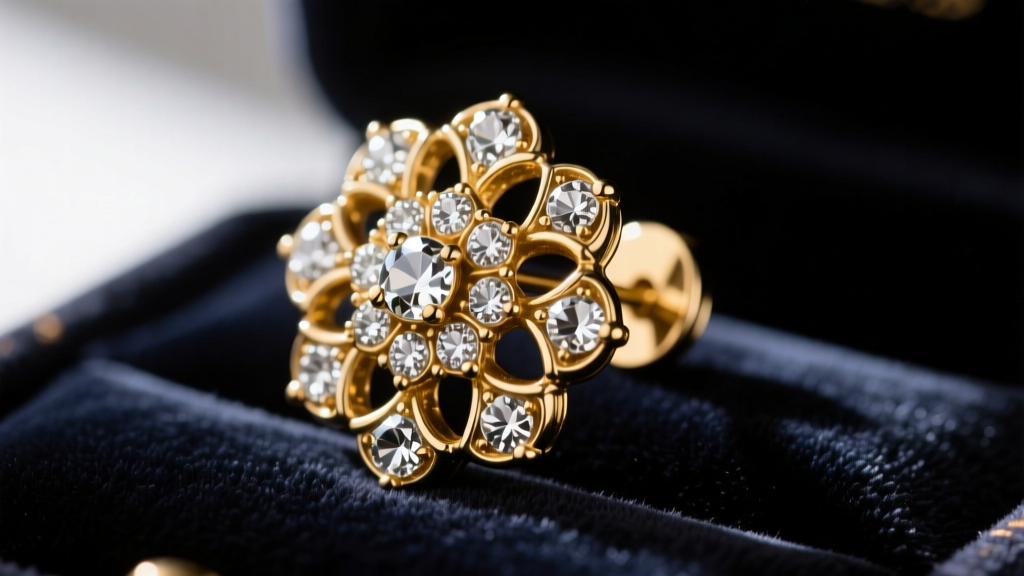
The resurgence of non-pierced jewelry has transformed the secondary market, making the assessment of vintage clip on earrings value a crucial skill for modern collectors. As we navigate the 2026 vintage jewelry market, pieces that were once dismissed as outdated costume jewelry are now highly sought after by both fashion archivists and everyday wearers who want to avoid additional ear piercings. However, not all vintage clip-ons are created equal. A $15 pair of unsigned 1980s gold-tone hoops sits in a completely different echelon than a $400 pair of 1940s Trifari Crown rhinestone clips.
This beginner-friendly explainer will demystify the appraisal process. We will break down the historical eras, material compositions, mechanical hardware, and specific pricing frameworks you need to accurately evaluate vintage non-pierced earrings.
Decoding the Eras: How Age Impacts Value
The history of the clip-on earring is deeply tied to societal norms. From the 1920s through the 1950s, ear piercing was widely considered taboo in Western cultures, reserved primarily for sailors or specific cultural traditions. Consequently, the finest jewelry houses and costume designers focused their engineering on non-pierced mechanisms. According to the GIA Antique Period Jewelry Guide, understanding the era of a piece is the first step in determining its baseline market value.
Art Deco (1920s–1930s)
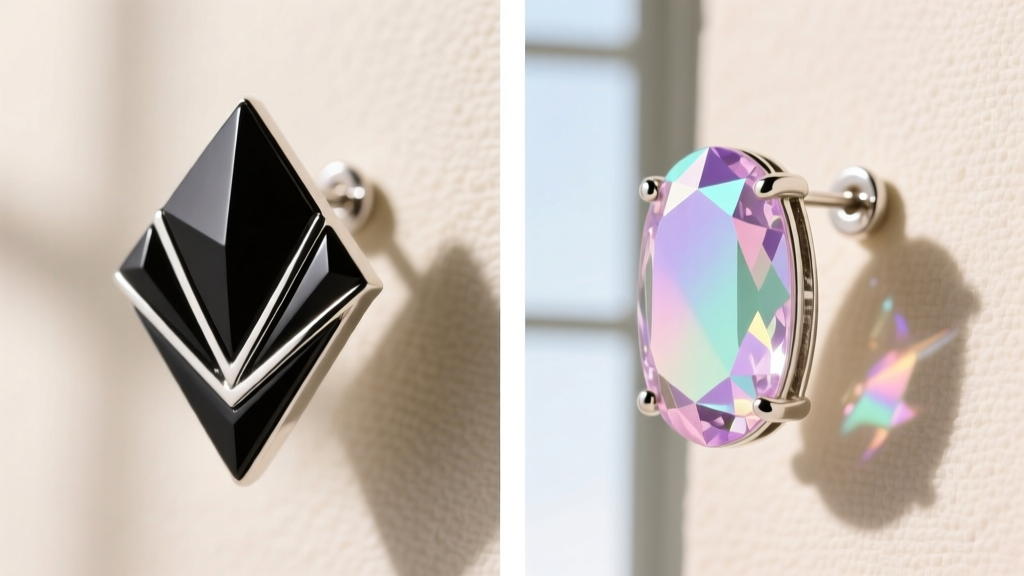
Art Deco clip-ons are characterized by geometric symmetry, platinum or white-gold plating, and the use of onyx, coral, and early synthetic stones. Because functional spring-clip mechanisms were still in their infancy (screw-backs were more common), surviving Art Deco clip-ons in pristine condition are exceptionally rare. High-value markers include filigree metalwork and calibre-cut synthetic sapphires.
Retro and Mid-Century (1940s–1960s)
This is the golden era of costume jewelry, and the most common entry point for beginners. During World War II, base metals were rationed, leading designers to use sterling silver heavily (often vermeil-plated). Post-war, the 1950s introduced bold, three-dimensional floral motifs and the revolutionary Aurora Borealis (AB) rhinestone coating, introduced by Swarovski in 1956. If a pair of rhinestone clips features AB stones, you can confidently date them to 1956 or later.
Material Analysis: Base Metals vs. Precious Alloys
When evaluating vintage clip on earrings value, the substrate metal and the stones used dictate the ceiling of the piece's worth. Many beginners mistake gold-plated brass for solid gold. Here is a breakdown of common vintage materials and their value indicators.
| Material / Stone | Identifying Characteristics | Impact on Value |
|---|---|---|
| Vermeil (Gold over Sterling) | Hallmarked 'Sterling', '925', or 'Vermeil'. Heavier feel. | High. Wartime vermeil (1940s) is highly collectible. |
| Bakelite | Heavy cast plastic. Yields a dull 'clack' sound. Smells like formaldehyde when rubbed with hot water. | Very High. Authentic 1930s carved Bakelite clips can exceed $500. |
| Lucite / Acrylic | Lighter than Bakelite. Clear or brightly colored. No distinct odor when warmed. | Low to Moderate. Common in 1950s-1970s novelty earrings. |
| Foiled Rhinestones | Glass stones with a metallic backing to increase refraction. | Moderate. Prone to moisture damage (blackening), which severely drops value. |
| Unfoiled / AB Rhinestones | Clear or iridescent glass without metallic backing. | Moderate to High. More durable than foiled stones; highly desirable in Mid-Century pieces. |
Examining the Mechanism: Hardware and Failure Modes
The clasp mechanism is a critical, yet frequently overlooked, component of vintage clip on earrings value. A piece with an original, period-correct mechanism will always command a premium over one with a replaced or modernized clasp. According to Antique Jewelry University, hardware evolution is one of the most reliable dating tools for unsigned pieces.
Screw-Backs (1900s–1930s)
While technically not a 'clip', early non-pierced earrings relied on a threaded screw mechanism that pressed a padded disc against the earlobe. These are often uncomfortable by modern standards but indicate an early 20th-century origin. If the threaded post is stripped or the paddle is missing, the value drops by up to 40%.
Spring Clips and Paddle Clips (1930s–1960s)
The 1940s saw the rise of the hinged spring clip, which utilized a coiled steel spring inside the earring's housing to provide tension. By the 1950s, the 'paddle clip' (or comfort clip) was introduced, featuring a wider, flat metal paddle that distributed pressure more evenly across the earlobe. Troubleshooting tip: Never pull a vintage paddle clip backward past a 45-degree angle to test its tension. The internal steel springs from this era are brittle; overextending them will cause the spring to snap, instantly converting a $150 pair of vintage clips into a broken lot.
Omega Clips (1970s–Present)
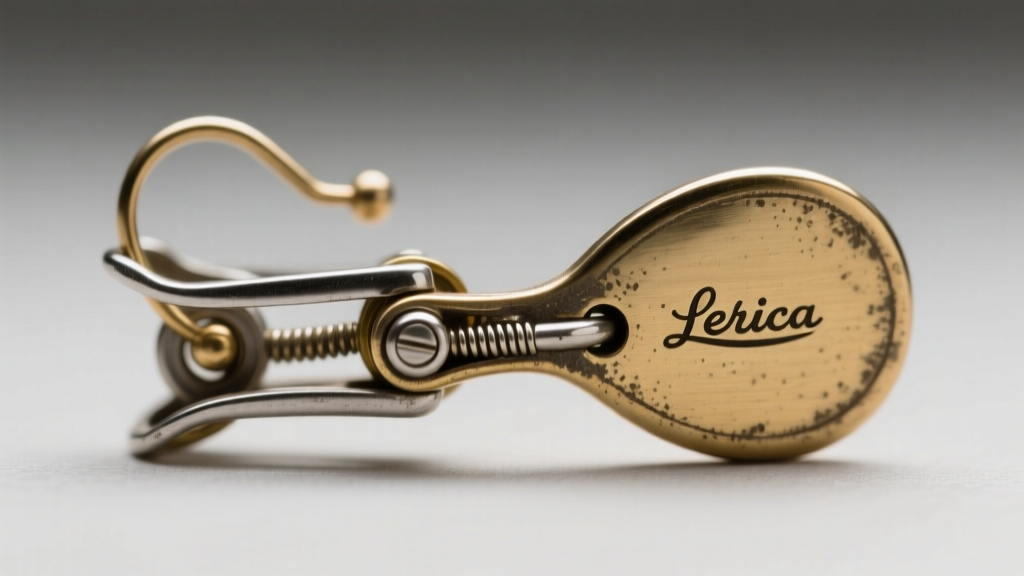
Recognizable by their curved, hinged wire that loops up into a hollow channel on the back of the earring, Omega clips were designed for heavier, chunkier 1980s gold-tone designs. While comfortable, they are common and generally denote a lower-tier vintage value unless signed by a major luxury house.
Practical Pricing Framework for Beginners
To help you navigate estate sales, auction houses, and online marketplaces, use this four-tier pricing matrix. These ranges reflect the current 2026 market for pieces in excellent, wearable condition (no missing stones, no green corrosion, fully functional clasps).
- Tier 1: Unsigned / Mass Market ($15 – $45)
Typical 1970s-1980s gold-tone hoops, unbranded rhinestone studs, and acrylic novelty clips. Valued primarily for their aesthetic utility rather than historical significance. - Tier 2: Signed Mid-Tier Designers ($50 – $150)
Pieces stamped with recognizable but mass-produced marks like Coro, Napier, Monet, or Accessocraft. Value spikes if the piece features intact enamel work or early aurora borealis stones. - Tier 3: High-End Costume Houses ($200 – $800+)
The holy grail for costume collectors. Look for Trifari (specifically the Crown mark), Miriam Haskell (known for intricate Russian gold-plated filigree and baroque pearls), Eisenberg, and Boucher. Haskell pieces, often unsigned but identifiable by their specific wiring techniques, can easily exceed $1,000 if the seed pearls are intact. - Tier 4: Fine Jewelry & Luxury ($1,500 – $10,000+)
Clip-ons crafted in solid 14k/18k gold or platinum, featuring natural diamonds or unheated sapphires. Houses like Cartier, Van Cleef & Arpels, and Bulgari produced clip-ons for their elite clientele who preferred not to pierce their ears. Value is driven by gemological grading and provenance rather than the clip mechanism itself.
Authentication and Sourcing Insights
When hunting for valuable pieces, bring a jeweler's loupe and a testing kit. For example, if you suspect a chunky, carved 1930s clip-on is made of Bakelite, use the Simichrome polish test. Apply a tiny amount of Simichrome to a cotton swab and rub an inconspicuous area of the earring. If the swab turns a vibrant mustard yellow, you have authentic Bakelite. If it remains pink, it is likely later Lucite or a modern reproduction.
Additionally, inspect the prongs holding the rhinestones. High-end vintage houses like Trifari and Boucher used cast-metal settings with mechanically pushed prongs. Cheaper manufacturers relied on glue. If you see yellowed adhesive seeping from under a stone, the piece is likely lower-tier, and the stones are at high risk of falling out.
Collector's Golden Rule: Condition is paramount, but originality is king. A slightly worn pair of 1940s Trifari clip-ons with their original, unpolished patina and factory-installed clasps will always hold more long-term value than a pair that has been aggressively machine-polished and fitted with modern replacement clips.
By understanding the intersection of historical eras, material science, and mechanical engineering, you can confidently assess the true vintage clip on earrings value, turning a beginner's hobby into a highly rewarding and potentially lucrative collection.


