2026 Trend Analysis: Rose Gold Chandelier Earrings
Discover the 2026 style forecast for rose gold chandelier earrings. Learn about alloy grades, weight distribution, and face-shape styling for this bold trend.

The 2026 Resurgence: Why Rose Gold Chandelier Earrings Dominate
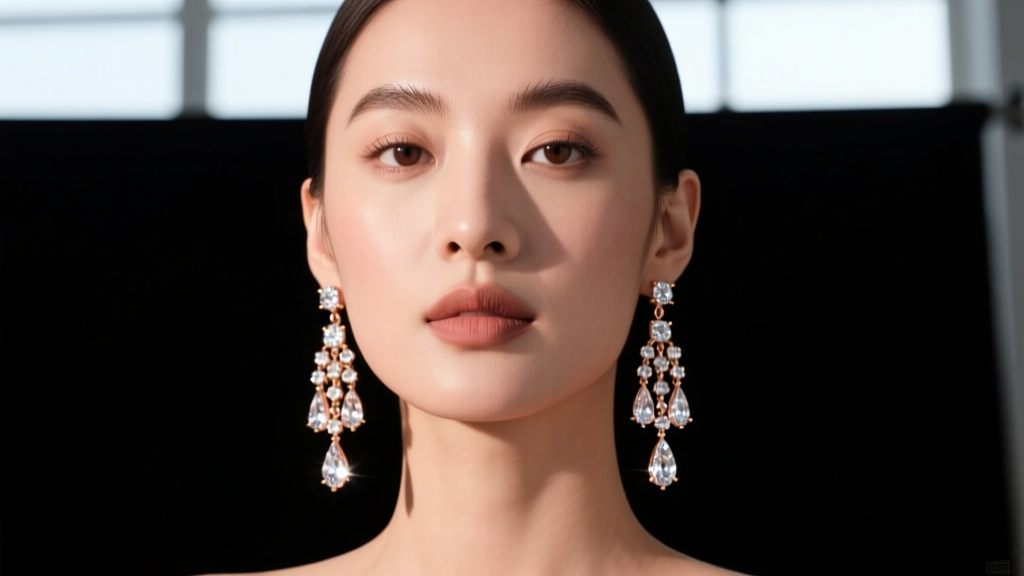
The 2026 jewelry landscape has decisively pivoted from the understated minimalism of the early 2020s toward what industry insiders call "romantic maximalism." At the absolute epicenter of this movement are rose gold chandelier earrings. No longer relegated exclusively to red-carpet galas or traditional bridal parties, these intricate, multi-tiered statement pieces are being reimagined for elevated daytime wear. Stylists are currently pairing them with structured oversized blazers, silk slip dresses, and even high-end denim. But what exactly is driving the supremacy of the rose gold alloy in this specific, gravity-defying silhouette? The answer lies at the intersection of metallurgical durability, skin-tone versatility, and a nostalgic yet fiercely modern aesthetic that defines the current style forecast.
Unlike their yellow gold counterparts, which can sometimes read as overly traditional or heavy, the copper-infused warmth of rose gold provides a softer, more luminous frame for the face. This makes the sprawling, architectural designs of chandelier earrings feel organic and fluid rather than rigid. As we navigate 2026, the demand for these pieces has forced jewelers to innovate not just in design, but in the very science of how these earrings are constructed and worn.
Metallurgy and Material Grades: The Science of the Pink Hue
To truly understand the value, pricing, and physical behavior of rose gold chandelier earrings, one must examine the elemental composition. Pure 24-karat gold is inherently yellow and far too malleable to support the complex, articulated joints and suspended gems of a chandelier earring. According to the Gemological Institute of America (GIA), rose gold is an alloy created by blending pure gold with copper and, occasionally, small amounts of silver. The copper is the vital ingredient—it provides both the signature pinkish-red hue and the crucial tensile strength required for intricate metalwork.
When investing in or designing chandelier styles, choosing between 14K and 18K rose gold drastically alters the earring's performance and visual impact:
| Alloy Grade | Composition | Color Profile | Durability & Best Use |
|---|---|---|---|
| 18K Rose Gold | 75% Gold, 22.25% Copper, 2.75% Silver | Rich, deep romantic pink | Softer metal; ideal for high jewelry pieces featuring pave diamonds where prong-setting requires malleability. |
| 14K Rose Gold | 58.3% Gold, 31.7% Copper, 10% Silver | Lighter, peach-pink tone | Significantly harder and more rigid; the superior choice for the structural frames and jump rings of heavy chandelier drops. |
Because chandelier earrings rely on dozens of tiny jump rings to create their signature sway and movement, 14K rose gold is often the preferred medium for the structural skeleton of the piece, preventing the metal from warping under its own weight over time.
Architectural Anatomy: Weight, Gauge, and Lobe Health
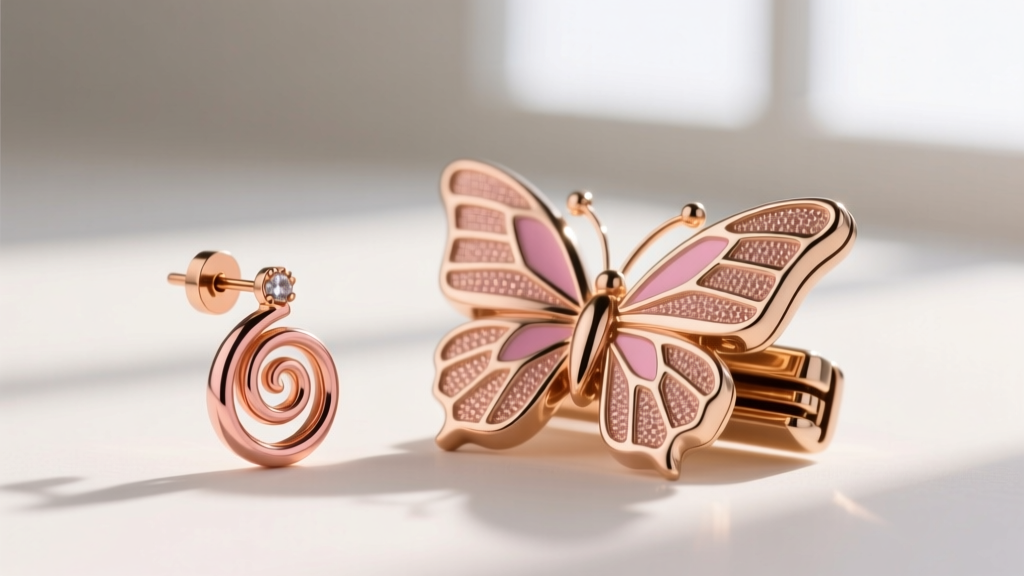
Chandelier earrings are notoriously front-heavy. A standard, healthy earlobe piercing can comfortably support 7 to 10 grams of continuous weight without issue. However, an elaborate 18K rose gold chandelier design with cascading gemstones can easily exceed 18 to 22 grams per ear. When a heavy earring is suspended from a thin, standard 20-gauge post, it creates intense localized downward pressure. Over time, this leads to the "cheese-cutter effect"—a gradual migration, thinning, and stretching of the piercing hole.
To mitigate this biomechanical challenge in 2026, master jewelers and professional piercers recommend specific engineering safeguards for statement earrings:
- Upgraded Post Gauges: Opting for 18-gauge (1.0mm) or even 16-gauge (1.2mm) posts to distribute the earring's weight across a wider surface area of the earlobe tissue.
- Leverback and French Wire Closures: Replacing standard post-and-butterfly clutches with hinged leverbacks. Leverbacks anchor the earring closer to the ear's natural center of gravity and prevent the heavy drop from pulling the post at a harsh downward angle.
- Silicone Support Patches: For vintage or particularly heavy heirloom pieces, using discreet adhesive lobe support patches (such as Lobe Wonder) is now a standard stylist recommendation. These patches adhere to the back of the earlobe, bearing the load and preventing tissue fatigue during long events.
For a deeper dive into how alloy strength impacts jewelry design and wearability, Blue Nile's metal education guide offers excellent insights into why specific karat weights are chosen for complex structural designs.
Face Shape Matrix: Styling Chandelier Drops for 2026
The sprawling nature of chandelier earrings means they interact directly with the jawline, neck, and collarbone. Selecting the correct geometric silhouette is critical for achieving visual harmony. Below is the definitive 2026 styling matrix for matching rose gold chandelier designs to specific facial structures:
| Face Shape | Ideal Chandelier Silhouette | Design Elements to Avoid |
|---|---|---|
| Round | Angular, geometric, and linear drops | Wide, circular hoops or short, clustered teardrops that add lateral width. |
| Square | Curved, fluid designs with bottom-heavy teardrops | Sharp, boxy geometric shapes that mirror and exaggerate a strong jawline. |
| Oval | Versatile; most silhouettes work beautifully | Extremely long drops that exceed the collarbone, disrupting natural proportions. |
| Heart | Bottom-heavy, triangular chandeliers that widen at the base | Top-heavy designs or inverted triangles that emphasize a narrow chin. |
Neckline Pairings and Sartorial Balance
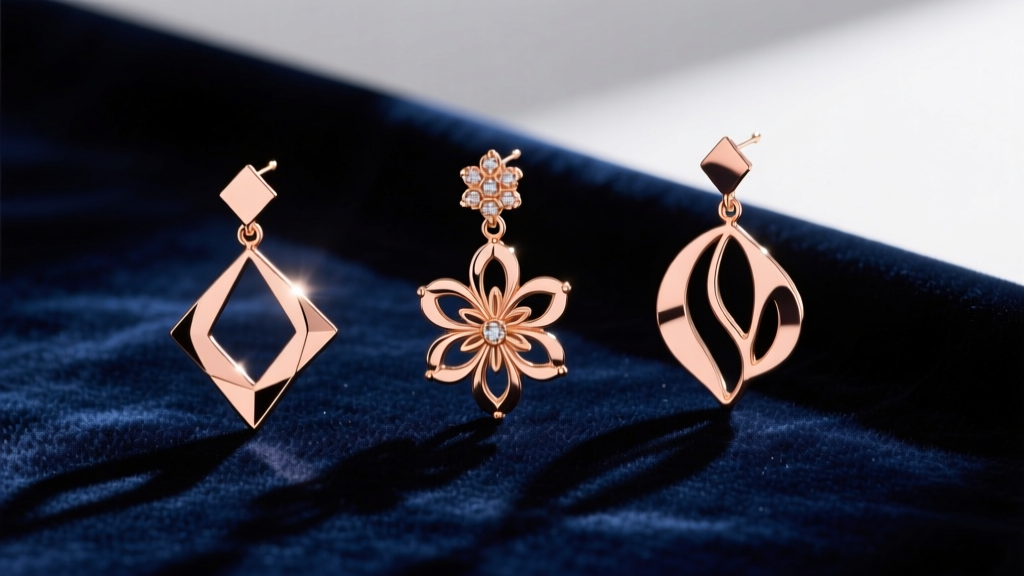
Because rose gold chandelier earrings command significant visual real estate, the neckline of your garment must act as a complementary canvas rather than a competitor. In 2026, the golden rule of styling statement ears is "negative space." Strapless gowns, deep V-necks, and asymmetrical one-shoulder tops provide the ideal framing, allowing the pink-hued metal and refracting gemstones to catch the light without visual clutter.
Conversely, high collars, ruffled blouses, and heavy statement necklaces should be strictly avoided. Pairing a complex chandelier earring with a busy neckline creates a "suffocated" aesthetic, where the jewelry pieces fight for dominance. If you are wearing a high-neck garment, the stylist's pivot is to sweep the hair into a sleek, tight chignon, ensuring the rose gold drops remain the undisputed focal point against the skin.
Market Pricing and Investment Value
The market for rose gold chandelier earrings is highly stratified, catering to both trend-driven consumers and high-jewelry collectors. Understanding these tiers is essential for smart purchasing:
- Demi-Fine / Gold Vermeil ($80 - $250): These pieces feature a thick layer of rose gold plated over a sterling silver or brass base. They are excellent for seasonal trend participation but will eventually require re-plating due to friction and wear at the jump rings.
- Solid 14K Rose Gold ($600 - $1,800): The sweet spot for durability and investment. Solid 14K pieces will not tarnish or plate away, making them suitable for frequent wear. Pricing scales based on the inclusion of semi-precious stones like morganite or garnet, which beautifully complement the copper tones.
- High Jewelry 18K & Platinum Accents ($4,000 - $25,000+): Reserved for luxury houses, these pieces utilize 18K rose gold articulated with white gold or platinum prongs to secure high-clarity diamonds. The contrast between the warm pink metal and the cool white stones is a hallmark of 2026 luxury design.
Maintenance: Preventing Copper Oxidation
While rose gold does not tarnish in the same rapid, blackening manner as sterling silver, the high copper content makes it susceptible to surface oxidation and dulling when exposed to modern environmental factors. The oils in lotions, the alcohol in perfumes, and the chlorine in tap water can create a microscopic film over the copper alloy, muting its signature blush.
To maintain the brilliant luster of your chandelier earrings, avoid applying fragrance directly to the neck when wearing them. For routine cleaning, bypass harsh chemical dips which can damage the patina of the copper. Instead, use a solution of warm water and a few drops of mild, phosphate-free dish soap. Gently agitate the earrings with a soft-bristled baby toothbrush, paying special attention to the intricate hinges and jump rings where skin cells and cosmetic residues accumulate. Dry thoroughly with a microfiber cloth to prevent water spotting on the metal. By respecting the metallurgy and biomechanics of these stunning pieces, you ensure they remain a cornerstone of your wardrobe for decades to come.