Restoring Victorian Seed Pearl Earrings: Expert Guide
Learn how to authenticate, clean, and repair Victorian seed pearl earrings. Expert troubleshooting for missing pearls, broken wirework, and ear wires.

The Unique Anatomy of Victorian Seed Pearl Earrings
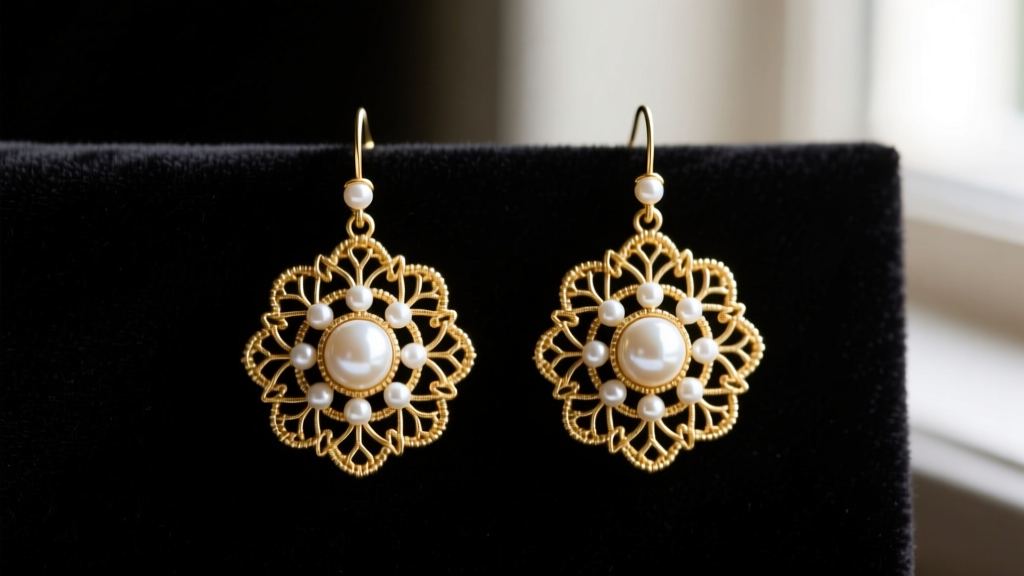
Victorian seed pearl earrings, crafted between 1837 and 1901, represent some of the most meticulous micro-jewelry work in history. Often symbolizing tears or purity, these pieces rely on intricate wirework techniques like cannetille (tightly coiled wire) and filigree (beaded wire) to create lace-like metal frameworks. The pearls themselves are typically tiny, measuring between 1.0mm and 2.5mm, and were historically sourced from India or China. Unlike modern jewelry, Victorian seed pearl earrings were rarely prong-set. Instead, the pearls were half-drilled and mounted onto microscopic metal pegs or seated into shallow bezels using natural resins or early glues. Understanding this delicate anatomy is the first step in troubleshooting and restoring these antique treasures without causing irreversible damage.
Troubleshooting Common Damage and Failure Modes
Because of their age and fragile construction, antique seed pearl jewelry presents unique challenges for collectors and jewelers. Here is how to diagnose and address the most frequent structural failures.
1. Missing or Loose Seed Pearls
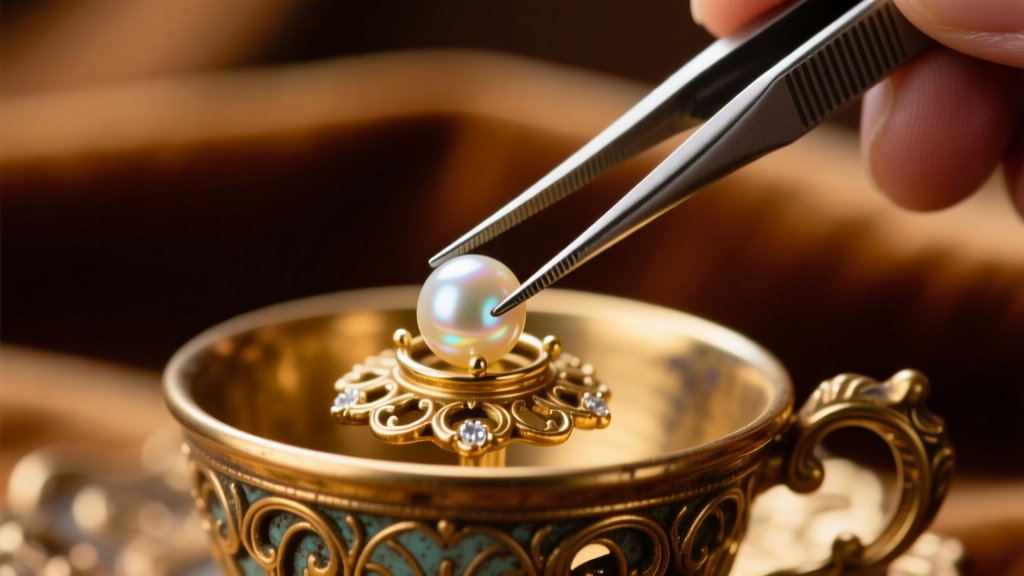
The most common issue with Victorian seed pearl earrings is pearl loss. Over a century of wear, temperature fluctuations, and exposure to skin oils cause the original organic adhesives to crystallize and fail. If you find a loose pearl, do not attempt to push it back in, as you may snap the microscopic gold peg underneath. If a pearl is missing, sourcing a replacement requires matching not just the millimeter size, but the nacre thickness, luster, and overtone. Modern cultured seed pearls often possess a thicker, more uniform nacre than antique natural river or saltwater seed pearls, making a perfect visual match challenging.
2. Fractured Cannetille and Filigree Wirework
Cannetille wire is often as thin as 30 to 32 gauge. When these coils snag on clothing or hair, they snap or unspool. Never use a traditional jeweler's torch to solder broken wirework on these earrings. The intense, broad heat of a torch will instantly melt the micro-wire into a solid lump and will scorch or crack the adjacent seed pearls. In 2026, the only acceptable method for repairing fractured Victorian wirework is precision laser welding. Laser welders focus a microscopic beam of heat, allowing a master jeweler to fuse 30-gauge wire without raising the temperature of the surrounding metal or damaging the pearls.
Sourcing Replacement Materials: A Specification Guide
When restoring Victorian seed pearl earrings, using period-appropriate or structurally compatible materials is vital for maintaining both the value and the integrity of the piece. Below is a specification chart for sourcing restoration materials.
| Component | Victorian Original Spec | Modern Restoration Alternative | Notes & Warnings |
|---|---|---|---|
| Seed Pearls | 1.0mm - 2.5mm, natural, half-drilled | 1.0mm - 2.5mm, cultured, half-drilled | Match the drill hole diameter (usually 0.3mm - 0.5mm). Avoid full-drilled pearls. |
| Adhesive | Shellac, natural tree resins, or hide glue | Two-part slow-set jeweler's epoxy (e.g., Epoxy 330) | Never use cyanoacrylate (Super Glue); it emits fumes that permanently cloud pearl nacre. |
| Wirework | 28 to 32-gauge high-karat gold wire | 28 to 32-gauge 14k or 18k gold wire | Ensure the wire temper is 'dead soft' to replicate Victorian coiling techniques. |
| Ear Wires | 20 to 22-gauge shepherd hooks | 18 to 20-gauge leverbacks or French wires | Original wires are often too thin and brittle for modern pierced ears. |
The Cleaning Conundrum: What Never to Do
Cleaning Victorian seed pearl earrings requires extreme caution. The most catastrophic mistake a collector can make is placing these earrings in an ultrasonic cleaner. Ultrasonic waves will shatter the fragile nacre of antique seed pearls and violently shake loose any remaining original adhesive. Furthermore, steam cleaners will force moisture into the half-drilled holes, causing the internal metal pegs to rust or expand, which cracks the pearls from the inside out.
According to the Gemological Institute of America (GIA), pearls are highly porous and sensitive to acids and harsh chemicals. To safely clean these earrings, use a damp, lint-free microfiber cloth lightly moistened with distilled water. If grime is trapped in the cannetille wirework, use a soft-bristled baby toothbrush dipped in a solution of distilled water and a single drop of pH-neutral castile soap. Gently brush the metal, avoiding the pearls entirely, and dry immediately with a cool hair dryer to prevent water spots on the metal.
Ear Wire Conversions: Shepherd Hooks vs. Leverbacks
Many surviving Victorian drop earrings feature original shepherd hook wires that are incredibly thin (often 22-gauge) and prone to bending or snapping. Additionally, some pieces were retrofitted in the mid-20th century with heavy screw-backs that ruin the drape of the earring. Troubleshooting the suspension system is critical for wearability.
Converting the earrings to modern 18-gauge or 20-gauge leverback wires provides security and preserves the antique drop. However, this requires cutting the original wire just above the decorative cap and soldering a new jump ring or leverback fitting. Because the top cap is usually positioned millimeters away from the top seed pearls, this soldering job must be done using a heat sink (like tweezers or thermal paste) or a laser welder to prevent heat transfer from cooking the nearest pearls.
Authentication: Spotting Edwardian and Modern Reproductions
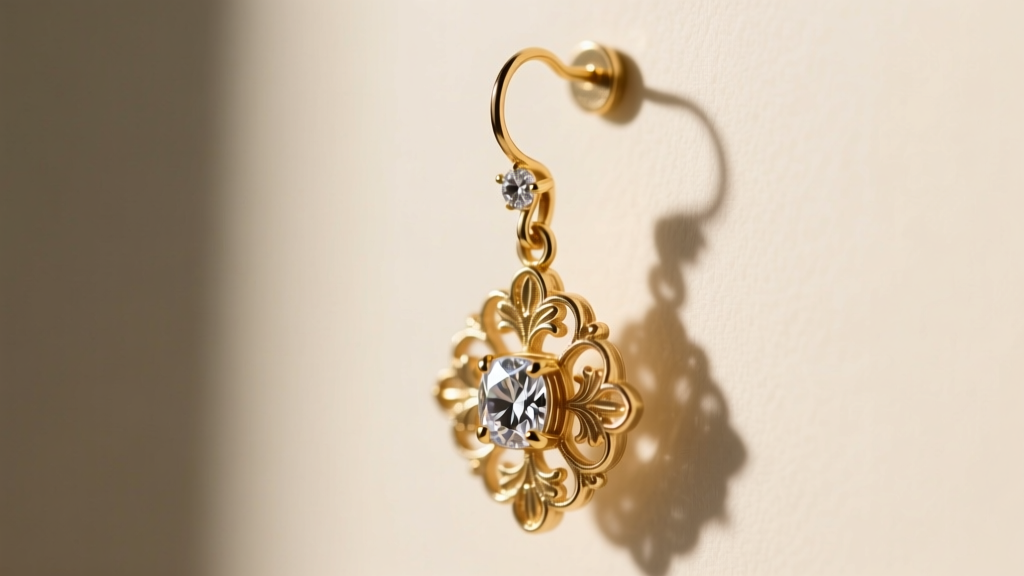
Before investing time and money into restoring what you believe are Victorian seed pearl earrings, verify their provenance. The Victoria and Albert Museum notes distinct shifts in jewelry design across eras. Edwardian pieces (1901-1910) transitioned away from the yellow gold cannetille of the Victorian era, favoring platinum, pierced openwork, and garland-style motifs. If your earrings feature platinum settings or millegrain edging, they are likely Edwardian or later.
Furthermore, examine the pearls under a 10x jeweler's loupe. Victorian natural seed pearls often exhibit slight variations in shape, size, and luster. Modern reproductions, particularly those mass-produced in the 1960s or imported today, use perfectly uniform, machine-sorted cultured seed pearls and feature cast metal backs rather than hand-assembled wirework. Finally, check the gold purity. UK Victorian pieces were frequently crafted in 15k gold (a standard used until 1932) or 9k gold, whereas US pieces were typically 14k. Use a non-destructive XRF (X-ray Fluorescence) analyzer to test the metal composition without filing or applying damaging acids to the antique surface.
When to Consult a Master Antique Jeweler
While you can safely clean and secure loose pearls with specialized epoxy at home, structural repairs demand professional intervention. If your Victorian seed pearl earrings suffer from crushed cannetille, missing metal pegs, or require ear wire conversions, seek out a jeweler who specializes in antique restoration and possesses an in-house laser welder. Attempting to bend 130-year-old gold wire without annealing it will result in metal fatigue and catastrophic snapping. By understanding the precise mechanics and historical context of these earrings, you can troubleshoot their flaws and preserve these wearable artifacts for the next century.


