Rick Owens Earrings: Expert Cleaning & Care Guide
Master the care of your Rick Owens earrings. Learn expert cleaning methods for oxidized silver, brass, leather, and bone to preserve their avant-garde patina.

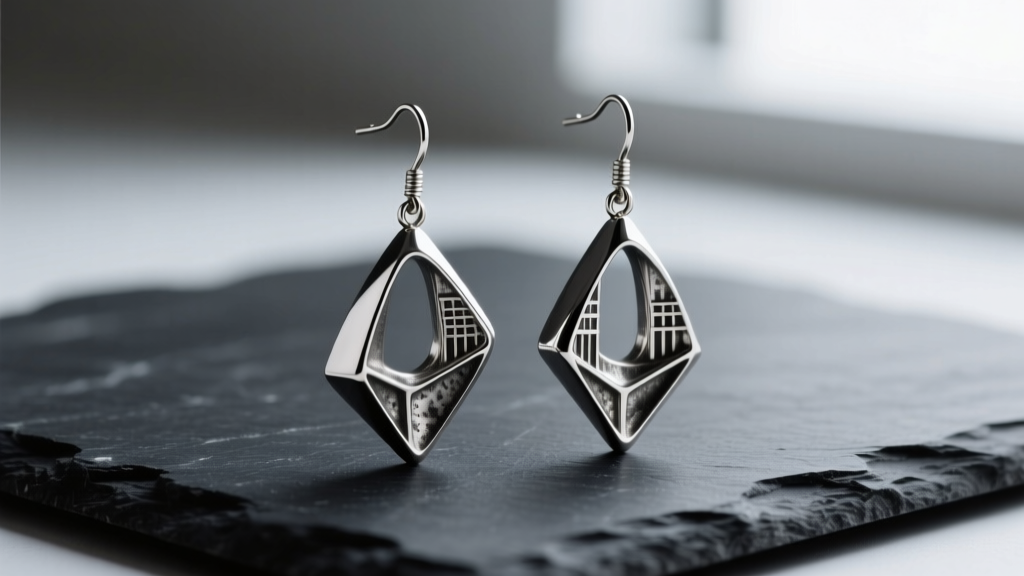
Rick Owens earrings transcend traditional jewelry, functioning instead as wearable, brutalist architecture. Whether you own a pair of heavy geometric drops from the mainline or organic, leather-wrapped hoops from the DRKSHDW diffusion line, these pieces require highly specialized maintenance. Given that mainline Rick Owens silver earrings typically retail between $450 and $1,200, and rare archival pieces featuring carved bone or horn can fetch upwards of $2,500 on the secondary market, proper care is essential to protect your investment.
Unlike conventional fine jewelry, Rick Owens designs intentionally embrace raw, unpolished, and oxidized finishes. Standard jewelry cleaning methods will permanently ruin the avant-garde patina of these pieces. This comprehensive guide details the exact protocols for maintaining the unique material palette of Rick Owens earrings in 2026.
The Architectural Anatomy of Rick Owens Earrings
To properly care for these earrings, you must first understand their construction. Rick Owens frequently utilizes 18-gauge (1.0mm) or 20-gauge (0.8mm) sterling silver wires for his hook and dangle styles. This thicker gauge is necessary to support the substantial weight of his brutalist pendants without warping. The hardware is rarely high-polish; instead, it is heavily oxidized, brushed, or left in a raw brass state. Furthermore, Owens frequently integrates organic materials—such as Nappa leather cords, carved bone, and buffalo horn—into the metalwork, creating mixed-media pieces that are highly sensitive to moisture and chemicals.
Preserving the Dark Romance: Oxidized Sterling Silver
The signature look of Rick Owens silver jewelry relies on a heavy liver of sulfur treatment, which forces the silver into a deep, blackened state before the raised edges are lightly polished to create stark contrast.
The Thiourea Warning
You must never use liquid silver dips (such as Tarn-X or Connoisseurs Silver Cleaner) on Rick Owens earrings. These solutions contain thiourea, a chemical that instantly strips away intentional oxidation, leaving the metal a flat, bright, and unnatural white. According to the Tiffany & Co. jewelry care guidelines, which set the industry standard for oxidized silver maintenance, abrasive pastes and chemical baths will permanently erase the designer's intended shadow work.
The Proper Polishing Technique
- Tools: Use a dry, treated polishing cloth (such as a Sunshine Polishing Cloth).
- Method: Gently rub only the raised, high-relief edges of the earring. Avoid pressing the cloth deep into the crevices or chain links where the dark patina is meant to reside.
- Frequency: Polish only when the high spots begin to look dull or cloudy from skin oils. Over-polishing will eventually wear through the oxidized layer down to the raw silver base.
Raw Industrialism: Brass and Palladium Care
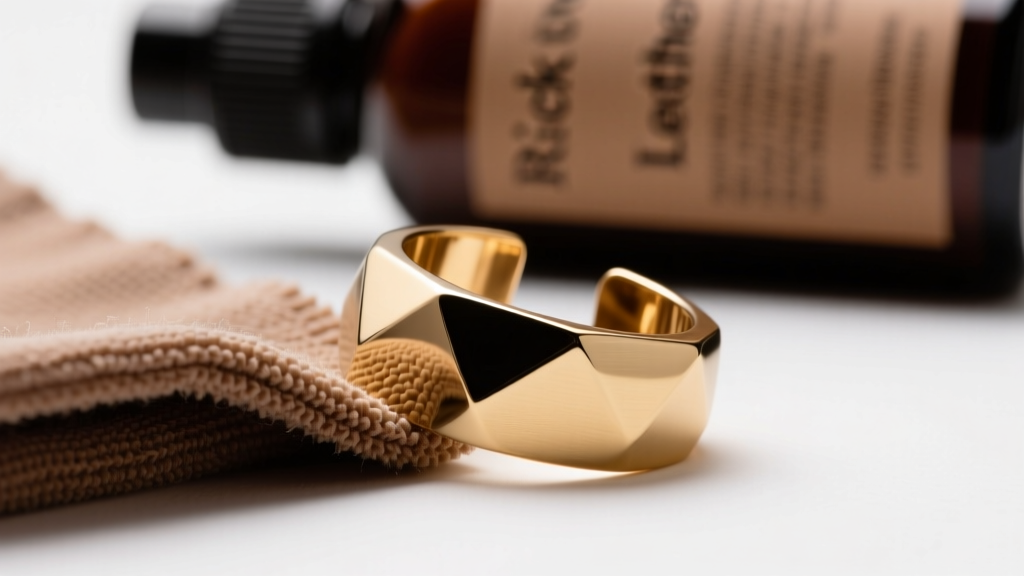
Many Rick Owens seasonal collections and DRKSHDW pieces utilize raw brass for its warm, industrial, and slightly gritty aesthetic. Brass is an alloy of copper and zinc, meaning it will naturally tarnish to a dark brown or develop a greenish verdigris when exposed to the humidity and natural acids of your skin.
If your brass earrings have lost their intended raw luster and look overly muddy, you can gently revive them. Create a mild paste using equal parts lemon juice and baking soda. Apply this paste strictly to the brass components using a cotton swab (Q-tip), ensuring you do not get the acidic mixture on any adjacent leather cords or bone elements. Rinse the swab, wipe the brass clean with distilled water, and immediately dry it thoroughly with a microfiber cloth to prevent water spotting.
For pieces featuring palladium or white gold hardware, a simple wash in warm water with a few drops of phosphate-free dish soap (like Dawn) is sufficient. Use a soft-bristled baby toothbrush to gently dislodge sebum and dead skin cells from the earring posts and backing clasps.
Organic Elements: Leather, Bone, and Horn
Rick Owens' integration of organic materials is a hallmark of his brand's gothic-grunge ethos. However, leather, bone, and horn are porous and highly susceptible to water damage, warping, and cracking.
- Leather Cords and Wraps: Never submerge leather components in water. If the leather becomes soiled, wipe it gently with a barely damp microfiber cloth. To maintain the suppleness of Nappa leather or raw-edge suede cords, apply a light coat of Bickmore Bick 4 leather conditioner. Avoid mink oil or neatsfoot oil, as these will permanently darken the leather, altering the stark white, pearl, or dust colorways Owens is famous for.
- Carved Bone and Horn: These materials can become brittle if exposed to extreme heat or prolonged direct sunlight. Clean them by wiping with a dry, soft cloth. If they lose their natural luster, a microscopic drop of mineral oil rubbed in with your thumb can restore their organic sheen without degrading the material.
Material Care Matrix: What to Use vs. What to Avoid
| Material | Safe Cleaning Agents | Strictly Avoid | Drying Method |
|---|---|---|---|
| Oxidized Silver | Dry treated polishing cloth | Liquid dips, ammonia, ultrasonic cleaners | N/A (Dry method) |
| Raw Brass | Lemon/baking soda paste, mild soap | Harsh abrasives, bleach | Immediate microfiber dry |
| Nappa Leather | Damp cloth, Bick 4 conditioner | Submersion, mink oil, alcohol | Air dry away from heat |
| Carved Bone/Horn | Dry cloth, mineral oil | Water, chemical solvents, heat | N/A (Dry method) |
Storage and Environmental Defense
How you store your Rick Owens earrings is just as critical as how you clean them. The Gemological Institute of America (GIA) notes that silver tarnishes primarily due to exposure to sulfur compounds in the air and moisture.
"Archival fashion pieces demand archival storage. Tossing a pair of oxidized silver and leather Rick Owens drops into a communal jewelry box guarantees micro-scratches on the metal and moisture-trapping environments that will rot the leather cords."
The Ideal Storage Protocol:
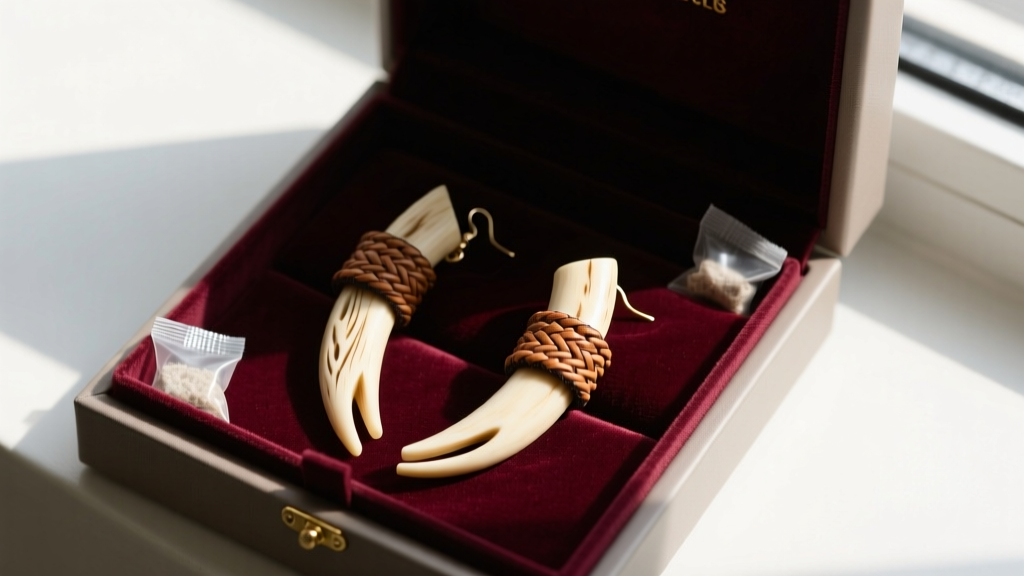
- Store each pair of earrings in its own individual flannel or anti-tarnish cloth pouch.
- Place a small 3M anti-tarnish strip inside the pouch to absorb airborne sulfur.
- Include a silica gel packet to control humidity, which is especially vital for preserving the structural integrity of bone and leather.
- Keep the jewelry box in a climate-controlled bedroom, never in a bathroom where shower steam creates a high-humidity environment.
Troubleshooting: The Green Ear and Snagged Cords
Even with meticulous care, wearing raw metals and organic materials presents unique challenges.
Preventing the "Green Ear" Effect
Because Rick Owens frequently uses brass and copper-heavy alloys, the natural acids and salts in your sweat can cause a harmless but unsightly green oxidation on your earlobes. To prevent this without altering the earring's finish, wipe the earring post and the back of the pendant with a cotton pad soaked in 70% isopropyl alcohol before each wear. This removes the acidic skin oils from previous wears. For those with highly reactive skin pH, applying a micro-thin layer of clear nail polish strictly to the earring post (the part that pierces the ear) creates a safe, invisible barrier.
Fixing Snagged Leather Cords
If the leather cord on a drop earring catches on clothing and begins to fray, do not pull the loose fibers. Use a pair of sharp, sterilized cuticle scissors to carefully trim the frayed edge at a 45-degree angle. Apply a minuscule dot of clear, flexible fabric glue to the cut end to seal it and prevent further unraveling, ensuring the brutalist silhouette of your Rick Owens earrings remains intact for years to come.


