Rose Gold Heart Earrings: 2026 Budget & Value Guide
Discover the true value of rose gold heart earrings in 2026. We break down pricing tiers, karat differences, and how to spot quality craftsmanship.

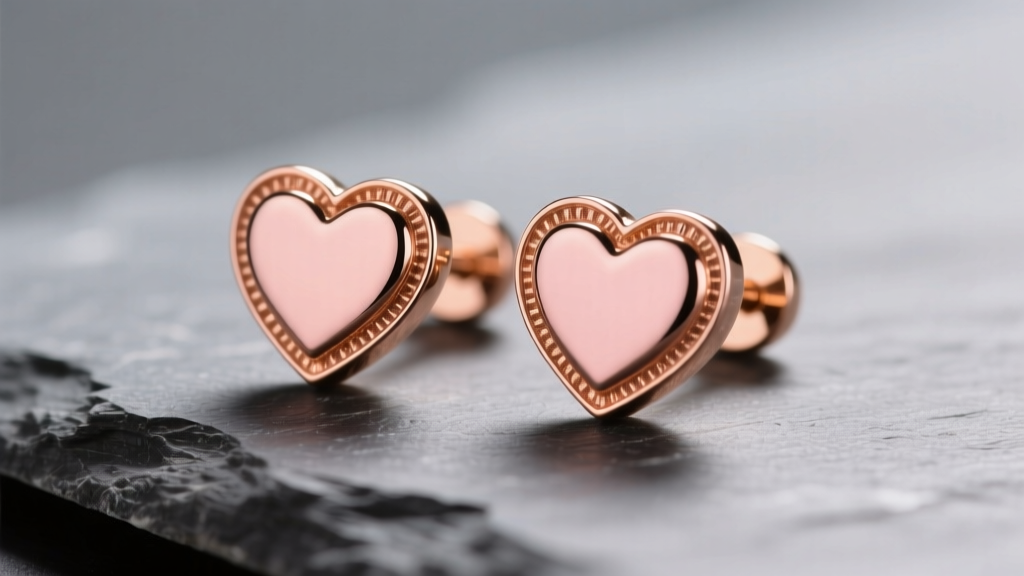
The True Cost of Romance: Assessing Value in Rose Gold Heart Earrings
When shopping for romantic, everyday jewelry, rose gold heart earrings remain a perennial favorite. However, the 2026 jewelry market is saturated with options ranging from $15 fast-fashion trinkets to $2,000 luxury designer pieces. As a consumer, how do you determine if you are paying for genuine metallurgical value or simply a brand markup? Assessing the true budget and value of these earrings requires looking past the aesthetic and understanding the alloy composition, manufacturing techniques, and structural integrity of the piece.
Rose gold is not a naturally occurring metal; it is an alloy. According to the Gemological Institute of America (GIA), the pinkish hue is achieved by mixing pure yellow gold with copper, and occasionally a small amount of silver. The copper content not only dictates the color but also significantly impacts the metal's durability, tarnish resistance, and overall value. In this comprehensive guide, we will break down the pricing tiers, material grades, and craftsmanship markers you need to make an informed, budget-conscious purchase.
Decoding the Alloy: Karat Weight and Copper Content
To evaluate value, you must first understand what you are actually buying. The karat (k) system measures the purity of the gold in the alloy. Because pure 24k gold is too soft for jewelry and lacks the copper required for the rose color, it is never used for these pieces. Here is how the most common karat weights break down in terms of composition and value:
- 10k Rose Gold (41.7% Gold): The minimum standard to be legally called 'gold' in the US. It contains a high copper content (up to 58.3%), giving it a deep, almost reddish-pink hue. It is highly durable and the most budget-friendly solid gold option, but it carries a higher risk of skin irritation for those with severe copper sensitivities.
- 14k Rose Gold (58.3% Gold): The industry sweet spot for fine jewelry. The alloy typically consists of 58.3% gold, 31% copper, and 10.7% silver. It offers an ideal balance of a warm pink luster, excellent structural hardness (ideal for earring posts), and long-term value retention.
- 18k Rose Gold (75% Gold): Composed of 75% gold, 22.25% copper, and 2.75% silver. It has a softer, more subtle peach-pink color and a higher intrinsic melt value. However, it is softer than 14k, making thin 18k heart earrings more prone to bending or scratching over time.
When assessing your budget, 14k rose gold offers the highest utility-to-cost ratio for everyday wear. You are paying for longevity without the steep premium of 18k designer markups.
2026 Market Pricing Tiers: What Should You Pay?
The price of rose gold heart earrings is dictated by the manufacturing method and the base materials. Below is a structured breakdown of the current market tiers to help you benchmark value.
| Material Category | Base / Composition | Expected Price Range | Longevity & Value |
|---|---|---|---|
| Flash Plated | Brass or Nickel base, <0.5 microns gold | $15 - $45 | Poor. Tarnishes quickly; high allergy risk. Zero resale value. |
| Gold Vermeil | Sterling Silver (925) base, min 2.5 microns 14k/18k gold | $60 - $150 | Good. Lasts 2-5 years with care. Safe for sensitive ears. |
| Gold-Filled | Jeweler's brass base, 1/20th weight solid gold layer | $40 - $90 | Very Good. Highly durable, but cannot be easily resized or repaired. |
| Solid 10k / 14k | Solid alloy throughout (No base metal) | $150 - $450 | Excellent. Lifetime durability, can be polished and repaired. |
| Solid 18k / Designer | Solid 18k alloy, often with diamond pave or brand premium | $600 - $2,500+ | Fair to Good. High intrinsic value, but heavy brand markup. |
If you are shopping on a strict budget under $100, high-quality vermeil is your best investment. The Federal Trade Commission (FTC) Jewelry Guides strictly regulate the use of the term 'vermeil,' ensuring the base is sterling silver and the gold plating is at least 2.5 microns thick. Avoid unregulated terms like 'gold dipped' or 'rose gold tone,' which offer no guarantees regarding base metals or plating thickness.
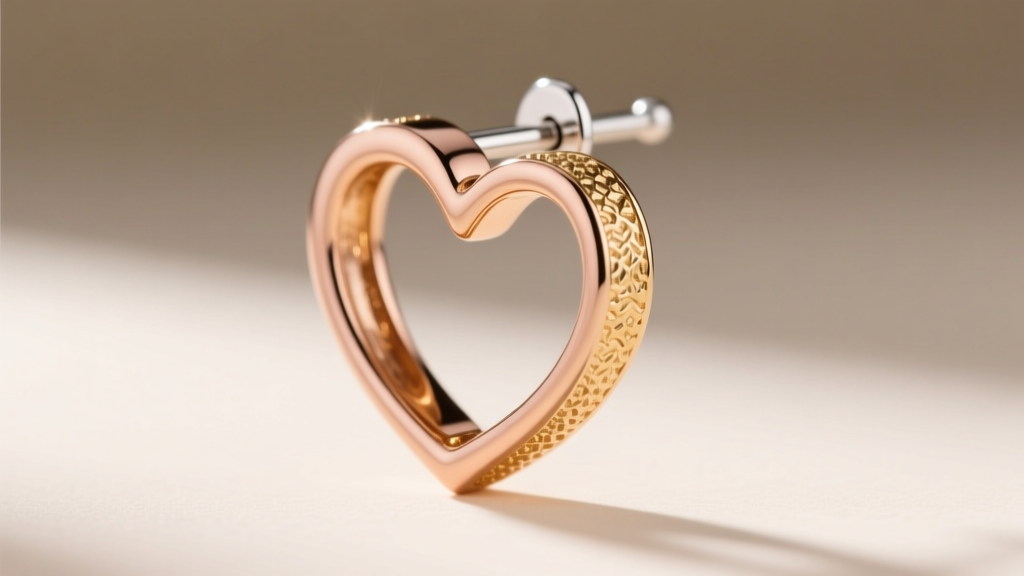
Structural Integrity: Posts, Gauges, and Solder Joints
A common failure point in budget earrings is the post and the solder joint connecting it to the heart face. When evaluating value, inspect the structural engineering of the piece.
Gauge Thickness
The standard gauge for lobe earrings is 20G (0.81mm) or 18G (1.02mm). If you are purchasing heart-shaped huggies or cartilage cuffs, you may encounter 16G (1.29mm). Budget manufacturers often use ultra-thin 22G (0.64mm) wire for the posts to save on gold weight. This results in posts that bend easily when inserting the earring or securing the friction back (butterfly clutch). Always verify the gauge; an 18G post is a hallmark of a manufacturer who prioritizes structural integrity over marginal gold savings.
Solder Quality
The post is attached to the back of the heart via a solder joint. In high-quality 14k rose gold earrings, the jeweler uses a karat-matched hard solder that melts at a high temperature, creating a seamless, durable bond. In mass-produced budget options, soft lead-based or low-karat solders are used. These joints are brittle and prone to snapping under minor torque. If you can see a thick, dull, or discolored blob of metal where the post meets the heart, it is a red flag for poor craftsmanship.
Durability and Tarnish: The Copper Factor
Unlike yellow or white gold, rose gold's high copper content makes it uniquely susceptible to oxidation. While pure gold does not tarnish, copper reacts with oxygen, moisture, and the acids in human sweat to form copper oxide, which appears as a dark patina.
This is not necessarily a sign of fake jewelry; in fact, a solid 10k or 14k rose gold heart earring will naturally darken over time if not maintained. This oxidation can actually be a useful diagnostic tool. If your 'rose gold' earrings turn your skin green or develop a flaky, powdery green residue (verdigris), they are likely brass or copper base metals with a microscopic flash plating that has worn away. Solid rose gold will simply lose its high-polish shine and develop a deeper, antique-like patina, which can be easily restored to a mirror finish with a professional jeweler's polishing cloth or a mild ultrasonic cleaning.
Craftsmanship Markers: Hollow vs. Solid Cast
The physical weight of the earring is a primary indicator of value. Many large, oversized heart earrings found in the $100–$300 range are 'hollow-cast' or die-struck from thin sheets of gold. While this keeps the price accessible and the earrings lightweight for the lobe, hollow pieces are incredibly fragile. A simple drop onto a hard surface can dent a hollow heart earring, and because there is no internal metal to support the structure, they are virtually impossible for a jeweler to repair.
Conversely, solid-cast earrings are poured into a mold as a single, dense piece of metal. They feel substantial in the hand, produce a dull 'clink' rather than a tinny rattle when tapped, and can withstand decades of daily wear. When budget allows, always opt for a smaller, solid-cast 14k heart stud over a massive, hollow-cast alternative. The value lies in the density and permanence of the metal, not just the surface area it covers.
Final Verdict: Framework for Budget Allocation
To maximize your budget when purchasing rose gold heart earrings in 2026, follow this decision framework:
- For Budgets Under $80: Prioritize heavy gold vermeil (sterling silver base, 2.5+ microns). Avoid brass bases entirely to prevent contact dermatitis.
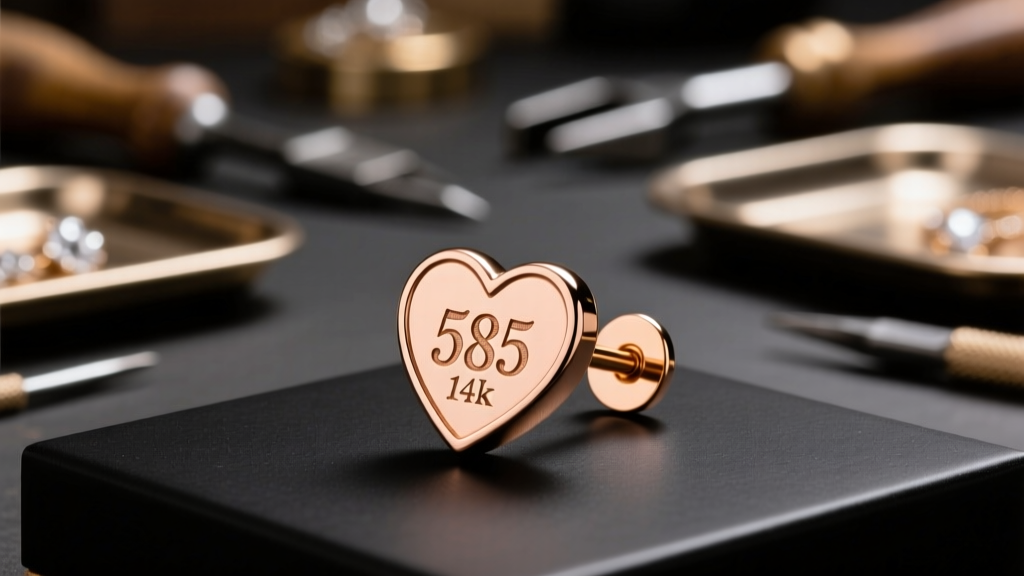
- For Budgets $150 - $350: Demand solid 14k rose gold. Verify the '585' or '14k' hallmark on the post, ensure the post is at least 18G thickness, and check for a clean, flush solder joint.
- For Budgets Over $500: You are entering the realm of 18k gold and designer markups. At this price point, evaluate the value based on the precision of the stone setting (if pave diamonds are included) and the brand's repair warranty, rather than just the raw melt weight of the gold.
By understanding the metallurgy, structural requirements, and market pricing of rose gold, you can confidently navigate the jewelry market and invest in pieces that offer genuine, lasting value.


