Rose Gold and Pearl Earrings: 2026 Budget & Value Guide
Discover the true value of rose gold and pearl earrings in 2026. Compare vermeil vs. solid gold, pearl grades, and price brackets to buy smart.

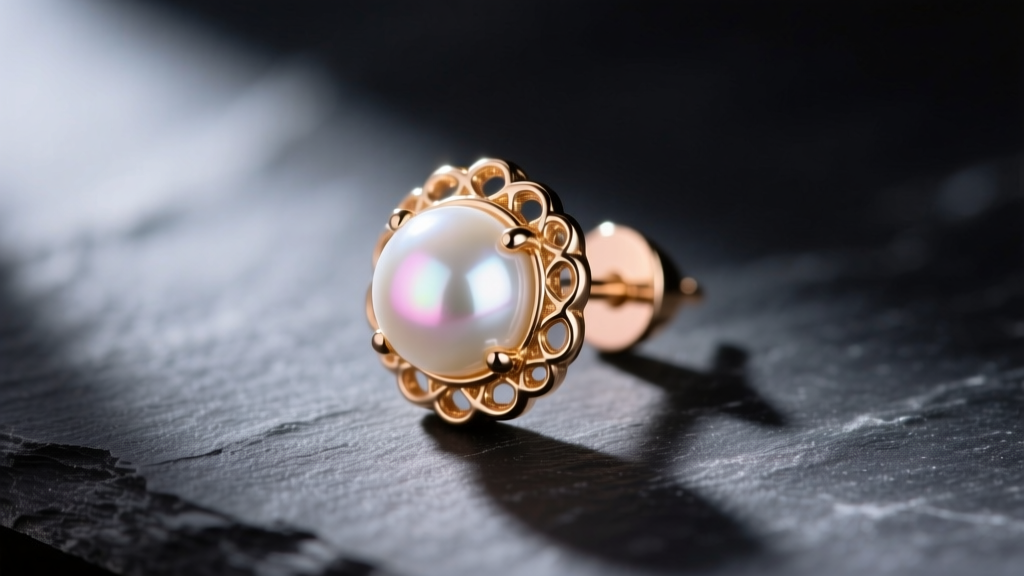
The Allure and Economics of Rose Gold and Pearl Earrings
The pairing of warm, copper-infused metals with the organic luster of nacre has cemented rose gold and pearl earrings as a staple in both everyday wardrobes and fine jewelry collections. However, as we navigate the 2026 jewelry market, the pricing landscape has shifted dramatically. Fluctuations in raw copper and gold markets, combined with evolving freshwater pearl farming techniques in China, have created a highly stratified market. For the discerning buyer, understanding the difference between a $45 fashion accessory and a $450 investment piece requires looking past the aesthetic and into the metallurgical and gemological realities. This guide provides a rigorous budget and value assessment, helping you determine exactly what you are paying for when shopping for rose gold and pearl earrings this year.
Material Breakdown: What Are You Actually Paying For?
To accurately assess value, we must deconstruct the two primary components of the earring: the metal alloy and the pearl itself. Marketing terms like 'rose gold dipped' or 'gem-quality' are often unregulated, making it crucial to understand the baseline standards of fine jewelry.
The Gold Factor: Plated vs. Vermeil vs. Solid 14K
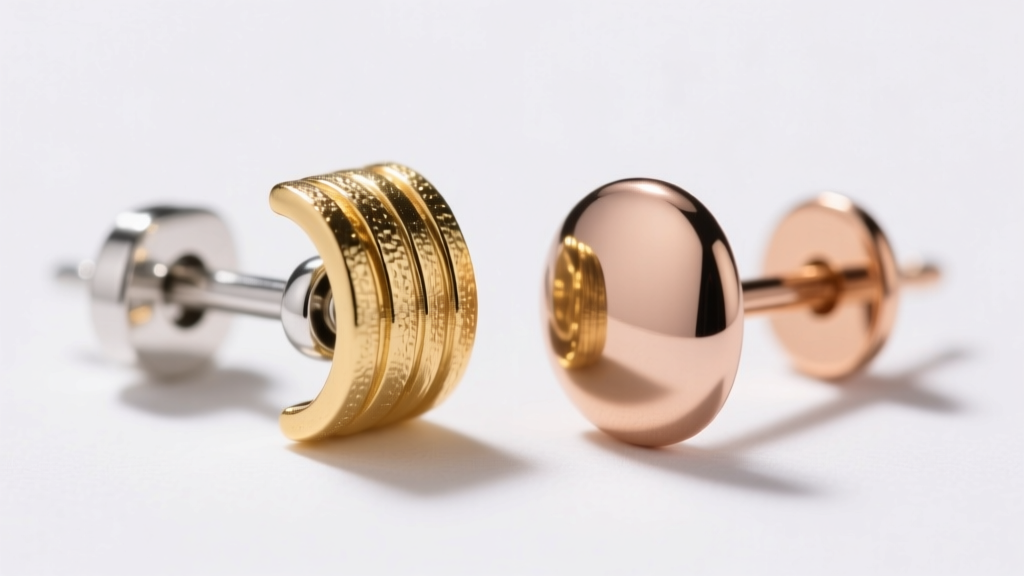
The term 'rose gold' refers to an alloy of pure yellow gold, copper, and a touch of silver or zinc. The copper is what provides the signature pinkish-red hue. According to Jewelers of America, the karatage dictates both the color depth and the durability of the metal.
- 18K Rose Gold (75% Gold): Richer in color but softer. It is highly valued in luxury markets but can be prone to scratching and bending if used for thin earring posts or heavy drop mechanisms.
- 14K Rose Gold (58.3% Gold): The sweet spot for value and durability. The higher copper and silver content (typically around 20.5% copper and 21.2% silver) increases tensile strength, making it ideal for securing heavy pearls and maintaining the structural integrity of earring posts.
- Gold Vermeil: A step above standard plating. By FTC guidelines, vermeil must consist of a sterling silver base coated with at least 2.5 microns of gold. While visually identical to solid gold upon purchase, vermeil earrings will eventually require re-plating, which impacts their long-term value proposition.
Pearl Grading: Freshwater vs. Akoya vs. Edison
The pearl market has undergone a revolution, fundamentally altering the budget landscape. When evaluating rose gold and pearl earrings, the origin and nucleation method of the pearl dictate its price.
- Traditional Freshwater Pearls: Tissue-nucleated, meaning they are solid nacre all the way through. They are incredibly durable and budget-friendly ($20–$80 per pair), though they often lack the perfect spherical shape and mirror-like luster of saltwater varieties.
- Akoya Pearls: Bead-nucleated in cold saltwater, Akoya pearls are prized for their sharp, mirror-like luster and perfectly round shapes. A pair of 7mm Akoya pearls set in solid 14K rose gold will typically command a premium, ranging from $250 to $600.
- Edison Freshwater Pearls: The ultimate value disruptor of the 2020s. These are bead-nucleated freshwater pearls grown in mussels, yielding large (11mm–15mm), highly lustrous, round pearls with exotic overtones. They offer the visual impact of South Sea pearls at a fraction of the cost, making them the smartest budget choice for statement drop earrings.
2026 Price Bracket Analysis
To help you benchmark your purchases, we have categorized the current market into three distinct value tiers. This table reflects average retail prices for a standard pair of stud or simple drop earrings in early 2026.
| Value Tier | Metal Composition | Pearl Type & Size | Expected Price Range | Best Use Case |
|---|---|---|---|---|
| Entry-Level | Rose Gold Plated (Brass Base) | Traditional Freshwater (6-8mm) | $25 - $60 | Trend-driven fashion, occasional wear |
| Mid-Tier (Best Value) | 14K Rose Gold Vermeil or Solid 10K/14K | Edison Freshwater (9-11mm) or Akoya (6mm) | $120 - $350 | Everyday luxury, office wear, gifting |
| Investment Grade | Solid 14K or 18K Rose Gold | High-Grade Akoya (7.5mm+) or South Sea | $500 - $1,500+ | Heirlooms, bridal, fine jewelry collections |
Hidden Costs and Failure Modes to Avoid
When assessing the budget and value of rose gold and pearl earrings, the initial purchase price is only half the equation. Cheap construction methods lead to rapid failure, effectively turning a 'budget' purchase into a waste of money. As noted in GIA's pearl quality factors, the way a pearl is mounted and treated heavily influences its longevity.
The 'Peg and Glue' Vulnerability
Many budget and mid-tier pearl studs utilize a 'peg and glue' setting, where a half-drilled pearl is affixed to a metal post using epoxy or cyanoacrylate adhesive. Over time, exposure to skin oils, cosmetics, and ambient heat degrades the glue. If you are buying rose gold and pearl earrings for daily wear, insist on a full-drill through-peg with a secure backing, or a bezel/cup setting that mechanically holds the pearl. If you must buy peg-and-glue, ensure the jeweler uses a high-strength, jewelry-grade two-part epoxy rather than cheap superglue.
Gauge Sizes and the 'Cheese-Cutter' Effect
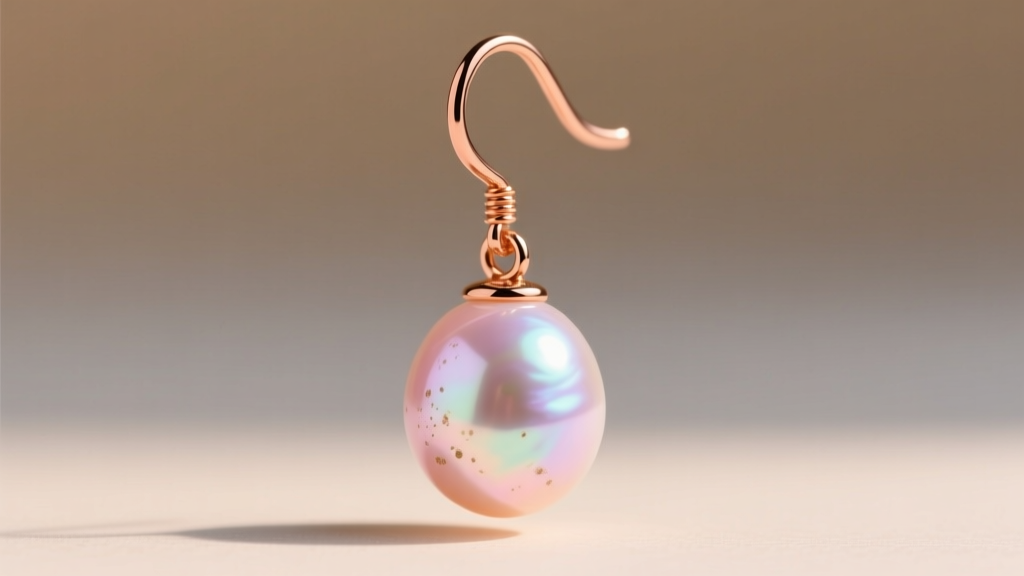
Pearls, particularly Edison and South Sea varieties, carry significant weight. Standard lobe piercings are typically 20-gauge (0.81mm). Hanging a 12mm solid-nacre pearl on a thin 20G rose gold wire creates a 'cheese-cutter' effect, where the thin metal slowly slices through the earlobe tissue due to gravity and movement. For any pearl drop earring exceeding 8 grams, ensure the rose gold wire or post is at least 18-gauge (1.02mm) or 16-gauge (1.29mm) to distribute the weight safely and preserve your piercing.
Copper Oxidation and Skin pH
Because rose gold relies heavily on copper for its color, lower-karat alloys (like 10K) or poorly balanced 14K alloys can react with acidic skin pH. This galvanic reaction leaves a harmless but unsightly green or black smudge on the earlobe. To avoid this hidden cost of maintenance and cleaning, verify that the rose gold alloy includes a sufficient silver or zinc buffer, or opt for 18K rose gold if you have highly reactive skin, despite the higher upfront cost.
The Verdict: How to Maximize Your Investment
Evaluating the budget and value of rose gold and pearl earrings in 2026 comes down to aligning your expectations with material realities. If your budget is under $100, prioritize traditional freshwater pearls on rose gold vermeil, accepting that the metal may eventually require re-plating. If your budget allows for the $150 to $400 range, the undisputed champions of value are bead-nucleated Edison freshwater pearls set in solid 14K rose gold. This combination provides the massive size and rich luster of luxury saltwater pearls, paired with a metal alloy that offers lifelong durability and structural integrity. By scrutinizing the alloy composition, pearl nucleation, and mounting mechanics, you can confidently navigate the market and secure pieces that offer true, lasting value.


