How to Get Rotara Earrings Anime Vanguards: 2026 IRL Guide
Discover how to get Rotara earrings Anime Vanguards style in real life. Explore cosplay-safe materials, gauge sizes, and 2026 anime jewelry trends.

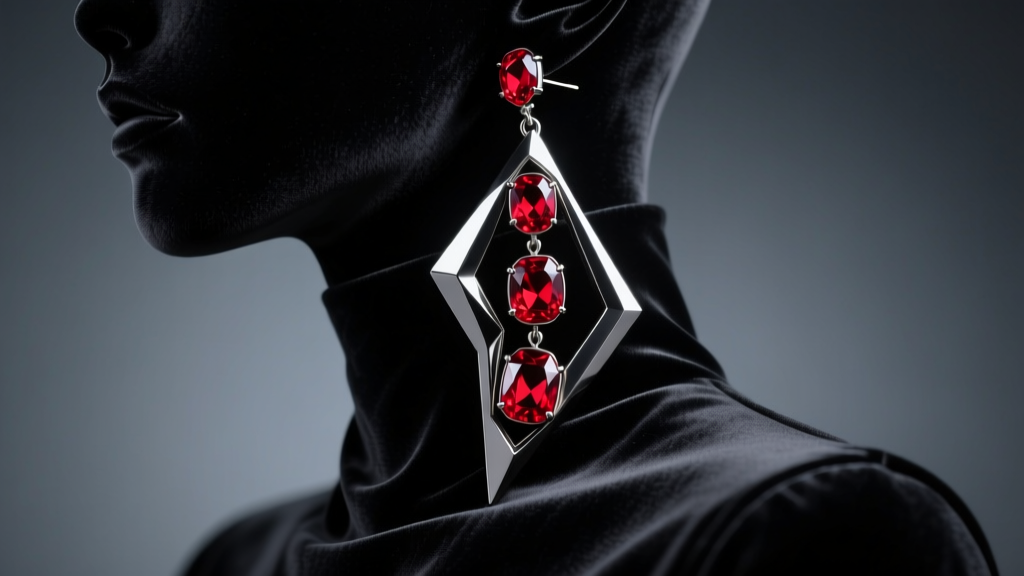
The intersection of virtual gaming rewards and real-world fashion has never been more pronounced than in the current anime-core jewelry movement. Many fans searching for how to get rotara earrings anime vanguards are initially looking for the elusive in-game cosmetic drop to complete their digital avatar's loadout. However, a massive subculture of cosplayers and streetwear enthusiasts are now focused on translating that striking, dark-fantasy virtual aesthetic into tangible, skin-safe physical jewelry.
The 'Rotara' aesthetic—characterized by asymmetric geometries, darkened metals, and crimson or deep violet gemstone accents—has transcended the screen. But bringing this iconic anime villain-rival style into your real-world jewelry box requires navigating a minefield of cheap cosplay alloys, improper gauge sizing, and structural failures. In this 2026 style and trend analysis, we bridge the gap between virtual farming and physical sourcing, providing a masterclass in material science, piercing physics, and convention-safe styling.
Deconstructing the Rotara Aesthetic: Virtual vs. Physical
In Anime Vanguards, the Rotara earrings are prized for their aggressive, jagged silhouettes and dark-magic visual effects. Translating this into IRL (in real life) jewelry means relying on specific metalworking techniques that mimic digital rendering. The hallmark of this style is the use of blackened metals contrasted with high-refraction stones.
"The challenge with anime-inspired jewelry is that digital assets don't have weight or friction. A jagged, oversized earring that looks incredible on a 3D model can easily tear a standard lobe piercing if the physical weight distribution isn't engineered correctly." — 2026 Cosplay Jewelry Engineering Report
To achieve the dark, gunmetal or obsidian finish seen in the game, high-end replica jewelers use PVD (Physical Vapor Deposition) coating over an implant-grade titanium base. PVD involves vaporizing titanium nitride in a vacuum chamber, bonding it to the jewelry at a molecular level. This creates a scratch-resistant, hypoallergenic black finish that will not flake off into your piercing tract, unlike cheap electroplated 'goth' jewelry found in mall kiosks.
The Material Science: Surviving the Convention Floor
When you spend 12 hours on a crowded convention floor, your body temperature rises, and sweat accumulates around your piercings. This is where the material grade of your anime earrings becomes a matter of medical necessity, not just fashion.
ASTM F136 vs. Commercial Alloys
The Association of Professional Piercers (APP) strictly recommends ASTM F136 implant-grade titanium for any jewelry worn in unhealed or stressed piercings. Commercial 'surgical steel' (often 316L) contains 8-10% nickel. Under the friction and acidity of convention sweat, nickel ions leach into the skin, triggering contact dermatitis—a disaster for any cosplayer trying to maintain their look through a weekend event.
According to the International Titanium Association, Ti-6Al-4V (the specific alloy used in ASTM F136) is entirely biocompatible and non-magnetic, making it the only safe base metal for heavy, elaborate anime ear cuffs and dangles that rest against the skin for prolonged periods.
Gauge Sizing and the 'Cheese-Cutter' Effect
The Rotara aesthetic relies on dramatic, elongated dangles and heavy geometric drops. If you attempt to hang a 15-gram anime-style drop earring from a standard 20-gauge (0.81mm) fishhook wire, you will experience the 'cheese-cutter effect.' The thin wire acts like a blade, slowly migrating through your earlobe tissue due to the concentrated gravitational pull.
Proper Sizing for Heavy Anime Drops
- 16-Gauge (1.2mm): The minimum acceptable thickness for statement anime dangles. Best for standard lobe piercings using a flat-back labret or a sturdy French wire.
- 14-Gauge (1.6mm): Ideal for heavy, asymmetric Rotara-style drops. Requires a slightly stretched lobe or a professionally pierced 14g hole, but guarantees zero tissue migration.
- 12-Gauge (2.0mm) to 10-Gauge (2.5mm): Used for extreme, oversized cyberpunk/anime ear weights. Must be worn only in intentionally stretched lobes.
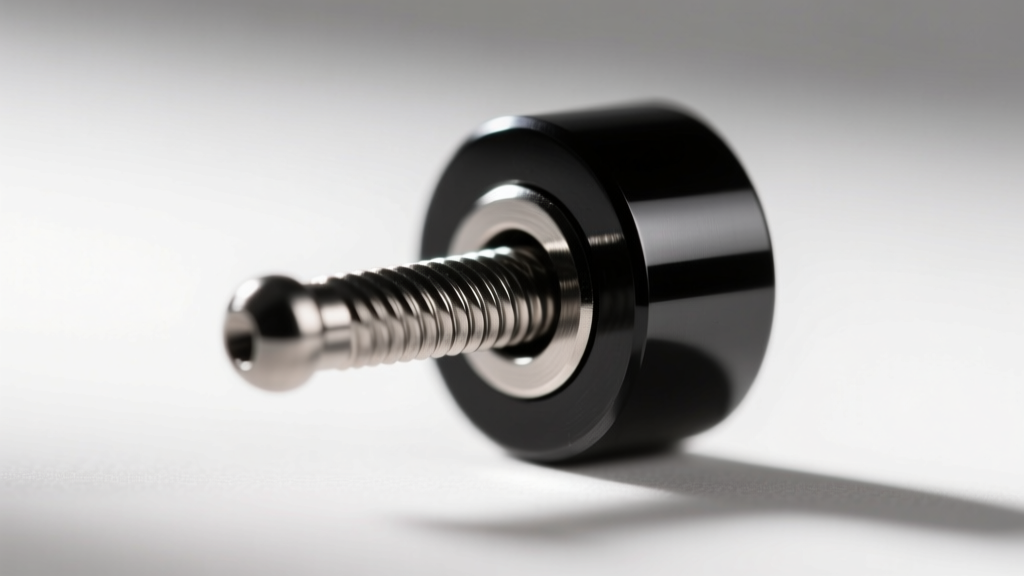
For the ultimate security at conventions, swap traditional butterfly backs for internally threaded flat-back labrets. These sit flush against the back of the ear, preventing the heavy anime charms from pulling the earlobe backward and snagging on elaborate cosplay wigs or high-collared jackets.
Sourcing Guide: Where to Buy IRL Replicas
Because 'Rotara' is a niche digital asset, you won't find these specific designs at mainstream jewelers. The 2026 market for anime-core jewelry is segmented into three distinct tiers. Here is how they compare in terms of safety, accuracy, and price.
| Sourcing Tier | Base Material | Coating / Finish | Price Range | Convention Safety |
|---|---|---|---|---|
| Mass-Market Dropship (AliExpress/Temu) | Zinc Alloy / Brass | Electroplated Black Nickel | $8 - $18 | Very Low (High allergy risk, heavy weight) |
| Etsy Custom Artisans | 316L Surgical Steel | PVD Gunmetal | $35 - $65 | Moderate (Safe for healed lobes, brief wear) |
| Pro Body Jewelers (Specialty Anime Lines) | ASTM F136 Titanium | PVD Titanium Nitride (Obsidian) | $85 - $160+ | Maximum (12+ hour wear, zero leaching) |
Pro-Tip for Sourcing: When searching Etsy or Instagram for custom anime jewelers, look for the keywords "internally threaded," "ASTM F136," and "PVD coated." If a seller uses the term "surgical steel" for a heavy, dark anime piece, proceed with caution, as the nickel content will react with the dark dyes and your skin's pH.
Ear Cuffs vs. Pierced Cartilage: Tension & Necrosis
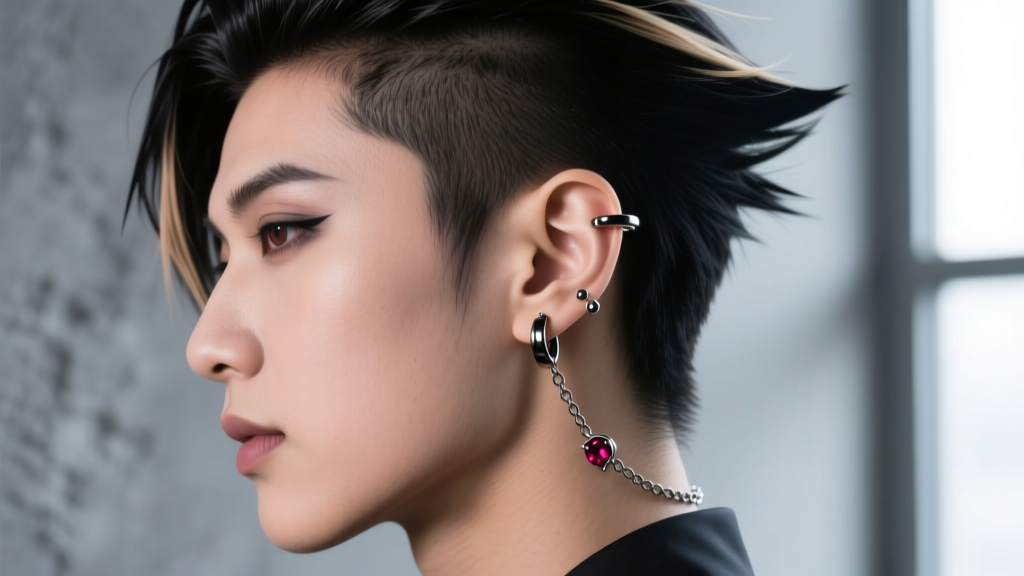
A major component of the Anime Vanguards aesthetic is the illusion of full-ear armor, often achieved via ear cuffs that wrap around the helix and conch. While virtual ear cuffs float effortlessly, physical tension cuffs rely on metal memory and mechanical pressure to stay attached to the unpierced ear.
The Danger of Cheap Tension Cuffs
Cheap cosplay ear cuffs are often made from rigid, unyielding alloys. To keep them from falling off during a photoshoot, cosplayers squeeze them tightly onto the helix cartilage. After 3-4 hours, this constant pressure restricts blood flow to the outer ear, leading to pressure necrosis (tissue death) and severe cartilage bruising.
The 2026 Solution: Chain-Linked Anchors
Instead of relying on a tight, unpierced cuff, modern anime jewelry designers use chain-linked anchor systems. A secure, 16-gauge flat-back labret is placed in the helix piercing, and a delicate, PVD-blackened chain connects it to a secondary lobe stud or a very loose, decorative mid-ear cuff. This creates the illusion of a complex, armor-like ear piece without placing any structural tension on the delicate upper cartilage.
Final Verdict: Elevating Your Anime Wardrobe
Figuring out how to get the Rotara look from Anime Vanguards into your physical jewelry collection is an exercise in prioritizing material science over fast-fashion aesthetics. The aggressive, dark-fantasy silhouettes of anime-core jewelry demand high-grade titanium, precise gauge engineering, and advanced PVD coating techniques to be worn safely.
As we move through 2026, the line between digital avatar customization and real-world streetwear will only continue to blur. By investing in ASTM F136 titanium replicas and respecting the physics of your piercings, you can channel the power of your favorite virtual vanguards without sacrificing the health of your ears. Whether you are heading to a weekend convention or integrating subtle anime-core elements into your daily goth-tech wardrobe, always let the quality of the metal dictate the boldness of the design.


