Rubber Earrings Value Guide: Are They Worth Buying?
Discover if rubber earrings are worth your money. We assess material safety, stretching risks, pricing, and durability for budget-conscious buyers.

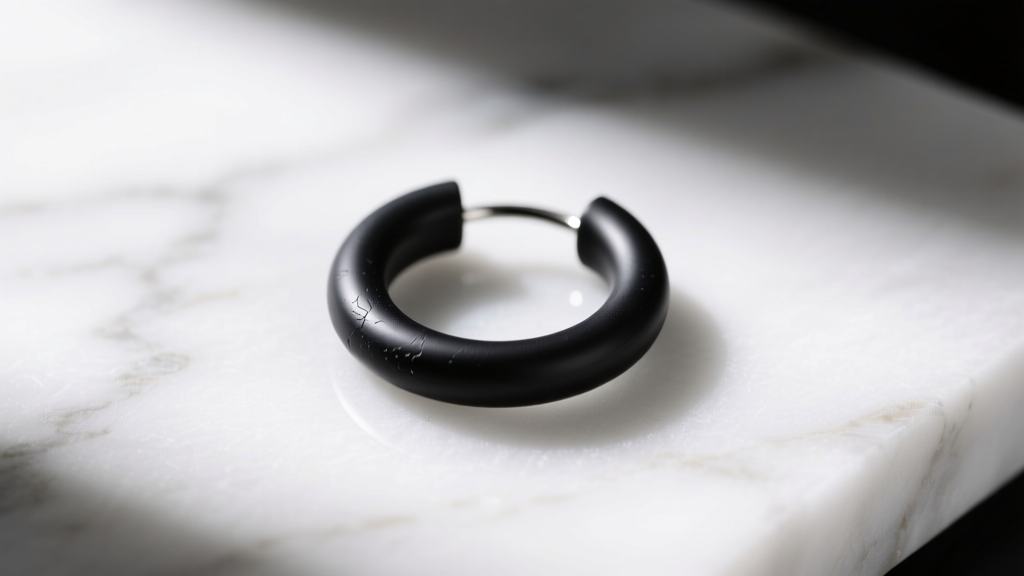
When navigating the budget jewelry market, the term 'rubber earrings' frequently pops up as an ultra-affordable alternative to metals, glass, or acrylics. Priced anywhere from $2 to $15 a pair, they seem like an incredible bargain for sports enthusiasts, individuals with metal allergies, or those maintaining stretched earlobes. However, as of 2026, the mass-market jewelry industry has heavily blurred the lines between true vulcanized rubber, synthetic elastomers, and medical-grade silicone.
Are rubber earrings actually a good value, or are you paying for a fast-fashion liability that compromises your skin health? In this comprehensive budget and value assessment, we break down the material science, biocompatibility, gauge dynamics, and true cost-per-wear of rubber-based ear jewelry to help you make an informed financial and health-conscious decision.
The Material Reality: Rubber vs. Silicone vs. Elastomers
To assess value, we must first define what you are actually buying. True natural rubber (latex) is rarely used in modern ear jewelry due to severe allergen risks and rapid degradation. When retailers advertise 'rubber earrings,' they are typically selling one of three materials:
- Natural Latex: Derived from rubber trees. Highly elastic but contains proteins that trigger severe contact dermatitis. Value verdict: Avoid entirely.
- Synthetic Elastomers (Nitrile/EPDM): Petroleum-based rubbers often used for cheap O-rings. They are stiff, porous, and can leach plasticizers over time. Value verdict: Poor for long-term wear.
- Platinum-Cured Silicone: The gold standard for flexible body jewelry. It is inert, hypoallergenic, and autoclavable. Value verdict: Excellent, provided you verify the curing process.
According to the Association of Professional Piercers (APP), only implant-grade silicone (which is platinum-cured) is considered safe for long-term wear in healed piercings. Tin-cured silicones, often found in ultra-cheap bulk packs, shrink over time and release toxic byproducts. Therefore, the 'value' of a rubber earring is entirely dependent on its chemical curing agent.
Budget Breakdown: What Should You Actually Pay?
Price is the primary driver for buyers seeking rubber earrings, but the initial price tag does not reflect the total cost of ownership. Below is a market assessment of current pricing tiers and their corresponding lifespans.
| Material Category | Avg. Price Range | Expected Lifespan | Biocompatibility | Cost-Per-Wear Value |
|---|---|---|---|---|
| Bulk Latex/Elastomer O-Rings | $1.50 - $4.00 | 1 - 3 Months | Poor (High Allergy Risk) | Low (Frequent Replacement) |
| Tin-Cured Silicone Stretches | $5.00 - $9.00 | 4 - 6 Months | Moderate (May Degrade) | Moderate |
| Platinum-Cured Silicone | $12.00 - $22.00 | 1 - 3 Years | Excellent (Inert) | High (Durable & Safe) |
| Medical-Grade Fluoroelastomer | $25.00 - $40.00 | 3+ Years | Superior (Chemical Resistant) | Premium (Niche Use) |
While a $3 pack of synthetic rubber O-rings seems like a steal, the material degrades rapidly when exposed to the natural oils (sebum) and slightly acidic pH of human skin. Conversely, a $15 pair of verified platinum-cured silicone ear skins offers a vastly superior return on investment, maintaining its structural integrity and color for years.
Safety & Biocompatibility: The Hidden Cost of Cheap Earrings
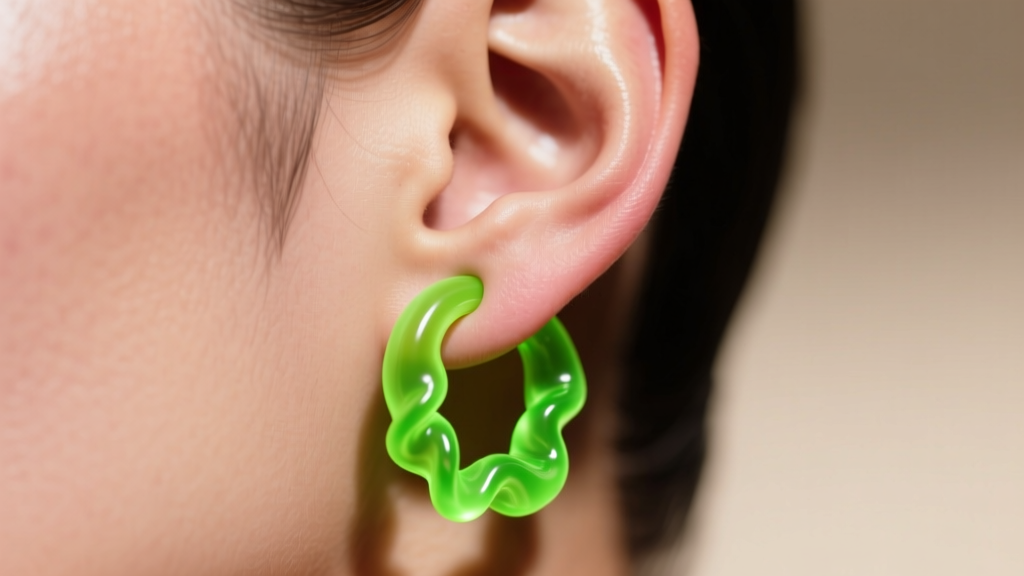
The most significant hidden cost of budget rubber earrings is the potential for adverse dermatological reactions. The American Academy of Dermatology frequently treats contact dermatitis caused by cheap jewelry, and rubber-based accessories are common culprits.
The Phthalate and Sulfur Problem
Cheap synthetic rubbers are often softened using phthalates and vulcanized using sulfur compounds. When these earrings sit against the warm, moist environment of a piercing fistula (the skin tunnel), microscopic sweat and sebum break down the material's surface. This causes chemical leaching, resulting in:
- Hyperpigmentation of the earlobe tissue.
- Chronic weeping or crusting inside the piercing channel.
- Foul odors (often described as 'ear cheese') exacerbated by the porous nature of degrading rubber.
If you are buying rubber earrings for sensory reasons or sports safety, spending an extra $10 for certified medical-grade silicone is a non-negotiable investment in your dermatological health.
Gauge Sizing and Stretching Dynamics
Rubber and silicone earrings are heavily marketed to the body modification community for ear stretching. However, using these materials incorrectly is a leading cause of tissue blowouts. Understanding the friction coefficient of rubber is vital for assessing its functional value.
The 'Grip' Factor and Blowout Risks
Unlike glass or implant-grade steel, rubber has a high coefficient of friction. It 'grips' the skin. If you attempt to use a rubber O-ring or silicone taper to actively stretch an earlobe from, say, 8g (3.2mm) to 6g (4.0mm), the material will drag and micro-tear the delicate fistula tissue rather than gliding through it.
Expert Rule of Thumb: Rubber and silicone earrings should never be used for active stretching. They are strictly for maintaining already healed stretches. Use PTFE (Teflon) tape or glass plugs for the actual stretching process, then insert silicone only once the tissue has fully settled.
Furthermore, rubber O-rings used as retainers on the back of heavy stone or wood plugs can snap under tension. For gauges larger than 0g (8.0mm), the tensile strength of budget rubber is insufficient to hold heavy jewelry securely, increasing the risk of losing expensive plugs in public.
Durability & Failure Modes: When to Retire Them
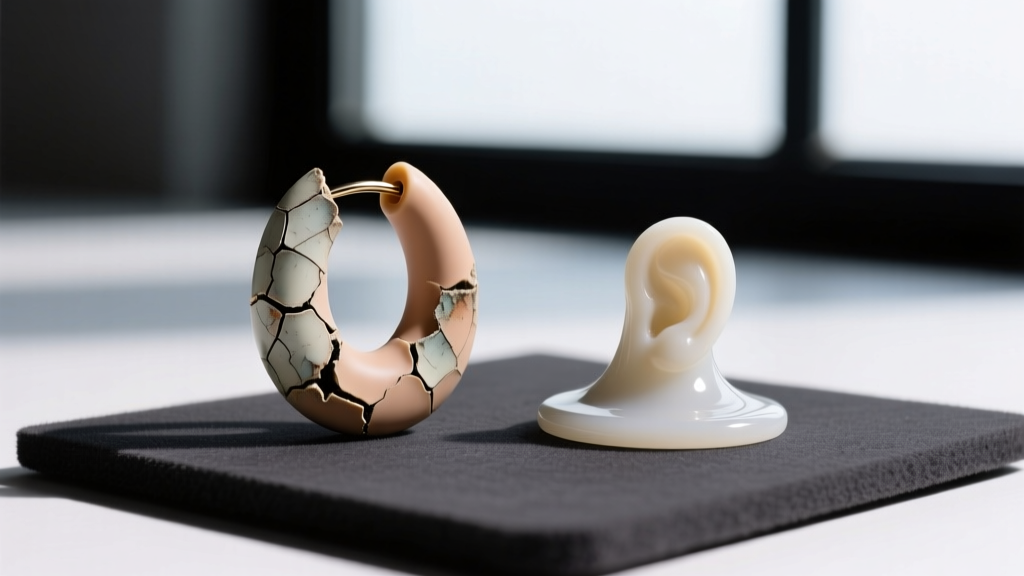
Every material has a failure mode. To accurately assess the budget value of rubber earrings, you must know how they die. Here are the primary degradation pathways for flexible ear jewelry:
- Sebum Absorption & Swelling: Lower-grade elastomers are micro-porous. Over 6 to 8 months, they absorb dead skin cells and oils, causing the earring to physically swell. A 00g (10mm) silicone plug can expand to 11mm, causing painful pressure necrosis in the earlobe.
- UV Degradation: Clear or lightly pigmented rubber earrings will yellow and become brittle when exposed to prolonged ultraviolet sunlight. If you live in a high-sun climate, expect clear elastomer earrings to lose their aesthetic value within 90 days.
- Tensile Snapping: Thin rubber huggies or clip-ons rely on tension to stay on the ear. Repeated bending compromises the polymer chains, leading to sudden snapping.
Maintenance Protocol for Maximum Value
To extend the lifespan of high-quality silicone earrings, you must remove them weekly and wash them with warm water and an unscented, glycerin-based antibacterial soap. Never use rubbing alcohol or harsh chemical cleaners, as these strip the material of its moisture and accelerate micro-cracking.
Final Verdict: Assessing the True Value
So, are rubber earrings worth your hard-earned money? The answer depends entirely on your material literacy.
If you are purchasing unverified, ultra-cheap 'rubber' O-rings from bulk marketplace sellers to save a few dollars, the value is exceptionally poor. The hidden costs of allergic reactions, tissue irritation, and rapid material degradation far outweigh the initial savings. However, if you reframe your search toward platinum-cured medical-grade silicone, the value proposition shifts dramatically. At $12 to $25 a pair, high-grade silicone offers unparalleled comfort for athletes, absolute safety for metal-allergy sufferers, and a reliable, lightweight option for maintaining healed stretched lobes.
Ultimately, true budget value in body jewelry is not about finding the lowest price tag; it is about finding the safest material that minimizes long-term biological and financial costs. Invest in certified silicone, respect the material's friction limits, and your flexible earrings will serve you safely for years to come.


