Material Guide to Cute Halloween Earrings: Safe & Spooky
Discover the best hypoallergenic materials for cute halloween earrings. Compare titanium, niobium, and enamel to avoid nickel allergies this spooky season.

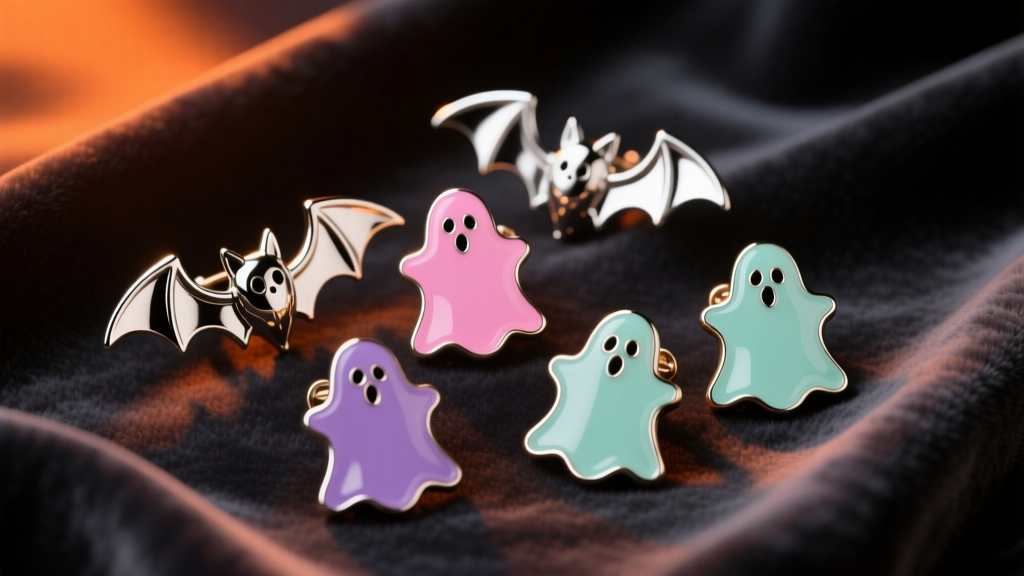
When October rolls around, the hunt for the perfect costume accessory begins. While finding cute halloween earrings shaped like ghosts, bats, and pumpkins is easier than ever, the vast majority of these seasonal pieces are manufactured from cheap, unregulated base metals. For jewelry enthusiasts and those with sensitive skin, this presents a major problem: contact dermatitis, green skin, and infected piercings. In 2026, the demand for high-quality, hypoallergenic seasonal jewelry has surged, pushing independent jewelers to create spooky designs using premium materials. This guide breaks down the metallurgy, structural integrity, and material properties you need to know to safely wear your favorite Halloween motifs.
The Allergy Trap: Why Cheap Novelty Jewelry Fails
Most mass-produced novelty earrings are cast from Zamak, a zinc alloy containing aluminum, magnesium, and copper. While Zamak is cheap to cast and holds intricate details well (perfect for tiny skull or spiderweb motifs), it is highly porous. To make it look appealing, manufacturers plate it with a microscopic layer of silver or gold-tone paint. Within hours of contact with the skin's natural oils and sweat, this plating degrades, exposing the underlying alloy.
The primary culprit for allergic reactions is nickel sulfate, often used in the flash-plating process or present as an impurity in the zinc alloy. According to the Mayo Clinic, nickel allergy affects up to 36% of women, causing severe itching, redness, and blistering. Furthermore, cheap seasonal jewelry frequently contains trace amounts of cadmium and lead, which pose long-term health risks. If you want to wear seasonal styles safely, you must look past the novelty shape and scrutinize the base metal.
Material Comparison Chart: Base Metals for Seasonal Wear
Not all metals are created equal. Below is a comparative breakdown of the most common materials used in seasonal jewelry, ranging from dangerous costume metals to premium implant-grade options.
| Material | Nickel Content | Weight Profile | Price Range | Best For |
|---|---|---|---|---|
| Zamak (Zinc Alloy) | High / Unregulated | Heavy | $5 - $15 | Clip-ons only (avoid piercings) |
| 316L Surgical Steel | 8% - 10.5% | Medium | $15 - $30 | Healed lobes, short-term wear |
| ASTM F136 Titanium | 0% | Ultra-Light | $35 - $80 | Large dangles, fresh piercings |
| Niobium | 0% | Medium | $25 - $60 | Anodized colors, huggies |
| 14k Solid Gold | Trace (if alloyed) | Medium | $150+ | Heirloom seasonal studs |
For the ultimate combination of safety and comfort, ASTM F136 implant-grade titanium is the gold standard. The Association of Professional Piercers (APP) recommends this specific titanium alloy (Ti-6Al-4V ELI) because it is entirely nickel-free and biocompatible. Crucially, titanium is 45% lighter than surgical steel, making it the ideal base for large, heavy Halloween dangle earrings like oversized acrylic ghosts or intricate metal spiderwebs that would otherwise stretch your earlobes.
Enamel vs. Epoxy Resin: Achieving Vibrant Spooky Colors
Halloween jewelry relies heavily on vibrant oranges, deep purples, and slime greens. How these colors are applied to the metal base drastically affects both the safety and longevity of the piece.
Vitreous Enamel (Cloisonné)
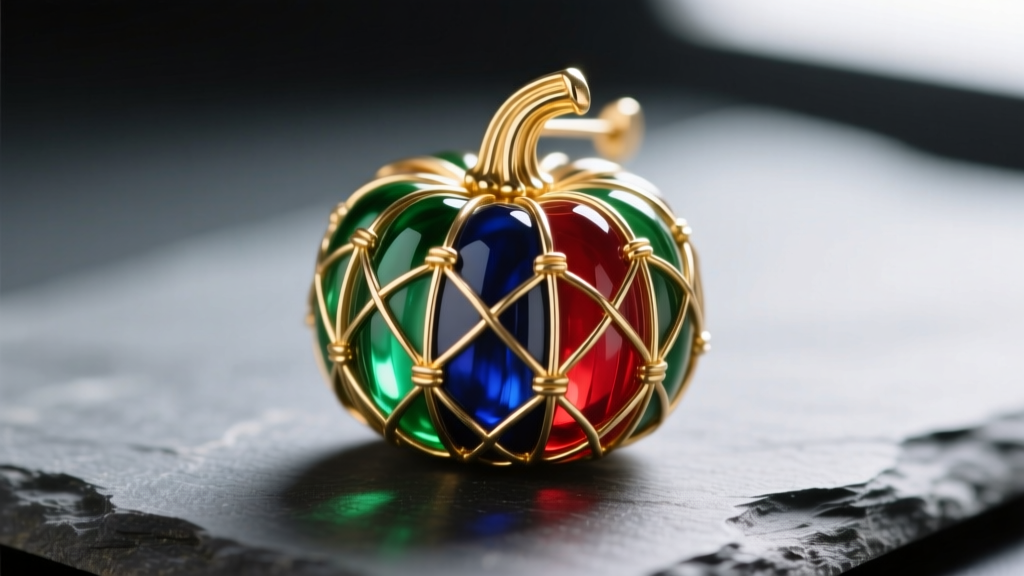
High-end cute halloween earrings utilize vitreous enamel, a technique where finely ground glass powder is kiln-fired at over 1,400°F onto a solid gold or titanium base. The result is a durable, scratch-resistant, and entirely hypoallergenic glass surface. Vitreous enamel will not degrade against skin acids, making it perfect for intricate pumpkin or witch-hat studs meant to be worn for decades.
Cold Enamel (Epoxy Resin)
Mid-tier jewelers often use "cold enamel," which is actually a two-part epoxy resin tinted with pigments. While safer than cheap painted alloys, epoxy resin is prone to yellowing when exposed to UV light and can chip if dropped on a hard surface. Furthermore, uncured or low-quality resins can contain BPA or phthalates, which may cause localized skin irritation on the earlobe.
Anodized Niobium: The Secret to Dye-Free Black and Purple
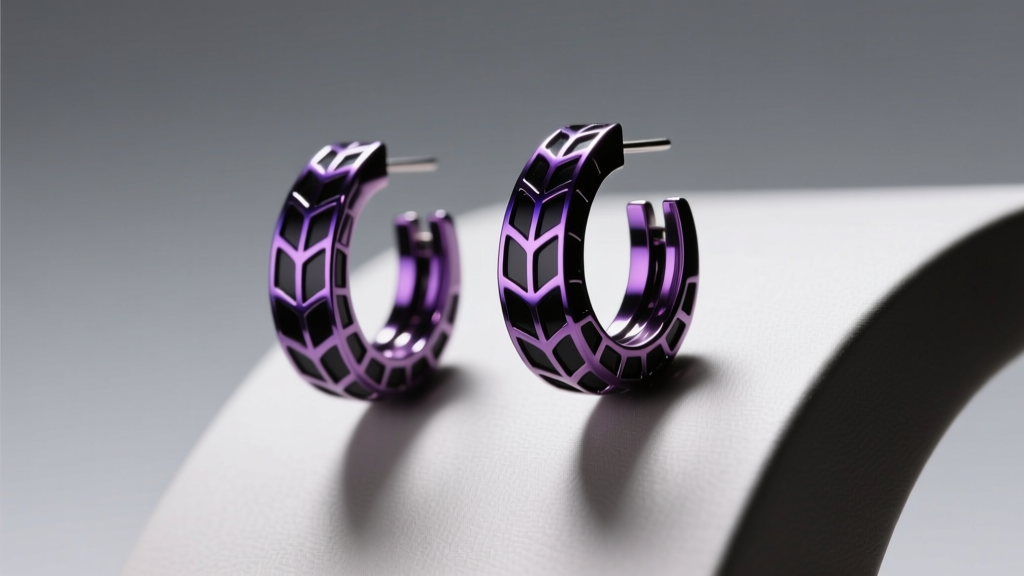
If you want deeply saturated Halloween colors without relying on toxic dyes or fragile resins, niobium is a miracle metal. Niobium is a highly reactive, hypoallergenic elemental metal that changes color when exposed to an electrical current in an electrolytic bath—a process called anodizing.
- 90 Volts: Produces a deep, vibrant purple (perfect for witchy motifs).
- 15 Volts: Yields a rich copper/gold tone (great for autumn leaves and pumpkins).
- Heat Treated: Creates a permanent, matte black finish (ideal for bats, ravens, and spiderwebs).
Because the color is created by altering the thickness of the metal's natural oxide layer, there is no paint or plating to chip off. An anodized black niobium bat huggie will remain perfectly intact through years of seasonal wear.
Structural Integrity: Gauge Sizes and Weight Distribution
A common failure mode in novelty earrings is the "cheese-wire effect." This occurs when a heavy dangle earring is attached to an overly thin wire post, which then slices through the earlobe tissue under the weight of the jewelry.
Mass-produced Halloween earrings typically use 22-gauge (0.64mm) wire to save on metal costs. If you are wearing a heavy acrylic ghost or a gemstone-encrusted skull, a 22g post will cause immediate lobe pain and long-term tissue thinning. When shopping for premium seasonal dangles, always check the wire thickness:
- 20-Gauge (0.81mm): Acceptable for lightweight studs and small hoops.
- 18-Gauge (1.02mm): The minimum safe thickness for medium-weight dangles.
- 16-Gauge (1.29mm): Required for heavy, oversized statement pieces to distribute weight safely across the fistula.
Expert Hacks for Safely Wearing Acrylic Novelty Pieces
Sometimes, the most unique and cute halloween earrings are crafted by independent artists using laser-cut PMMA (polymethyl methacrylate) acrylic. Acrylic itself is generally safe and lightweight, but the issue lies in the hardware. Many acrylic artists glue standard steel posts directly onto the plastic, which inevitably snap off or cause allergic reactions.
Pro-Tip: If you purchase acrylic novelty earrings with questionable metal posts, do not wear them directly in your piercings. Instead, use a titanium post converter or thread a silicone O-ring over the back of a high-quality titanium flat-back labret, sandwiching the acrylic piece securely against a hypoallergenic barrier.
By understanding the metallurgy and structural requirements of seasonal jewelry, you can curate a collection of spooky, high-quality pieces that look spectacular and keep your piercings perfectly healthy. Always prioritize ASTM F136 titanium, pure niobium, and vitreous enamel over flash-plated Zamak, ensuring your Halloween style is as safe as it is striking.


