Malcolm Todd Earrings: 2026 Material & Durability Guide
Explore the metallurgical properties of Malcolm Todd earrings in our 2026 guide. Compare titanium, niobium, and brass for durability and skin safety.

The Metallurgy of Artisan Mixed-Media: Why Material Matters
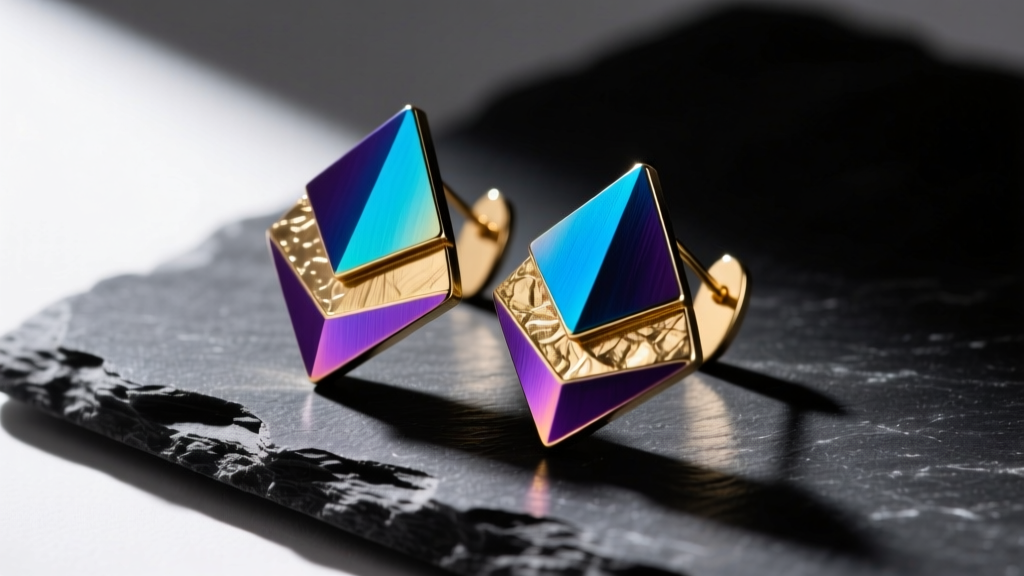
When evaluating independent, mixed-media jewelry in 2026, structural longevity and dermatological safety are dictated entirely by elemental composition. The widespread appeal of Malcolm Todd earrings stems from a deliberate departure from mass-produced, nickel-laden alloys, favoring instead a brutalist, mixed-metal aesthetic that prioritizes intentional material selection. However, combining disparate metals in a single wearable piece introduces complex metallurgical variables. Understanding the Vickers hardness, oxidation rates, and biocompatibility of these components is essential for both collectors and individuals with reactive skin. This guide deconstructs the specific material properties that define this aesthetic, offering a data-driven look at how these pieces perform over years of continuous wear.
Core Metals: A Deep Dive into Elemental Properties
The foundation of any high-quality artisan earring lies in the separation of the structural wire (the part that passes through the fistula) and the decorative body (the visual focal point). By utilizing different metals for these two functions, designers optimize both biological safety and artistic expression.
Implant-Grade Titanium (ASTM F136)
For the ear wires and posts, the industry standard for biocompatibility is ASTM F136 compliant titanium, specifically Ti-6Al-4V ELI (Extra Low Interstitial). Unlike commercially pure Grade 2 titanium, the ELI variant contains reduced oxygen levels, granting it superior ductility and a higher fatigue strength. This is critical for 18-gauge (1.0mm) and 20-gauge (0.8mm) ear wires, which must endure repeated bending without snapping. Titanium naturally forms a passive, nanometer-thick oxide layer (primarily TiO2) upon exposure to air, rendering it entirely inert to human tissue and impervious to galvanic corrosion from sweat. According to the Association of Professional Piercers (APP), implant-grade titanium remains the undisputed benchmark for fresh and healing piercings due to its mirror-polished surface finish, which minimizes bacterial adhesion.
Anodized Niobium: Voltage-Driven Coloration
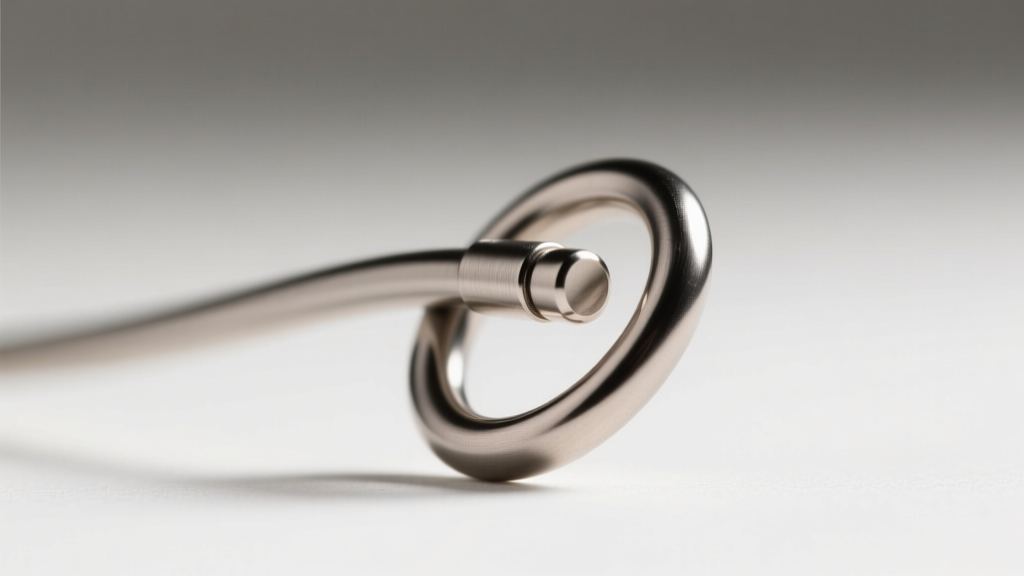
Niobium (Nb) is a transition metal that shares titanium’s hypoallergenic profile but offers unique aesthetic advantages through anodizing. Unlike electroplating, which deposits a foreign metal layer that can eventually flake or wear away, anodizing alters the thickness of niobium’s native dielectric oxide layer. By submerging the niobium component in an electrolytic bath and applying specific voltages, artisans can produce vivid, permanent colors—15 volts yields a vibrant purple, while 90 volts produces a striking green. As detailed in metallurgical guides by Ganoksin, this oxide layer is integral to the metal itself, meaning the color on Malcolm Todd niobium components will never chip, peel, or trigger contact dermatitis, making it an ideal medium for the decorative geometric plates often seen in this style.
Raw and Patinated Brass: The Living Alloy
Brass, an alloy of copper and zinc (typically 70% Cu / 30% Zn for jewelry-grade yellow brass), provides the warm, architectural weight necessary for statement drop earrings. However, brass is highly reactive. Upon exposure to atmospheric oxygen, moisture, and the slightly acidic pH of human skin (typically around 5.5), the copper content oxidizes, forming copper oxide and eventually copper carbonate (verdigris). While some collectors despise this patina, the brutalist aesthetic actively embraces it as a 'living finish.' The Vickers hardness of annealed jewelry brass is approximately 60-70 HV, making it highly malleable for hand-forging, but prone to scratching compared to steel or titanium.
Material Comparison Matrix
To contextualize the performance of these materials, the following matrix compares their physical and chemical properties as they relate to daily earring wear.
| Material | Primary Function | Vickers Hardness (HV) | Hypoallergenic Rating | Oxidation Rate | Ultrasonic Safe? |
|---|---|---|---|---|---|
| ASTM F136 Titanium | Ear Wires / Posts | ~334 HV | Excellent (10/10) | Negligible (Passive) | Yes |
| Anodized Niobium | Decorative Plates | ~140 HV | Excellent (10/10) | None (Color is stable) | No (Degrades oxide) |
| Yellow Brass (70/30) | Structural Bodies | ~65 HV (Annealed) | Poor (Contains Copper/Zinc) | High (Requires sealing) | Yes (But strips patina) |
| Sterling Silver (925) | Accent Inlays | ~65 HV | Moderate (Copper alloy) | Moderate (Sulfide tarnish) | Yes |
Galvanic Corrosion in Mixed-Metal Assemblies
A critical, often overlooked factor in mixed-media earrings is galvanic corrosion. When two dissimilar metals (e.g., a brass decorative body and a silver accent rivet) are in physical contact in the presence of an electrolyte (human sweat), a galvanic cell is formed. The less noble metal (brass) becomes the anode and corrodes at an accelerated rate, while the more noble metal (silver) acts as the cathode. In high-quality artisan assemblies, this is mitigated through mechanical isolation—using titanium or nylon washers between metal joints, or relying on cold-connections like tension-setting rather than direct soldering of highly reactive alloys.
Gauge Sizing and Structural Integrity
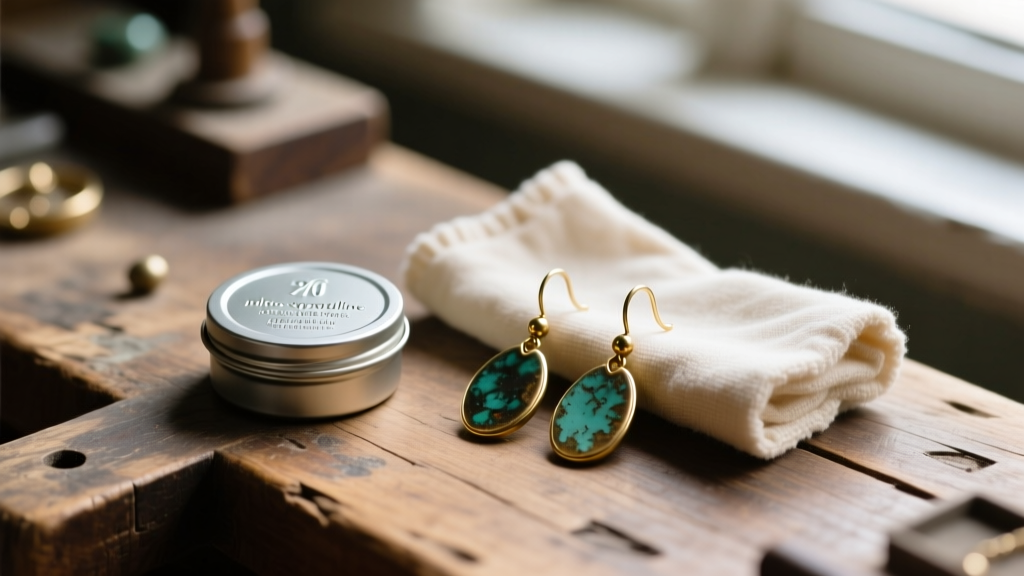
The structural viability of heavy, brutalist earrings relies heavily on the gauge of the ear wire. Standard fashion earrings often utilize 22-gauge (0.64mm) wires, which are prone to warping under the weight of brass or niobium pendants. Artisan pieces typically upgrade to 18-gauge (1.02mm) or 16-gauge (1.29mm) titanium wires. While a 16-gauge wire offers immense tensile strength and prevents the 'cheese-cutter effect' (where thin wires migrate through the earlobe tissue under heavy loads), it requires the wearer to have slightly stretched or well-established lobe piercings. Always verify the wire gauge before purchasing heavy statement pieces to ensure compatibility with your specific piercing fistula.
Long-Term Care and Patina Management
Maintaining mixed-media earrings requires a bifurcated approach, as cleaning methods that benefit one material may destroy another.
- For Titanium Wires: Wipe down with a 70% isopropyl alcohol solution after wear to remove sebum and skin cells. Titanium is impervious to this and will remain sterile and bright.
- For Anodized Niobium: Never use ultrasonic cleaners, chemical dips, or polishing compounds. The anodized color is a microscopic surface layer; abrasive cleaning will strip it back to raw grey niobium. Clean only with warm water, mild dish soap, and a microfiber cloth.
- For Raw Brass: If you wish to halt the oxidation process and prevent the copper from reacting with your skin (which can cause temporary green discoloration), apply a thin coat of micro-crystalline wax (such as Renaissance Wax). This museum-grade sealant fills the microscopic pores of the brass, blocking oxygen and moisture without altering the visual texture of the metal. Reapply every 4 to 6 weeks depending on wear frequency.
Final Verdict on Wearability
The material philosophy behind Malcolm Todd earrings represents a sophisticated intersection of biological safety and raw, industrial aesthetics. By isolating the piercing-compatible metals (titanium and niobium) from the reactive, visually dynamic metals (brass), the design achieves a balance that mass-market jewelry rarely attempts. For the informed collector, understanding the electrochemical realities of these materials transforms the act of wearing them from a simple fashion choice into an interactive experience with applied metallurgy.


